Hotel sofas that keep their shape in high traffic areas
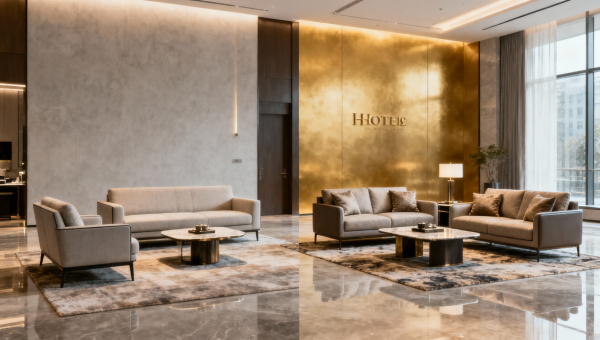
In high-traffic hospitality settings, hotel sofas must deliver lasting comfort, visual appeal, and structural resilience. For buyers comparing hotel furniture, commercial furniture, and broader hospitality furniture solutions, shape retention is a critical factor in long-term value. This guide explores how the right materials, construction, and sourcing strategies help luxury furniture perform reliably in busy hotels while supporting smarter hospitality procurement decisions.
For procurement teams, dealers, and commercial evaluators, a sofa that looks impressive on delivery day but sags after 6 to 12 months creates a visible quality problem and an avoidable replacement cost. In hotel lobbies, guest lounges, suites, and executive waiting areas, repeated compression can quickly expose weaknesses in cushions, suspension systems, and frame engineering.
The sourcing challenge is not simply to buy attractive seating. It is to secure hotel sofas that maintain profile, seat depth, edge definition, and upholstery tension under daily use cycles that may exceed 50 to 200 seating events per piece. That requires a sharper understanding of materials, manufacturing standards, and supplier capability.
Why shape retention matters in hotel furniture procurement
Shape retention affects more than comfort. In hospitality furniture, it influences first impressions, housekeeping efficiency, maintenance budgets, and brand consistency. A lobby sofa with collapsed cushions or wrinkled upholstery signals wear faster than a dining chair or casegood because soft seating changes form under pressure and becomes visually uneven.
For hotels operating at upscale or luxury positioning, the problem is especially visible in reception areas, all-day lounges, club floors, and guestroom living zones. These are spaces where guests often sit for 10 to 45 minutes at a time, sometimes with luggage placed on arms or seat decks. That combination of static weight and lateral pressure accelerates foam fatigue and fabric distortion.
Commercial buyers should also connect shape retention to total cost of ownership. A lower-cost sofa may save 12% to 18% at order stage, yet require cushion replacement, reupholstery, or full unit swap within 18 to 24 months. A better-built product may remain presentable for 5 to 7 years in the same traffic zone, reducing disruption and improving asset planning.
The main risks behind early loss of form
The most common failure points are low-density foam, under-specified webbing, weak plywood thickness, poor corner blocking, and upholstery patterns that cannot recover after repeated stretching. In many projects, buyers focus on color, lead time, and unit price but do not review seat construction or compression performance in enough detail.
- Seat foam that is too soft for high-traffic use can flatten within 3 to 9 months.
- Loose back cushions without internal baffling tend to migrate and lose symmetry faster.
- Frames using thin engineered wood components may loosen at joints under repeated side loading.
- Decorative fabrics with low abrasion performance often wrinkle and expose cushion deformation earlier.
Another overlooked issue is mismatch between product type and placement. A sofa designed for a boutique suite may not withstand the same demand as one placed near a check-in area. Traffic mapping should therefore be one of the first procurement steps, not an afterthought.
The table below shows how usage intensity changes the performance expectations for hotel sofas in different hospitality zones.
The key takeaway is simple: not every hotel sofa should be specified the same way. Buyers who classify zones by traffic intensity can avoid underbuilding in public spaces and overpaying in lower-use areas.
Materials and construction features that help sofas keep their shape
When a sofa holds its form in demanding hospitality environments, the reason is usually structural, not cosmetic. Good-looking stitching and premium upholstery matter, but long-term resilience comes from what sits beneath the surface: frame composition, suspension method, foam specification, wrap materials, and cushion engineering.
For hotel furniture projects, hardwood or high-grade engineered wood frames with reinforced joints generally outperform lightly built alternatives. Commercial seating often benefits from corner blocks, dowels, metal brackets, or a combination of these methods. In high-use settings, frame stability supports the entire seating geometry and prevents the seat deck from dipping over time.
Seat cushions are equally important. Many hospitality buyers compare density alone, but density should be reviewed together with firmness, resilience, and layer construction. A typical high-traffic specification may include foam in the 35–45 kg/m³ range for seat cores, with a supportive feel that prevents a permanent body impression. Backs can often be softer, but they still need controlled fill distribution.
Core construction elements to review
Suspension systems influence both comfort and recovery. Sinuous springs are common in commercial furniture because they provide consistent support and are easier to standardize in volume production. Webbing may also perform well when specified correctly, but weak elastic webbing can stretch and contribute to sagging if it is not matched to seat depth and anticipated loading.
Recommended specification checkpoints
- Frame joints should be reinforced for repeated loading, not just glued and stapled.
- Seat foam should be selected for resilience and recovery, not only initial softness.
- Cushions with wrapped cores or layered construction often maintain appearance better than loose-fill only options.
- Arms and front rails should be padded and shaped to resist denting from impact and luggage contact.
- Upholstery should be chosen for both abrasion and dimensional stability in conditioned indoor environments.
Tailored upholstery also contributes to shape retention. Fabrics and leathers with stable backing and appropriate stretch behavior help maintain a crisp appearance. Overly elastic covers may look smooth at installation but start to bag after repeated sitting. In busy hotels, performance textiles with commercial abrasion ratings are often more forgiving than fashion-led decorative fabrics.
The following comparison outlines how key material and construction choices affect long-term performance in hospitality furniture applications.
In practice, the best results come from balanced specification. An excellent frame cannot compensate for weak cushions, and premium upholstery cannot hide poor suspension for long. Procurement decisions should therefore treat the sofa as a system rather than a surface finish item.
How to evaluate hotel sofas before placing a commercial order
Sampling and technical review are essential when sourcing hotel sofas for regional chains, luxury properties, or dealer distribution. A catalog image or showroom sample may not reveal how the piece behaves after 10,000 compression cycles or repeated edge sitting. Buyers should request construction details early and use a structured evaluation process before confirming volume production.
One practical method is to assess the sofa in 4 layers: frame, support, cushion, and upholstery. Each layer should be documented through specifications, sample review, and factory clarification. If the supplier cannot explain these layers clearly, that is usually a warning sign for future consistency issues.
A 5-step commercial evaluation process
- Map the usage zone: define whether the sofa is for a lobby, suite, lounge, or mixed-use public area.
- Review construction sheets: confirm frame type, joint method, suspension, foam density, and cushion structure.
- Approve material samples: test upholstery hand feel, recovery, abrasion suitability, and cleaning response.
- Inspect a prototype: check seat height, seat depth, edge recovery, stitching tension, and visual alignment after use.
- Confirm production control: verify lead time, batch consistency, packaging, and spare component support.
Dimensions should also be tested against actual hotel operations. A seat height of around 430–460 mm often suits many public-area applications, while seat depth may fall in the 520–600 mm range depending on formality and dwell time. Deep, relaxed seating may work in a lounge, but it can feel awkward in a reception zone where guests sit briefly and rise quickly.
For distributors and agents, consistency across batches is just as important as performance in one approved sample. Ask suppliers how they manage foam sourcing, cutting tolerance, upholstery pattern matching, and frame jig control. Small dimensional deviations repeated across 100 or 300 units can create an uneven brand presentation across multiple properties.
Questions worth asking a supplier
- What foam density and firmness range is used for lobby versus guestroom sofas?
- How is the cushion tested for recovery after repeated compression?
- Can cushion covers be removed or replaced without replacing the full sofa?
- What is the standard production lead time, such as 4–8 weeks or 8–12 weeks for custom orders?
- How are spare fabrics or replacement cushions supported after installation?
For many hotel furniture projects, prototype approval takes 7 to 21 days, while bulk production may require 30 to 75 days depending on quantity, upholstery complexity, and export packaging. These timelines should be built into project planning, especially where mock-up rooms or phased openings are involved.
Matching sofa specifications to hotel traffic zones and project types
The right specification depends on where the sofa will be used. In hospitality procurement, there is rarely one universal model that fits every area of a property. Public zones demand stronger recovery and tougher upholstery, while guestroom seating may prioritize visual softness and a residential luxury feel. Smart buyers segment demand instead of oversimplifying it.
A city business hotel with constant weekday movement may need tighter seats and more durable finishes in its lobby and meeting lounges. A resort property, by contrast, may favor deeper cushions and softer profiles in relaxation zones, but still require reinforced frames because guests stay seated for longer periods. Traffic is not only about volume; it is also about dwell time and usage style.
Project scale changes the sourcing approach as well. A 20-room boutique hotel can allow more customization and detailed hand-finishing, while a 300-room chain rollout typically prioritizes repeatability, maintenance planning, and standardized replacement programs. This is where a sourcing hub such as GCT creates value by helping buyers compare manufacturing suitability, customization depth, and commercial readiness.
Specification by application scenario
The table below can help buyers align sofa configuration with real hotel operating conditions rather than relying on generic design language.
The strongest procurement results usually come from combining design intent with operational logic. If a sofa must remain presentable through 2 to 3 peak occupancy seasons without rework, buyers should build that expectation into the specification from the start.
Common specification mistakes to avoid
- Choosing overly soft cushions because the first sit feels luxurious in a showroom.
- Using the same upholstery across lobby, suites, and food-and-beverage waiting areas without traffic differentiation.
- Failing to request replaceable seat cushions in projects where long-term maintenance is expected.
- Ignoring how housekeeping and cleaning methods affect upholstery stretch and seam stress.
Sourcing strategy, maintenance planning, and long-term supplier value
Even well-specified hotel sofas can underperform if sourcing execution is weak. Commercial furniture buyers should evaluate not only product design, but also factory communication, project management discipline, packaging reliability, and post-delivery support. A supplier that can maintain quality from sample to shipment is often more valuable than one offering a slightly lower unit price.
For international hospitality projects, standard sourcing checkpoints may include shop drawing approval, upholstery sign-off, pilot production review, pre-shipment inspection, and after-sales spare planning. These 5 checkpoints help reduce surprises, especially when multiple properties or phased openings are involved. They also give distributors and agents clearer tools for performance verification.
Maintenance planning should begin at procurement stage. In many hotels, simple care routines can extend visual performance significantly. Cushion rotation every 2 to 4 weeks in public areas, prompt treatment of spills, and regular seam inspection can slow visible wear. Where removable covers or replaceable inserts are possible, lifecycle costs become easier to manage.
What experienced buyers look for in a sourcing partner
A dependable sourcing partner should be able to discuss customization limits, MOQ expectations, production capacity, and finishing consistency in concrete terms. For example, a project may require 30 units for a boutique property or 500 units for a chain rollout. The right supplier should explain how production changes at each volume band, not simply confirm availability.
- Clear technical documentation for sofa construction and upholstery options.
- Practical guidance on which configurations suit high-traffic hospitality use.
- Realistic lead times for sampling, production, and replacement part support.
- Strong export packaging and labeling discipline for multi-site projects.
- Willingness to align product recommendations with commercial use, not just style trends.
This is where GCT is positioned for value creation. By aggregating market intelligence and sourcing insight across hotel and catering equipment supply chains, GCT helps procurement professionals, evaluators, and channel partners compare suppliers with a more strategic lens. That is especially relevant when the project requires durable luxury furniture, repeatable quality, and supplier credibility across borders.
FAQ for buyers of hotel sofas
How long should a hotel sofa keep its shape in a busy public area?
In a well-specified lobby or lounge application, a commercial-grade sofa should maintain acceptable shape and presentation for several years, often around 5 to 7 years, depending on maintenance, occupancy patterns, and upholstery selection. The exact result depends on traffic load and construction quality, not just price.
What indicators matter most during procurement?
Buyers should focus on at least 6 points: frame reinforcement, suspension method, seat foam density, cushion replaceability, upholstery suitability, and batch consistency. These indicators usually reveal more about long-term value than appearance alone.
Are softer sofas always better for luxury hotels?
Not necessarily. In luxury hospitality furniture, perceived comfort should be balanced with support and recovery. A sofa that feels extremely plush on day one may lose form quickly in high-traffic use. For many public areas, medium-support construction performs better over a 12 to 36 month operating window.
Hotel sofas that keep their shape are the result of disciplined specification, traffic-based planning, and reliable sourcing. Buyers who evaluate frames, cushions, suspension, upholstery, and supplier process together are better positioned to protect design standards and reduce lifecycle costs across hospitality projects.
Whether you are comparing hotel furniture for a luxury lobby, a guestroom rollout, or a dealer portfolio, the strongest decisions come from matching commercial furniture performance to real operating conditions. To discuss sourcing options, compare supplier capabilities, or get a tailored hospitality furniture solution, contact GCT and explore more informed procurement strategies today.
Search News
Hot Articles
- Stage Lighting & TrussCCTV5 Snooker Broadcast Drives 37% Surge in Stage Lighting Export InquiriesApr 21, 2026
- Indoor PlaygroundVietnam Mandates Child Finger-Trap Sensors for Indoor Play EquipmentApr 21, 2026
- Stage Lighting & TrussGuangdong vs. Shanxi CBA Game Highlights Domestic Smart Arena LightingApr 21, 2026
Popular Tags
Need ExpertConsultation?
Connect with our specialized leisureengineering team for procurementstrategies.
Recommended News
 Apr 10, 2026RCEP Cuts ASEAN Hotel Furniture Tariffs to 0% for Chinese Bamboo ProductsRCEP cuts ASEAN hotel furniture tariffs to 0% for Chinese bamboo products. Explore how this benefits exporters, procurement teams & supply chains in Southeast Asia's booming hospitality sector.● Hospitality Sourcing Dir
 Apr 10, 2026US Hotel Association Updates 2026 Smart Room Tech Guidelines, Mandates UL 2900-2-2 CertificationUS Hotel Association mandates UL 2900-2-2 certification for smart room tech by 2026. Learn how this impacts IoT manufacturers and hotel chains' procurement strategies.● Hospitality Sourcing Dir
 Apr 10, 2026EU Mandates QR Codes for Hotel Linens: China Exporters Must Comply by April 2026EU mandates QR codes for hotel linens by 2026, impacting China's textile exporters. Learn compliance requirements for traceability, sustainability reporting, and supply chain adaptation.● Hospitality Sourcing Dir
 Apr 09, 2026Zibo Launches 'Treasure Shandong Through the Lens' Photo Tour, Themed Homestays Emerge as Cross-Border Marketing ToolDiscover Zibo's 'Treasure Shandong Through the Lens' photo tour featuring 32 themed homestays blending vintage cameras, Hanfu culture & industrial spaces. A groundbreaking cross-border marketing model attracting global influencers & platforms like Rakuten Travel.● Hospitality Sourcing Dir
 Apr 09, 2026Yangzhou Slender West Lake Flower Festival Opens, Blending Heritage and Tech for Luxury TourismDiscover the 2026 Yangzhou Slender West Lake Flower Festival, blending heritage crafts with AR technology for luxury tourism. Experience cultural performances, workshops, and themed stays attracting global travelers. Explore China's new era of experiential tourism.● Hospitality Sourcing Dir
 Apr 09, 2026New Team Travel Contracts Raise Compliance Standards for Overseas AgenciesNew team travel contracts enforce stricter compliance for overseas agencies, requiring rigorous vetting of Chinese suppliers. Learn how these 2026 regulations impact study tours, hotels, and global partnerships.● Hospitality Sourcing Dir
 Apr 09, 2026Shangyou County's Hotel Subsidy Policy Boosts China's MICE Tourism AppealShangyou County's 2026 hotel subsidy policy offers RMB 100 per room for MICE tourism, boosting China's appeal to international buyers. Discover how this strategic move enhances cost-effective accommodations for corporate events and study tours.● Hospitality Sourcing Dir
 Apr 21, 2026Open or closed hotel wardrobes for easier housekeeping?Hotel wardrobes affect housekeeping speed, guest appeal, and hospitality procurement. Compare open vs closed designs for hotel furniture, luxury furniture, and hotel room furniture planning.● Hospitality Sourcing Dir
 Apr 21, 2026Hotel wardrobes that fit luggage without wasting spaceHotel wardrobes that fit luggage smartly without wasting space—explore hotel furniture solutions that elevate hotel room furniture, support hospitality procurement, and enhance guest comfort.● Hospitality Sourcing Dir
 Apr 21, 2026Why hotel room furniture wears unevenly after openingHotel furniture wear starts unevenly from day one. Learn how hotel beds, hotel chairs, hotel desks and hotel room furniture perform in real use, with smart hospitality procurement tips.● Hospitality Sourcing Dir
 Apr 21, 2026Hotel room furniture packages that cut design mismatchHotel room furniture packages align hotel furniture, hotel beds, hotel chairs, hotel tables, and hotel desks with luxury furniture standards—reducing design mismatch and speeding hospitality procurement.● Hospitality Sourcing Dir
 Apr 21, 2026Low seat or deep seat hotel sofas for modern lobbies?Hotel furniture buyers compare low seat and deep seat hotel sofas for modern lobbies. Explore luxury furniture choices that improve comfort, traffic flow, brand image, and hospitality procurement value.● Hospitality Sourcing Dir
 Apr 21, 2026Hotel sofas that keep their shape in high traffic areasHotel sofas, hotel furniture, and hospitality furniture that keep shape in high-traffic areas—discover luxury furniture sourcing tips, durable commercial furniture specs, and smarter hospitality procurement.● Hospitality Sourcing Dir
 Apr 21, 2026Why hospitality furniture needs different specs by zoneHospitality furniture specs vary by zone. Learn how hotel furniture, hotel beds, hotel chairs, hotel tables, and hotel desks improve durability, ROI, and luxury guest experience.● Hospitality Sourcing Dir
 Apr 21, 2026Hospitality furniture that supports faster room turnoverHospitality furniture that speeds room turnover: compare hotel beds, hotel chairs, hotel tables, hotel desks and hotel sofas for easier cleaning, durability, and smarter hospitality procurement.● Hospitality Sourcing Dir
 Apr 21, 2026Where hotel equipment budgets usually go off trackHotel furniture and hotel equipment budgets often fail from hidden scope, logistics, and lifecycle costs. Learn smarter hospitality procurement for hotel beds, chairs, tables, and luxury furniture.● Hospitality Sourcing Dir
 Apr 21, 2026Hotel equipment upgrades that improve guest flow firstHotel equipment upgrades improve guest flow fast with hotel furniture, hotel beds, hotel chairs, catering equipment, and soundproofing materials—boost comfort, efficiency, and procurement ROI.● Hospitality Sourcing Dir
 Apr 21, 2026What shortens the life of commercial furniture in hotelsHotel furniture and commercial furniture wear out fast when hotel beds, hotel chairs, hotel tables, hotel desks, and hotel sofas face heavy use, poor maintenance, and weak materials. Learn smart hospitality procurement tips.● Hospitality Sourcing Dir
 Apr 21, 2026Commercial furniture trends hotels are actually adoptingCommercial furniture trends hotels are adopting: luxury furniture, hotel beds, hotel chairs, hotel tables and hotel sofas that improve hotel furniture sourcing, durability, and hospitality procurement value.● Hospitality Sourcing Dir
 Apr 21, 2026How to spot hotel furniture built for daily wearHotel furniture buying guide: learn how to assess hotel beds, hotel chairs, hotel tables, and hospitality furniture for daily wear, lower maintenance, and smarter hospitality procurement.● Hospitality Sourcing Dir
 Apr 21, 2026Hotel furniture mistakes that age a room too quicklyHotel furniture buying guide: avoid costly hotel beds, hotel chairs, and hotel room furniture mistakes. Discover luxury furniture tips for durable, brand-right hospitality procurement.● Hospitality Sourcing Dir
 Apr 21, 2026Why some soundproofing materials fail after installationLearn why soundproofing materials fail after installation in hotel furniture projects. Explore hotel beds, hotel sofas, hotel wardrobes and hospitality procurement tips for lasting acoustic performance.● Hospitality Sourcing Dir
 Apr 21, 2026Soundproofing materials that work best between guest roomsSoundproofing materials for hotel furniture projects: discover the best systems between guest rooms, from mineral wool to acoustic doors, to improve comfort, protect reviews, and support hospitality procurement.● Hospitality Sourcing Dir
 Apr 21, 2026How firm should hotel beds be for mixed guest profiles?Hotel beds for mixed guest profiles: learn how hotel furniture and hospitality procurement teams balance comfort, durability, and luxury furniture standards to improve guest satisfaction.● Hospitality Sourcing Dir