Low seat or deep seat hotel sofas for modern lobbies?
Choosing between low seat and deep seat hotel sofas can shape comfort, circulation, and brand image in modern lobbies. For buyers comparing hotel furniture, hospitality furniture, and commercial furniture options, the right sofa affects guest dwell time, visual luxury, and hospitality procurement value. In most modern lobby projects, the better choice is not simply “low” or “deep” in isolation. It depends on how the lobby is used, how long guests typically stay, what image the brand wants to project, and how the furniture must perform under commercial traffic. For procurement teams, designers, and distributors, the smartest decision comes from balancing aesthetics, ergonomics, maintenance, and lifecycle value.
What are buyers really deciding between in low seat vs deep seat hotel sofas?
When people search for low seat or deep seat hotel sofas for modern lobbies, they are rarely looking for a purely stylistic answer. They are trying to decide which sofa specification will best support guest comfort, circulation flow, brand positioning, and long-term commercial performance.
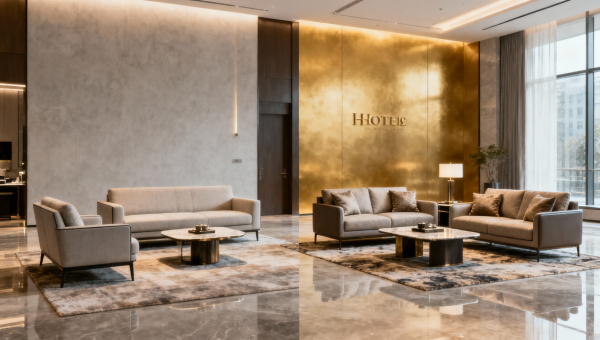
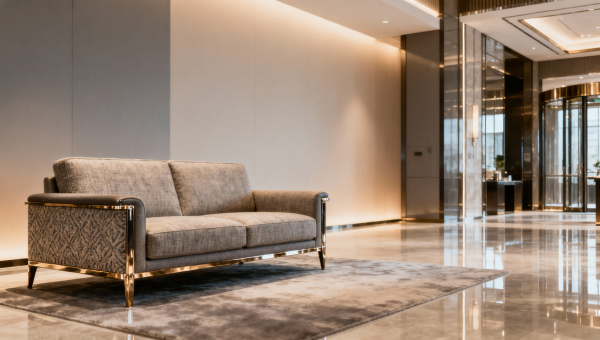
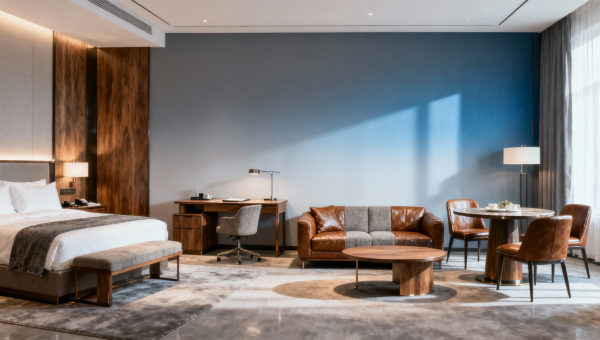
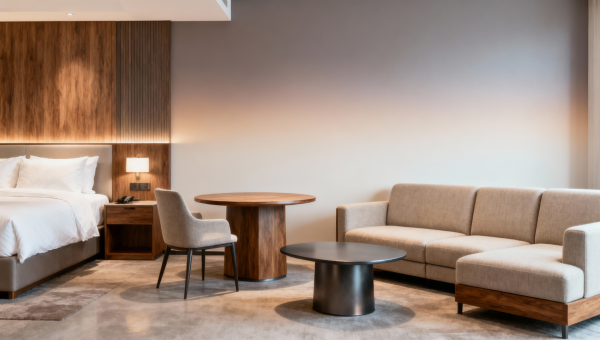
A low seat hotel sofa typically creates a relaxed, contemporary, lounge-like impression. It can make a lobby feel more design-forward and visually luxurious, especially in boutique hotels, lifestyle properties, and premium mixed-use hospitality spaces. A deep seat hotel sofa, meanwhile, emphasizes sink-in comfort and extended dwell time. It often suits spaces where guests are encouraged to stay longer, socialize, or wait comfortably.
However, these two qualities often overlap. A sofa can be low without being especially deep, and deep without sitting unusually low. For commercial buyers, the practical question is this: does the sofa support the intended use of the lobby without creating discomfort, awkward posture, or reduced accessibility for a wide guest demographic?
Which option is usually better for modern hotel lobbies?
For most modern lobbies, neither low seat nor deep seat is universally better. The best choice depends on the operating model of the property.
If the lobby functions as a social hub, flexible lounge, or upscale all-day gathering space, a moderately deep sofa often performs better. It supports longer stays, informal meetings, and a more residential luxury feel. This is especially useful in lifestyle hotels, upscale resorts, and premium urban properties where the lobby is part of the guest experience rather than only a pass-through zone.
If the lobby is smaller, more transactional, or more circulation-driven, an excessively deep sofa can work against operational efficiency. Guests may find it harder to enter and exit, older travelers may struggle with posture support, and the overall layout may feel heavier. In these cases, a sofa with a slightly higher seat and controlled seat depth is often the better hospitality furniture choice.
In practice, many successful hotel furniture specifications land in the middle: visually low-profile enough to feel modern, but not so low or deep that they reduce accessibility or commercial usability.
How do low and deep seat sofas affect guest comfort and usability?
Guest comfort is the first issue procurement teams should evaluate, but comfort in hospitality furniture is more complex than softness. A sofa must accommodate different body types, ages, clothing types, and lengths of stay.
Low seat sofas can look elegant and architectural, but if they are too low, guests may find them difficult to stand up from. This matters in international hospitality environments, where a lobby serves business travelers, families, elderly guests, and event attendees throughout the day.
Deep seat sofas can feel luxurious for lounging, but if the seat depth is excessive without proper lumbar support or back cushions, shorter users may sit awkwardly. In a hotel lobby, this can create a mismatch between perceived luxury and actual ergonomic comfort.
For that reason, commercial furniture buyers should evaluate:
- Seat height for easy entry and exit
- Seat depth relative to intended dwell time
- Back angle and lumbar support
- Cushion resilience under frequent use
- Whether accent pillows are required to make the sofa comfortable for a wider range of users
A sofa that photographs beautifully but underperforms in daily use can quickly become a procurement regret.
What does each style say about hotel brand image?
In modern hospitality projects, sofa profile is not just a comfort decision. It is also a brand signal.
Low seat hotel sofas often communicate contemporary luxury, minimalism, and a more curated design identity. They are commonly associated with boutique hospitality, design-led premium brands, and spaces that want a residential-meets-commercial feel. Their visual line can make a lobby appear more open, layered, and sophisticated.
Deep seat sofas tend to communicate warmth, relaxation, and hospitality generosity. They support an inviting atmosphere and can help a lobby feel less formal. This can be valuable for resorts, extended-stay hotels, and premium properties where comfort and lingering are part of the commercial strategy.
For hotel groups and business evaluators, the right question is not which style is more luxurious in abstract terms. It is which one aligns with the property’s positioning. A five-star business hotel may need structured elegance and efficient usability, while a lifestyle resort may benefit from deeper, more enveloping seating.
How does sofa choice affect lobby traffic flow and space planning?
This is one of the most important issues for procurement and design teams, and it is often underestimated during early sourcing.
Deep seat hotel sofas generally require more floor area, not only because of the sofa footprint itself, but because comfortable approach space around the seating group also matters. In a compact lobby, this can reduce circulation efficiency and create visual bulk.
Low-profile sofas may help the room feel more open, but only if their proportions are well controlled. A very low sofa in a large lobby can sometimes look underscaled, especially if paired with oversized coffee tables or dramatic architectural elements.
Buyers should assess:
- Lobby square meterage and circulation paths
- Check-in desk proximity
- Luggage movement zones
- Accessibility requirements
- Whether the seating area is meant for quick waiting, social gathering, or semi-private work
In high-traffic commercial furniture applications, the best sofa is one that supports the intended guest journey without obstructing flow.
What specifications should procurement teams compare before sourcing?
When evaluating hotel sofas from manufacturers or suppliers, buyers should move beyond showroom styling and compare measurable specifications.
The most useful commercial comparison points include:
- Seat height: important for accessibility and comfort across guest groups
- Seat depth: critical for distinguishing casual upright seating from lounge seating
- Overall sofa depth: affects floor planning and circulation
- Frame construction: hardwood, engineered wood, or metal-reinforced commercial frame quality
- Foam density and cushion recovery: essential for appearance retention and lifecycle cost
- Upholstery performance: stain resistance, abrasion rating, cleanability, and fire compliance
- Leg or plinth design: influences both aesthetics and housekeeping access
- OEM/ODM customization capability: important when adapting dimensions to project needs
For B2B sourcing, these details matter far more than generic catalog descriptions such as “luxury” or “modern.”
What are the biggest risks of choosing the wrong sofa profile?
The wrong sofa choice can create both operational and brand problems.
If a sofa is too low, guests may perceive the lobby as fashionable but inconvenient. If it is too deep, the seating may look comfortable but function poorly for short waits, business meetings, or older guests. If it is too large for the available layout, the lobby may feel crowded and inefficient.
There are also maintenance and durability concerns. Deep, overstuffed cushions can lose shape if internal construction is weak. Very low sofas may show wear more quickly along front edges due to frequent compression and contact. Poorly specified upholstery can turn a premium-looking hospitality furniture investment into a visible maintenance issue within a short operating cycle.
For procurement professionals and distributors, this means the true risk is not only aesthetic mismatch. It is underperformance in a public commercial environment where furniture use is intensive and guest expectations are high.
How should buyers choose for different hotel types?
A practical sourcing decision becomes easier when linked to property type.
Luxury city hotels: Often benefit from refined, moderately low-profile sofas with controlled depth. The look should feel premium, but seating should still support formal posture and broad user accessibility.
Lifestyle and boutique hotels: Can successfully use lower and deeper hotel sofas to create a relaxed, design-led atmosphere. These projects often prioritize visual identity and lounge culture.
Resorts: Deep seat hospitality furniture often works well, especially in larger lobbies where guests gather, wait, and unwind. Comfort and a resort-like sense of ease matter more here.
Business hotels: Sofas should support shorter dwell times, easy transitions, and cleaner circulation. Excessive depth is usually less practical.
Extended-stay and mixed-use properties: A blend of sofa types may work best, pairing structured seating with deeper lounge pieces in designated zones.
For many upscale projects, zoning is the smartest answer: use more upright sofas near active circulation areas and deeper lounge seating in secondary waiting or social spaces.
What is the best sourcing strategy for modern hotel sofa procurement?
The strongest sourcing strategy combines design intent with commercial validation. Buyers should not approve hotel furniture based only on appearance boards or sample-room impressions. Instead, they should request detailed shop drawings, material specifications, finish samples, fire compliance documentation, and ideally a prototype or seating mock-up for high-value projects.
It is also wise to evaluate suppliers on more than unit price. In hospitality furniture procurement, long-term value depends on:
- Consistency in manufacturing quality
- Ability to customize dimensions for project fit
- Compliance with regional commercial and fire standards
- Reliable production lead times
- Packaging quality for international shipping
- After-sales support for project execution
For distributors, agents, and project buyers, the ideal manufacturing partner is one that can translate brand vision into commercially durable seating, not simply offer standard catalog models.
Final decision: low seat or deep seat hotel sofas for modern lobbies?
If the goal is a sleek, design-forward lobby with strong visual luxury, a low-profile sofa can be highly effective, provided it still supports ergonomic comfort. If the goal is a welcoming, stay-longer lounge environment, a deeper seat often delivers more value. For many modern lobbies, the best answer is a balanced specification: contemporary in appearance, supportive in use, and proportioned for commercial performance.
That is the key takeaway for hotel furniture buyers, sourcing teams, and hospitality decision-makers. The right sofa is not the one that follows a trend most aggressively. It is the one that fits the property’s traffic pattern, guest profile, brand language, and maintenance reality. In modern hospitality procurement, that alignment is what turns a sofa from a design object into a high-value commercial asset.
Search News
Hot Articles
- Stage Lighting & TrussCCTV5 Snooker Broadcast Drives 37% Surge in Stage Lighting Export InquiriesApr 21, 2026
- Indoor PlaygroundVietnam Mandates Child Finger-Trap Sensors for Indoor Play EquipmentApr 21, 2026
- Stage Lighting & TrussGuangdong vs. Shanxi CBA Game Highlights Domestic Smart Arena LightingApr 21, 2026
Popular Tags
Need ExpertConsultation?
Connect with our specialized leisureengineering team for procurementstrategies.
Recommended News
 Apr 10, 2026RCEP Cuts ASEAN Hotel Furniture Tariffs to 0% for Chinese Bamboo ProductsRCEP cuts ASEAN hotel furniture tariffs to 0% for Chinese bamboo products. Explore how this benefits exporters, procurement teams & supply chains in Southeast Asia's booming hospitality sector.● Hospitality Sourcing Dir
 Apr 10, 2026US Hotel Association Updates 2026 Smart Room Tech Guidelines, Mandates UL 2900-2-2 CertificationUS Hotel Association mandates UL 2900-2-2 certification for smart room tech by 2026. Learn how this impacts IoT manufacturers and hotel chains' procurement strategies.● Hospitality Sourcing Dir
 Apr 10, 2026EU Mandates QR Codes for Hotel Linens: China Exporters Must Comply by April 2026EU mandates QR codes for hotel linens by 2026, impacting China's textile exporters. Learn compliance requirements for traceability, sustainability reporting, and supply chain adaptation.● Hospitality Sourcing Dir
 Apr 09, 2026Zibo Launches 'Treasure Shandong Through the Lens' Photo Tour, Themed Homestays Emerge as Cross-Border Marketing ToolDiscover Zibo's 'Treasure Shandong Through the Lens' photo tour featuring 32 themed homestays blending vintage cameras, Hanfu culture & industrial spaces. A groundbreaking cross-border marketing model attracting global influencers & platforms like Rakuten Travel.● Hospitality Sourcing Dir
 Apr 09, 2026Yangzhou Slender West Lake Flower Festival Opens, Blending Heritage and Tech for Luxury TourismDiscover the 2026 Yangzhou Slender West Lake Flower Festival, blending heritage crafts with AR technology for luxury tourism. Experience cultural performances, workshops, and themed stays attracting global travelers. Explore China's new era of experiential tourism.● Hospitality Sourcing Dir
 Apr 09, 2026New Team Travel Contracts Raise Compliance Standards for Overseas AgenciesNew team travel contracts enforce stricter compliance for overseas agencies, requiring rigorous vetting of Chinese suppliers. Learn how these 2026 regulations impact study tours, hotels, and global partnerships.● Hospitality Sourcing Dir
 Apr 09, 2026Shangyou County's Hotel Subsidy Policy Boosts China's MICE Tourism AppealShangyou County's 2026 hotel subsidy policy offers RMB 100 per room for MICE tourism, boosting China's appeal to international buyers. Discover how this strategic move enhances cost-effective accommodations for corporate events and study tours.● Hospitality Sourcing Dir
 Apr 21, 2026Open or closed hotel wardrobes for easier housekeeping?Hotel wardrobes affect housekeeping speed, guest appeal, and hospitality procurement. Compare open vs closed designs for hotel furniture, luxury furniture, and hotel room furniture planning.● Hospitality Sourcing Dir
 Apr 21, 2026Hotel wardrobes that fit luggage without wasting spaceHotel wardrobes that fit luggage smartly without wasting space—explore hotel furniture solutions that elevate hotel room furniture, support hospitality procurement, and enhance guest comfort.● Hospitality Sourcing Dir
 Apr 21, 2026Why hotel room furniture wears unevenly after openingHotel furniture wear starts unevenly from day one. Learn how hotel beds, hotel chairs, hotel desks and hotel room furniture perform in real use, with smart hospitality procurement tips.● Hospitality Sourcing Dir
 Apr 21, 2026Hotel room furniture packages that cut design mismatchHotel room furniture packages align hotel furniture, hotel beds, hotel chairs, hotel tables, and hotel desks with luxury furniture standards—reducing design mismatch and speeding hospitality procurement.● Hospitality Sourcing Dir
 Apr 21, 2026Low seat or deep seat hotel sofas for modern lobbies?Hotel furniture buyers compare low seat and deep seat hotel sofas for modern lobbies. Explore luxury furniture choices that improve comfort, traffic flow, brand image, and hospitality procurement value.● Hospitality Sourcing Dir
 Apr 21, 2026Hotel sofas that keep their shape in high traffic areasHotel sofas, hotel furniture, and hospitality furniture that keep shape in high-traffic areas—discover luxury furniture sourcing tips, durable commercial furniture specs, and smarter hospitality procurement.● Hospitality Sourcing Dir
 Apr 21, 2026Why hospitality furniture needs different specs by zoneHospitality furniture specs vary by zone. Learn how hotel furniture, hotel beds, hotel chairs, hotel tables, and hotel desks improve durability, ROI, and luxury guest experience.● Hospitality Sourcing Dir
 Apr 21, 2026Hospitality furniture that supports faster room turnoverHospitality furniture that speeds room turnover: compare hotel beds, hotel chairs, hotel tables, hotel desks and hotel sofas for easier cleaning, durability, and smarter hospitality procurement.● Hospitality Sourcing Dir
 Apr 21, 2026Where hotel equipment budgets usually go off trackHotel furniture and hotel equipment budgets often fail from hidden scope, logistics, and lifecycle costs. Learn smarter hospitality procurement for hotel beds, chairs, tables, and luxury furniture.● Hospitality Sourcing Dir
 Apr 21, 2026Hotel equipment upgrades that improve guest flow firstHotel equipment upgrades improve guest flow fast with hotel furniture, hotel beds, hotel chairs, catering equipment, and soundproofing materials—boost comfort, efficiency, and procurement ROI.● Hospitality Sourcing Dir
 Apr 21, 2026What shortens the life of commercial furniture in hotelsHotel furniture and commercial furniture wear out fast when hotel beds, hotel chairs, hotel tables, hotel desks, and hotel sofas face heavy use, poor maintenance, and weak materials. Learn smart hospitality procurement tips.● Hospitality Sourcing Dir
 Apr 21, 2026Commercial furniture trends hotels are actually adoptingCommercial furniture trends hotels are adopting: luxury furniture, hotel beds, hotel chairs, hotel tables and hotel sofas that improve hotel furniture sourcing, durability, and hospitality procurement value.● Hospitality Sourcing Dir
 Apr 21, 2026How to spot hotel furniture built for daily wearHotel furniture buying guide: learn how to assess hotel beds, hotel chairs, hotel tables, and hospitality furniture for daily wear, lower maintenance, and smarter hospitality procurement.● Hospitality Sourcing Dir
 Apr 21, 2026Hotel furniture mistakes that age a room too quicklyHotel furniture buying guide: avoid costly hotel beds, hotel chairs, and hotel room furniture mistakes. Discover luxury furniture tips for durable, brand-right hospitality procurement.● Hospitality Sourcing Dir
 Apr 21, 2026Why some soundproofing materials fail after installationLearn why soundproofing materials fail after installation in hotel furniture projects. Explore hotel beds, hotel sofas, hotel wardrobes and hospitality procurement tips for lasting acoustic performance.● Hospitality Sourcing Dir
 Apr 21, 2026Soundproofing materials that work best between guest roomsSoundproofing materials for hotel furniture projects: discover the best systems between guest rooms, from mineral wool to acoustic doors, to improve comfort, protect reviews, and support hospitality procurement.● Hospitality Sourcing Dir
 Apr 21, 2026How firm should hotel beds be for mixed guest profiles?Hotel beds for mixed guest profiles: learn how hotel furniture and hospitality procurement teams balance comfort, durability, and luxury furniture standards to improve guest satisfaction.● Hospitality Sourcing Dir