How firm should hotel beds be for mixed guest profiles?
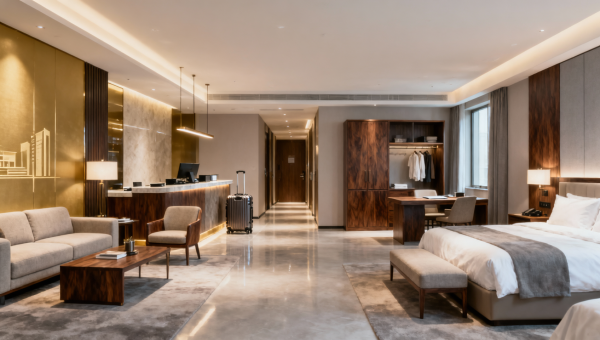
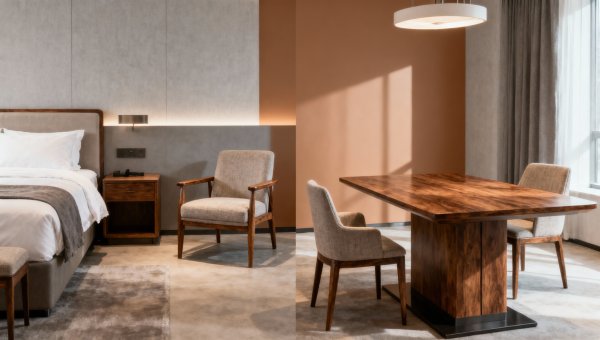
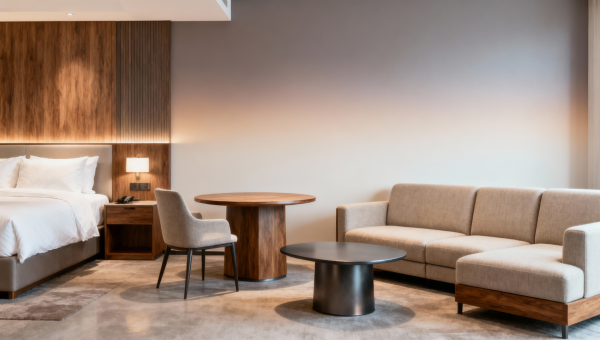
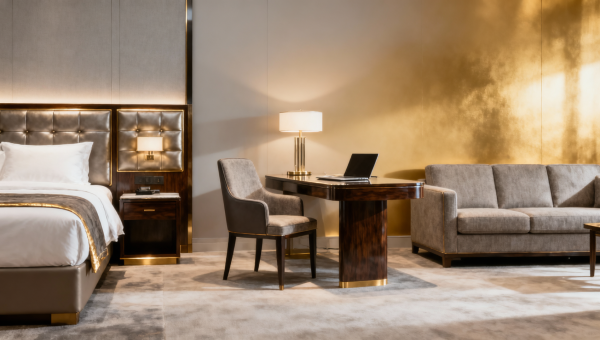
For hotels serving mixed guest profiles, bed firmness is a strategic hospitality furniture decision that affects comfort, reviews, and brand positioning. From luxury furniture standards to practical hospitality procurement goals, choosing the right hotel beds means balancing support, pressure relief, and durability while aligning with hotel room furniture, hotel furniture, and broader hotel equipment requirements.
Why bed firmness matters more in hotels than in residential use
A hotel bed is not selected for one sleeper. It must work for hundreds or thousands of guests across different ages, body weights, sleep positions, and trip purposes. That is why the question is not whether a bed should be soft or firm, but how firm hotel beds should be to satisfy the widest range of mixed guest profiles without increasing complaint rates or replacement cycles.
In hotel furniture procurement, the safest range is usually medium to medium-firm. In practical terms, many buyers target a comfort feel around 5.5 to 7.5 on a 10-point firmness scale. This range tends to support back sleepers, accommodate many side sleepers, and reduce the “too hard” or “too soft” extremes that damage guest satisfaction scores. For mixed occupancy, a very plush mattress may feel luxurious at first touch but often underperforms in spinal support and long-term durability.
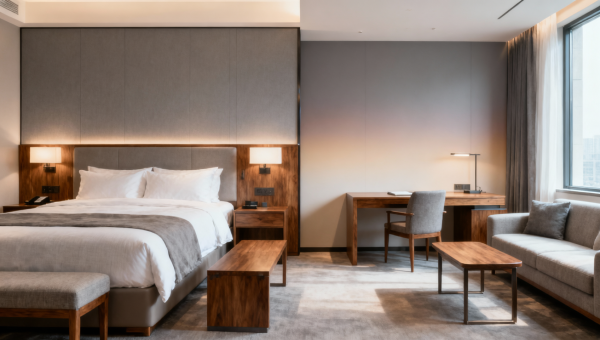
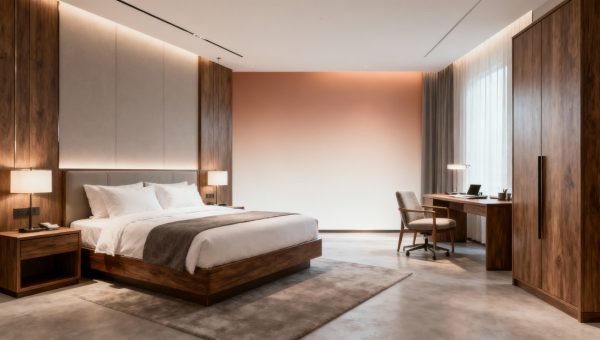
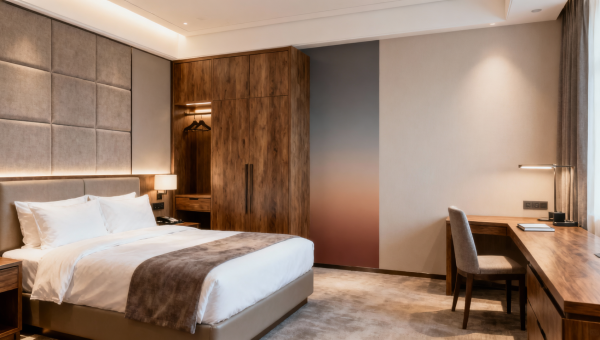
Hotel operators also face a different wear pattern from homes. A residential bed may see one or two regular sleepers over several years. A hotel bed may serve rotating users nightly, with heavier luggage impact, sitting on the edge, housekeeping handling, and periodic deep cleaning. That means firmness must be evaluated together with edge support, sag resistance, motion control, and compatibility with the full hotel room furniture package.
For procurement teams, firmness is therefore a commercial decision with at least 4 linked outcomes: guest comfort, maintenance frequency, mattress life cycle, and brand positioning. A luxury property may want a more layered comfort feel, while a business hotel may prioritize universal support and lower replacement costs over a 5–8 year operating window.
What “mixed guest profiles” usually means in hospitality procurement
Mixed guest profiles usually include couples with different body types, solo business travelers, short-stay transit guests, elderly travelers, families using extra beds, and international guests with different mattress expectations. In many markets, guest weight variation alone can significantly change perceived firmness. A mattress that feels medium-firm to a 90 kg sleeper may feel firm to a 55 kg sleeper.
This is why experienced hotel bed sourcing rarely starts with showroom touch alone. Buyers should define 3 core profile variables before sampling: sleeper weight range, dominant stay length, and property positioning. A one-night airport hotel and a wellness resort may both buy premium hotel beds, but they should not automatically buy the same comfort specification.
- Business hotels usually favor a medium-firm build that feels supportive immediately and performs consistently under high turnover.
- Luxury and resort properties often add comfort layers or toppers to create a softer surface feel while keeping a supportive core.
- Long-stay or serviced apartments may allow slightly more personalization because the guest stays longer and comfort sensitivity increases.
What firmness level is usually best for mixed guest profiles?
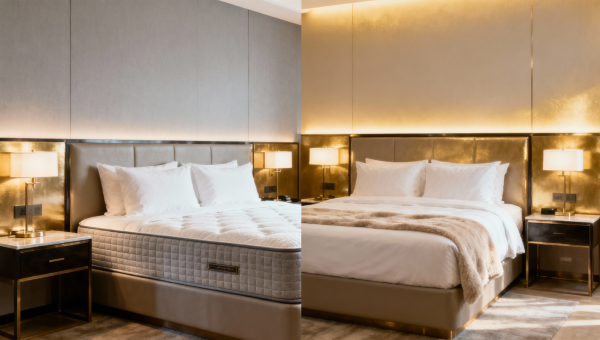
For most hotels, the most reliable answer is medium-firm with pressure-relieving comfort layers. This specification gives enough support for broad body-type compatibility while avoiding the rigid feel that triggers shoulder and hip pressure complaints. In procurement language, buyers often seek a balanced construction rather than a single “firmness number.” The full system includes mattress core, upholstery layers, topper strategy, foundation, and bed base stability.
A practical procurement rule is to avoid the two extremes unless the property concept specifically demands them. Very soft beds can produce body impressions faster in high-use rooms and may increase complaints from back sleepers. Very firm beds can feel durable on paper but often create comfort issues for lighter guests and side sleepers. For mixed guest profiles, a calibrated comfort stack is usually more important than a hard mattress alone.
The table below summarizes how hotel bed firmness typically performs across common hospitality segments. It is not a universal formula, but it helps buyers compare fit by guest mix, operational intensity, and brand promise.
The key takeaway is simple: for mixed guest profiles, a supportive medium or medium-firm mattress system usually gives the best operational balance. Hotels that want a softer perceived feel should add it through the upper comfort package, not by weakening the support core. This approach helps maintain comfort consistency across 12–24 months of heavy room turnover before mid-cycle performance review.
Should hotels use the same firmness in every room?
Not always. Standardizing one specification simplifies sourcing, inventory, and maintenance, but some properties benefit from a two-tier approach. For example, standard rooms can use one medium-firm hotel bed platform, while suites add a premium topper or upgraded mattress height. This keeps procurement manageable while supporting upsell strategy.
A second option is not changing the mattress core at all, but using different topper programs by room category. This is often more cost-efficient than stocking multiple mattress constructions, especially when distributors or operators need simpler after-sales replacement across regional projects.
Which technical specifications should buyers review beyond firmness?
Firmness alone does not explain hotel bed performance. In hotel furniture sourcing, buyers should examine support construction, material density, coil or foam behavior, ventilation, fire-safety compatibility, edge stability, and compatibility with bed bases and headboard systems. A mattress can test as “medium-firm” but still fail in a commercial environment if edge collapse, heat retention, or body impression develops too quickly.
For mixed guest profiles, 5 technical checkpoints matter most: pressure distribution, support recovery, edge support, motion isolation, and cleaning practicality. These affect both user comfort and operations. Housekeeping teams feel the difference when a mattress is too heavy to rotate, too delicate for repeated handling, or too thick for existing linen dimensions.
The table below helps procurement teams translate comfort discussion into a more practical hotel bed evaluation framework. It is especially useful during sample review, supplier comparison, and pre-award meetings.
These technical filters prevent a common mistake in hotel equipment purchasing: selecting by first-touch softness instead of whole-life performance. A bed that feels attractive for 30 seconds in a showroom can become expensive when complaints, topper additions, or early replacements appear across 150 rooms or more.
How the bed system affects firmness perception
Guests do not experience the mattress in isolation. Bed base construction, slat flexibility, platform rigidity, topper thickness, protector type, and even tightly tucked bedding can change the perceived firmness. A mattress on a rigid platform usually feels firmer than the same mattress on a more flexible support base.
This matters for hotel room furniture coordination. Procurement teams should test the full assembled system, not just mattress samples in a supplier showroom. A 3–5 cm topper can noticeably shift comfort perception, while an incompatible base can distort support and shorten product life.
Useful technical checklist before approval
- Confirm whether firmness testing is based on the mattress alone or the complete hotel bed system.
- Review total bed height after adding topper, protector, and standard linen package.
- Check whether edge support remains stable for elderly guests and frequent edge sitting.
- Ask about recommended rotation intervals, often every 3–6 months in heavy-use environments.
- Verify compatibility with local fire-safety, labeling, and material compliance requirements.
How should procurement teams compare options by scenario, budget, and risk?
For buyers, the right hotel bed is rarely the cheapest unit price. It is the option that best balances guest acceptance, service life, replacement planning, and brand consistency. Procurement teams should compare at least 3 dimensions at the same time: comfort suitability, operating durability, and project execution risk. This is especially relevant when sourcing across regions, opening on tight deadlines, or using OEM and ODM suppliers.
Budget-sensitive projects often default to firmer beds because they seem more durable. That can be partly true, but a too-firm specification may trigger compensating costs such as additional toppers, room-type complaints, or inconsistent review sentiment. In contrast, an over-soft bed may require faster replacement. The most efficient choice often sits in the middle and is supported by targeted accessories.
A scenario-based comparison makes decision-making easier for information researchers, purchasing teams, commercial evaluators, and distributors handling different buyer profiles. The table below can serve as a quick filter during supplier shortlisting.
A structured comparison also supports commercial evaluation. It helps teams explain why one mattress costs more than another without reducing the discussion to unit price. Delivery windows of 2–6 weeks for standard programs and longer lead times for custom hotel furniture packages should be factored into the award decision, especially when mattresses are sourced together with headboards, bases, bedside units, and other room furniture.
A practical 4-step procurement process
- Define the guest mix, room categories, and comfort positioning before requesting samples.
- Test at least 2–3 mattress constructions with the actual bed base and linen system.
- Run a pilot in live rooms for a short observation period, then review guest and housekeeping feedback.
- Confirm replacement planning, spare availability, labeling, and delivery schedule before final PO.
This process reduces mismatch risk, especially when teams are comparing multiple suppliers across countries. It also gives distributors and agents a stronger framework for presenting hotel bed solutions to owners and operators who need a clear decision logic.
What mistakes do buyers make when choosing hotel bed firmness?
One frequent mistake is assuming that firmer always means more durable. Durability depends on the whole construction, not only on surface feel. A properly engineered medium-firm mattress can outperform a hard but poorly built model. Another mistake is selecting based on management preference instead of actual guest diversity. Senior staff may personally prefer a certain feel, but a hotel bed should be chosen for population fit, not internal taste.
A third mistake is ignoring the role of accessories. Mattress protectors, toppers, and bed bases can significantly alter perceived comfort. If buyers approve a sample without those layers, the final in-room experience may differ. This creates confusion during project handover and can lead to disputes between hotel operators and suppliers.
There is also a common budgeting error: comparing only initial product cost and not the total cost of ownership. In hotel furniture procurement, a lower purchase price can become less competitive if it causes earlier replacement, higher complaint handling, or extra topper spending across 80, 120, or 300 rooms.
FAQ for hotel buyers and commercial evaluators
How firm should hotel beds be for couples with different sleeping preferences?
A medium to medium-firm specification is usually the safest choice. It gives enough support for heavier sleepers while remaining acceptable for many lighter sleepers. If the property targets premium comfort, adding a topper is often more practical than moving to an overall soft mattress. This preserves support while improving first-touch comfort.
Is a plush hotel bed a better choice for luxury properties?
Not necessarily. Luxury does not always mean soft. Many successful luxury hotels use a stable support core with a refined comfort layer, creating a plush feel at the surface but controlled support underneath. This performs better over time and aligns more closely with mixed guest expectations.
How often should hotels reassess mattress performance?
A practical schedule is to review mattress condition and guest feedback every 6–12 months, with more frequent checks in high-occupancy properties. Operational signs such as edge collapse, visible impressions, complaint patterns, or housekeeping difficulty are often more useful than waiting for end-of-life failure.
Can one standard hotel bed specification work across multiple brands or regions?
Yes, but only if the specification is broad enough to fit the target brand positioning and local guest expectations. A standardized medium-firm platform can work well across several properties, especially when it is supported by limited topper or room-category variations. Regional climate, local compliance needs, and bed size conventions should still be checked before rollout.
Why work with GCT when evaluating hotel bed sourcing strategies?
For buyers in hotel furniture, the challenge is not just finding a mattress supplier. It is connecting comfort expectations, project timelines, design standards, compliance requirements, and scalable sourcing into one workable commercial decision. GCT supports this process by bringing together market intelligence, sourcing logic, and category-specific guidance for hospitality groups, procurement teams, distributors, and commercial evaluators.
This is particularly valuable when bed selection must align with a wider hotel equipment program. Mattress firmness affects not only guest sleep, but also bed frames, linen fit, room positioning, and after-sales planning. A sourcing decision made in isolation can create mismatch costs later. A better approach is to evaluate the hotel bed as part of the full room furniture and hospitality operating context.
If you are comparing hotel beds for mixed guest profiles, GCT can help you structure the decision around product selection, comfort positioning, delivery timing, commercial practicality, and supplier screening. That includes discussions around sample strategy, room-type differentiation, material expectations, typical lead times, and how to balance universal comfort with commercial durability.
What you can discuss with us
- How to choose the right hotel bed firmness for mixed guest profiles, room categories, and brand positioning.
- How to compare standard versus custom hotel furniture sourcing programs for new openings or renovations.
- How to review delivery cycles, sample planning, and replacement strategy for multi-room or multi-site projects.
- How to align bed selection with hotel room furniture, housekeeping workflow, and basic compliance expectations.
- How distributors, agents, and project evaluators can simplify product portfolios without weakening market fit.
If your team needs support on parameter confirmation, product selection, delivery scheduling, customization scope, sample coordination, or quotation communication, GCT provides a practical starting point for more informed hospitality sourcing decisions.
Search News
Hot Articles
- Stage Lighting & TrussCCTV5 Snooker Broadcast Drives 37% Surge in Stage Lighting Export InquiriesApr 21, 2026
- Indoor PlaygroundVietnam Mandates Child Finger-Trap Sensors for Indoor Play EquipmentApr 21, 2026
- Stage Lighting & TrussGuangdong vs. Shanxi CBA Game Highlights Domestic Smart Arena LightingApr 21, 2026
Popular Tags
Need ExpertConsultation?
Connect with our specialized leisureengineering team for procurementstrategies.
Recommended News
 Apr 10, 2026RCEP Cuts ASEAN Hotel Furniture Tariffs to 0% for Chinese Bamboo ProductsRCEP cuts ASEAN hotel furniture tariffs to 0% for Chinese bamboo products. Explore how this benefits exporters, procurement teams & supply chains in Southeast Asia's booming hospitality sector.● Hospitality Sourcing Dir
 Apr 10, 2026US Hotel Association Updates 2026 Smart Room Tech Guidelines, Mandates UL 2900-2-2 CertificationUS Hotel Association mandates UL 2900-2-2 certification for smart room tech by 2026. Learn how this impacts IoT manufacturers and hotel chains' procurement strategies.● Hospitality Sourcing Dir
 Apr 10, 2026EU Mandates QR Codes for Hotel Linens: China Exporters Must Comply by April 2026EU mandates QR codes for hotel linens by 2026, impacting China's textile exporters. Learn compliance requirements for traceability, sustainability reporting, and supply chain adaptation.● Hospitality Sourcing Dir
 Apr 09, 2026Zibo Launches 'Treasure Shandong Through the Lens' Photo Tour, Themed Homestays Emerge as Cross-Border Marketing ToolDiscover Zibo's 'Treasure Shandong Through the Lens' photo tour featuring 32 themed homestays blending vintage cameras, Hanfu culture & industrial spaces. A groundbreaking cross-border marketing model attracting global influencers & platforms like Rakuten Travel.● Hospitality Sourcing Dir
 Apr 09, 2026Yangzhou Slender West Lake Flower Festival Opens, Blending Heritage and Tech for Luxury TourismDiscover the 2026 Yangzhou Slender West Lake Flower Festival, blending heritage crafts with AR technology for luxury tourism. Experience cultural performances, workshops, and themed stays attracting global travelers. Explore China's new era of experiential tourism.● Hospitality Sourcing Dir
 Apr 09, 2026New Team Travel Contracts Raise Compliance Standards for Overseas AgenciesNew team travel contracts enforce stricter compliance for overseas agencies, requiring rigorous vetting of Chinese suppliers. Learn how these 2026 regulations impact study tours, hotels, and global partnerships.● Hospitality Sourcing Dir
 Apr 09, 2026Shangyou County's Hotel Subsidy Policy Boosts China's MICE Tourism AppealShangyou County's 2026 hotel subsidy policy offers RMB 100 per room for MICE tourism, boosting China's appeal to international buyers. Discover how this strategic move enhances cost-effective accommodations for corporate events and study tours.● Hospitality Sourcing Dir
 Apr 21, 2026Open or closed hotel wardrobes for easier housekeeping?Hotel wardrobes affect housekeeping speed, guest appeal, and hospitality procurement. Compare open vs closed designs for hotel furniture, luxury furniture, and hotel room furniture planning.● Hospitality Sourcing Dir
 Apr 21, 2026Hotel wardrobes that fit luggage without wasting spaceHotel wardrobes that fit luggage smartly without wasting space—explore hotel furniture solutions that elevate hotel room furniture, support hospitality procurement, and enhance guest comfort.● Hospitality Sourcing Dir
 Apr 21, 2026Why hotel room furniture wears unevenly after openingHotel furniture wear starts unevenly from day one. Learn how hotel beds, hotel chairs, hotel desks and hotel room furniture perform in real use, with smart hospitality procurement tips.● Hospitality Sourcing Dir
 Apr 21, 2026Hotel room furniture packages that cut design mismatchHotel room furniture packages align hotel furniture, hotel beds, hotel chairs, hotel tables, and hotel desks with luxury furniture standards—reducing design mismatch and speeding hospitality procurement.● Hospitality Sourcing Dir
 Apr 21, 2026Low seat or deep seat hotel sofas for modern lobbies?Hotel furniture buyers compare low seat and deep seat hotel sofas for modern lobbies. Explore luxury furniture choices that improve comfort, traffic flow, brand image, and hospitality procurement value.● Hospitality Sourcing Dir
 Apr 21, 2026Hotel sofas that keep their shape in high traffic areasHotel sofas, hotel furniture, and hospitality furniture that keep shape in high-traffic areas—discover luxury furniture sourcing tips, durable commercial furniture specs, and smarter hospitality procurement.● Hospitality Sourcing Dir
 Apr 21, 2026Why hospitality furniture needs different specs by zoneHospitality furniture specs vary by zone. Learn how hotel furniture, hotel beds, hotel chairs, hotel tables, and hotel desks improve durability, ROI, and luxury guest experience.● Hospitality Sourcing Dir
 Apr 21, 2026Hospitality furniture that supports faster room turnoverHospitality furniture that speeds room turnover: compare hotel beds, hotel chairs, hotel tables, hotel desks and hotel sofas for easier cleaning, durability, and smarter hospitality procurement.● Hospitality Sourcing Dir
 Apr 21, 2026Where hotel equipment budgets usually go off trackHotel furniture and hotel equipment budgets often fail from hidden scope, logistics, and lifecycle costs. Learn smarter hospitality procurement for hotel beds, chairs, tables, and luxury furniture.● Hospitality Sourcing Dir
 Apr 21, 2026Hotel equipment upgrades that improve guest flow firstHotel equipment upgrades improve guest flow fast with hotel furniture, hotel beds, hotel chairs, catering equipment, and soundproofing materials—boost comfort, efficiency, and procurement ROI.● Hospitality Sourcing Dir
 Apr 21, 2026What shortens the life of commercial furniture in hotelsHotel furniture and commercial furniture wear out fast when hotel beds, hotel chairs, hotel tables, hotel desks, and hotel sofas face heavy use, poor maintenance, and weak materials. Learn smart hospitality procurement tips.● Hospitality Sourcing Dir
 Apr 21, 2026Commercial furniture trends hotels are actually adoptingCommercial furniture trends hotels are adopting: luxury furniture, hotel beds, hotel chairs, hotel tables and hotel sofas that improve hotel furniture sourcing, durability, and hospitality procurement value.● Hospitality Sourcing Dir
 Apr 21, 2026How to spot hotel furniture built for daily wearHotel furniture buying guide: learn how to assess hotel beds, hotel chairs, hotel tables, and hospitality furniture for daily wear, lower maintenance, and smarter hospitality procurement.● Hospitality Sourcing Dir
 Apr 21, 2026Hotel furniture mistakes that age a room too quicklyHotel furniture buying guide: avoid costly hotel beds, hotel chairs, and hotel room furniture mistakes. Discover luxury furniture tips for durable, brand-right hospitality procurement.● Hospitality Sourcing Dir
 Apr 21, 2026Why some soundproofing materials fail after installationLearn why soundproofing materials fail after installation in hotel furniture projects. Explore hotel beds, hotel sofas, hotel wardrobes and hospitality procurement tips for lasting acoustic performance.● Hospitality Sourcing Dir
 Apr 21, 2026Soundproofing materials that work best between guest roomsSoundproofing materials for hotel furniture projects: discover the best systems between guest rooms, from mineral wool to acoustic doors, to improve comfort, protect reviews, and support hospitality procurement.● Hospitality Sourcing Dir
 Apr 21, 2026How firm should hotel beds be for mixed guest profiles?Hotel beds for mixed guest profiles: learn how hotel furniture and hospitality procurement teams balance comfort, durability, and luxury furniture standards to improve guest satisfaction.● Hospitality Sourcing Dir