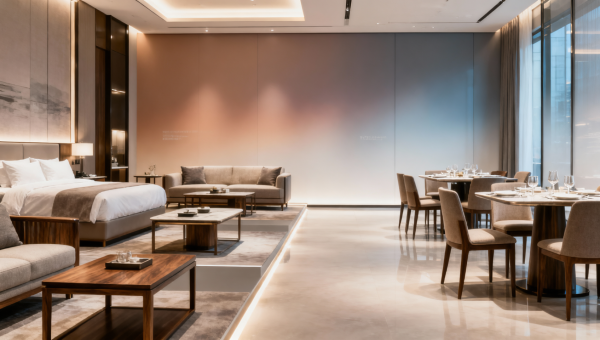
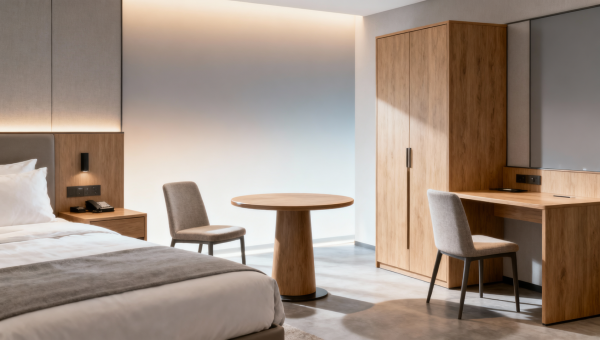
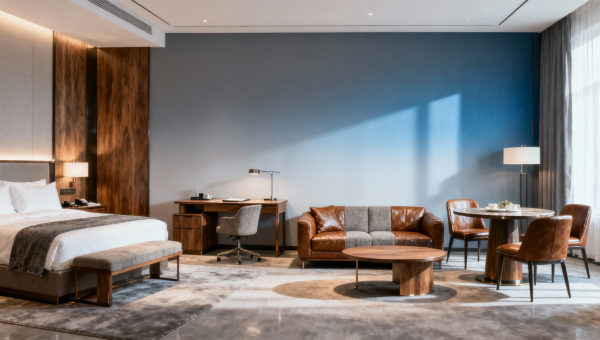
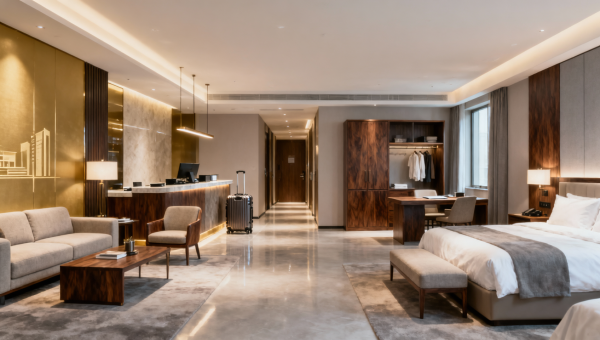
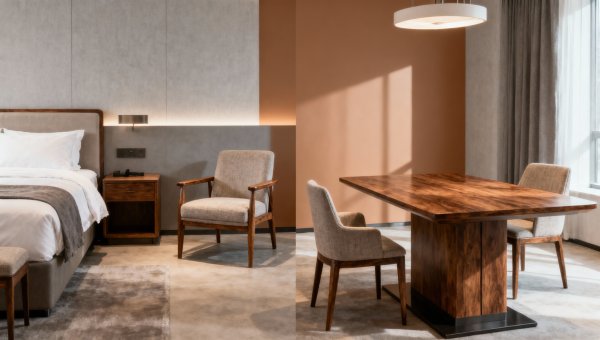
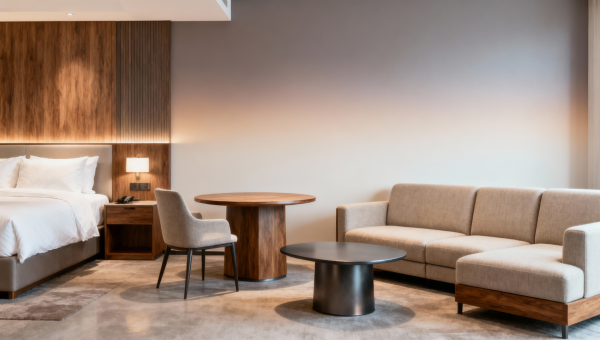
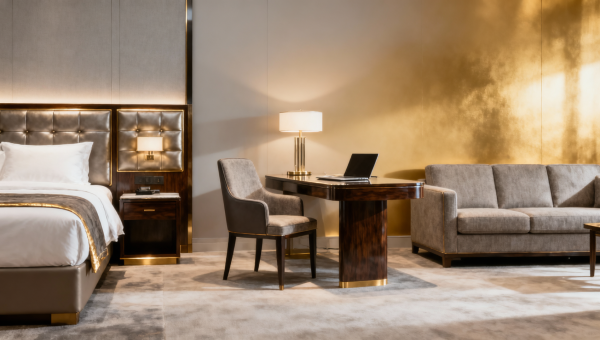
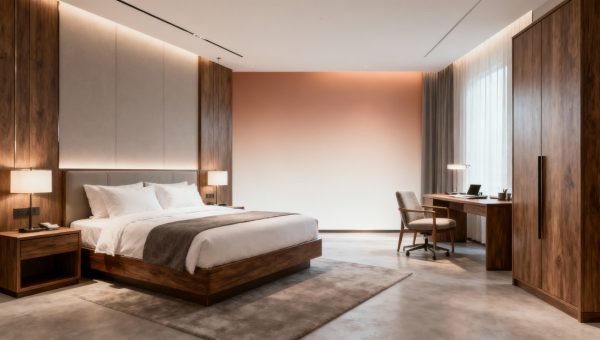
Hotel room furniture packages that cut design mismatch
Design mismatch can quietly erode guest perception and project ROI. For buyers comparing hotel room furniture, luxury furniture, hotel beds, hotel chairs, hotel tables, hotel desks, hotel wardrobes, and hotel sofas, bundled hotel furniture packages offer a smarter path to visual consistency, faster hospitality procurement, and better coordination with commercial furniture, hotel equipment, catering equipment, and even soundproofing materials.
Why do hotel room furniture packages reduce design mismatch better than piecemeal sourcing?
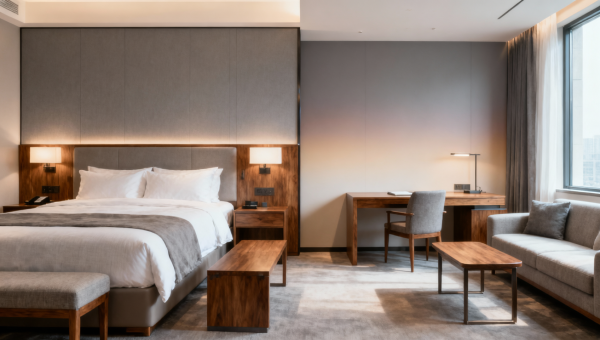
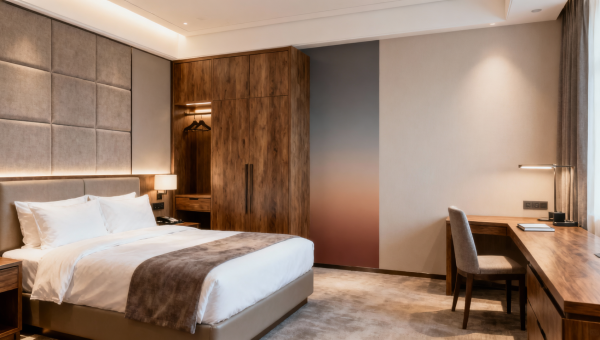
In hotel furnishing projects, mismatch rarely starts with one obvious mistake. It usually appears in small gaps between finishes, dimensions, hardware tones, upholstery textures, and room function planning. A bed headboard may suit the rendering, while the hotel desk arrives with a different veneer tone and the hotel chair seat height does not align with the vanity or table. When procurement teams source each item separately, these gaps multiply across 50, 120, or 300 rooms.
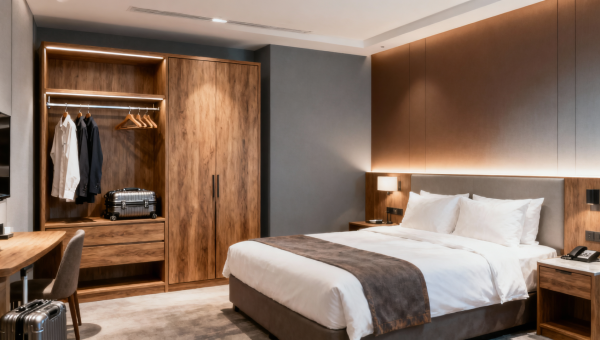
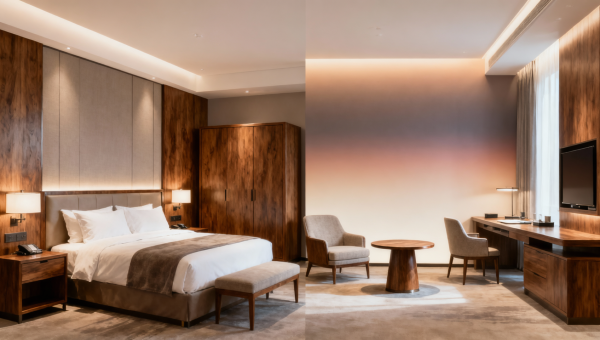
Hotel room furniture packages solve this by aligning product families before production begins. Instead of evaluating hotel beds, hotel wardrobes, hotel tables, hotel sofas, and casegoods as isolated purchases, buyers can review a coordinated package with matching material boards, approved color codes, hardware options, and room-use logic. This reduces the risk of visual inconsistency and shortens decision cycles during pre-opening procurement.
For information researchers and business evaluators, the package approach also improves comparison quality. It is easier to compare one complete room solution against another than to compare 8 separate categories across several suppliers. In practice, many hospitality projects are reviewed in 3 stages: concept approval, sample confirmation, and production release. A package structure supports all 3 stages more efficiently.
For distributors and agents, bundled hotel furniture packages are easier to position in target markets because they connect design language with procurement predictability. Instead of selling only luxury furniture aesthetics, the package can be presented as a commercial solution that also considers cleaning frequency, turnover pressure, installation sequence, and coordination with hotel equipment and soft-opening schedules.
Typical mismatch risks in guestroom projects
- Material inconsistency: laminated panels, veneer grains, metal trims, and fabric textures vary between suppliers even when color names look similar on paper.
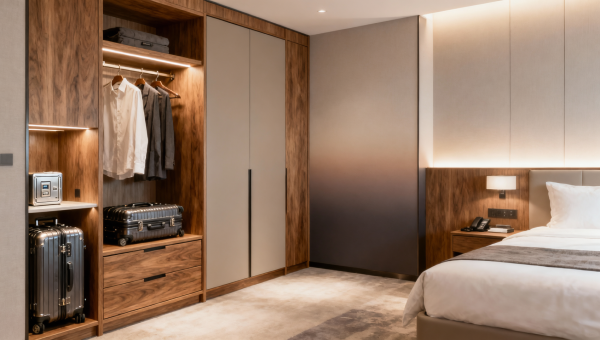
- Functional mismatch: hotel chairs may not fit desk knee space, luggage benches may block circulation, and wardrobes may reduce accessible opening clearance.
- Delivery mismatch: one supplier works on a 4–6 week lead time while another requires 8–10 weeks, disrupting room installation sequencing.
- Compliance mismatch: flame-retardant expectations, formaldehyde limits, and packaging requirements may differ by destination market.
This is where GCT adds value for professional buyers. Because GCT focuses on commercial spaces and specialized sourcing, it helps decision-makers look beyond surface styling and assess whether a hotel room furniture package works as a coordinated procurement solution. That means connecting design intent with supply chain reliability, international buyer expectations, and category-level fit across hospitality projects.
What should buyers compare inside a hotel furniture package?
A strong package should be evaluated as a room system rather than a loose bundle of products. Buyers should compare structure, material consistency, function density, maintenance practicality, and coordination with hotel operating standards. In most guestroom programs, 5 core categories deserve immediate review: sleeping area, storage, work area, seating, and circulation support. If one category is weak, the whole room experience can feel compromised.
Procurement teams should also verify how the package supports different room types. A standard king room, twin room, accessible room, and suite may share a design language but require different furniture dimensions and placement logic. Good suppliers build package flexibility into the specification process, often through 2–4 room typology variants, without creating a visually fragmented result.
The table below outlines a practical comparison framework for hotel room furniture packages. It is useful for purchasing managers, commercial evaluators, and distribution partners who need a structured checklist before moving to samples, quotations, or factory review.
This comparison method highlights a key point: the best hotel furniture package is not always the one with the most decorative detail. It is the one that holds design consistency under commercial use conditions. For many midscale to upscale hotels, practical dimensions, easy maintenance, and room-to-room finish consistency deliver more long-term value than isolated statement pieces.
Package vs individual item sourcing
When teams buy hotel chairs, hotel tables, hotel wardrobes, and hotel sofas from separate channels, they may gain short-term price flexibility but lose control over integration. Separate sourcing can work for boutique renovations or low-volume top-up orders, yet it usually adds coordination work in sampling, finish approval, and warranty discussion. For a new hotel or multi-floor refresh, the total management cost often rises, even if individual line-item prices appear lower.
Where packaged sourcing usually performs better
- Projects with 50+ rooms that require repeatable appearance and predictable installation flow.
- Properties balancing luxury furniture styling with commercial furniture durability requirements.
- Buyers coordinating furniture with hotel equipment, in-room appliances, lighting, and soundproofing materials.
- Dealer or agent programs that need a scalable package for multiple local bids.
Through GCT, buyers can review suppliers and project information in a more strategic way. Instead of treating procurement as a simple catalog exercise, they can assess capability, customization range, and sourcing alignment across the broader hospitality environment. That is especially useful when furniture decisions affect not just design but guest comfort, acoustic control, room turnover, and maintenance cost.
How to choose the right hotel room furniture package for different property types
Not every hotel needs the same package depth. A business hotel may prioritize compact layouts, robust desk use, and easy-clean seating, while a resort may emphasize larger wardrobes, softer lounge elements, and more expressive luxury furniture finishes. Selecting the right hotel room furniture package starts with property positioning, ADR goals, guest stay patterns, and room maintenance realities.
In practice, buyers should classify demand into at least 3 segments: economy to midscale, upscale business, and luxury or lifestyle hospitality. Each segment has different expectations for visual detail, material layering, and replacement cycles. For example, a high-traffic urban property may need stronger edge protection and simpler upholstery, while a premium suite program can support more customized joinery and layered textures.
A useful way to select packages is to map room type, budget control, and service intensity together. If housekeeping turnover is high and occupancy is strong, highly decorative furniture may create avoidable maintenance pressure. On the other hand, if brand differentiation depends on signature interiors, a basic package may underperform commercially even if the upfront quote is lower.
The following table compares common package priorities by hotel segment. It helps procurement teams and distributors narrow down which package structure is most suitable before moving into detailed engineering drawings or sample approvals.
The table shows why selection should not be based on style mood boards alone. Hotel beds, hotel tables, and hotel desks have to match room usage intensity, cleaning methods, and guest expectations. A package that looks strong in a render but weak in edge detailing or dimension planning can create avoidable operating costs within the first 6–12 months of use.
A 4-step package selection workflow
- Define room standards by type: standard room, twin, accessible room, and suite should each have an approved furniture matrix.
- Lock finish direction early: confirm 3–5 key surfaces such as wood tone, metal color, upholstery family, stone-look accents, and hardware finish.
- Review mock-up fit: test circulation, power access, luggage placement, and cleaning access before mass production.
- Align final package with logistics: split shipments by floor, room set, or installation phase to reduce site confusion.
This workflow becomes more reliable when buyers work with a sourcing platform that understands commercial project sequencing. GCT supports that process by connecting industry intelligence, supplier positioning, and category-specific procurement priorities, which is particularly useful when the project includes not just furniture but a wider hospitality purchasing scope.
Which technical and compliance details matter before ordering?
Design harmony is important, but commercial hotel furniture also has to perform under repeated use. Buyers should ask for practical technical details before confirming a package, especially for hotel beds, chairs, sofas, wardrobes, and desks. The most relevant points usually include substrate type, edge finishing method, upholstery specification, hardware grade, and assembly approach. These factors affect durability, maintenance, and room downtime when repairs are needed.
Compliance expectations vary by market, but hospitality buyers commonly review fire behavior, emissions, labeling, packaging, and transport readiness. If furniture packages will enter multiple regions, teams should clarify applicable standards at the RFQ stage rather than after sampling. This avoids redesign delays that can add 2–6 weeks to approval cycles, especially when fabrics, foam, or panel boards need to be changed.
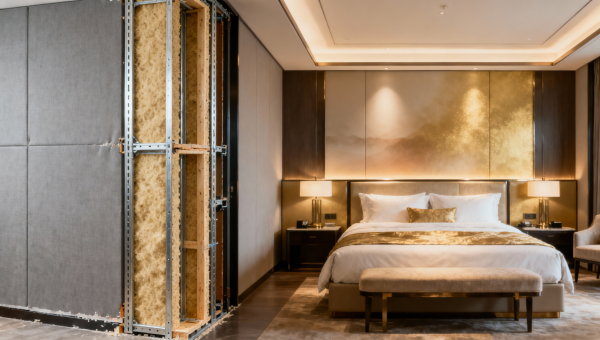
Technical coordination also matters because hotel furniture rarely works alone. Headboards may integrate lighting or power, wardrobes may need safe cut-outs, and side panels may sit near soundproofing materials or MEP interfaces. If the package lacks dimensional coordination, site adjustments can damage finish consistency and create extra labor costs during installation.
Below is a practical pre-order checklist that buyers can use when reviewing a hotel room furniture package with suppliers, agents, or factory representatives.
6 key technical checks before production release
- Confirm room dimensions and furniture tolerances, especially for wardrobe depth, desk returns, and bedside circulation clearances.
- Review upholstery and surface maintenance guidance, including cleaning method frequency for fabrics, laminates, and metal trims.
- Check hardware and moving parts on drawers, wardrobe doors, and integrated storage to support repeated guest use.
- Verify whether flat-pack or assembled delivery is planned, as this affects installation time, site handling, and packaging volume.
- Clarify destination-market compliance expectations for fire performance, emissions, and any project-specific documentation.
- Match furniture interfaces with hotel equipment, electrical points, and soundproofing build-ups before final shop drawings are released.
Lead time and sample planning
For many hotel projects, a realistic sample cycle runs 2–4 weeks depending on customization depth, while mass production may require 6–10 weeks after approved drawings and materials. Imported fabrics, special veneers, or custom metal details can extend that range. Buyers who compare only quoted unit prices without lead-time mapping often underestimate the real project risk.
GCT’s commercial focus is helpful here because the platform is built around sourcing intelligence, not just product display. For procurement teams, that means a better framework for asking the right technical questions early: what can be standardized, what needs mock-up validation, and what parts of the package may affect delivery reliability across international projects.
What mistakes do buyers often make, and how can they avoid them?
One common mistake is treating a hotel furniture package as a visual bundle instead of an operational system. A room may look coherent in renderings, but if the hotel sofa stains easily, the desk edge chips under luggage contact, or the wardrobe layout does not support guest use, the package underperforms. In hospitality, poor fit often appears after opening, when replacement or adjustment becomes more expensive.
Another mistake is over-customizing too early. Many buyers request large changes across hotel beds, hotel chairs, hotel tables, and wardrobes before they finalize room dimensions and mock-up feedback. This can create design drift, approval delays, and inconsistent detailing between room types. A better approach is to standardize 70%–80% of the package and customize only the elements that visibly define brand character.
A third issue is failing to account for lifecycle cost. A lower initial quotation may not be the better commercial choice if surfaces require frequent repair, spare parts are not available, or replacement matching becomes difficult after 12 months. Hotel furniture packages should be evaluated on acquisition cost, operating practicality, and continuity of supply, especially for multi-property buyers and regional distributors.
The final mistake is weak cross-category coordination. Furniture decisions often affect hotel equipment layout, catering equipment back-of-house logistics, and acoustic or finishing interfaces in guestrooms. In a real commercial environment, procurement is interconnected. When buyers view furniture packages as part of a larger hospitality sourcing plan, project control improves.
FAQ for hotel room furniture package buyers
How many items are usually included in a standard guestroom package?
A standard package often includes 6–10 core items, such as hotel bed base or headboard, bedside tables, hotel desk, hotel chair, luggage bench, wardrobe, TV unit, and occasional seating. Premium packages may add hotel sofas, minibar cabinetry, decorative panels, or integrated vanity solutions. The right count depends on room size, segment positioning, and housekeeping workflow.
What is the usual procurement timeline?
For many projects, early selection and sampling can take 2–4 weeks, followed by 6–10 weeks for production after approvals. Shipping and site installation add further time depending on route and packaging method. If the package includes custom luxury furniture elements or imported materials, buyers should allow extra buffer rather than compressing the approval stage.
Are furniture packages suitable for renovation projects?
Yes, especially when the goal is to refresh multiple rooms without visual inconsistency. However, renovation projects require stronger dimensional verification because existing walls, MEP points, and soundproofing layers may differ from original drawings. A mock-up room and detailed site measurement are usually more important in renovation than in new-build environments.
What should distributors and agents ask suppliers first?
Start with 5 points: package scope, customization options, sample timing, production lead time, and compliance support for target markets. Then ask how the supplier manages finish consistency across hotel beds, chairs, tables, wardrobes, and sofas. This reveals whether the offer is a true hotel room furniture package or simply a grouped quotation.
Why work with GCT when evaluating hotel furniture packages?
For commercial buyers, the challenge is rarely just finding furniture. The real challenge is finding a solution that balances design intent, operational practicality, sourcing clarity, and market-specific procurement needs. GCT is positioned for exactly this type of decision. Its focus on commercial experiences and specialized B2B sectors helps buyers evaluate hotel furniture packages with a broader and more strategic lens.
That matters for procurement teams, business evaluators, and channel partners who need more than a supplier list. They need insight into package logic, sourcing fit, OEM or ODM relevance, and how furniture decisions connect with hotel equipment, commercial interiors, and overall project delivery. In short, GCT supports better judgment, not just faster browsing.
If you are reviewing hotel room furniture, luxury furniture, hotel beds, hotel chairs, hotel tables, hotel desks, hotel wardrobes, or hotel sofas for an upcoming project, GCT can help you narrow the decision with practical commercial criteria. That includes package scope review, material direction, customization feasibility, lead-time discussion, and sourcing alignment for different property types.
Contact us to discuss the points that matter before you commit: room package composition, finish matching, sample support, delivery scheduling, certification expectations, project-specific customization, and quotation comparison. For buyers planning a new opening, renovation, dealership expansion, or regional sourcing strategy, a well-structured conversation now can prevent costly mismatch later.
Search News
Hot Articles
- Stage Lighting & TrussCCTV5 Snooker Broadcast Drives 37% Surge in Stage Lighting Export InquiriesApr 21, 2026
- Indoor PlaygroundVietnam Mandates Child Finger-Trap Sensors for Indoor Play EquipmentApr 21, 2026
- Stage Lighting & TrussGuangdong vs. Shanxi CBA Game Highlights Domestic Smart Arena LightingApr 21, 2026
Popular Tags
Need ExpertConsultation?
Connect with our specialized leisureengineering team for procurementstrategies.
Recommended News
 Apr 10, 2026RCEP Cuts ASEAN Hotel Furniture Tariffs to 0% for Chinese Bamboo ProductsRCEP cuts ASEAN hotel furniture tariffs to 0% for Chinese bamboo products. Explore how this benefits exporters, procurement teams & supply chains in Southeast Asia's booming hospitality sector.● Hospitality Sourcing Dir
 Apr 10, 2026US Hotel Association Updates 2026 Smart Room Tech Guidelines, Mandates UL 2900-2-2 CertificationUS Hotel Association mandates UL 2900-2-2 certification for smart room tech by 2026. Learn how this impacts IoT manufacturers and hotel chains' procurement strategies.● Hospitality Sourcing Dir
 Apr 10, 2026EU Mandates QR Codes for Hotel Linens: China Exporters Must Comply by April 2026EU mandates QR codes for hotel linens by 2026, impacting China's textile exporters. Learn compliance requirements for traceability, sustainability reporting, and supply chain adaptation.● Hospitality Sourcing Dir
 Apr 09, 2026Zibo Launches 'Treasure Shandong Through the Lens' Photo Tour, Themed Homestays Emerge as Cross-Border Marketing ToolDiscover Zibo's 'Treasure Shandong Through the Lens' photo tour featuring 32 themed homestays blending vintage cameras, Hanfu culture & industrial spaces. A groundbreaking cross-border marketing model attracting global influencers & platforms like Rakuten Travel.● Hospitality Sourcing Dir
 Apr 09, 2026Yangzhou Slender West Lake Flower Festival Opens, Blending Heritage and Tech for Luxury TourismDiscover the 2026 Yangzhou Slender West Lake Flower Festival, blending heritage crafts with AR technology for luxury tourism. Experience cultural performances, workshops, and themed stays attracting global travelers. Explore China's new era of experiential tourism.● Hospitality Sourcing Dir
 Apr 09, 2026New Team Travel Contracts Raise Compliance Standards for Overseas AgenciesNew team travel contracts enforce stricter compliance for overseas agencies, requiring rigorous vetting of Chinese suppliers. Learn how these 2026 regulations impact study tours, hotels, and global partnerships.● Hospitality Sourcing Dir
 Apr 09, 2026Shangyou County's Hotel Subsidy Policy Boosts China's MICE Tourism AppealShangyou County's 2026 hotel subsidy policy offers RMB 100 per room for MICE tourism, boosting China's appeal to international buyers. Discover how this strategic move enhances cost-effective accommodations for corporate events and study tours.● Hospitality Sourcing Dir
 Apr 21, 2026Open or closed hotel wardrobes for easier housekeeping?Hotel wardrobes affect housekeeping speed, guest appeal, and hospitality procurement. Compare open vs closed designs for hotel furniture, luxury furniture, and hotel room furniture planning.● Hospitality Sourcing Dir
 Apr 21, 2026Hotel wardrobes that fit luggage without wasting spaceHotel wardrobes that fit luggage smartly without wasting space—explore hotel furniture solutions that elevate hotel room furniture, support hospitality procurement, and enhance guest comfort.● Hospitality Sourcing Dir
 Apr 21, 2026Why hotel room furniture wears unevenly after openingHotel furniture wear starts unevenly from day one. Learn how hotel beds, hotel chairs, hotel desks and hotel room furniture perform in real use, with smart hospitality procurement tips.● Hospitality Sourcing Dir
 Apr 21, 2026Hotel room furniture packages that cut design mismatchHotel room furniture packages align hotel furniture, hotel beds, hotel chairs, hotel tables, and hotel desks with luxury furniture standards—reducing design mismatch and speeding hospitality procurement.● Hospitality Sourcing Dir
 Apr 21, 2026Low seat or deep seat hotel sofas for modern lobbies?Hotel furniture buyers compare low seat and deep seat hotel sofas for modern lobbies. Explore luxury furniture choices that improve comfort, traffic flow, brand image, and hospitality procurement value.● Hospitality Sourcing Dir
 Apr 21, 2026Hotel sofas that keep their shape in high traffic areasHotel sofas, hotel furniture, and hospitality furniture that keep shape in high-traffic areas—discover luxury furniture sourcing tips, durable commercial furniture specs, and smarter hospitality procurement.● Hospitality Sourcing Dir
 Apr 21, 2026Why hospitality furniture needs different specs by zoneHospitality furniture specs vary by zone. Learn how hotel furniture, hotel beds, hotel chairs, hotel tables, and hotel desks improve durability, ROI, and luxury guest experience.● Hospitality Sourcing Dir
 Apr 21, 2026Hospitality furniture that supports faster room turnoverHospitality furniture that speeds room turnover: compare hotel beds, hotel chairs, hotel tables, hotel desks and hotel sofas for easier cleaning, durability, and smarter hospitality procurement.● Hospitality Sourcing Dir
 Apr 21, 2026Where hotel equipment budgets usually go off trackHotel furniture and hotel equipment budgets often fail from hidden scope, logistics, and lifecycle costs. Learn smarter hospitality procurement for hotel beds, chairs, tables, and luxury furniture.● Hospitality Sourcing Dir
 Apr 21, 2026Hotel equipment upgrades that improve guest flow firstHotel equipment upgrades improve guest flow fast with hotel furniture, hotel beds, hotel chairs, catering equipment, and soundproofing materials—boost comfort, efficiency, and procurement ROI.● Hospitality Sourcing Dir
 Apr 21, 2026What shortens the life of commercial furniture in hotelsHotel furniture and commercial furniture wear out fast when hotel beds, hotel chairs, hotel tables, hotel desks, and hotel sofas face heavy use, poor maintenance, and weak materials. Learn smart hospitality procurement tips.● Hospitality Sourcing Dir
 Apr 21, 2026Commercial furniture trends hotels are actually adoptingCommercial furniture trends hotels are adopting: luxury furniture, hotel beds, hotel chairs, hotel tables and hotel sofas that improve hotel furniture sourcing, durability, and hospitality procurement value.● Hospitality Sourcing Dir
 Apr 21, 2026How to spot hotel furniture built for daily wearHotel furniture buying guide: learn how to assess hotel beds, hotel chairs, hotel tables, and hospitality furniture for daily wear, lower maintenance, and smarter hospitality procurement.● Hospitality Sourcing Dir
 Apr 21, 2026Hotel furniture mistakes that age a room too quicklyHotel furniture buying guide: avoid costly hotel beds, hotel chairs, and hotel room furniture mistakes. Discover luxury furniture tips for durable, brand-right hospitality procurement.● Hospitality Sourcing Dir
 Apr 21, 2026Why some soundproofing materials fail after installationLearn why soundproofing materials fail after installation in hotel furniture projects. Explore hotel beds, hotel sofas, hotel wardrobes and hospitality procurement tips for lasting acoustic performance.● Hospitality Sourcing Dir
 Apr 21, 2026Soundproofing materials that work best between guest roomsSoundproofing materials for hotel furniture projects: discover the best systems between guest rooms, from mineral wool to acoustic doors, to improve comfort, protect reviews, and support hospitality procurement.● Hospitality Sourcing Dir
 Apr 21, 2026How firm should hotel beds be for mixed guest profiles?Hotel beds for mixed guest profiles: learn how hotel furniture and hospitality procurement teams balance comfort, durability, and luxury furniture standards to improve guest satisfaction.● Hospitality Sourcing Dir