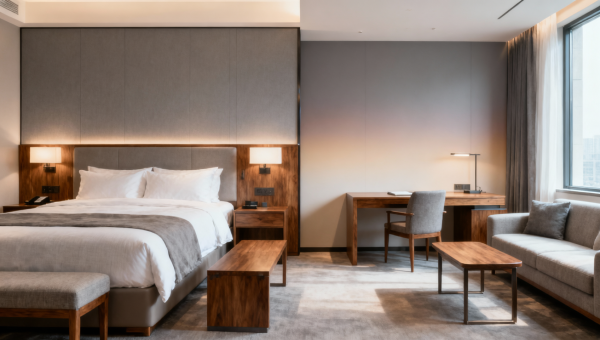
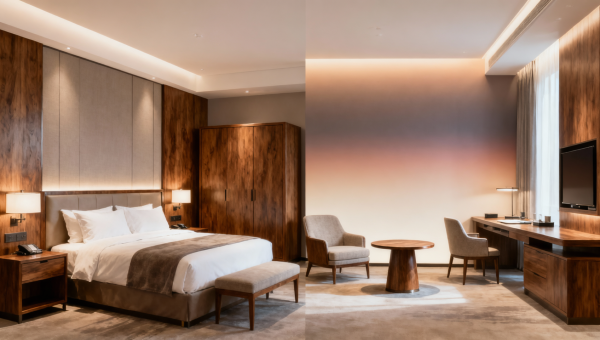
Hotel furniture mistakes that age a room too quickly
Luxury hotel furniture can make a room feel timeless—or make it look dated far too soon. From poorly scaled hotel beds and hotel chairs to trend-driven hotel tables, hotel desks, hotel sofas, and hotel wardrobes, the wrong choices weaken both guest perception and hospitality procurement value. This guide explores the most common hotel room furniture mistakes and shows how commercial furniture buyers can select durable, brand-aligned hospitality furniture that protects long-term performance.
For procurement teams, commercial evaluators, and hotel furniture distributors, the issue is rarely a single bad item. Rooms age quickly when several small specification errors combine: oversized bed frames, fragile veneers, poor drawer hardware, mismatched finishes, or layouts that ignore cleaning access and guest flow. In a renovation cycle that often runs 5 to 8 years, these mistakes can damage rate perception long before the next capex window arrives.
In B2B hospitality sourcing, furniture should not be judged only by showroom appearance. It must hold up under daily occupancy, housekeeping routines, luggage impact, moisture fluctuation, and changing guest expectations. That is why buyers working with sourcing intelligence platforms such as Global Commercial Trade increasingly compare hotel room furniture by life-cycle fit, replacement risk, lead time, customization flexibility, and brand consistency—not just unit price.
Why Some Hotel Rooms Look Old in Just 24 Months
A room can feel outdated within 18 to 24 months even when the furniture is technically still usable. The reason is usually visual fatigue paired with operational wear. In luxury and upper-upscale segments, guests notice the first signs of decline quickly: sagging upholstery, chipped corners, glossy surfaces that scratch too easily, and proportions that looked dramatic in concept boards but feel awkward in a real guest room.
The most common aging trigger is overcommitting to fashion-led furniture. A trendy boucle hotel sofa, extra-thick sculptural bed base, or strongly tinted wood finish may photograph well during opening season. However, if the design language is too tied to a short-lived trend, the room starts looking dated far earlier than a neutral, well-balanced hospitality furniture program would.
Another issue is that procurement teams sometimes evaluate products in isolation instead of as a room system. A hotel desk may be acceptable on its own, and a hotel chair may also pass review, but when combined with an oversized wardrobe and a heavy bedside table, the room loses visual breathing space. In a standard room footprint of 28 to 36 square meters, even a 100 to 150 mm oversizing error can change circulation quality.
Operational wear compounds the design problem. Furniture that receives contact 20 to 40 times per day—such as chair arms, desk edges, bed corners, and wardrobe handles—needs different material logic from decorative casegoods in low-touch areas. When high-contact pieces are specified with residential-grade detailing, the room ages faster in both appearance and maintenance cost.
Early-aging signals buyers should track
- Visible edge wear in the first 6 to 12 months on laminate, veneer, or painted surfaces.
- Seat foam compression above acceptable comfort level after 12 to 18 months of regular occupancy.
- Drawer slide looseness, hinge misalignment, or hardware finish loss within the first 2 years.
- Design features that block housekeeping access and increase cleaning time by 3 to 5 minutes per room.
The Biggest Hotel Furniture Specification Mistakes
The first major mistake is poor scale control. Hotel beds that are too visually heavy make a room feel smaller, while hotel chairs with deep seats often become uncomfortable for business travelers working at a desk. Hotel tables and nightstands that are too low create usability problems, especially in upscale rooms where guests expect integrated charging, easier luggage access, and practical bedside storage.
The second mistake is selecting finishes for sample-room appeal instead of long-term service conditions. High-gloss tops, soft metallic trims, or delicate stone-look coatings can lose value quickly when exposed to suitcase impacts, beverage spills, and repeated cleaning chemicals. For many hotel furniture programs, matte or low-sheen finishes with better scratch disguise performance deliver stronger long-term visual stability.
A third issue is inconsistent material specification across room categories. If standard rooms use one wood tone, suites use another, and replacement stock follows a third batch without strict finish control, the property loses coherence over time. For hotels with phased procurement over 2 to 3 years, finish repeatability and batch management are as important as the initial design concept.
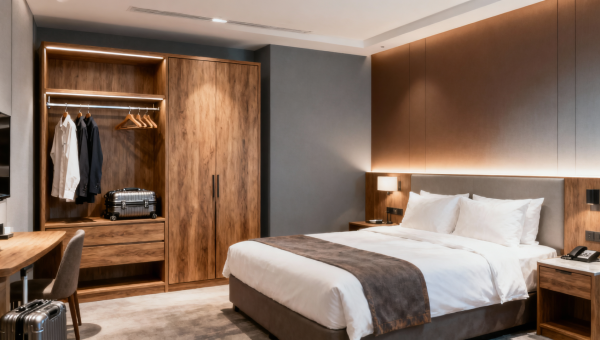
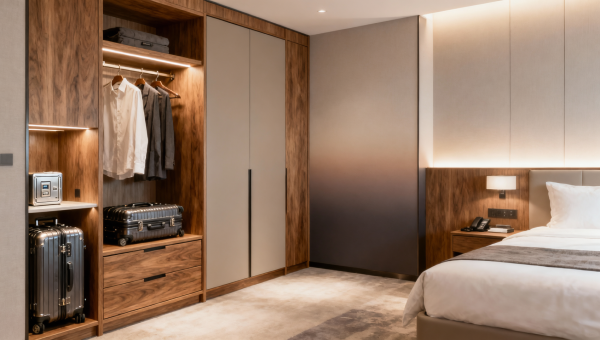
The fourth mistake is underestimating functional stress points. Hotel wardrobes need reliable hinges, adequate hanging depth, and luggage-adjacent durability. Hotel desks need cable management and enough knee clearance. Hotel sofas need cleanable fabrics and density that resists collapse. When any of these are overlooked, the room may still look acceptable on opening day but begins declining in performance much sooner than expected.
Furniture elements most likely to age badly
The table below compares common hotel room furniture choices that often lead to premature visual aging, together with more stable alternatives for hospitality procurement teams.
The key takeaway is that hotel room furniture should be specified by actual use intensity. Visually quieter products often outperform highly expressive ones over a 5-year operating window, especially in projects where maintenance teams must preserve room presentation with limited downtime.
A practical 4-point review before approval
- Check room circulation after full installation, not just on a drawing.
- Test finish resistance on top edges, kick zones, and luggage contact areas.
- Confirm replacement continuity for hardware, fabrics, and finish batches.
- Review cleaning access, especially under beds, around sofas, and near wardrobes.
How to Choose Hotel Furniture That Stays Current Longer
The best long-life hotel furniture is not bland. It is controlled. Buyers should aim for a design framework where 70% to 80% of visible furniture is based on enduring forms, neutral material language, and flexible detailing. The remaining 20% to 30% can deliver identity through accent upholstery, art integration, or removable decorative elements that are easier to refresh during soft renovation.
Hotel beds, hotel tables, and hotel desks should anchor the room with stable geometry and durable finishes. Sofas, lounge chairs, and decorative panels can carry more of the seasonal personality. This approach helps hotels preserve brand alignment while avoiding a full replacement cycle simply because one fashion-led item has become dated.
Material consistency also matters. Buyers evaluating hospitality furniture suppliers should request finish boards under actual room lighting and compare them across at least 3 use cases: daylight, warm evening light, and cleaning-condition light. A tone that looks refined in a sample room can appear yellow, flat, or harsh when repeated across 150 rooms.
For global sourcing, it is also wise to balance customization with repeatability. An overly customized hotel wardrobe or desk may support the design brief, but if replacement parts require a 10 to 14 week lead time, operational resilience suffers. Standardized subcomponents within a customized visual shell often provide the best commercial result.
Selection priorities by procurement objective
The following matrix helps commercial buyers compare hotel furniture decisions based on aesthetics, durability, and service practicality.
This comparison shows why experienced hospitality procurement teams increasingly treat durability, appearance retention, and replacement planning as one package. A room does not stay current just because the initial design is attractive; it stays current because the furniture program was built to absorb real operational stress.
Core specification benchmarks
- Seat foam and upholstery should be selected for repeated commercial use, not residential display comfort only.
- Desk heights, bedside proportions, and wardrobe access should be tested against target guest profiles and room category standards.
- Replacement planning should cover at least 3 years for hardware and high-touch finish continuity.
- Mock-up review should include housekeeping, engineering, and procurement—not only design stakeholders.
Procurement Checks That Prevent Fast Obsolescence
Many hotel furniture mistakes occur before production starts. Buyers should use a structured review process that covers sample approval, material validation, engineering details, and post-install support. In practice, a 5-step procurement workflow reduces the chance of premature room aging more effectively than relying on visual signoff alone.
First, review the mock-up room under realistic operating conditions. Open every drawer, move every chair, check luggage impact areas, and evaluate seating posture for at least 10 to 15 minutes. Short inspections often miss ergonomic discomfort and functional conflict. A sofa that looks elegant for 30 seconds may feel unstable after a proper test.
Second, request a finish and hardware schedule with replacement logic. Procurement teams should know which components can be sourced in 2 to 4 weeks and which might require 8 to 12 weeks. This matters for hotel desks, bedside tables, and wardrobes where small hardware failures can visibly downgrade room quality if spares are unavailable.
Third, compare suppliers on project management discipline, not just manufacturing range. In hospitality furniture, delayed approvals, inconsistent detailing, and incomplete packing protection often create hidden costs. Distributors and agents evaluating OEM or ODM partners should pay attention to drawing revision control, sample turnaround, and claims response within defined service windows.
Recommended procurement control points
- Concept review: confirm brand style, target room category, and renovation cycle expectation.
- Technical review: verify dimensions, substrate, hardware, upholstery, and finish compatibility.
- Mock-up evaluation: test comfort, cleaning access, lighting effect, and guest circulation.
- Production control: inspect approved samples, tolerances, packaging, and batch consistency.
- Post-install review: track early wear points during the first 90 days of operation.
Risk indicators for buyers and distributors
If a supplier cannot clearly explain substrate choice, edge protection detail, upholstery cleanability, or spare-parts planning, the risk of premature aging rises significantly. The same applies when hotel chairs, hotel sofas, or hotel tables are presented with strong styling but without service data, packaging detail, or installation sequencing support.
For sourcing hubs and market evaluators, the best suppliers are usually those that connect design intent with production discipline. That means balanced customization, traceable specifications, and realistic lead times—not exaggerated claims. In commercial hotel furniture, credibility is built through controllable execution.
Maintenance, Soft Refurbishment, and FAQ for Long-Term Room Value
Even well-specified hotel furniture needs a maintenance strategy. Properties that review room condition every 6 months generally identify aging issues earlier than those waiting for a major refurbishment cycle. Small interventions—reupholstering a chair, replacing a scratched desk top panel, or updating decorative accessories—can delay larger replacement costs and preserve guest perception.
Soft refurbishment works best when the original furniture program was designed for selective updates. For example, keeping the hotel bed structure and wardrobe carcass stable while refreshing fabrics, lighting accents, and loose tables can extend the room’s visual relevance by 2 to 3 years. This is especially useful for branded hotels balancing image consistency with capex control.
For dealers, agents, and procurement advisors, after-sales planning can become a strong differentiator. Buyers increasingly value suppliers who can support replacement batches, upholstery matching, and phased-room upgrades. In a market where guest expectations evolve quickly, service continuity is part of furniture value.
FAQ: How do buyers avoid hotel furniture that looks dated too quickly?
How should hotel buyers balance trend appeal and long-term durability?
Use trend expression in components that are easier to refresh, such as textiles, accent chairs, cushions, or loose decor. Keep fixed casegoods like hotel desks, wardrobes, bed frames, and bedside units visually stable. A practical rule is to place most of the visual identity in items that can be updated in under 4 weeks, while keeping structural furniture on a 5 to 8 year life-cycle plan.
What room furniture usually fails first in daily operations?
High-touch and impact-prone items typically show wear first: hotel chairs, desk edges, sofa arms, bedside tops, wardrobe handles, and bed corners. These should receive the highest attention during procurement review because visible decline in these areas can affect guest perception even if the rest of the room remains in acceptable condition.
How long is a reasonable lead time for replacement furniture or parts?
For standardized hardware or repeat components, 2 to 4 weeks is generally manageable. For customized panels, upholstery, or finish-matched casegoods, 6 to 12 weeks is more typical. Buyers should ask this question before contract award, not after the first maintenance issue appears.
What should distributors and sourcing partners evaluate beyond product appearance?
They should assess drawing accuracy, packaging protection, finish consistency, spare-part support, project communication speed, and tolerance control. These factors directly influence whether hotel furniture remains serviceable and visually coherent across multiple rooms, phased deliveries, or future replenishment orders.
Hotel rooms rarely age too quickly because of one dramatic error. More often, they decline because small procurement compromises accumulate across hotel beds, hotel chairs, hotel desks, hotel sofas, hotel tables, and hotel wardrobes. The strongest hospitality furniture strategies combine durable specification, controlled aesthetics, maintenance planning, and supplier discipline from the start.
For information researchers, procurement teams, business evaluators, and distribution partners, the priority is clear: choose hotel furniture that protects appearance retention, operational efficiency, and replacement continuity over time. If you are planning a new fit-out, renovation, or sourcing comparison, contact Global Commercial Trade to discuss tailored hospitality furniture solutions, product details, and supplier evaluation support.
Search News
Hot Articles
- Stage Lighting & TrussCCTV5 Snooker Broadcast Drives 37% Surge in Stage Lighting Export InquiriesApr 21, 2026
- Indoor PlaygroundVietnam Mandates Child Finger-Trap Sensors for Indoor Play EquipmentApr 21, 2026
- Stage Lighting & TrussGuangdong vs. Shanxi CBA Game Highlights Domestic Smart Arena LightingApr 21, 2026
Popular Tags
Need ExpertConsultation?
Connect with our specialized leisureengineering team for procurementstrategies.
Recommended News
 Apr 10, 2026RCEP Cuts ASEAN Hotel Furniture Tariffs to 0% for Chinese Bamboo ProductsRCEP cuts ASEAN hotel furniture tariffs to 0% for Chinese bamboo products. Explore how this benefits exporters, procurement teams & supply chains in Southeast Asia's booming hospitality sector.● Hospitality Sourcing Dir
 Apr 10, 2026US Hotel Association Updates 2026 Smart Room Tech Guidelines, Mandates UL 2900-2-2 CertificationUS Hotel Association mandates UL 2900-2-2 certification for smart room tech by 2026. Learn how this impacts IoT manufacturers and hotel chains' procurement strategies.● Hospitality Sourcing Dir
 Apr 10, 2026EU Mandates QR Codes for Hotel Linens: China Exporters Must Comply by April 2026EU mandates QR codes for hotel linens by 2026, impacting China's textile exporters. Learn compliance requirements for traceability, sustainability reporting, and supply chain adaptation.● Hospitality Sourcing Dir
 Apr 09, 2026Zibo Launches 'Treasure Shandong Through the Lens' Photo Tour, Themed Homestays Emerge as Cross-Border Marketing ToolDiscover Zibo's 'Treasure Shandong Through the Lens' photo tour featuring 32 themed homestays blending vintage cameras, Hanfu culture & industrial spaces. A groundbreaking cross-border marketing model attracting global influencers & platforms like Rakuten Travel.● Hospitality Sourcing Dir
 Apr 09, 2026Yangzhou Slender West Lake Flower Festival Opens, Blending Heritage and Tech for Luxury TourismDiscover the 2026 Yangzhou Slender West Lake Flower Festival, blending heritage crafts with AR technology for luxury tourism. Experience cultural performances, workshops, and themed stays attracting global travelers. Explore China's new era of experiential tourism.● Hospitality Sourcing Dir
 Apr 09, 2026New Team Travel Contracts Raise Compliance Standards for Overseas AgenciesNew team travel contracts enforce stricter compliance for overseas agencies, requiring rigorous vetting of Chinese suppliers. Learn how these 2026 regulations impact study tours, hotels, and global partnerships.● Hospitality Sourcing Dir
 Apr 09, 2026Shangyou County's Hotel Subsidy Policy Boosts China's MICE Tourism AppealShangyou County's 2026 hotel subsidy policy offers RMB 100 per room for MICE tourism, boosting China's appeal to international buyers. Discover how this strategic move enhances cost-effective accommodations for corporate events and study tours.● Hospitality Sourcing Dir
 Apr 21, 2026Open or closed hotel wardrobes for easier housekeeping?Hotel wardrobes affect housekeeping speed, guest appeal, and hospitality procurement. Compare open vs closed designs for hotel furniture, luxury furniture, and hotel room furniture planning.● Hospitality Sourcing Dir
 Apr 21, 2026Hotel wardrobes that fit luggage without wasting spaceHotel wardrobes that fit luggage smartly without wasting space—explore hotel furniture solutions that elevate hotel room furniture, support hospitality procurement, and enhance guest comfort.● Hospitality Sourcing Dir
 Apr 21, 2026Why hotel room furniture wears unevenly after openingHotel furniture wear starts unevenly from day one. Learn how hotel beds, hotel chairs, hotel desks and hotel room furniture perform in real use, with smart hospitality procurement tips.● Hospitality Sourcing Dir
 Apr 21, 2026Hotel room furniture packages that cut design mismatchHotel room furniture packages align hotel furniture, hotel beds, hotel chairs, hotel tables, and hotel desks with luxury furniture standards—reducing design mismatch and speeding hospitality procurement.● Hospitality Sourcing Dir
 Apr 21, 2026Low seat or deep seat hotel sofas for modern lobbies?Hotel furniture buyers compare low seat and deep seat hotel sofas for modern lobbies. Explore luxury furniture choices that improve comfort, traffic flow, brand image, and hospitality procurement value.● Hospitality Sourcing Dir
 Apr 21, 2026Hotel sofas that keep their shape in high traffic areasHotel sofas, hotel furniture, and hospitality furniture that keep shape in high-traffic areas—discover luxury furniture sourcing tips, durable commercial furniture specs, and smarter hospitality procurement.● Hospitality Sourcing Dir
 Apr 21, 2026Why hospitality furniture needs different specs by zoneHospitality furniture specs vary by zone. Learn how hotel furniture, hotel beds, hotel chairs, hotel tables, and hotel desks improve durability, ROI, and luxury guest experience.● Hospitality Sourcing Dir
 Apr 21, 2026Hospitality furniture that supports faster room turnoverHospitality furniture that speeds room turnover: compare hotel beds, hotel chairs, hotel tables, hotel desks and hotel sofas for easier cleaning, durability, and smarter hospitality procurement.● Hospitality Sourcing Dir
 Apr 21, 2026Where hotel equipment budgets usually go off trackHotel furniture and hotel equipment budgets often fail from hidden scope, logistics, and lifecycle costs. Learn smarter hospitality procurement for hotel beds, chairs, tables, and luxury furniture.● Hospitality Sourcing Dir
 Apr 21, 2026Hotel equipment upgrades that improve guest flow firstHotel equipment upgrades improve guest flow fast with hotel furniture, hotel beds, hotel chairs, catering equipment, and soundproofing materials—boost comfort, efficiency, and procurement ROI.● Hospitality Sourcing Dir
 Apr 21, 2026What shortens the life of commercial furniture in hotelsHotel furniture and commercial furniture wear out fast when hotel beds, hotel chairs, hotel tables, hotel desks, and hotel sofas face heavy use, poor maintenance, and weak materials. Learn smart hospitality procurement tips.● Hospitality Sourcing Dir
 Apr 21, 2026Commercial furniture trends hotels are actually adoptingCommercial furniture trends hotels are adopting: luxury furniture, hotel beds, hotel chairs, hotel tables and hotel sofas that improve hotel furniture sourcing, durability, and hospitality procurement value.● Hospitality Sourcing Dir
 Apr 21, 2026How to spot hotel furniture built for daily wearHotel furniture buying guide: learn how to assess hotel beds, hotel chairs, hotel tables, and hospitality furniture for daily wear, lower maintenance, and smarter hospitality procurement.● Hospitality Sourcing Dir
 Apr 21, 2026Hotel furniture mistakes that age a room too quicklyHotel furniture buying guide: avoid costly hotel beds, hotel chairs, and hotel room furniture mistakes. Discover luxury furniture tips for durable, brand-right hospitality procurement.● Hospitality Sourcing Dir
 Apr 21, 2026Why some soundproofing materials fail after installationLearn why soundproofing materials fail after installation in hotel furniture projects. Explore hotel beds, hotel sofas, hotel wardrobes and hospitality procurement tips for lasting acoustic performance.● Hospitality Sourcing Dir
 Apr 21, 2026Soundproofing materials that work best between guest roomsSoundproofing materials for hotel furniture projects: discover the best systems between guest rooms, from mineral wool to acoustic doors, to improve comfort, protect reviews, and support hospitality procurement.● Hospitality Sourcing Dir
 Apr 21, 2026How firm should hotel beds be for mixed guest profiles?Hotel beds for mixed guest profiles: learn how hotel furniture and hospitality procurement teams balance comfort, durability, and luxury furniture standards to improve guest satisfaction.● Hospitality Sourcing Dir