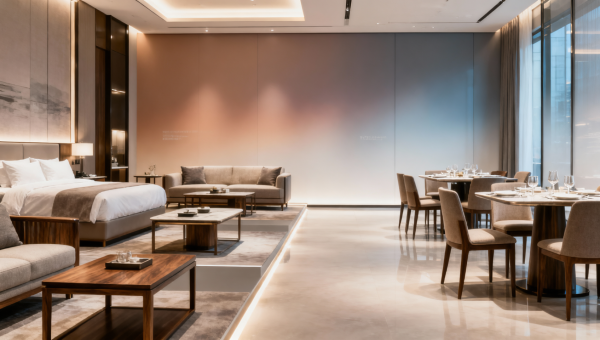
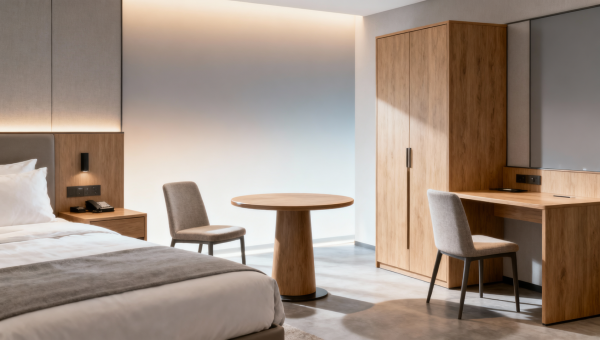
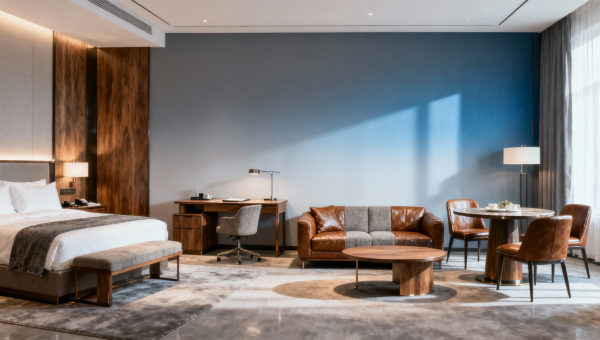
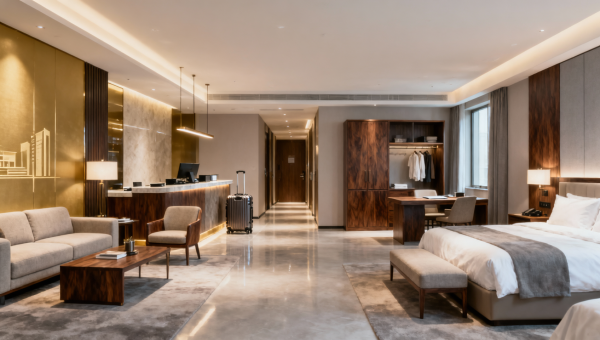
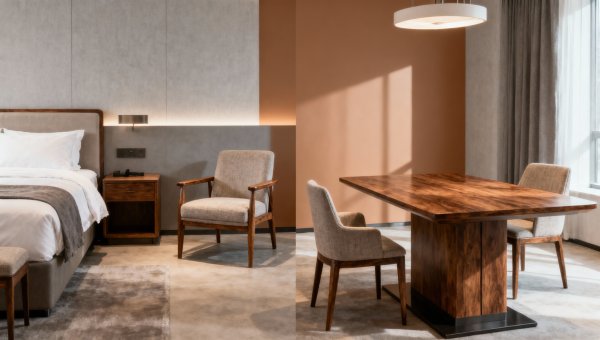
Commercial furniture trends hotels are actually adopting
Luxury furniture choices in hotels are shifting from showroom concepts to practical investments buyers can verify. Today’s adopted commercial furniture trends prioritize hotel beds, hotel chairs, hotel tables, and hotel sofas that balance design, durability, and hospitality procurement efficiency. For sourcing teams comparing hotel furniture, hotel room furniture, and even related catering equipment or soundproofing materials, understanding what hotels are actually buying helps reduce risk and improve project value.
For procurement managers, commercial evaluators, and distributors, the most useful trend signals are not abstract design forecasts. They are measurable decisions tied to guest turnover, replacement cycles, maintenance workload, freight efficiency, compliance requirements, and brand positioning. In hotel furniture, what gets adopted at scale usually combines visual relevance with operational logic.
Across upscale, business, boutique, and mixed-use hospitality projects, buying teams are narrowing furniture specifications faster than before. Instead of evaluating dozens of decorative options, many now work from 4 core filters: lifecycle cost, ease of cleaning, modularity, and supplier consistency. This is where practical commercial furniture trends matter most.
What hotels are really prioritizing in commercial furniture programs
Hotels are no longer selecting furniture only by style board appeal. The shift is toward pieces that can survive 5–10 years of heavy use, support faster room turnover, and fit renovation schedules that often run in 6–12 week phases. In this environment, hotel room furniture is assessed as a business asset, not just an interior element.
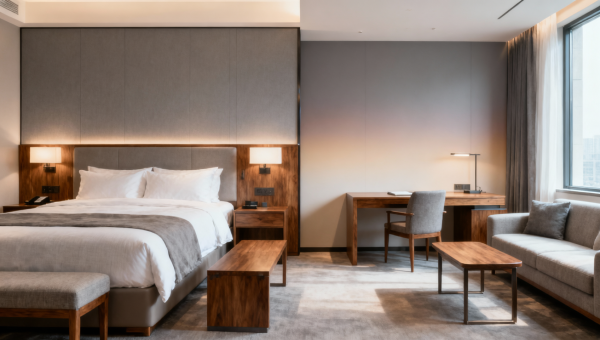
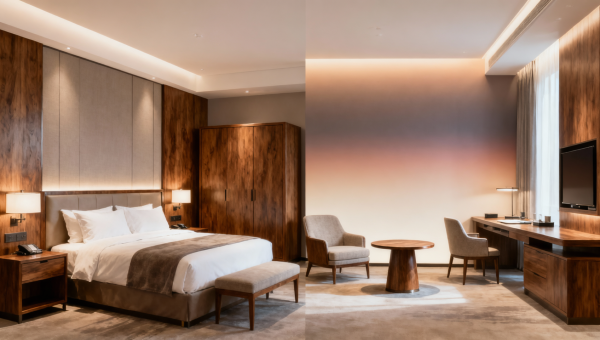
The most adopted commercial furniture trends are grounded in repeatable performance. Hotel beds are being specified with easier-access base structures, hotel chairs with higher rub-count fabrics or durable faux leather, hotel tables with scratch-resistant tops, and hotel sofas with replaceable upholstery panels or modular seat components. Buyers want fewer service calls and lower out-of-order room risk.
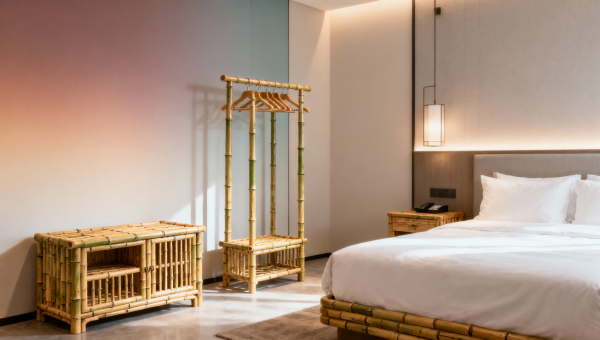
Another major shift is the move from statement-heavy luxury to quiet premium. Properties still want a refined visual language, but they are reducing over-customized details that extend lead times by 3–5 weeks or complicate spare-part replacement. Neutral wood tones, mixed-material frames, and soft architectural lines are proving easier to standardize across multiple room types.
This is especially relevant for group procurement. A regional hotel operator managing 3, 8, or 20 properties benefits more from controlled variation than from one-off bespoke furniture packages. Standardized dimensions, consistent hardware, and repeatable finishes improve replenishment and simplify dealer inventory planning.
The four filters driving adoption
- Durability under commercial use, including edge protection, joint stability, and upholstery wear performance.
- Maintenance efficiency, such as stain resistance, cleanable surfaces, and replaceable components.
- Procurement practicality, including MOQ flexibility, packaging density, and predictable lead times of 30–60 days.
- Brand fit, where furniture supports premium positioning without creating unnecessary customization risk.
The table below summarizes how adopted hotel furniture priorities differ from older showroom-led buying behavior.
The key takeaway is that hotels are not abandoning design. They are making design answer to operations. For suppliers and sourcing teams, this means products that look refined but also communicate lifecycle value in measurable terms will be more competitive.
Which hotel furniture categories are seeing the most practical innovation
Not every category moves at the same speed. In current commercial furniture trends, the strongest practical innovation is appearing in hotel beds, lounge seating, guestroom desks, side tables, and multi-use room seating. These are the touchpoints guests use daily and staff inspect most often. Failure in these items creates visible wear faster than decorative wall units or occasional accent pieces.
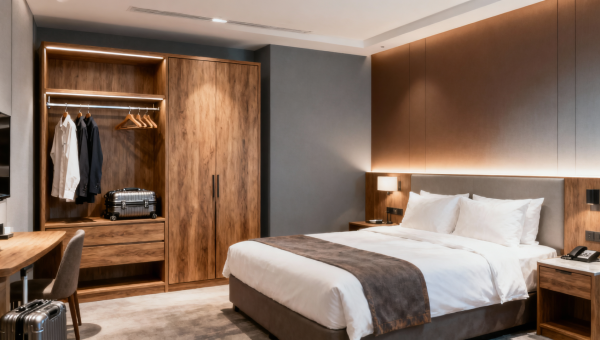
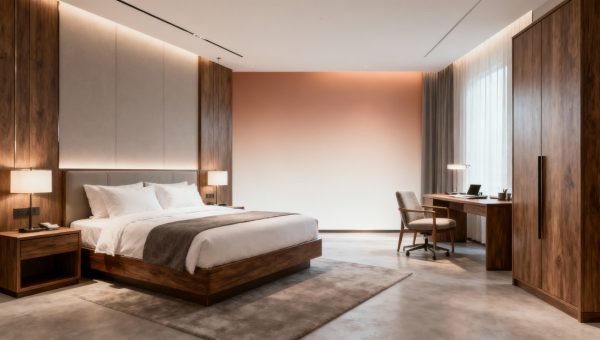
Hotel beds remain a leading investment category because sleep quality influences guest perception immediately. Adopted trends include reinforced platform systems, cleaner-lined headboards with integrated power access, and easier-install structures that reduce assembly complexity from 8–10 steps to 4–6 steps. Buyers are also favoring bed designs that support under-bed housekeeping clearance or better access for maintenance teams.
Hotel chairs are moving toward wider usability. A chair may need to function at a desk, beside a coffee table, or as overflow seating. That is why hotels increasingly choose models in the 6–9 kg range for easy repositioning, while still requiring robust frame integrity. Upholstered chairs with removable seat pads or easy-clean surfaces are often preferred over fragile decorative constructions.
For hotel tables, the biggest shift is surface performance. Operators have learned that edge chipping, ring marks, and finish inconsistency can undermine room appearance quickly. Laminate, veneer with stronger protective systems, sintered stone accents, and engineered tops with better moisture tolerance are all gaining traction when they match the design brief.
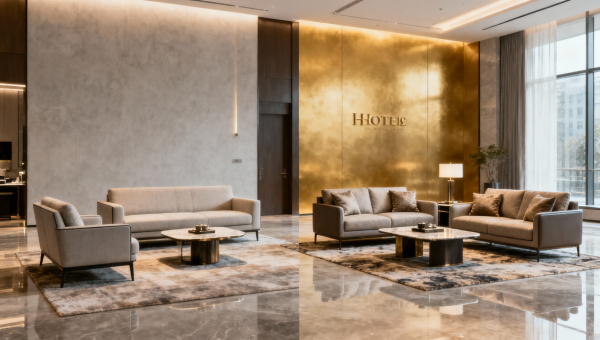
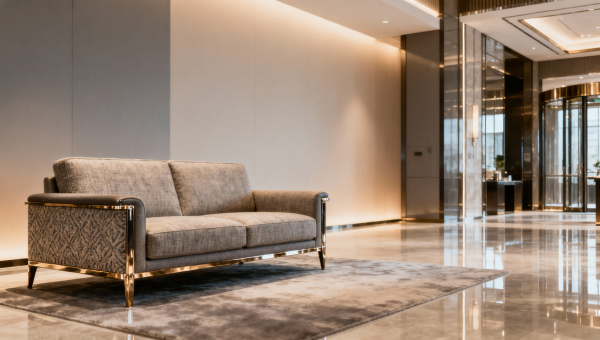
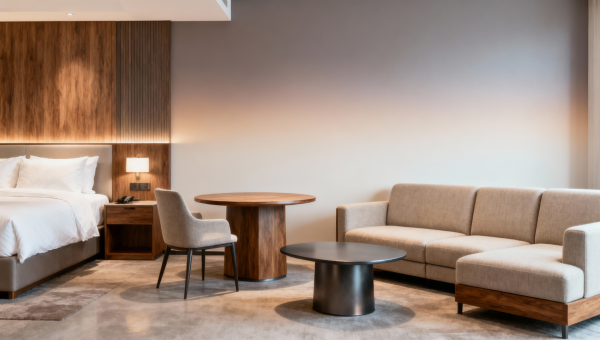
Hotel sofas, especially in suites, lobbies, and extended-stay formats, are increasingly selected for modularity. Instead of a single fixed shape, hotels are asking for combinations that can be reconfigured across room layouts or public zones. This gives more flexibility during renovation phases and reduces the risk of dead inventory when room plans change.
Category-by-category procurement focus
The following table shows where buyers are placing performance emphasis across major hotel furniture categories.
For distributors and project suppliers, this category view is useful because it clarifies where specification detail matters most. If a bid package treats every product as equally strategic, it can miss the categories that drive operational performance and guest satisfaction most directly.
Typical specification checkpoints
- Bed frame load stability and headboard mounting consistency across repeat orders.
- Chair joint durability, upholstery cleanability, and practical seat height for mixed guest demographics.
- Tabletop wear resistance, edge finishing, and compatibility with daily cleaning chemicals.
- Sofa foam density range, seam quality, and replaceability of the most damage-prone components.
How procurement teams are evaluating hotel furniture with less risk
One reason certain commercial furniture trends are being widely adopted is that they simplify procurement evaluation. Buyers are increasingly using sample review, specification cross-checking, and mock-up room validation before final volume release. This reduces the chance of discovering comfort issues, color mismatch, or build inconsistency after container arrival.
In many hotel furniture projects, the risk is not that a product looks bad in photos. The risk is that it fails in use, arrives late, or creates installation friction. For that reason, commercial teams are looking beyond appearance and focusing on 5 measurable dimensions: material suitability, packaging protection, delivery reliability, maintenance burden, and replacement continuity.
A practical sourcing workflow often includes a 3-stage evaluation. Stage 1 is drawing and finish confirmation. Stage 2 is physical sample or prototype approval. Stage 3 is pilot production review with packaging inspection. This sequence can add 7–21 days at the front end, but it often prevents far more expensive delays later in the fit-out program.
For business evaluators, total landed value matters more than ex-works price alone. A lower-cost chair that produces more claims, more scratches, or higher repacking losses may cost more over a 24–36 month ownership period. Hotels are therefore comparing supplier capability in a broader commercial context, especially when projects involve multiple SKUs and phased deliveries.
A practical hotel furniture evaluation framework
The table below can be used by sourcing teams, distributors, or hospitality buyers as a quick decision tool during supplier comparison.
The most capable hotel furniture sourcing programs combine design review with commercial discipline. That approach is especially valuable when related categories such as catering equipment zones, banquet furniture, or sound-sensitive guestroom requirements affect the furniture specification.
Risk-reduction steps before placing a bulk order
- Confirm dimensions against room plans and circulation clearances, not just mood boards.
- Test finish samples under hotel lighting and housekeeping cleaning conditions.
- Review packaging method for export handling and staged site installation.
- Request a realistic lead-time plan covering sample, production, inspection, and shipping windows.
- Clarify which components can be replaced individually within 12–24 months after installation.
The rise of modular, acoustically aware, and mixed-use furniture layouts
Another commercial furniture trend hotels are actually adopting is layout flexibility. Guestrooms and public areas are being asked to do more with the same footprint. A business traveler may need a lounge chair for reading, a stable surface for laptop use, and a room layout that still feels open. This is pushing hotels toward furniture systems that support 2-in-1 or 3-in-1 use cases without making the room feel crowded.
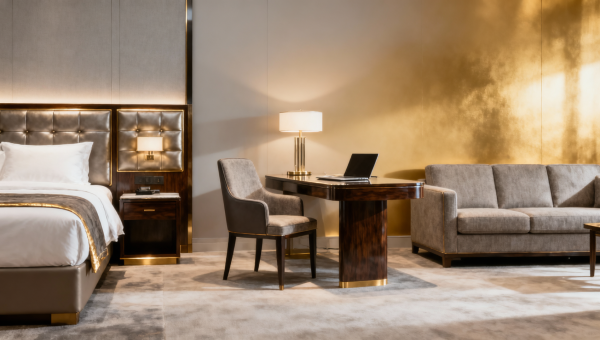
In guestrooms, desks are becoming more compact but more functional. Side tables are selected not only for appearance but for charging access, easy cleaning around the base, and compatibility with different seating heights. Hotel sofas in suite or extended-stay formats increasingly need to work alongside acoustic considerations, especially where adjoining spaces, entertainment use, or urban noise profiles affect guest comfort.
This is where furniture selection intersects with sound management and adjacent categories. While furniture alone does not replace architectural acoustic treatment, upholstered surfaces, headboard construction, and layout planning can support quieter perceived environments. Buyers comparing hotel room furniture may therefore review it in relation to soft materials, wall detailing, and even nearby equipment zones rather than in isolation.
Modularity is also changing how public-area furniture is purchased. Lobby sofas, banquet seating, and waiting-area configurations are being chosen so they can be regrouped seasonally, by event type, or by traffic pattern. This helps hotels extract more value from the same inventory rather than buying separate sets for every function.
Where flexible layouts create the most value
- Business hotels where guestrooms under 30 square meters need furniture with multiple uses.
- Boutique hotels that want distinct design character without overloading limited floor area.
- Extended-stay formats where hotel sofas, tables, and storage need to support longer occupancy cycles.
- Mixed-use hospitality spaces that shift between lounge, dining, and informal meeting functions during the day.
For dealers and distributors, flexible furniture programs also improve stock strategy. A modular seating system or standardized table family can serve different hotel segments with finish adjustments instead of requiring completely separate product lines. That reduces forecasting pressure while expanding application range.
Common mistakes in mixed-use hotel furniture planning
A frequent mistake is specifying residential-style furniture for a commercial hospitality environment. It may photograph well, but if the frame strength, finish resistance, or upholstery structure is not designed for repetitive use, visible decline can appear within the first 6–18 months. Another mistake is over-prioritizing shape while ignoring cleaning access and replacement practicality.
Hotels that achieve better results usually align furniture layout, guest behavior, staff workflow, and maintenance planning at the same time. That alignment is what turns a furniture trend into a practical procurement decision.
What suppliers, distributors, and buyers should ask before finalizing a hotel furniture program
The most successful hotel furniture projects begin with sharper questions, not broader catalogs. Buyers should ask how the furniture will perform by room type, traffic level, and maintenance routine. A premium suite, a business guestroom, and a high-turnover select-service room may all require different answers even when the visual design language is related.
It is also important to ask which elements truly need customization. In many projects, only 20%–30% of the package needs tailored detailing to achieve the desired brand effect. The remaining 70%–80% can often be built from controlled commercial platforms with finish or upholstery adjustments. This balance protects both design intent and procurement efficiency.
Lead times should be discussed in complete terms. A stated production window of 35 days may exclude sample approval, hardware confirmation, packaging revision, inspection booking, or freight coordination. For multi-property or export hotel furniture programs, the full timeline can easily stretch to 8–14 weeks depending on complexity and shipment method.
For commercial intermediaries such as agents and distributors, the right sourcing partner is one that can communicate both design and execution clearly. Product images alone are not enough. Detailed specifications, finish alignment, packaging logic, and replacement support all influence whether a project runs smoothly after the order is signed.
A concise pre-award checklist
- Are the hotel beds, chairs, tables, and sofas specified for real hospitality wear rather than light-use interiors?
- Can the supplier maintain finish consistency across phased orders or future expansion rooms?
- Is the packaging suitable for cross-border handling, warehouse transfer, and site-by-site delivery?
- Are maintenance-sensitive parts clearly identified for post-install service planning?
- Does the furniture package support the operational identity of the hotel, not just its concept visuals?
FAQ: practical questions buyers often raise
How long does a typical hotel furniture project take? For standard commercial programs, sample to shipment often falls in the 8–14 week range. Complex custom programs may require longer, especially when multiple room types, public-area packages, or finish approvals are involved.
What matters more, aesthetics or durability? In hospitality procurement, they must work together. The strongest adopted trends pair refined appearance with durable construction, because attractive furniture that degrades quickly increases lifecycle cost and harms guest perception.
Is modular furniture only for public spaces? No. Modular thinking is increasingly used in suites, extended-stay rooms, and compact guestrooms where furniture may need to adapt to more than one guest activity.
How can buyers reduce replacement risk? Approve physical samples, verify packaging, clarify spare-part availability, and standardize the most repeated SKUs. These steps often produce better long-term results than pursuing maximum customization.
Hotels are adopting commercial furniture trends that are easier to validate, easier to maintain, and more aligned with real operating conditions. That includes better-performing hotel beds, flexible hotel chairs, more durable hotel tables, and modular hotel sofas that support both guest comfort and procurement discipline. For sourcing teams, distributors, and project evaluators, the winning approach is to balance design intent with measurable use-case performance.
Global Commercial Trade helps commercial buyers and supply-side partners assess hotel furniture decisions with stronger market context, sharper category insight, and sourcing logic suited to modern hospitality projects. If you are planning a renovation, evaluating suppliers, or building a distribution-ready hotel furniture portfolio, contact us to discuss specifications, sourcing pathways, and tailored commercial solutions.
Search News
Hot Articles
- Stage Lighting & TrussCCTV5 Snooker Broadcast Drives 37% Surge in Stage Lighting Export InquiriesApr 21, 2026
- Indoor PlaygroundVietnam Mandates Child Finger-Trap Sensors for Indoor Play EquipmentApr 21, 2026
- Stage Lighting & TrussGuangdong vs. Shanxi CBA Game Highlights Domestic Smart Arena LightingApr 21, 2026
Popular Tags
Need ExpertConsultation?
Connect with our specialized leisureengineering team for procurementstrategies.
Recommended News
 Apr 10, 2026RCEP Cuts ASEAN Hotel Furniture Tariffs to 0% for Chinese Bamboo ProductsRCEP cuts ASEAN hotel furniture tariffs to 0% for Chinese bamboo products. Explore how this benefits exporters, procurement teams & supply chains in Southeast Asia's booming hospitality sector.● Hospitality Sourcing Dir
 Apr 10, 2026US Hotel Association Updates 2026 Smart Room Tech Guidelines, Mandates UL 2900-2-2 CertificationUS Hotel Association mandates UL 2900-2-2 certification for smart room tech by 2026. Learn how this impacts IoT manufacturers and hotel chains' procurement strategies.● Hospitality Sourcing Dir
 Apr 10, 2026EU Mandates QR Codes for Hotel Linens: China Exporters Must Comply by April 2026EU mandates QR codes for hotel linens by 2026, impacting China's textile exporters. Learn compliance requirements for traceability, sustainability reporting, and supply chain adaptation.● Hospitality Sourcing Dir
 Apr 09, 2026Zibo Launches 'Treasure Shandong Through the Lens' Photo Tour, Themed Homestays Emerge as Cross-Border Marketing ToolDiscover Zibo's 'Treasure Shandong Through the Lens' photo tour featuring 32 themed homestays blending vintage cameras, Hanfu culture & industrial spaces. A groundbreaking cross-border marketing model attracting global influencers & platforms like Rakuten Travel.● Hospitality Sourcing Dir
 Apr 09, 2026Yangzhou Slender West Lake Flower Festival Opens, Blending Heritage and Tech for Luxury TourismDiscover the 2026 Yangzhou Slender West Lake Flower Festival, blending heritage crafts with AR technology for luxury tourism. Experience cultural performances, workshops, and themed stays attracting global travelers. Explore China's new era of experiential tourism.● Hospitality Sourcing Dir
 Apr 09, 2026New Team Travel Contracts Raise Compliance Standards for Overseas AgenciesNew team travel contracts enforce stricter compliance for overseas agencies, requiring rigorous vetting of Chinese suppliers. Learn how these 2026 regulations impact study tours, hotels, and global partnerships.● Hospitality Sourcing Dir
 Apr 09, 2026Shangyou County's Hotel Subsidy Policy Boosts China's MICE Tourism AppealShangyou County's 2026 hotel subsidy policy offers RMB 100 per room for MICE tourism, boosting China's appeal to international buyers. Discover how this strategic move enhances cost-effective accommodations for corporate events and study tours.● Hospitality Sourcing Dir
 Apr 21, 2026Open or closed hotel wardrobes for easier housekeeping?Hotel wardrobes affect housekeeping speed, guest appeal, and hospitality procurement. Compare open vs closed designs for hotel furniture, luxury furniture, and hotel room furniture planning.● Hospitality Sourcing Dir
 Apr 21, 2026Hotel wardrobes that fit luggage without wasting spaceHotel wardrobes that fit luggage smartly without wasting space—explore hotel furniture solutions that elevate hotel room furniture, support hospitality procurement, and enhance guest comfort.● Hospitality Sourcing Dir
 Apr 21, 2026Why hotel room furniture wears unevenly after openingHotel furniture wear starts unevenly from day one. Learn how hotel beds, hotel chairs, hotel desks and hotel room furniture perform in real use, with smart hospitality procurement tips.● Hospitality Sourcing Dir
 Apr 21, 2026Hotel room furniture packages that cut design mismatchHotel room furniture packages align hotel furniture, hotel beds, hotel chairs, hotel tables, and hotel desks with luxury furniture standards—reducing design mismatch and speeding hospitality procurement.● Hospitality Sourcing Dir
 Apr 21, 2026Low seat or deep seat hotel sofas for modern lobbies?Hotel furniture buyers compare low seat and deep seat hotel sofas for modern lobbies. Explore luxury furniture choices that improve comfort, traffic flow, brand image, and hospitality procurement value.● Hospitality Sourcing Dir
 Apr 21, 2026Hotel sofas that keep their shape in high traffic areasHotel sofas, hotel furniture, and hospitality furniture that keep shape in high-traffic areas—discover luxury furniture sourcing tips, durable commercial furniture specs, and smarter hospitality procurement.● Hospitality Sourcing Dir
 Apr 21, 2026Why hospitality furniture needs different specs by zoneHospitality furniture specs vary by zone. Learn how hotel furniture, hotel beds, hotel chairs, hotel tables, and hotel desks improve durability, ROI, and luxury guest experience.● Hospitality Sourcing Dir
 Apr 21, 2026Hospitality furniture that supports faster room turnoverHospitality furniture that speeds room turnover: compare hotel beds, hotel chairs, hotel tables, hotel desks and hotel sofas for easier cleaning, durability, and smarter hospitality procurement.● Hospitality Sourcing Dir
 Apr 21, 2026Where hotel equipment budgets usually go off trackHotel furniture and hotel equipment budgets often fail from hidden scope, logistics, and lifecycle costs. Learn smarter hospitality procurement for hotel beds, chairs, tables, and luxury furniture.● Hospitality Sourcing Dir
 Apr 21, 2026Hotel equipment upgrades that improve guest flow firstHotel equipment upgrades improve guest flow fast with hotel furniture, hotel beds, hotel chairs, catering equipment, and soundproofing materials—boost comfort, efficiency, and procurement ROI.● Hospitality Sourcing Dir
 Apr 21, 2026What shortens the life of commercial furniture in hotelsHotel furniture and commercial furniture wear out fast when hotel beds, hotel chairs, hotel tables, hotel desks, and hotel sofas face heavy use, poor maintenance, and weak materials. Learn smart hospitality procurement tips.● Hospitality Sourcing Dir
 Apr 21, 2026Commercial furniture trends hotels are actually adoptingCommercial furniture trends hotels are adopting: luxury furniture, hotel beds, hotel chairs, hotel tables and hotel sofas that improve hotel furniture sourcing, durability, and hospitality procurement value.● Hospitality Sourcing Dir
 Apr 21, 2026How to spot hotel furniture built for daily wearHotel furniture buying guide: learn how to assess hotel beds, hotel chairs, hotel tables, and hospitality furniture for daily wear, lower maintenance, and smarter hospitality procurement.● Hospitality Sourcing Dir
 Apr 21, 2026Hotel furniture mistakes that age a room too quicklyHotel furniture buying guide: avoid costly hotel beds, hotel chairs, and hotel room furniture mistakes. Discover luxury furniture tips for durable, brand-right hospitality procurement.● Hospitality Sourcing Dir
 Apr 21, 2026Why some soundproofing materials fail after installationLearn why soundproofing materials fail after installation in hotel furniture projects. Explore hotel beds, hotel sofas, hotel wardrobes and hospitality procurement tips for lasting acoustic performance.● Hospitality Sourcing Dir
 Apr 21, 2026Soundproofing materials that work best between guest roomsSoundproofing materials for hotel furniture projects: discover the best systems between guest rooms, from mineral wool to acoustic doors, to improve comfort, protect reviews, and support hospitality procurement.● Hospitality Sourcing Dir
 Apr 21, 2026How firm should hotel beds be for mixed guest profiles?Hotel beds for mixed guest profiles: learn how hotel furniture and hospitality procurement teams balance comfort, durability, and luxury furniture standards to improve guest satisfaction.● Hospitality Sourcing Dir