Why hotel chairs fail early in banquet spaces
In busy banquet venues, hotel chairs often wear out long before other hotel furniture, creating safety risks, higher replacement costs, and brand damage. For hospitality procurement teams, dealers, and project evaluators, understanding why commercial furniture fails is essential to smarter sourcing. This article explores the hidden causes behind early chair failure and how they relate to durability, materials, design standards, and long-term value in hotel equipment investments.
In banquet operations, chairs are among the hardest-working assets on the floor. A single unit may be moved 20 to 50 times during one event cycle, stacked several layers high, exposed to spills, and reused across weddings, conferences, and dining functions within the same week. That operating pattern is very different from guestroom seating, which explains why failure often appears earlier in banquet spaces than purchasing teams initially expect.
For B2B buyers in hotel furniture, the real issue is not only replacement frequency. Early failure affects labor efficiency, storage planning, guest safety, event readiness, and the perceived standard of the venue. A chair that loosens after 12 to 18 months instead of lasting 5 to 7 years can turn a low-cost purchase into a high-cost decision. The sections below break down where those failures begin and how better sourcing criteria reduce risk.
Why banquet chairs face harsher conditions than most hotel furniture
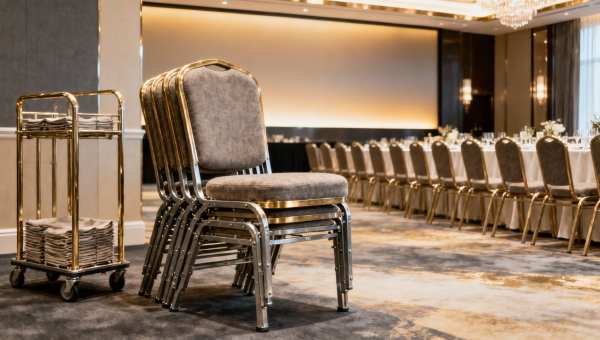
Banquet chairs operate in a high-frequency, high-impact environment. Unlike lounge seating or restaurant chairs that remain relatively fixed, banquet models are repeatedly lifted, dragged, stacked, loaded onto carts, and repositioned across large floor plans. In a medium to large hotel ballroom, 300 to 1,000 chairs may be handled within a few hours, which accelerates stress on joints, welds, glides, and upholstery.
The failure pattern often starts with movement rather than sitting load. Procurement teams sometimes focus on static weight capacity, such as 250 kg to 300 kg, but miss dynamic abuse factors. When chairs are dropped from even 10 to 20 cm during setup or strike-down, impact force concentrates at the frame corners and leg junctions. Repeated handling cycles can cause metal fatigue, loosened fasteners, and frame distortion long before the chair reaches its theoretical load limit.
Another common stress point is stacking. Many commercial banquet chairs are stacked 8 to 12 high, and some venues exceed recommended limits to save storage space. If the frame geometry is poorly engineered, stacking pressure transfers unevenly to the backrest, seat rail, or finish surfaces. This leads to chipped powder coating, scratched upholstery edges, compressed foam, and eventually structural deformation.
Operational factors that shorten service life
- Frequent room turnovers, often 2 to 4 event layouts in a 24-hour period, increase handling damage.
- Mixed-use functions expose chairs to food spills, beverage acids, cosmetics, and cleaning chemicals.
- Improper storage on uneven floors causes frame twist and instability over time.
- Inadequate staff training leads to dragging instead of lifting, which damages glides and leg ends.
These operating realities explain why banquet seating should be specified as a specialized commercial furniture category, not as a generic chair purchase. For distributors and project evaluators, the most reliable product is usually the one designed around lifecycle handling, not only around showroom appearance.
The most common technical causes of early chair failure
Most early failures can be traced to four technical weak points: frame construction, joint integrity, cushioning performance, and surface durability. In lower-spec banquet chairs, thin-wall tubing or inconsistent weld quality often creates hidden weaknesses. A frame may look stable at delivery, yet after 6 to 12 months of event use, micro-movement begins around stress points and causes wobble.
Upholstery is another frequent problem area. Fabric wear is not only a matter of abrasion; seam tension, foam density, and moisture exposure all matter. Seats using low-density foam can flatten quickly, especially under repetitive use. In commercial applications, foam in the approximate 35 to 45 kg/m³ range is often preferred for better shape retention, while lower-density options may lose resilience much faster under banquet traffic.
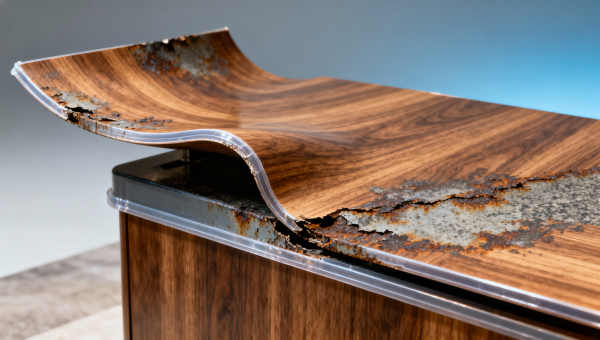
Finishes also fail earlier than many buyers anticipate. Powder coating, plating, and protective caps are constantly tested by stacking, trolley movement, and floor friction. Once a finish chips, corrosion risk rises in humid or coastal properties. Aesthetic damage may appear minor at first, but visible wear across 50 to 100 chairs can quickly degrade a ballroom’s premium image.
Typical failure points in commercial banquet seating
The table below shows where problems usually begin and what they mean for hospitality procurement decisions.
For sourcing teams, the key takeaway is that early failure rarely has one cause. It usually results from a mismatch between actual banquet usage and the product’s structural specification. Buyers who assess chairs by price alone often overlook the small technical details that determine whether the asset lasts 18 months or 72 months.
Warning signs during sample evaluation
- Visible movement at the backrest after repeated pressure tests
- Uneven leg contact on a flat floor
- Noticeable foam compression after short trial seating
- Stack marks appearing after only 5 to 8 stacking cycles
How material choice and design standards influence durability
Material selection affects both structural integrity and maintenance cost. In banquet seating, frame metal, seat substrate, foam density, upholstery type, and floor-contact components all interact. A chair may have a strong metal frame, but if the seat board swells under humidity or the glides wear out in 3 months, the user still experiences early product failure. Durability must be viewed as a system, not a single specification.
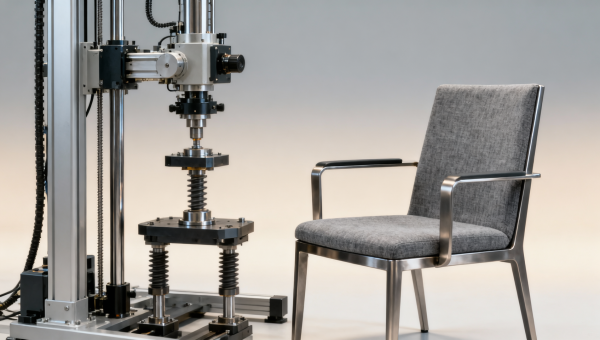
Commercial buyers should also examine design standards beyond the product sheet. Load testing, stack testing, and cycle testing are especially relevant for banquet applications. While test protocols vary by market and project requirement, procurement teams typically benefit from asking for evidence of repeated-use performance, not just a one-time static load claim. This is particularly important for hotels running 4-star and 5-star event programs where furniture downtime directly affects revenue-generating spaces.
Design details that appear minor can have major lifecycle effects. Reinforced corner brackets, anti-scratch stack buffers, double support bars, replaceable glides, and sealed upholstery edges all improve long-term usability. These features may raise unit cost by a modest percentage, but they often reduce maintenance and replacement demand across a fleet of 200 to 800 chairs.
Material and configuration comparison for banquet use
The comparison below helps procurement professionals assess where durability value usually comes from in hotel furniture sourcing.
This comparison shows why a visually similar banquet chair can perform very differently in real hotel operations. For distributors and agents, these distinctions are also useful in explaining price differences to end users. A stronger durability narrative supports better commercial positioning than competing solely on initial quote value.
Practical specification checkpoints
- Confirm whether the frame is optimized for stacking and frequent transport.
- Review seat and back construction, not only outer upholstery appearance.
- Ask whether wear parts such as glides and stack caps are replaceable.
- Request sample testing over repeated movement cycles, ideally beyond a static showroom check.
Procurement mistakes that make replacement costs rise faster
A major purchasing error is evaluating banquet chairs as isolated products instead of as fleet assets. In reality, a hotel may buy 150, 300, or 600 units at once. If 15% to 20% start failing early, the venue faces not only replacement cost but also shade mismatch, inconsistent wear levels, and emergency replenishment logistics. The cheapest chair on day one can become the most expensive model over a 3-year ownership period.
Another common mistake is underestimating total handling cost. If chairs are difficult to stack, too heavy for efficient staff movement, or incompatible with standard transport carts, labor time rises during every event turnover. Even an extra 20 to 30 seconds per chair becomes significant when staff are moving 400 units before a conference setup window closes.
Buyers also sometimes overlook the supplier’s ability to support continuity. In hospitality furniture projects, repeatability matters. Matching finish, upholstery lot, frame tone, and spare parts availability can be as important as the initial batch quality. Dealers and project specifiers should evaluate whether the supply partner can support phased orders, replacement runs, and technical documentation over time.
Decision factors that should carry more weight
The table below outlines a more practical commercial evaluation model for banquet chair sourcing.
This approach helps hospitality buyers move beyond unit price and assess total commercial fit. For companies involved in global sourcing, including organizations such as GCT that serve data-driven B2B procurement needs, the strongest value often comes from connecting product specification with actual operational demands, not from selecting the lowest quoted option.
Frequent sourcing misjudgments
- Choosing decorative appearance over stack performance
- Ignoring spare parts and after-sales support availability
- Testing one sample but ordering for a high-turnover banquet environment without operational simulation
- Assuming all commercial chairs are suitable for banquet duty
How to source banquet chairs for longer service life and lower risk
A more resilient sourcing strategy starts with clear use-case mapping. Buyers should define whether the chairs will support wedding banquets, corporate meetings, fine dining events, or mixed-use ballroom programs. A venue operating 5 to 7 events per week has very different needs from a property using its ballroom only a few times per month. That usage intensity should shape frame spec, upholstery choice, stacking requirement, and spare quantity planning.
It is also wise to conduct evaluation in stages. Step one is technical screening: review construction details, material descriptions, and handling design. Step two is physical sample review: check stability, finish quality, seam strength, and stacking alignment. Step three is operational trial: simulate transport, storage, setup, and cleaning routines. Even a short 7 to 14 day internal trial can reveal practical issues that standard quotations never show.
For larger projects, many procurement teams reserve 2% to 5% extra chairs as buffer stock for peak season and damage rotation. This helps maintain visual consistency across the venue while avoiding emergency reorders. It also supports planned maintenance rather than reactive replacement, which is particularly useful for hotels, distributors, and project operators managing multiple properties.
Recommended sourcing workflow
- Define event volume, storage conditions, and handling frequency for the next 24 to 36 months.
- Set minimum product criteria for frame strength, stackability, upholstery cleanability, and replaceable wear parts.
- Compare samples using real banquet operations, not only showroom inspection.
- Evaluate supplier consistency, lead-time stability, and replacement support.
- Plan preventive maintenance and spare stock before full deployment.
FAQ for buyers and specifiers
How long should banquet chairs last in a hotel setting?
Service life depends on event frequency, handling discipline, and build quality. In many commercial environments, well-specified banquet chairs may remain viable for roughly 5 to 7 years, while poorly specified products can show instability or cosmetic failure within 12 to 24 months.
Which matters more: weight capacity or stack performance?
Both matter, but banquet spaces often reveal failure through movement and stacking stress before seating load becomes the main issue. A high weight rating alone does not guarantee long service life if stack buffers, glides, or weld points are weak.
What should dealers and distributors check before representing a banquet chair line?
They should review repeat-order consistency, finish matching, replaceable parts support, packaging protection, and suitability for hospitality turnover conditions. A strong dealer offer depends on reliable long-term supply, not only attractive initial samples.
Early chair failure in banquet spaces is usually the result of operational intensity meeting under-specified commercial furniture. The most effective hotel furniture decisions come from understanding real usage cycles, comparing structural details, and evaluating lifecycle cost instead of initial purchase price alone. For procurement teams, distributors, and project evaluators, a disciplined sourcing process reduces safety issues, protects venue image, and improves asset performance over the long term.
If you are reviewing banquet seating options for upcoming hospitality projects, now is the right time to compare specifications more carefully, validate supplier capability, and build a sourcing plan around durability and operational fit. Contact us to discuss product details, request a tailored commercial furniture solution, or explore more hotel equipment sourcing strategies for banquet environments.
Search News
Hot Articles
- Stage Lighting & TrussCCTV5 Snooker Broadcast Drives 37% Surge in Stage Lighting Export InquiriesApr 21, 2026
- Indoor PlaygroundVietnam Mandates Child Finger-Trap Sensors for Indoor Play EquipmentApr 21, 2026
- Stage Lighting & TrussGuangdong vs. Shanxi CBA Game Highlights Domestic Smart Arena LightingApr 21, 2026
Popular Tags
Need ExpertConsultation?
Connect with our specialized leisureengineering team for procurementstrategies.
Recommended News
 Apr 21, 2026Hotel tables that stay stable on uneven flooringHotel tables that stay stable on uneven flooring: a practical guide for hospitality procurement covering hotel furniture, commercial furniture, luxury furniture, and specs that reduce wobble, risk, and maintenance.● Hospitality Sourcing Dir
 Apr 21, 2026Round or rectangular hotel tables for tighter layouts?Hotel tables for tight layouts: compare round vs rectangular hotel furniture for better flow, seating, and hospitality procurement decisions. Find the best fit for compact hotel room furniture.● Hospitality Sourcing Dir
 Apr 21, 2026Why hotel chairs fail early in banquet spacesHotel chairs in banquet spaces fail early due to stacking, impact, and weak specs. Learn how hotel furniture and commercial furniture choices cut costs and improve hospitality procurement.● Hospitality Sourcing Dir
 Apr 21, 2026Hotel chairs that look elegant and still hold upHotel chairs that blend luxury furniture appeal with commercial furniture durability. Discover how hotel furniture works with hotel tables, hotel desks, and hotel room furniture for smarter hospitality procurement.● Hospitality Sourcing Dir
 Apr 20, 2026Hotel tables with edge seams that trap moisture and moldHotel tables, park benches & commercial furniture with mold-trapping edge seams? Discover seamless, moisture-resistant hotel furniture solutions—luxury, custom, and compliant.● Hospitality Sourcing Dir
 Apr 20, 2026Hotel chairs rated for 100,000 cycles—but tested how?Discover how top hotel chairs, park benches & commercial furniture are truly tested for 100,000 cycles—backed by BIFMA, EN & GB/T standards. Get verified luxury furniture insights.● Hospitality Sourcing Dir
 Apr 19, 2026Hotel tables that warp under daily cleaning chemicalsHotel tables, hotel chairs, hotel beds & park benches—discover why chemical warping fails luxury furniture & commercial furniture specs. Get expert OEM insights on durable hotel furniture & equipment.● Hospitality Sourcing Dir
 Apr 19, 2026Hotel chairs with hidden wear patterns no one tests forHotel chairs, luxury furniture & commercial furniture buyers: uncover hidden wear patterns in hotel chairs, hotel beds, and custom furniture—before failure hits ROI.● Hospitality Sourcing Dir
 Apr 18, 2026Custom furniture quoting errors—how small measurement gaps become big cost overrunsAvoid costly overruns: Fix custom furniture quoting errors before they derail hotel beds, theme park rides, playground structures & soundproofing materials.● Hospitality Sourcing Dir
 Apr 17, 2026Restaurant furniture that handles spills, scratches, and constant turnoverCommercial furniture built for spills, scratches & turnover—ideal for playground borders, sensory playgrounds, hotel tables, amusement equipment & more.● Hospitality Sourcing Dir
 Apr 16, 2026Custom fabrication for restaurant furniture: When ‘made-to-order’ becomes ‘wait-for-3-months’Custom fabrication for hotel furniture, designer eyewear & jewelry—solve supply chain delays with OEM manufacturing expertise. Get on-time, cross-sector solutions.● Hospitality Sourcing Dir
 Apr 15, 2026Restaurant furniture durability tests don’t match real dining room stressCommercial furniture, playground safety & amusement equipment tested for real-world stress—not just labs. Discover field-validated durability for hotel tables, sensory playgrounds, climbers & more.● Hospitality Sourcing Dir
 Apr 12, 2026Custom furniture for play spaces: When 'bespoke' means higher liability, not better fitOutdoor playground & inclusive playground design demands caution: custom furniture, playground swings, and theme park rides raise liability—discover safer, certified alternatives.● Hospitality Sourcing Dir
 Apr 12, 2026Custom furniture lead times ballooning in 2026—what’s really causing the 14-week delaysOutdoor playground, inclusive playground, and theme park rides face 14-week custom furniture delays in 2026—discover root causes & proven mitigation strategies now.● Hospitality Sourcing Dir
 Apr 07, 2026Custom furniture lead times in 2026: Why ‘standard’ finishes now take longer than premiumCustom furniture, outdoor playground & hotel furniture lead times surged in 2026—discover why standard finishes now lag premium. Get data-backed sourcing strategies for inclusive playground, soundproofing materials & instrument cables.● Hospitality Sourcing Dir
 Apr 04, 2026Restaurant Furniture Buyers Are Asking Office Supplies Factories for Modular Desk Systems — And Getting YesTop office supplies manufacturer & OEM supplier delivers NSF/BIFMA-certified modular desk systems for restaurants—fast, compliant, factory-direct.● Hospitality Sourcing Dir
 Apr 01, 2026What happens to hotel tables when placed on floating floors—real case data from 2026Discover how hotel tables, chairs, desks & sofas interact with soundproofing materials on floating floors—real 2026 data reveals critical acoustic & stability insights for hospitality furniture buyers.● Hospitality Sourcing Dir
 Mar 31, 2026Hotel tables that don’t rattle—what makes the difference in real roomsDiscover hotel tables engineered with soundproofing materials & precision construction—eliminate rattling, elevate guest experience. Premium hotel furniture, desks, chairs, sofas & more.● Hospitality Sourcing Dir
 Mar 31, 2026Hotel reception furniture that ships on time—then arrives with mismatched wood grain batchesCommercial sourcing for hotel reception furniture, amusement park lighting & playground development—guaranteed batch consistency, on-time delivery, and full compliance.● Hospitality Sourcing Dir
 Mar 30, 2026Restaurant furniture from Tier-2 suppliers: durability claims vs. real-world spill cyclesCommercial sourcing of hotel restaurant furniture, amusement park lighting & playground development gear—tested under real spill cycles. Discover durable Tier-2 suppliers.● Hospitality Sourcing Dir
 Mar 30, 2026Hotel bar furniture orders that pass QA—but fail the ‘three-drink test’Hotel bar furniture that passes QA—and the real-world 'three-drink test'. Trusted commercial sourcing for hotel restaurant & reception furniture, amusement park lighting, playground compliance, and electronic music gear.● Hospitality Sourcing Dir
 Mar 30, 2026Hotel reception furniture that looks premium—until the first guest leans on itDiscover durable hotel reception furniture built for real traffic—plus commercial sourcing support for amusement park lighting, playground development, and more.● Hospitality Sourcing Dir
 Mar 28, 2026Restaurant furniture ordered for 'luxury aesthetic'—then reconfigured three times before openingLuxury furniture, trampoline park fixtures, arcade games & park benches—engineered for iterative layouts and premium experiential integrity. Discover adaptive sourcing.● Hospitality Sourcing Dir
 Mar 27, 2026What restaurant furniture buyers overlook when evaluating commercial procurement terms for bulk ordersDiscover expert supply chain solutions, ODM services & OEM manufacturing for amusement park equipment, catering equipment, and commercial procurement—beyond price sheets.● Hospitality Sourcing Dir