Catering equipment costs that often get missed at launch
Launching a hospitality venue involves more than buying catering equipment and hotel furniture. Many first-time budgets overlook hidden startup costs tied to hotel beds, hotel chairs, hotel tables, hotel desks, hotel wardrobes, soundproofing materials, compliance, installation, and long-term maintenance. This guide helps hospitality procurement teams, buyers, and distributors identify the often-missed expenses that can affect project timelines, supplier decisions, and total commercial furniture investment.
Why launch budgets for hotel furniture and catering equipment often fall short
In hotel and catering projects, the visible purchase price is only the first layer of cost. Procurement teams usually compare quotations for kitchen lines, buffet counters, hotel beds, hotel chairs, hotel tables, and front-of-house furniture, but the launch budget starts to drift when site conditions, installation details, and compliance requirements are added. This is especially common in mixed-use hospitality projects where guestrooms, dining areas, banquets, and back-of-house spaces must open within the same 8–16 week fit-out window.
A second reason is fragmented responsibility. One supplier may quote loose furniture only, another may exclude delivery to upper floors, and the contractor may assume that unpacking, positioning, and fixing are part of the furniture package. When no one defines the exact scope, hidden costs surface late. In practice, buyers should break launch spending into at least 4 cost layers: product cost, logistics cost, installation cost, and operational readiness cost.
For information researchers and business evaluators, the challenge is not just finding cheaper hotel furniture. It is understanding how commercial-grade furniture interacts with catering equipment, MEP coordination, guest flow, acoustic performance, fire safety, and replacement planning. A low unit price can become a higher total project cost if the product requires rework, fails dimensional coordination, or arrives without proper documentation.
This is where a sourcing platform with sector-specific intelligence becomes useful. GCT helps buyers compare not only products, but also supply capability, documentation readiness, lead-time realism, and cross-category compatibility. For hotels, restaurants, serviced apartments, and banquet venues, that wider view reduces launch risk more effectively than price comparison alone.
The most common budget blind spots in early-stage planning
- Mismatch between architectural drawings and actual furniture dimensions, especially for hotel wardrobes, bedside layouts, and banquette seating.
- Underestimated delivery complexity, such as lift restrictions, phased unloading, and after-hours installation in urban properties.
- Missing compliance items, including fire behavior requirements for upholstery, electrical conformity for powered furniture, and material declarations.
- No allowance for spare units, touch-up materials, or replacement stock for the first 6–12 months of operation.
Which hidden costs usually appear after supplier quotations are approved
The quotation stage often captures standard SKUs, but launch costs expand as soon as the project moves into coordination and execution. For hotel furniture, one frequently missed expense is customization. A hotel chair may need stain-resistant upholstery, a hotel desk may require integrated cable management, and a wardrobe may need modified depth to fit room circulation. Each adjustment can affect sampling, production time, and packaging method.
Another recurring cost is protection and finishing work. Even when hotel tables and beds are delivered on time, sites may still need corner protection, floor glides, anti-scratch pads, wall guards, or moisture barriers. In coastal or humid regions, material stability and finish protection become more important. If these measures are not included from the start, the venue may face cosmetic damage before opening day.
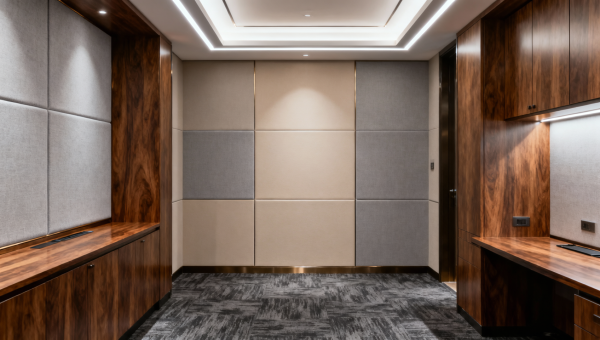
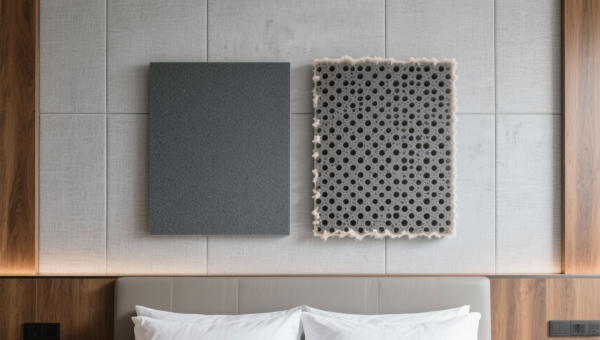
Sound control is also underestimated. Hospitality buyers focusing on visible FF&E may forget the cost of soundproofing materials around headboards, corridor walls, restaurant partitions, or movable banquet furniture. Yet acoustic complaints often appear within the first 30–60 days of operation. Retrofitting after launch usually costs more than integrating acoustic treatment during fit-out.
The table below summarizes missed launch costs that frequently affect commercial furniture investment decisions in hotels, restaurants, and catering venues.
The key lesson is that a supplier quotation is not the same as a launch-ready budget. Buyers should ask for a line-by-line commercial breakdown before issuing purchase orders, especially when hotel furniture must coordinate with catering equipment, decorative finishes, and opening-day operations.
Where these costs appear most often
Guestrooms
In guestrooms, hidden costs usually come from headboard wall treatment, wardrobe installation tolerance, mattress handling, bedside power integration, and corridor access during delivery. A room package may look simple on paper, but even a 10–20 mm dimensional conflict can trigger carpentry changes or placement issues.
Restaurants and breakfast areas
For dining spaces, hotel tables and chairs face higher wear frequency. That means greater attention to edge protection, cleanability, stacking practicality, and replacement stock. Catering equipment placement can also force late layout changes that affect furniture quantities and aisle widths.
Banquet and multi-function areas
Movable furniture creates hidden costs in storage, trolley compatibility, floor protection, and labor for setup turnover. If the venue plans daily or weekly room reconfiguration, durability and transport accessories should be treated as core procurement items, not optional extras.
How procurement teams can evaluate total launch cost instead of unit price
For procurement personnel and distributors, the best protection against missed launch costs is to shift from unit-price comparison to total cost evaluation. A practical framework is to review 5 checkpoints: technical fit, compliance readiness, delivery method, installation responsibility, and maintenance burden. This approach is especially useful when comparing multiple suppliers for hotel beds, hotel chairs, hotel tables, and mixed FF&E packages.
Total launch cost should include both direct and indirect items. Direct items include furniture, freight, duties where applicable, installation, and spare parts. Indirect items include project management time, coordination with contractors, delay risk, and early replacement exposure. In many hospitality openings, a cheaper offer becomes less competitive once 2–4 rounds of clarification and on-site adjustments are added.
The comparison table below can be used by hospitality buyers, commercial evaluators, and sourcing managers when scoring hotel furniture proposals before contract award.
When a supplier can answer these questions clearly, the procurement risk drops. This is also where GCT adds value for buyers and distributors: it helps shortlist suppliers based on commercial fit, customization capability, and sourcing practicality rather than relying on a narrow price lens.
A simple 4-step procurement check before approving orders
- Confirm room and area schedules against actual layout drawings, not only BOQ descriptions.
- Request packaging, delivery, and installation scope in writing, including debris removal and positioning.
- Review maintenance items such as glides, hinges, upholstery care, and spare inventory percentages.
- Align furniture lead time with catering equipment commissioning, because the opening program depends on both streams.
This process does not need to be complex. Even a structured 4-step review can prevent late commercial surprises and help decision-makers compare offers on a like-for-like basis.
What compliance, installation, and maintenance costs should be planned from day one
Compliance costs in hospitality furniture projects are often not dramatic individually, but together they can materially affect launch planning. Upholstered hotel chairs and headboards may require fire-related performance considerations depending on project jurisdiction. Powered desks, illuminated mirrors, or integrated bedside units may require electrical conformity review. Imported items may also need shipping marks, packing details, and document consistency to avoid customs delays.
Installation cost is another area that buyers underestimate. Commercial furniture is not always plug-and-place. Wall-fixed headboards, wardrobes, mirrors, and banquette seating can require leveling, anchoring, drilling coordination, and protection of finished surfaces. For a mid-size hotel, installation may run across 5–10 working days depending on room count, floor access, and site readiness. If construction is still ongoing, furniture teams may face waiting time or return visits.
Maintenance planning should begin before opening, not after defects appear. High-use furniture in lobby, restaurant, and guestroom settings needs a service view. Chairs may need glide replacement every few months in heavy traffic zones. Hinges, drawer runners, edge protection, and touch-up finishes should be documented during handover. A first-year maintenance reserve is often more realistic than assuming zero corrective cost.
For distributors and agents, these details also affect channel reputation. If end users experience loose joints, chipped laminate, or missing replacement parts within the first quarter, the commercial issue becomes larger than the original furniture sale. That is why launch budgeting must include both installation readiness and service continuity.
Useful planning ranges for hospitality buyers
- Sample approval for customized hotel furniture often takes 7–21 days depending on finish complexity.
- Commercial production and delivery commonly require several weeks, with longer timelines for mixed-material items or multi-room projects.
- Spare allocation is often reviewed by category, with seating and hardware-intensive items needing closer attention.
- Maintenance review should be scheduled at handover, then again within the first 30–90 days of operation.
Common misconceptions that raise total commercial furniture cost
“Standard furniture means no coordination risk”
Even standard models can fail if power points, skirting profiles, door swings, or cleaning clearances were not checked in advance. Standard does not mean site-ready.
“Warranty replaces maintenance planning”
Warranty coverage usually does not replace day-to-day care, misuse protection, or rapid access to replacement components. Operational maintenance still needs budget and procedure.
“The lowest freight quote is the best option”
Lower freight rates may exclude floor delivery, timed booking, protective handling, or unpacking. In hotels with constrained access, those omitted services matter more than the base freight figure.
FAQ: what buyers, evaluators, and distributors ask before opening a venue
How should I budget for hotel furniture beyond the purchase price?
Start with 4 categories: furniture supply, freight and access, installation and fixing, and post-installation readiness. Then add sample cost, spare units, touch-up materials, and basic maintenance stock. If the project includes custom hotel beds, wardrobes, or restaurant seating, allow time and budget for approval rounds and site coordination.
Which items are most frequently underestimated in a hotel launch?
The most common gaps are delivery handling, installation labor, compliance documentation, acoustic treatment, and first-year replacement planning. Buyers also underestimate the operational pressure on hotel chairs and tables in breakfast areas, banquet rooms, and conference settings, where wear frequency is much higher than in visual mock-ups.
How long should buyers allow for customized commercial furniture?
There is no universal timeline, but buyers should separate sample approval, production, and site installation into distinct stages. Even straightforward customization can add 1–3 weeks during approval. Multi-category hospitality projects need extra coordination when hotel furniture must arrive in sequence with catering equipment and interior finishing.
What should distributors check before representing a supplier?
Distributors should review documentation quality, customization consistency, packaging standards, replacement part support, and communication speed. They should also verify whether the supplier understands hospitality use conditions such as high turnover cleaning, stacking, room access limits, and phased opening schedules.
Why work with GCT when planning hotel furniture and catering equipment sourcing
Hospitality sourcing is no longer a simple product search. Buyers need to compare commercial suitability, visual standards, compliance readiness, and supply reliability across multiple categories. GCT supports this process by bringing together sector-focused sourcing intelligence for hotel and catering environments, helping procurement teams reduce uncertainty before contract commitment.
For information researchers and business evaluators, GCT offers a more practical decision base than scattered catalog review. It helps identify which suppliers can support custom hotel furniture, which solutions fit premium hospitality positioning, and which procurement paths are more realistic under tight launch deadlines. For distributors and agents, it also provides a stronger basis for supplier selection and market positioning.
If you are planning a hotel opening, restaurant upgrade, serviced apartment rollout, or multi-site hospitality sourcing program, the most useful next step is a structured consultation. You can discuss furniture parameters, customization scope, lead-time expectations, installation responsibilities, compliance questions, sample support, and quotation alignment across hotel beds, hotel chairs, hotel tables, hotel desks, hotel wardrobes, and related catering equipment packages.
Contact GCT to review your project brief, compare sourcing options, clarify hidden launch costs, and build a procurement roadmap that fits your commercial target, opening schedule, and operational standards. This is particularly valuable when you need side-by-side supplier evaluation, category bundling advice, or support for distributor-level product assessment.
Search News
Hot Articles
- Stage Lighting & TrussCCTV5 Snooker Broadcast Drives 37% Surge in Stage Lighting Export InquiriesApr 21, 2026
- Indoor PlaygroundVietnam Mandates Child Finger-Trap Sensors for Indoor Play EquipmentApr 21, 2026
- Stage Lighting & TrussGuangdong vs. Shanxi CBA Game Highlights Domestic Smart Arena LightingApr 21, 2026
Popular Tags
Need ExpertConsultation?
Connect with our specialized leisureengineering team for procurementstrategies.
Recommended News
 Apr 15, 2026SASO Updates Playground Standard SASO 2770:2026 with VR EMC RequirementsSASO 2770:2026 now mandates VR EMC testing for playground equipment — vital for Chinese exporters & VR-integrated system suppliers targeting Saudi Arabia.● Hospitality Sourcing Dir
 Apr 15, 2026Global VR Fitness Equipment Export Prices Up 12% MoMVR fitness equipment export prices surge 12% MoM—driven by XR2 Gen3 chip shortages & TÜV certification costs. Key insights for global trade & manufacturing stakeholders.● Hospitality Sourcing Dir
 Apr 15, 2026Vietnam Requires Local TUV SUD Type Testing for VR Fitness Cabins from Q2 2026VR fitness cabins for Vietnam must pass local TUV SUD Hanoi type testing from July 2026—no more CNAS reports. Act now to avoid delays & extra costs.● Hospitality Sourcing Dir
 Apr 15, 2026FDA Proposes Chinese Label Translation Requirement for Sports Nutrition SupplementsFDA proposes Chinese label translation requirements for sports nutrition supplements—learn how protein powders, creatine & electrolyte drinks are affected and what exporters must do now.● Hospitality Sourcing Dir
 Apr 15, 2026RCEP Round 3 Tariff Cuts Effective: China Optical Lenses 0% Duty to ASEANRCEP Round 3 cuts China optical lenses duty to 0% for ASEAN—boosting exports of sports goggles, ride lenses & stage optics. Faster Pingxiang Port clearance too!● Hospitality Sourcing Dir
 Apr 15, 2026CPSC Proposes New Fitness Tracker RF/Bio-Sensor Compliance RuleCPSC proposes new RF/bio-sensor compliance rule for fitness trackers—learn how heart rate, SpO₂ & exercise algorithm devices must prepare for UL/ETL dual-mode certification.● Hospitality Sourcing Dir
 Apr 21, 2026How hospitality procurement plans reduce replacement costsHospitality procurement cuts replacement costs by sourcing durable hotel furniture, hotel beds, hotel chairs, and hotel tables with long-term planning. Explore smarter commercial furniture strategies.● Hospitality Sourcing Dir
 Apr 21, 2026Hospitality procurement delays often start with approvalsHospitality procurement delays often begin with approvals. Learn how hotel furniture, luxury furniture, hotel beds, hotel chairs, and hotel tables sourcing can stay on schedule.● Hospitality Sourcing Dir
 Apr 21, 2026When catering equipment saves labor but slows serviceExplore how catering equipment can save labor yet slow service in hotel furniture environments. Learn smarter hospitality procurement for luxury furniture, hotel equipment, and smoother guest flow.● Hospitality Sourcing Dir
 Apr 21, 2026Catering equipment costs that often get missed at launchCatering equipment costs often missed at launch: uncover hidden expenses in hotel furniture, hotel beds, hotel chairs, soundproofing materials, and hospitality procurement to avoid delays and overspending.● Hospitality Sourcing Dir
 Apr 18, 2026FDA Proposes Chinese Label Translation Requirement for US Sports SupplementsFDA proposes Chinese label translation requirements for US sports supplements—impacting protein powders, BCAAs & energy gels. Learn compliance steps, costs, and what brands must do before April 2026.● Hospitality Sourcing Dir
 Apr 18, 2026Catering equipment with dual-voltage capability: A real flexibility boost or just extra wiring?Dual-voltage catering equipment delivers real flexibility for leisure parks, theme park rides & hotels—cutting downtime, simplifying custom furniture integration, and boosting ROI. Discover if it’s worth the premium.● Hospitality Sourcing Dir
 Apr 18, 2026Catering equipment that fails quietly—why noise isn’t the only red flagCatering equipment, hotel beds, playground structures & theme park rides can fail silently—discover hidden risks in soundproofing materials, custom furniture & instrument cables.● Hospitality Sourcing Dir
 Apr 17, 2026Commercial kitchen furniture vs. office furniture: Why load ratings differ so muchCommercial furniture load ratings ensure safety for playground borders, sensory playgrounds, amusement equipment & hotel tables—discover why they far exceed office standards.● Hospitality Sourcing Dir
 Apr 15, 2026Commercial kitchen furniture that handles steam, spills, and 18-hour shiftsCommercial furniture built for steam, spills & 18-hour shifts—ideal for playground borders, sensory playgrounds, hotel tables, amusement equipment & more.● Hospitality Sourcing Dir
 Apr 12, 2026Catering equipment that survives festival chaos—what commercial kitchens won’t tell youOutdoor playgrounds, theme park rides & inclusive playgrounds demand rugged catering equipment—discover NSF-certified, soundproofing-ready, modular solutions built for festival chaos.● Hospitality Sourcing Dir
 Apr 12, 2026Catering equipment rated for indoor use—why it fails fast when moved outdoorsOutdoor playground & theme park rides need certified outdoor catering equipment—not indoor-rated gear. Avoid failures with UV-, salt-, and thermal-resistant solutions for playground structures, inclusive playgrounds, and custom furniture.● Hospitality Sourcing Dir
 Apr 10, 2026Commercial sound systems with Dante support—do they require certified switches to avoid dropouts?Discover why commercial sound systems with Dante support need certified switches—plus pro audio equipment, microphone systems, and soundproofing materials for drop-free live sound.● Hospitality Sourcing Dir
 Apr 10, 2026Commercial sound systems rated for 10,000 sq ft—but what happens at 35°C ambient temperature?Discover thermal-resilient commercial sound systems, pro audio equipment & soundproofing materials engineered for 35°C—plus instrument cables, microphone systems, and music production tools tested to 96-hour IEC standards.● Hospitality Sourcing Dir
 Apr 07, 2026Catering equipment energy labels: Why kWh/year doesn’t reflect peak-load realityCatering equipment energy labels mislead—discover why kWh/year fails luxury retail. Explore real-world peak-load insights for hotel furniture, soundproofing materials & custom furniture.● Hospitality Sourcing Dir
 Apr 07, 2026Catering equipment specs that get overlooked in commercial kitchen layout planningDiscover overlooked catering equipment specs critical for luxury retail—outdoor playground safety, custom furniture integration, soundproofing materials, hotel chairs & more.● Hospitality Sourcing Dir
 Apr 04, 2026Commercial Kitchen Equipment Orders Include More Office Supplies Than You’d Expect — Here’s the PatternOffice supplies supplier? Discover how top office supplies wholesalers & OEM manufacturers win commercial kitchen-linked orders—get cross-category verified now!● Hospitality Sourcing Dir
 Apr 02, 2026The hidden cost of choosing cheaper soundproofing materials for high-occupancy hotel corridorsDiscover why budget soundproofing materials undermine hotel furniture, hospitality procurement, and guest satisfaction—learn the true ROI of premium acoustic solutions.● Hospitality Sourcing Dir
") Apr 02, 2026Soundproofing materials that pass fire codes—and ones that don’t (but still get installed)Discover fire-code-compliant soundproofing materials for hotel furniture, recording studio gear & outdoor play structures—plus risky non-compliant picks still in use.● Hospitality Sourcing Dir
Apr 02, 2026Soundproofing materials that pass fire codes—and ones that don’t (but still get installed)Discover fire-code-compliant soundproofing materials for hotel furniture, recording studio gear & outdoor play structures—plus risky non-compliant picks still in use.● Hospitality Sourcing Dir