How to Choose Hotel Beds That Last
Choosing hotel beds that last is about more than comfort—it requires smart sourcing, durable materials, and alignment with broader hospitality investments such as custom furniture, catering equipment, and soundproofing materials. For procurement teams, distributors, and commercial evaluators, understanding long-term performance, supplier credibility, and lifecycle value is essential to building guest-focused spaces that stay competitive and cost-efficient.
Why durability matters more in hospitality and leisure procurement
In hotels, resorts, sports lodges, golf clubs, amusement destinations, and mixed-use entertainment properties, a bed is not a one-time furniture purchase. It is a high-frequency asset that supports occupancy, brand positioning, maintenance efficiency, and guest satisfaction over a service life that often ranges from 5 to 10 years, depending on room category, turnover rate, and maintenance discipline.
For procurement professionals, the challenge is not simply finding a comfortable hotel bed. The real task is selecting a bed system that can handle repeated use, regular housekeeping cycles, shifting guest weight profiles, luggage impact, and occasional room reconfiguration without early sagging, structural looseness, or upholstery failure.
This is especially relevant in the sports and entertainment sector, where guest traffic can be less predictable than in standard business hotels. Properties near stadiums, theme parks, ski areas, beach clubs, and event venues may experience sharp occupancy peaks across weekends, holidays, and tournament periods. That pattern increases wear concentration over shorter time windows.
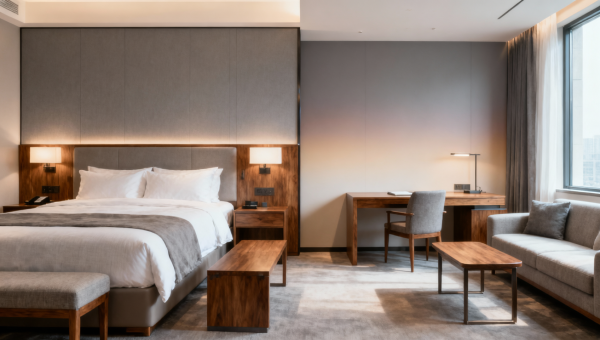
A durable hotel bed also affects adjacent procurement categories. When a bed frame shifts, slats fail, or a mattress loses edge support, complaints often spill into perceptions of room acoustics, furniture quality, and overall property upkeep. In practice, hotel beds should be evaluated as part of the total room experience rather than as an isolated line item.
What buyers should measure beyond purchase price
A lower upfront quote can become expensive when replacement cycles accelerate from 8 years to 3–4 years. Frequent replacement raises freight costs, installation disruption, temporary room downtime, and mismatched aesthetics across phased renovations. Commercial buyers should therefore compare lifecycle cost, not only initial unit price.
- Expected service life under commercial use, typically reviewed in 3-year, 5-year, and 8-year budgeting windows.
- Maintenance burden, including fabric cleaning, hardware tightening frequency, and mattress rotation schedules.
- Replacement complexity, especially for projects using custom headboards, integrated lighting, or platform bed designs.
- Guest-facing performance indicators such as edge stability, noise control, and comfort consistency between rooms.
For distributors and sourcing teams, these dimensions are critical because they directly affect reorder rates, after-sales claims, and the credibility of the supplied product portfolio. A bed that performs well in a showroom but fails after 12–18 months in active hospitality use creates avoidable commercial risk.
How to choose hotel beds that last: the core technical checklist
When buyers ask how to choose hotel beds that last, the answer usually starts with four technical areas: frame structure, mattress build, upholstery or surface finish, and hardware integrity. These components must work together. A durable mattress on a weak base, or a strong base with poor edge support, still leads to early guest complaints.
In commercial hospitality, bed systems are often evaluated through repeated loading, motion transfer, noise generation, and ease of housekeeping. Properties serving family leisure travelers, event groups, or extended-stay guests should pay extra attention to edge sitting stress and luggage impact against corners and side rails.
The table below helps procurement teams compare the most practical durability factors during supplier assessment, sample review, and pre-order negotiations. It can also support internal approval between purchasing, operations, and finance.
This comparison shows why durable hotel beds should be assessed as a system. In many projects, failure begins at the connection points: loose brackets, weak center rails, low-grade slats, or poor corner reinforcement. Buyers who only compare mattress feel during a short sample session often miss these high-impact structural issues.
Frame, foundation, and mattress: where long-term value is created
1. Bed frame strength
Commercial bed frames should remain stable under repeated use, not just static display conditions. In practical sourcing, buyers should ask whether the frame uses reinforced side rails, center support for larger sizes, and fastening points designed for repeated tightening. Rooms with king-size beds or split-bed configurations usually need extra attention to alignment and movement control.
For projects with frequent furniture repositioning, such as event-driven resort rooms or seasonal refurbishment cycles, a frame that tolerates 2–3 assembly events without joint degradation can reduce replacement risk. This is highly relevant for operators managing phased openings or multi-property rollouts.
2. Mattress construction
A hotel mattress should balance comfort and commercial resilience. Buyers often compare spring systems, foam layers, topper integration, and edge reinforcement. For hospitality use, the key question is whether the mattress maintains support after repeated occupancy cycles and scheduled rotations every 3–6 months.
Properties serving families, sports teams, or leisure groups may see more edge sitting and heavier baggage use than urban corporate hotels. Strong edge support helps reduce collapse at the mattress perimeter, which is one of the most visible early failure points in guest rooms.
3. Upholstery and finish durability
If the bed base is upholstered, fabric selection affects both longevity and housekeeping efficiency. Tight seams, durable stitching, and cleanable surfaces are important, especially in resort, spa, and entertainment properties where food, drinks, sun care products, or sports gear may increase staining risk.
For wood or laminate finishes, procurement teams should review scratch visibility, edge banding quality, and resistance to repeated cleaning. These details matter because appearance loss often triggers replacement even before structural failure occurs.
Which hotel bed types fit different hospitality and entertainment settings?
Not every hospitality project needs the same bed solution. A luxury resort suite, a sports training lodge, a family entertainment hotel, and a serviced apartment all face different occupancy patterns and maintenance demands. Matching the bed type to the property model is one of the most effective ways to extend lifespan and avoid over- or under-specifying the product.
In sports and entertainment environments, buyers should also think about operational intensity. A property linked to a theme park may process faster room turnover during peak seasons, while a golf resort may focus more on premium aesthetics and sleep quality for longer stays. Bed selection should reflect this operational reality.
The table below compares common hotel bed approaches by use scenario, durability focus, and procurement considerations.
This comparison helps buyers avoid a common mistake: selecting a bed based only on style boards or showroom comfort. The right choice depends on turnover rate, room positioning, maintenance capacity, and whether the property values fast replacement, premium appearance, or flexible room use most strongly.
Scenario-based selection priorities
For leisure resorts, the bed often supports premium pricing, so visual integration with custom furniture, lighting, and acoustic design matters. In this case, sourcing teams should request finish samples, construction drawings, and replacement part planning before mass production begins.
For family entertainment hotels, durability and cleaning performance may outweigh highly customized structures. Here, buyers often prefer standardized dimensions, replaceable components, and surface materials that perform well under daily housekeeping with fast turnaround targets.
For sports lodges or event-oriented accommodation, modular flexibility can be valuable. Beds that convert between twin and king arrangements may increase room saleability, but procurement teams should check whether connectors, toppers, and alignment devices remain stable after repeated reconfiguration.
What should procurement teams ask suppliers before placing an order?
A durable hotel bed starts with a credible supplier, not only a promising sample. Buyers should review manufacturing consistency, material sourcing transparency, packaging quality, spare parts planning, and the supplier’s ability to support large projects across lead times that commonly range from 4–8 weeks or longer for customized orders.
This is where structured sourcing support becomes valuable. Global Commercial Trade helps commercial buyers, distributors, and project teams compare suppliers across hospitality-focused criteria, including OEM or ODM capability, customization feasibility, coordination with room furniture packages, and practical delivery considerations for international projects.
Before final approval, procurement teams should usually complete at least 3 stages: sample review, commercial negotiation, and pre-shipment verification. In projects involving multiple room types, mock-up room confirmation can further reduce mismatch risk between design intent and operational performance.
Supplier due diligence checklist
- Ask for material specifications for frames, support structures, coverings, and mattress build layers rather than relying on descriptive labels alone.
- Confirm whether spare parts such as legs, brackets, connectors, or replacement upholstery panels can be supplied after installation.
- Review packaging design for export handling, especially if shipments involve long transit routes, transshipment, or project warehousing.
- Check whether the supplier can coordinate bed production with headboards, side tables, or related custom furniture to reduce installation mismatch.
- Clarify documentation on fire-related material requirements, labeling, and market-specific compliance expectations where applicable.
In many hospitality projects, bed procurement fails not because the product is unusable, but because communication gaps appear too late. Dimensions may conflict with room layouts, fabric approvals may be delayed, or replacement components may not be available after handover. A disciplined supplier review process lowers these risks.
Lead time, sampling, and rollout planning
For standard commercial beds, sample preparation may take 7–15 days, while customized hospitality sets can require 3–6 weeks depending on upholstery, finish, and room package coordination. Bulk production timelines should also account for peak manufacturing seasons and project shipping windows.
For multi-site groups or distributors serving several properties, phased rollout planning is often more effective than one large shipment. It allows early room feedback, installation adjustment, and quality verification before the next batch is released. This can be particularly useful for resort expansions and entertainment venue-adjacent accommodation projects.
How to balance cost, compliance, and replacement risk
Commercial buyers often face a difficult trade-off: should they prioritize a lower entry price, or invest more for a bed system likely to perform longer? The answer depends on occupancy intensity, room rate strategy, expected refurbishment cycle, and the operational cost of guest complaints or unplanned replacement.
In practice, a hotel bed should not be evaluated separately from mattresses, headboards, room acoustics, and cleaning workflows. If a property uses sound-sensitive interior layouts, unstable frames or squeaking joints can create perceived room quality issues that affect reviews. Likewise, finishes that stain easily increase housekeeping time and shorten the visual life of the room.
Where local regulations or buyer requirements apply, material behavior and labeling may also matter. While specific compliance needs vary by market, buyers should discuss fire-related requirements, upholstery suitability, and documentation expectations early in the sourcing process rather than after production begins.
A practical cost framework for hotel bed procurement
Instead of comparing only unit prices, use a 5-point cost review:
- Initial unit cost, including frame, mattress, and any integrated headboard components.
- Freight and installation cost, especially for bulky or assembled bed bases.
- Maintenance burden over 12-month and 36-month periods.
- Expected replacement timing under the property’s occupancy profile.
- Revenue impact from guest dissatisfaction, room downtime, or inconsistent room standards.
This framework often reveals that a moderately higher specification becomes more economical when spread across 5–8 years of service. For business evaluators and hospitality owners, that makes the decision easier to defend internally.
Common mistakes that shorten bed lifespan
One common mistake is specifying a residential-style bed for a commercial room. Another is approving samples based on appearance alone without checking support structure, hardware access, or replacement part availability. A third is failing to align bed dimensions with housekeeping tools, room circulation, and luggage placement patterns.
Buyers also underestimate the value of preventive maintenance. Mattress rotation every 3–6 months, periodic fastener inspection, and prompt repair of loose components can significantly extend useful life. Even a durable hotel bed will underperform if maintenance planning is absent.
FAQ: hotel bed sourcing questions buyers ask most often
How long should hotel beds last in commercial use?
There is no single answer because lifespan depends on occupancy intensity, bed design, mattress quality, housekeeping practice, and maintenance frequency. In many commercial settings, buyers evaluate replacement planning across a 5–10 year window for the bed base, while mattresses may require closer review earlier if room turnover is high.
Properties with seasonal surges, such as theme park hotels or sports-event accommodation, should assess wear after each peak cycle rather than waiting for visible guest complaints. Early inspection helps control replacement budgets.
What is the best bed type for high-turnover leisure hotels?
For many high-turnover properties, standardized commercial bed systems with serviceable components are practical because they simplify maintenance and phased replacement. However, the best choice still depends on room positioning. Premium rooms may justify more customized structures, while standard rooms benefit from faster serviceability and stronger cleaning tolerance.
A good rule is to match the bed to the property’s dominant operating model: premium experience, fast turnover, flexible rooming, or long-stay comfort. This keeps procurement strategy aligned with operational reality.
Which specifications matter most during sample evaluation?
Focus on 4 areas: frame stability, mattress support retention, surface cleanability, and assembly quality. During review, check edge sitting behavior, movement noise, seam consistency, underside construction, and whether repeated use points appear reinforced. If possible, compare more than one supplier sample using the same room mock-up conditions.
Also review documentation quality. Suppliers that provide clear specifications, structured drawings, and practical answers about spare parts usually support smoother project execution.
How can distributors reduce risk when adding hotel beds to their portfolio?
Distributors should avoid broad catalog expansion without technical screening. Start with a smaller range built around 2–3 proven hospitality use cases, such as premium resort rooms, standard hotel rooms, and flexible twin-king setups. This makes stock planning, sales training, and after-sales support more manageable.
Working with a sourcing and intelligence platform such as Global Commercial Trade can help distributors compare supplier readiness, customization scope, and category fit across hospitality and related commercial furnishing projects.
Why work with Global Commercial Trade for hotel bed sourcing decisions
For buyers researching how to choose hotel beds that last, the main obstacle is rarely a lack of product options. The real problem is filtering those options into a reliable commercial decision. Global Commercial Trade supports that process by connecting procurement teams, evaluators, and channel partners with focused sourcing intelligence across hospitality, leisure, and commercial experience sectors.
Because hotel beds often sit within a larger procurement package that may include custom furniture, catering equipment, acoustic materials, or other guest-room investments, buyers need cross-category visibility. GCT helps commercial stakeholders assess not just product appeal, but supplier suitability, project coordination, and long-term sourcing feasibility.
If you are comparing hotel bed suppliers for a resort, sports lodge, entertainment hotel, or multi-property hospitality rollout, you can consult GCT on practical issues such as parameter confirmation, suitable bed configurations, customization options, lead time planning, documentation needs, sample support, and quotation alignment for your target market.
This is especially useful for procurement teams facing tight deadlines, distributors building a stronger hospitality product line, or business evaluators who need a clearer basis for supplier comparison. A more structured sourcing process usually leads to fewer approval delays, lower replacement risk, and better lifecycle value.
What you can discuss with GCT
- Hotel bed specifications for different room categories, from standard guest rooms to premium leisure suites.
- Supplier shortlisting based on durability expectations, customization needs, and project scope.
- Lead time planning for samples, production, and phased delivery across 1 property or multiple sites.
- Commercial discussion points for quotations, replacement planning, and accessory or furniture coordination.
- Guidance on common compliance questions, material selection, and practical procurement risk control.
If your next project requires hotel beds that combine durability, guest comfort, and sourcing practicality, now is the right time to review your specifications in detail. Share your room type, target market, estimated quantity, preferred style, and timeline, and GCT can help you move from broad market research to a more confident sourcing decision.
Search News
Hot Articles
- Stage Lighting & TrussCCTV5 Snooker Broadcast Drives 37% Surge in Stage Lighting Export InquiriesApr 21, 2026
- Indoor PlaygroundVietnam Mandates Child Finger-Trap Sensors for Indoor Play EquipmentApr 21, 2026
- Stage Lighting & TrussGuangdong vs. Shanxi CBA Game Highlights Domestic Smart Arena LightingApr 21, 2026
Popular Tags
Need ExpertConsultation?
Connect with our specialized leisureengineering team for procurementstrategies.
Recommended News
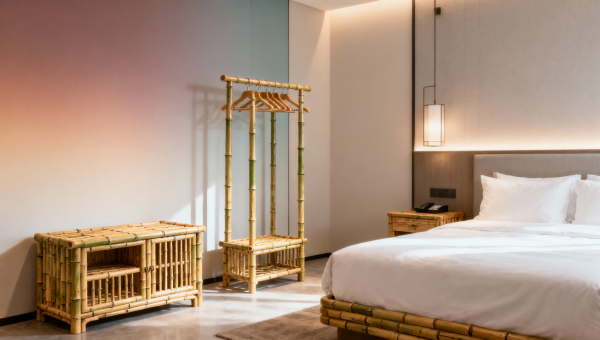
 Apr 10, 2026RCEP Cuts ASEAN Hotel Furniture Tariffs to 0% for Chinese Bamboo ProductsRCEP cuts ASEAN hotel furniture tariffs to 0% for Chinese bamboo products. Explore how this benefits exporters, procurement teams & supply chains in Southeast Asia's booming hospitality sector.● Hospitality Sourcing Dir
 Apr 10, 2026US Hotel Association Updates 2026 Smart Room Tech Guidelines, Mandates UL 2900-2-2 CertificationUS Hotel Association mandates UL 2900-2-2 certification for smart room tech by 2026. Learn how this impacts IoT manufacturers and hotel chains' procurement strategies.● Hospitality Sourcing Dir
 Apr 10, 2026EU Mandates QR Codes for Hotel Linens: China Exporters Must Comply by April 2026EU mandates QR codes for hotel linens by 2026, impacting China's textile exporters. Learn compliance requirements for traceability, sustainability reporting, and supply chain adaptation.● Hospitality Sourcing Dir
 Apr 09, 2026Zibo Launches 'Treasure Shandong Through the Lens' Photo Tour, Themed Homestays Emerge as Cross-Border Marketing ToolDiscover Zibo's 'Treasure Shandong Through the Lens' photo tour featuring 32 themed homestays blending vintage cameras, Hanfu culture & industrial spaces. A groundbreaking cross-border marketing model attracting global influencers & platforms like Rakuten Travel.● Hospitality Sourcing Dir
 Apr 09, 2026Yangzhou Slender West Lake Flower Festival Opens, Blending Heritage and Tech for Luxury TourismDiscover the 2026 Yangzhou Slender West Lake Flower Festival, blending heritage crafts with AR technology for luxury tourism. Experience cultural performances, workshops, and themed stays attracting global travelers. Explore China's new era of experiential tourism.● Hospitality Sourcing Dir
 Apr 09, 2026New Team Travel Contracts Raise Compliance Standards for Overseas AgenciesNew team travel contracts enforce stricter compliance for overseas agencies, requiring rigorous vetting of Chinese suppliers. Learn how these 2026 regulations impact study tours, hotels, and global partnerships.● Hospitality Sourcing Dir
 Apr 09, 2026Shangyou County's Hotel Subsidy Policy Boosts China's MICE Tourism AppealShangyou County's 2026 hotel subsidy policy offers RMB 100 per room for MICE tourism, boosting China's appeal to international buyers. Discover how this strategic move enhances cost-effective accommodations for corporate events and study tours.● Hospitality Sourcing Dir
 Apr 21, 2026Open or closed hotel wardrobes for easier housekeeping?Hotel wardrobes affect housekeeping speed, guest appeal, and hospitality procurement. Compare open vs closed designs for hotel furniture, luxury furniture, and hotel room furniture planning.● Hospitality Sourcing Dir
 Apr 21, 2026Hotel wardrobes that fit luggage without wasting spaceHotel wardrobes that fit luggage smartly without wasting space—explore hotel furniture solutions that elevate hotel room furniture, support hospitality procurement, and enhance guest comfort.● Hospitality Sourcing Dir
 Apr 21, 2026Why hotel room furniture wears unevenly after openingHotel furniture wear starts unevenly from day one. Learn how hotel beds, hotel chairs, hotel desks and hotel room furniture perform in real use, with smart hospitality procurement tips.● Hospitality Sourcing Dir
 Apr 21, 2026Hotel room furniture packages that cut design mismatchHotel room furniture packages align hotel furniture, hotel beds, hotel chairs, hotel tables, and hotel desks with luxury furniture standards—reducing design mismatch and speeding hospitality procurement.● Hospitality Sourcing Dir
 Apr 21, 2026Low seat or deep seat hotel sofas for modern lobbies?Hotel furniture buyers compare low seat and deep seat hotel sofas for modern lobbies. Explore luxury furniture choices that improve comfort, traffic flow, brand image, and hospitality procurement value.● Hospitality Sourcing Dir
 Apr 21, 2026Hotel sofas that keep their shape in high traffic areasHotel sofas, hotel furniture, and hospitality furniture that keep shape in high-traffic areas—discover luxury furniture sourcing tips, durable commercial furniture specs, and smarter hospitality procurement.● Hospitality Sourcing Dir
 Apr 21, 2026Why hospitality furniture needs different specs by zoneHospitality furniture specs vary by zone. Learn how hotel furniture, hotel beds, hotel chairs, hotel tables, and hotel desks improve durability, ROI, and luxury guest experience.● Hospitality Sourcing Dir
 Apr 21, 2026Hospitality furniture that supports faster room turnoverHospitality furniture that speeds room turnover: compare hotel beds, hotel chairs, hotel tables, hotel desks and hotel sofas for easier cleaning, durability, and smarter hospitality procurement.● Hospitality Sourcing Dir
 Apr 21, 2026Where hotel equipment budgets usually go off trackHotel furniture and hotel equipment budgets often fail from hidden scope, logistics, and lifecycle costs. Learn smarter hospitality procurement for hotel beds, chairs, tables, and luxury furniture.● Hospitality Sourcing Dir
 Apr 21, 2026Hotel equipment upgrades that improve guest flow firstHotel equipment upgrades improve guest flow fast with hotel furniture, hotel beds, hotel chairs, catering equipment, and soundproofing materials—boost comfort, efficiency, and procurement ROI.● Hospitality Sourcing Dir
 Apr 21, 2026What shortens the life of commercial furniture in hotelsHotel furniture and commercial furniture wear out fast when hotel beds, hotel chairs, hotel tables, hotel desks, and hotel sofas face heavy use, poor maintenance, and weak materials. Learn smart hospitality procurement tips.● Hospitality Sourcing Dir
 Apr 21, 2026Commercial furniture trends hotels are actually adoptingCommercial furniture trends hotels are adopting: luxury furniture, hotel beds, hotel chairs, hotel tables and hotel sofas that improve hotel furniture sourcing, durability, and hospitality procurement value.● Hospitality Sourcing Dir
 Apr 21, 2026How to spot hotel furniture built for daily wearHotel furniture buying guide: learn how to assess hotel beds, hotel chairs, hotel tables, and hospitality furniture for daily wear, lower maintenance, and smarter hospitality procurement.● Hospitality Sourcing Dir
 Apr 21, 2026Hotel furniture mistakes that age a room too quicklyHotel furniture buying guide: avoid costly hotel beds, hotel chairs, and hotel room furniture mistakes. Discover luxury furniture tips for durable, brand-right hospitality procurement.● Hospitality Sourcing Dir
 Apr 21, 2026Why some soundproofing materials fail after installationLearn why soundproofing materials fail after installation in hotel furniture projects. Explore hotel beds, hotel sofas, hotel wardrobes and hospitality procurement tips for lasting acoustic performance.● Hospitality Sourcing Dir
 Apr 21, 2026Soundproofing materials that work best between guest roomsSoundproofing materials for hotel furniture projects: discover the best systems between guest rooms, from mineral wool to acoustic doors, to improve comfort, protect reviews, and support hospitality procurement.● Hospitality Sourcing Dir
 Apr 21, 2026How firm should hotel beds be for mixed guest profiles?Hotel beds for mixed guest profiles: learn how hotel furniture and hospitality procurement teams balance comfort, durability, and luxury furniture standards to improve guest satisfaction.● Hospitality Sourcing Dir