Six Gulf States Launch Joint Smart Campus Tech Procurement Framework
On May 22, 2026, the Ministries of Education of Saudi Arabia, the UAE, Qatar, Kuwait, Oman, and Bahrain signed the GCC Joint Memorandum on Smart Campus Technology Procurement, establishing a unified technical standard (GCC-EDU-TS 2026) and a vendor pre-qualified white list. This development is directly relevant to Chinese education technology manufacturers, export-oriented edtech solution providers, and certification and compliance service firms — particularly those engaged in smart campus infrastructure, learning management systems, IoT-enabled classroom equipment, and integrated campus operation platforms.
Event Overview
On May 22, 2026, the education ministries of Saudi Arabia, the United Arab Emirates, Qatar, Kuwait, Oman, and Bahrain jointly signed the GCC Joint Memorandum on Smart Campus Technology Procurement. The memorandum establishes a coordinated procurement framework for smart campus technologies across the six Gulf Cooperation Council (GCC) countries. It introduces the GCC-EDU-TS 2026 unified technical standard and a supplier white list mechanism. Chinese enterprises that comply with China’s GB/T 36342-2025 General Specification for Smart Campus Systems and hold CNAS accreditation may apply for white list inclusion using domestic test reports only — without undergoing duplicate testing. Successful applicants gain priority in negotiated tendering and access to local currency settlement channels.
Industries Affected by This Development
Direct Exporters of Education Technology Equipment and Systems
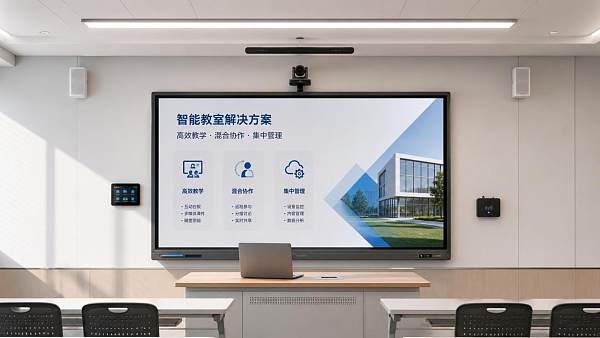
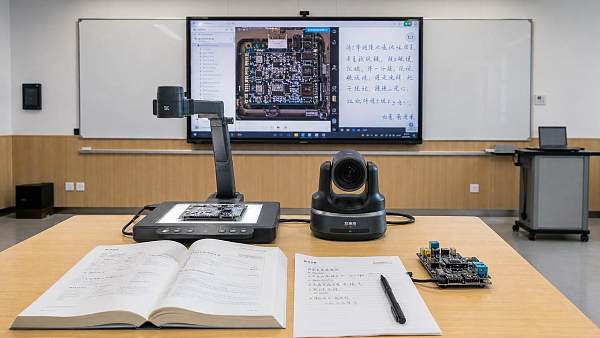
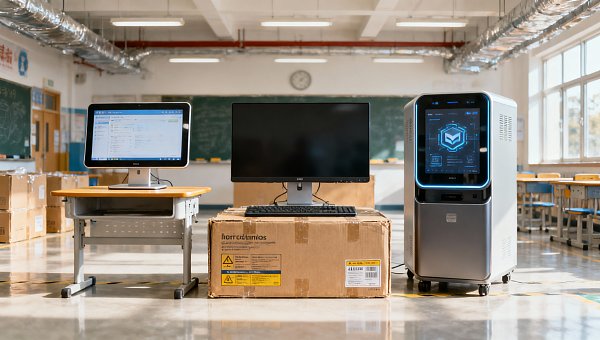
These include Chinese manufacturers and integrators supplying hardware (e.g., interactive displays, AI-powered classroom cameras, campus-wide IoT gateways), software platforms (e.g., LMS, campus data analytics dashboards), and turnkey smart campus solutions. They are affected because the white list replaces fragmented national bidding processes with a streamlined, regionally harmonized entry pathway — lowering administrative barriers but raising the bar for standardized compliance documentation.
Certification, Testing, and Compliance Service Providers
Firms offering CNAS-accredited testing, conformity assessment, or technical documentation support for GB/T 36342-2025 are directly impacted. Demand for domestically issued, GCC-recognized test reports is expected to increase. However, no new GCC-specific certification body has been named, and reliance remains on CNAS-validated domestic reports.
Supply Chain and Logistics Operators Specializing in Edtech Exports
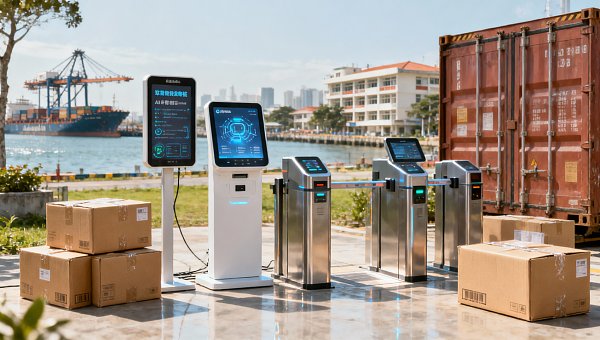
Companies managing cross-border delivery, customs clearance, and after-sales service coordination for smart campus products face revised documentation requirements. Inclusion in the white list implies tighter alignment between shipment manifests, technical specifications, and GCC-EDU-TS 2026 clause references — especially where local currency settlement applies.
What Relevant Enterprises or Practitioners Should Focus On Now
Monitor official GCC implementation guidelines and application portal launch dates
The Memorandum confirms the framework’s existence but does not yet publish operational details: no application window, no designated GCC coordinating body, and no published white list submission platform have been announced as of May 2026. Enterprises should track updates from the GCC Secretariat and individual GCC Ministry of Education websites.
Verify alignment of current product documentation with both GB/T 36342-2025 and GCC-EDU-TS 2026 clause mapping
Although GCC-EDU-TS 2026 is confirmed as the governing standard, its full text has not been publicly released. Enterprises should cross-reference their existing GB/T 36342-2025-compliant test reports against known GCC interoperability and data governance priorities — such as Arabic language UI support, cloud data residency provisions, and cybersecurity audit readiness — ahead of formal submission.
Distinguish between policy signal and procurement reality
Analysis shows this is currently a framework-level agreement — not an active tender program. No volume forecasts, budget allocations, or phased rollout timelines have been disclosed. Enterprises should treat initial white list registration as a strategic positioning step, not an immediate sales trigger.
Prepare localized financial and contractual infrastructure for local currency settlement
The white list enables local currency settlement, but eligibility requires matching banking arrangements. Exporters should assess whether their current finance operations support multi-currency invoicing, GCC-based escrow options, or partner-led settlement facilitation — particularly for contracts denominated in SAR, AED, or QAR.
Editorial Perspective / Industry Observation
Observably, this initiative signals a structural shift toward regional procurement consolidation in Gulf education infrastructure — not merely another bilateral MOU. Its significance lies less in immediate transaction volume and more in the precedent it sets: harmonized standards and shared vendor vetting reduce long-term market-entry friction for compliant suppliers. However, it remains a policy signal rather than an operational mechanism; actual tender activity will depend on subsequent national budget cycles and GCC-level coordination capacity. From an industry perspective, sustained attention is warranted — not because bids are imminent, but because technical standard alignment now carries multi-country validity, reshaping R&D and compliance roadmaps for exporters targeting the Gulf.
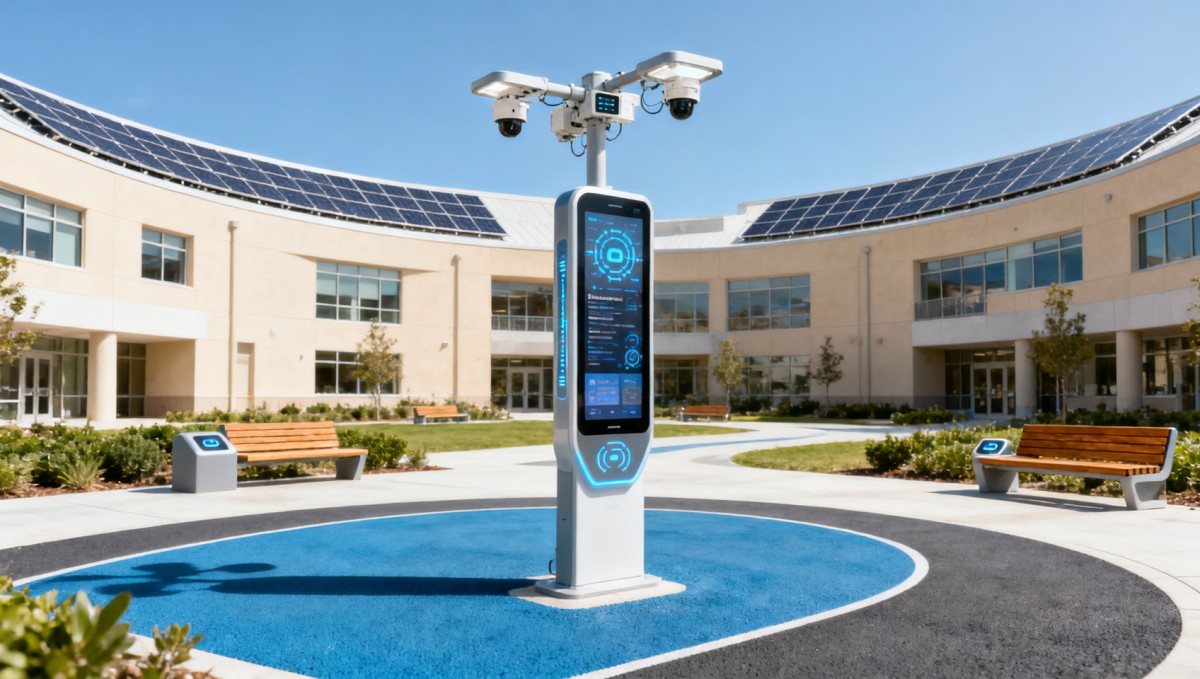
In summary, the joint procurement framework represents a formalized, standards-driven opening for qualified Chinese smart campus technology suppliers into six GCC education markets — but one that prioritizes regulatory readiness over short-term commercial activation. It is best understood today as a foundational infrastructure upgrade for market access, not a near-term sales catalyst.
Source: Official joint announcement by the Ministries of Education of Saudi Arabia, UAE, Qatar, Kuwait, Oman, and Bahrain, dated May 22, 2026.
Note: Full text of GCC-EDU-TS 2026, white list application procedures, and implementation timeline remain pending public release and are subject to ongoing observation.
Search News
Hot Articles
- Fashion & Gem JewelryThermal Diamond Testers: How They Work and When They Can Misidentify StonesOct 07, 2026
- Commercial KitchenWhat Is Driving Demand for Commercial Hospitality Projects Across the GCC?Oct 06, 2026
- Hotel Room AmenitiesHow to Select Hotel Hair Dryers That Balance Guest Safety, Durability, and CostOct 05, 2026
Popular Tags
Need ExpertConsultation?
Connect with our specialized leisureengineering team for procurementstrategies.
Recommended News
 Sep 28, 2026How U.S. Schools Can Choose Laboratory Equipment for Safe, Compliant Science LabsSchool laboratory equipment USA: learn how to select safe, compliant lab furniture, ventilation, emergency systems, and durable tools for K–12 science labs.● Institutional Buyer
 Sep 16, 2026How to Source Educational Furniture Worldwide for Safe, Flexible Learning SpacesEducational furniture worldwide: learn how to source safe, flexible, durable learning-space solutions while controlling compliance, logistics, and lifecycle costs.● Institutional Buyer
 Aug 31, 2026How to Plan Smart Classroom Solutions That Improve Learning and IT ManageabilitySmart classroom solutions: learn how to plan secure, scalable teaching spaces that improve learning, simplify IT management, and reduce lifecycle costs.● Institutional Buyer
 Aug 01, 2026How to Specify an EN54 School PA System for Safe, Compliant Campus Voice EvacuationEN54 school PA system specification guide for safer, compliant campus voice evacuation. Learn zoning, intelligibility, monitoring, tender tips, and handover checks.● Institutional Buyer
 Jul 15, 2026Vietnam Tightens Import Rules for Smart Campus TechVietnam Tightens Import Rules for Smart Campus Tech: learn how MOIT’s 2026 data hosting and NEP connection rules may reshape import approval, sourcing timelines, and delivery planning.● Institutional Buyer
 Jul 14, 2026Thailand TISI Tightens Rules for Smart Campus TerminalsThailand TISI tightens rules for smart campus terminals, requiring Thai speech recognition and local biometric data storage. Learn the compliance impact, timeline risks, and what exporters must do now.● Institutional Buyer
 Jul 13, 2026Red Sea Rerouting Lifts Smart Campus Tech Shipping CostsRed Sea rerouting lifts Smart Campus Tech shipping costs, extends Asia-Europe booking lead times, and delays delivery. See what exporters, buyers, and logistics teams should do now.● Institutional Buyer
 Jul 12, 2026Event Technology for Live Venues: What Systems Matter Most for Seamless Operations?Event technology defines how live venues handle ticketing, AV, access, and monitoring. Discover which systems matter most for seamless operations, higher uptime, and better guest experiences.● Institutional Buyer
 Jul 11, 2026What Is a Campus Procurement Platform and How Does It Improve School Purchasing Workflows?Campus procurement platform explained: learn how it streamlines school purchasing workflows, improves approval control, boosts spend visibility, and reduces delays across campus buying.● Institutional Buyer
 Jul 10, 2026Vietnam Raises Smart Campus Tech Import Tariff to 12%Vietnam Raises Smart Campus Tech Import Tariff to 12%: explore how the new Vietnam smart campus tech tariff impacts pricing, sourcing, and local assembly strategies across Southeast Asia.● Institutional Buyer
 Jul 10, 2026Interactive Document Camera vs Webcam: Which Works Better for Smart Classrooms?Interactive document camera vs webcam: discover which delivers clearer content sharing, faster lesson flow, and better hybrid teaching performance for smart classrooms.● Institutional Buyer
 Jul 09, 2026RCEP Rule Adds Carbon Footprint Filings for Smart Campus Tech ExportsRCEP Rule reshapes Smart Campus Tech exports: learn how new carbon footprint filings for Singapore, Thailand, and Vietnam affect customs clearance, lead times, and compliance planning before October 1, 2026.● Institutional Buyer
 Jul 09, 2026Basketball Hoops for Campuses: Which Backboard, Rim, and Mounting Type Fits Your Site?Basketball hoops for campuses: compare backboard, rim, and mounting options by site needs. Learn how to choose safer, longer-lasting systems for outdoor courts, gyms, and multipurpose halls.● Institutional Buyer
 Jul 09, 2026Modular Educational Furniture: What to Check Before Planning Flexible ClassroomsModular educational furniture: learn what to check before planning flexible classrooms, from safety and durability to teaching fit, supplier quality, and long-term value.● Institutional Buyer
 Jul 08, 2026Shenzhen-Yokohama Port Delays Fall to 2.1 DaysShenzhen-Yokohama Port Delays fall to 2.1 days, cutting shipment cycles by 5–7 days for smart campus equipment. See how faster port efficiency can ease Q3 school delivery pressure.● Institutional Buyer
 Jul 07, 2026FBX Slide Pushes Smart Campus Freight Below $980/FEUFBX Slide Pushes Smart Campus Freight Below $980/FEU as Asia-Europe rates tumble. Discover what this means for smart campus shipments, booking risks, and cost-saving opportunities.● Institutional Buyer
 Jul 07, 2026Math Manipulatives Bulk Price Guide: Cost Drivers, Pack Sizes, and School Budget PlanningMath manipulatives bulk price explained: compare cost drivers, pack sizes, landed costs, and school budget planning tips to source smarter and avoid hidden expenses.● Institutional Buyer
 Jul 04, 2026RCEP Update Expands Indonesia Duty-Free Quota for Edu DevicesRCEP Update Expands Indonesia Duty-Free Quota for Edu Devices: learn how the new 80,000-unit quota reshapes export costs, compliance, and school procurement opportunities in Indonesia.● Institutional Buyer
 Jul 03, 2026Indonesia Enforces ID-SNI Labels on Smart Campus ImportsIndonesia Enforces ID-SNI Labels on Smart Campus Imports: learn how the new rule affects labeling, customs clearance, certification, and delivery readiness for compliant market entry.● Institutional Buyer
 Jul 03, 2026How to Choose Indoor School Sports Equipment for Age Groups, Space, and Safety NeedsIndoor school sports equipment buying guide for schools: learn how to match age groups, space limits, and safety standards to choose durable, efficient solutions.● Institutional Buyer
 Jul 02, 2026Chromebook Charging Stations for Schools: Cart vs Cabinet vs Wall-Mount OptionsChromebook charging stations for schools compared: cart, cabinet, and wall-mount options. Discover the best fit for security, space, mobility, and budget before you buy.● Institutional Buyer
 Jul 01, 2026Indonesia Opens RCEP Fast Track for Smart Campus IoTIndonesia opens an RCEP fast track for Smart Campus IoT, cutting Jakarta customs clearance to 12 hours for eligible HS 8517.62 devices. See who qualifies and how to prepare.● Institutional Buyer
 Jun 30, 2026Flexible Learning Spaces for K-12 and Higher Ed: Layout Ideas, Furniture, and Tech NeedsFlexible learning spaces for K-12 and higher ed: explore practical layout ideas, durable furniture, and smart tech strategies that improve teaching, flexibility, and long-term campus value.● Institutional Buyer
 Jun 30, 2026Campus Equipment Procurement Checklist: How to Compare Specs, Warranties, and Total CostCampus equipment procurement made practical: compare specs, warranty terms, supplier reliability, and total cost to avoid hidden expenses and make smarter campus buying decisions.● Institutional Buyer