Event Technology for Exhibitions: What Equipment Improves Visitor Flow and Booth Engagement?
Event Technology for Exhibitions: What Equipment Improves Visitor Flow and Booth Engagement?
In today’s exhibition market, speed and experience matter at the same time.
That is why event technology for exhibitions has moved from a support function to a core planning decision.
When visitor flow slows down, booth performance drops quickly.
Long queues, unclear routes, and weak interaction can waste budget, staff time, and sales opportunities.
For teams managing operations, build schedules, and technical delivery, the goal is practical.
Use event technology for exhibitions to move people smoothly, collect usable data, and create stronger booth conversations.
The most effective setup usually combines entry systems, navigation tools, engagement hardware, and live analytics.
Why Visitor Flow and Booth Engagement Depend on Better Equipment
Exhibition traffic is no longer managed well with signage alone.
Visitors expect fast access, clear directions, and personalized interaction.
At the same time, exhibitors want measurable outcomes, not just footfall estimates.
This shift makes event technology for exhibitions a direct driver of efficiency and return.
A strong equipment plan reduces friction at several points.
- Registration becomes faster and more predictable.
- Crowd movement becomes easier to guide and rebalance.
- Booth staff spend less time on basic questions.
- Engagement tools create more reasons to stop and interact.
- Live data supports quick decisions during the event.
In practical delivery terms, better equipment also lowers the risk of congestion, missed leads, and uneven traffic across zones.
The Core Event Technology for Exhibitions That Improves Flow
1. Smart Registration and Self-Check-In Kiosks
The first bottleneck usually appears at entry.
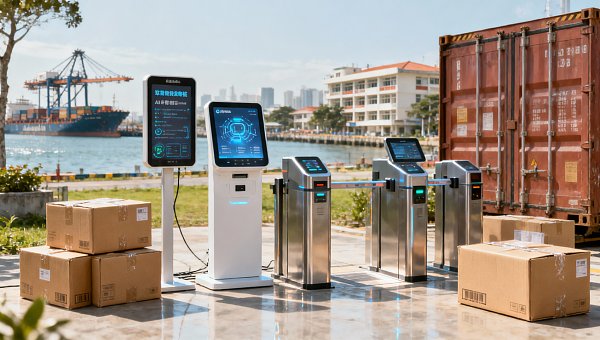
Self-check-in kiosks, QR scanners, badge printers, and mobile confirmation systems remove that pressure fast.
This event technology for exhibitions works best when it supports pre-registration and on-site updates together.
It also helps separate walk-in traffic from pre-approved guests.
Key benefits include:
- Shorter queues at opening hours.
- Lower staffing pressure at reception desks.
- Cleaner attendance data for reporting.
- Faster access for VIP or buyer groups.
2. Digital Wayfinding and Interactive Directories
Once visitors enter, navigation determines how evenly traffic spreads.
Interactive maps, digital directories, and touch-enabled route planners reduce confusion.
This is especially useful at multi-hall venues or sector-based trade fairs.
Good event technology for exhibitions should connect location data with schedules, booth numbers, and meeting points.
When routes are obvious, visitors explore more and abandon less.
3. People Counting Sensors and Traffic Monitoring
Real-time crowd visibility is one of the most valuable upgrades.
People counters, overhead sensors, and zone occupancy tools show where traffic rises, slows, or stalls.
This event technology for exhibitions supports safer layouts and faster intervention.
For example, teams can redirect queues, open temporary access points, or shift staff to crowded areas.
In busy venues, this reduces operational guesswork.
Booth Equipment That Increases Dwell Time and Interaction
Large Format LED Displays and Dynamic Content Walls
Strong visual attraction still matters.
LED walls, video banners, and dynamic content screens pull attention from longer distances.
But the equipment alone is not enough.
The content must be short, bright, and aligned with visitor decision points.
Used well, this event technology for exhibitions helps stop passersby and guide them toward a demo area.
Touchscreens, Product Configurators, and Demo Stations
Many booths lose engagement because the interaction stays passive.
Touch tables, self-guided demo screens, and digital product configurators solve that problem.
Visitors can browse options without waiting for a staff member.
That makes booth conversations more focused when staff join in.
For technical products or custom sourcing, this is one of the most practical forms of event technology for exhibitions.
RFID, NFC, and Smart Badge Interaction
Simple tap-based interaction can remove friction inside the booth.
RFID or NFC badges can trigger content, log visits, enter prize draws, or deliver digital brochures instantly.
This event technology for exhibitions works well when lead capture is a priority.
It shortens manual data entry and improves follow-up quality after the show.
How to Choose the Right Equipment Mix
Not every exhibition needs the same technology stack.
The right decision depends on venue size, booth complexity, visitor volume, and reporting needs.
A practical selection process keeps investment under control.
- Map the visitor journey from arrival to exit.
- Identify points where queues, confusion, or drop-off happen.
- Match each problem with a specific equipment function.
- Confirm power, network, rigging, and safety requirements early.
- Define what success will be measured against.
This is where many projects go wrong.
They buy impressive hardware before setting a flow objective.
The better approach is to treat event technology for exhibitions as an operational system, not a collection of gadgets.
Common Risks During Deployment
Even good equipment can fail when integration is weak.
The most common risks include:
- Insufficient bandwidth for registration, streaming, or live dashboards.
- Poor screen placement that creates new congestion.
- Badge systems that do not sync with CRM or lead tools.
- Interactive displays with slow response times.
- No backup process for printer, scanner, or power failure.
From an engineering perspective, resilience matters as much as functionality.
That means testing device compatibility, confirming cable routes, and reviewing venue restrictions before build day.
For larger projects, a staged commissioning checklist is essential.
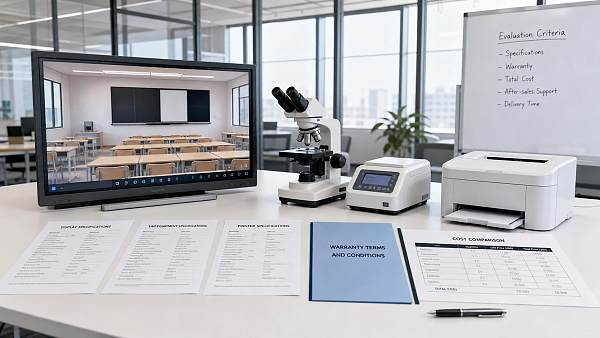
A Practical Evaluation Framework
To compare equipment options, use a simple scorecard.
This framework keeps discussions grounded in delivery outcomes.
It also helps justify investment decisions when multiple stakeholders review the project.
What Works Best in Real Exhibition Environments
In most real-world cases, the winning formula is not the most complex one.
It is the combination that removes friction first and adds interaction second.
A balanced event technology for exhibitions package often includes smart check-in, digital wayfinding, one strong visual display, and one measurable interaction tool.
That setup supports smoother movement without overwhelming staff or visitors.
For sourcing teams and commercial planners, this matters even more.
Technology choices should strengthen operational control while improving the quality of engagement at the booth edge.
That is where better visitor flow turns into better business value.
When planning the next event, start with the journey, define the pressure points, and choose event technology for exhibitions that solves those issues clearly and measurably.
Search News
Hot Articles
- Outdoor RidesWhat Drives Animatronic Dinosaur Manufacturer Prices for Theme Park Projects?Sep 18, 2026
- Stationery & UniformsHow to Source Wholesale Packing Tape Without Compromising Carton Seal StrengthSep 17, 2026
- Smart Campus TechHow to Source Educational Furniture Worldwide for Safe, Flexible Learning SpacesSep 16, 2026
Popular Tags
Need ExpertConsultation?
Connect with our specialized leisureengineering team for procurementstrategies.
Recommended News
 Sep 16, 2026How to Source Educational Furniture Worldwide for Safe, Flexible Learning SpacesEducational furniture worldwide: learn how to source safe, flexible, durable learning-space solutions while controlling compliance, logistics, and lifecycle costs.● Institutional Buyer
 Aug 31, 2026How to Plan Smart Classroom Solutions That Improve Learning and IT ManageabilitySmart classroom solutions: learn how to plan secure, scalable teaching spaces that improve learning, simplify IT management, and reduce lifecycle costs.● Institutional Buyer
 Aug 01, 2026How to Specify an EN54 School PA System for Safe, Compliant Campus Voice EvacuationEN54 school PA system specification guide for safer, compliant campus voice evacuation. Learn zoning, intelligibility, monitoring, tender tips, and handover checks.● Institutional Buyer
 Jul 15, 2026Vietnam Tightens Import Rules for Smart Campus TechVietnam Tightens Import Rules for Smart Campus Tech: learn how MOIT’s 2026 data hosting and NEP connection rules may reshape import approval, sourcing timelines, and delivery planning.● Institutional Buyer
 Jul 14, 2026Thailand TISI Tightens Rules for Smart Campus TerminalsThailand TISI tightens rules for smart campus terminals, requiring Thai speech recognition and local biometric data storage. Learn the compliance impact, timeline risks, and what exporters must do now.● Institutional Buyer
 Jul 13, 2026Red Sea Rerouting Lifts Smart Campus Tech Shipping CostsRed Sea rerouting lifts Smart Campus Tech shipping costs, extends Asia-Europe booking lead times, and delays delivery. See what exporters, buyers, and logistics teams should do now.● Institutional Buyer
 Jul 12, 2026Event Technology for Live Venues: What Systems Matter Most for Seamless Operations?Event technology defines how live venues handle ticketing, AV, access, and monitoring. Discover which systems matter most for seamless operations, higher uptime, and better guest experiences.● Institutional Buyer
 Jul 11, 2026What Is a Campus Procurement Platform and How Does It Improve School Purchasing Workflows?Campus procurement platform explained: learn how it streamlines school purchasing workflows, improves approval control, boosts spend visibility, and reduces delays across campus buying.● Institutional Buyer
 Jul 10, 2026Vietnam Raises Smart Campus Tech Import Tariff to 12%Vietnam Raises Smart Campus Tech Import Tariff to 12%: explore how the new Vietnam smart campus tech tariff impacts pricing, sourcing, and local assembly strategies across Southeast Asia.● Institutional Buyer
 Jul 10, 2026Interactive Document Camera vs Webcam: Which Works Better for Smart Classrooms?Interactive document camera vs webcam: discover which delivers clearer content sharing, faster lesson flow, and better hybrid teaching performance for smart classrooms.● Institutional Buyer
 Jul 09, 2026RCEP Rule Adds Carbon Footprint Filings for Smart Campus Tech ExportsRCEP Rule reshapes Smart Campus Tech exports: learn how new carbon footprint filings for Singapore, Thailand, and Vietnam affect customs clearance, lead times, and compliance planning before October 1, 2026.● Institutional Buyer
 Jul 09, 2026Basketball Hoops for Campuses: Which Backboard, Rim, and Mounting Type Fits Your Site?Basketball hoops for campuses: compare backboard, rim, and mounting options by site needs. Learn how to choose safer, longer-lasting systems for outdoor courts, gyms, and multipurpose halls.● Institutional Buyer
 Jul 09, 2026Modular Educational Furniture: What to Check Before Planning Flexible ClassroomsModular educational furniture: learn what to check before planning flexible classrooms, from safety and durability to teaching fit, supplier quality, and long-term value.● Institutional Buyer
 Jul 08, 2026Shenzhen-Yokohama Port Delays Fall to 2.1 DaysShenzhen-Yokohama Port Delays fall to 2.1 days, cutting shipment cycles by 5–7 days for smart campus equipment. See how faster port efficiency can ease Q3 school delivery pressure.● Institutional Buyer
 Jul 07, 2026FBX Slide Pushes Smart Campus Freight Below $980/FEUFBX Slide Pushes Smart Campus Freight Below $980/FEU as Asia-Europe rates tumble. Discover what this means for smart campus shipments, booking risks, and cost-saving opportunities.● Institutional Buyer
 Jul 07, 2026Math Manipulatives Bulk Price Guide: Cost Drivers, Pack Sizes, and School Budget PlanningMath manipulatives bulk price explained: compare cost drivers, pack sizes, landed costs, and school budget planning tips to source smarter and avoid hidden expenses.● Institutional Buyer
 Jul 04, 2026RCEP Update Expands Indonesia Duty-Free Quota for Edu DevicesRCEP Update Expands Indonesia Duty-Free Quota for Edu Devices: learn how the new 80,000-unit quota reshapes export costs, compliance, and school procurement opportunities in Indonesia.● Institutional Buyer
 Jul 03, 2026Indonesia Enforces ID-SNI Labels on Smart Campus ImportsIndonesia Enforces ID-SNI Labels on Smart Campus Imports: learn how the new rule affects labeling, customs clearance, certification, and delivery readiness for compliant market entry.● Institutional Buyer
 Jul 03, 2026How to Choose Indoor School Sports Equipment for Age Groups, Space, and Safety NeedsIndoor school sports equipment buying guide for schools: learn how to match age groups, space limits, and safety standards to choose durable, efficient solutions.● Institutional Buyer
 Jul 02, 2026Chromebook Charging Stations for Schools: Cart vs Cabinet vs Wall-Mount OptionsChromebook charging stations for schools compared: cart, cabinet, and wall-mount options. Discover the best fit for security, space, mobility, and budget before you buy.● Institutional Buyer
 Jul 01, 2026Indonesia Opens RCEP Fast Track for Smart Campus IoTIndonesia opens an RCEP fast track for Smart Campus IoT, cutting Jakarta customs clearance to 12 hours for eligible HS 8517.62 devices. See who qualifies and how to prepare.● Institutional Buyer
 Jun 30, 2026Flexible Learning Spaces for K-12 and Higher Ed: Layout Ideas, Furniture, and Tech NeedsFlexible learning spaces for K-12 and higher ed: explore practical layout ideas, durable furniture, and smart tech strategies that improve teaching, flexibility, and long-term campus value.● Institutional Buyer
 Jun 30, 2026Campus Equipment Procurement Checklist: How to Compare Specs, Warranties, and Total CostCampus equipment procurement made practical: compare specs, warranty terms, supplier reliability, and total cost to avoid hidden expenses and make smarter campus buying decisions.● Institutional Buyer
 Jun 26, 2026Learning Environments: What Design Elements Improve Focus and Engagement?Learning environments shape focus and engagement through smarter layout, acoustics, lighting, and furniture. Discover practical design elements that improve performance and create better learning outcomes.● Institutional Buyer