Indoor Playground Design Guide: Layout, Age Zoning, and Safety Planning Basics
Indoor Playground Design Guide: Layout, Age Zoning, and Safety Planning Basics
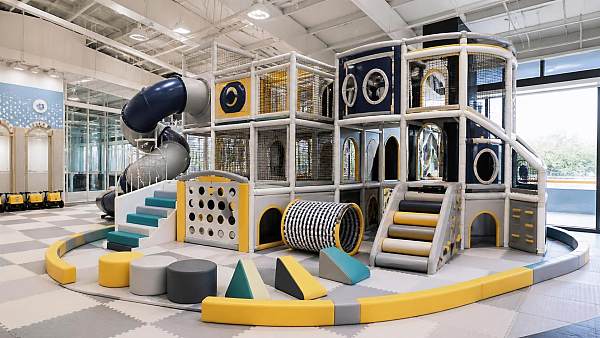
Successful indoor playground design starts long before equipment selection.
The real work begins with layout logic, age zoning, safety planning, and operational flow.
A play space may look exciting on paper but still fail in daily use.
That usually happens when circulation, visibility, maintenance access, and capacity are treated as secondary decisions.
In practice, strong indoor playground design connects user experience with engineering discipline.
This guide covers the planning basics needed to build a functional, engaging, and commercially reliable indoor play environment.
Start Indoor Playground Design with Clear Project Parameters
Every successful indoor playground design starts with a simple question.
What must this space achieve every day, not just on opening day?
That answer shapes capacity, zoning, staffing, equipment type, and budget allocation.
For example, a mall attraction needs fast turnover and strong visual pull.
A family entertainment center may need longer dwell time and broader age coverage.
A hotel or mixed-use venue may prioritize quiet supervision and efficient footprints.
This also affects finish materials, queue areas, storage needs, and emergency access planning.
Before drafting a layout, define a few non-negotiable inputs.
- Target age groups and expected daily visitor volume
- Peak occupancy and seasonal traffic variation
- Local code requirements and safety certification targets
- Available ceiling height, column positions, and utility constraints
- Maintenance strategy, staffing model, and cleaning frequency
Once these basics are confirmed, indoor playground design decisions become faster, safer, and easier to defend during procurement and construction reviews.
Plan the Layout Around Flow, Not Just Features
A common mistake in indoor playground design is starting with the biggest attractions.
That approach often creates dead corners, congestion points, and supervision blind spots.
A better method is to design around movement patterns first.
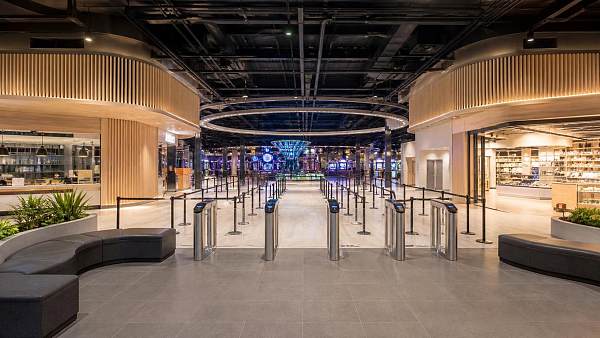
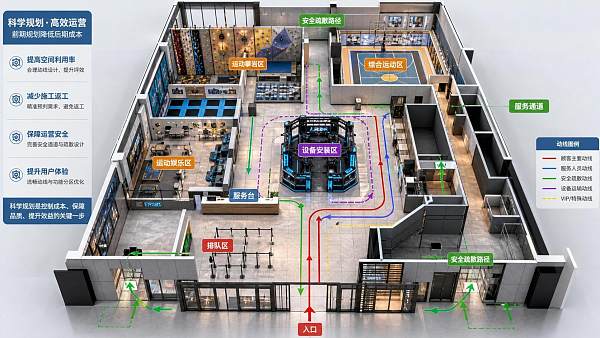
Entry, check-in, shoe storage, waiting, play circulation, and exit should feel intuitive.
When flow works well, guests stay longer and staff work more efficiently.
Core layout zones to define early
- Arrival zone with reception, access control, and stroller parking
- Active play zone for climbing, sliding, or obstacle movement
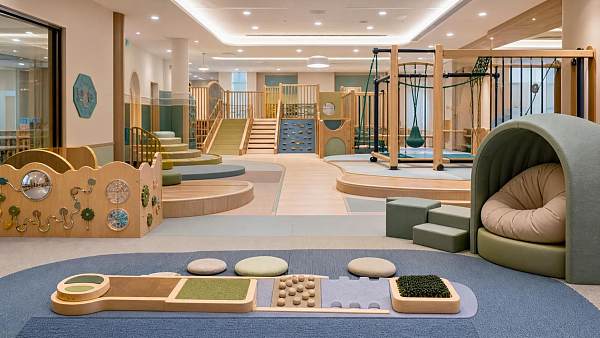
- Low-intensity zone for toddlers, sensory play, or quiet activities
- Guardian zone with seating and direct sightlines
- Back-of-house zone for storage, staff support, and maintenance access
Good indoor playground design usually creates a loop rather than a bottleneck path.
Children move more freely, and adults can follow play patterns without crowding entrances.
Equipment height also matters.
Tall structures placed too close to viewing areas can block supervision and reduce comfort.
From a planning perspective, the best layout is not the busiest drawing. It is the one that keeps movement readable.
Use Age Zoning to Improve Safety and User Experience
Age zoning is one of the most important parts of indoor playground design.
It reduces collision risk, supports suitable challenge levels, and improves customer satisfaction.
Without age zoning, even premium equipment can create daily friction.
Older children move faster, climb higher, and need different play sequences.
Toddlers need protected environments, softer challenges, and closer caregiver access.
Practical age zoning structure
Many operators use three broad zones.
- Toddler zone, usually for ages 1 to 3, with low platforms and soft barriers
- Junior zone, often for ages 4 to 7, with moderate climbing and role-play activities
- Advanced zone, often for ages 8 and above, with higher-energy features
The exact split depends on market positioning and local behavior patterns.
Still, the principle stays the same.
Each zone should have clear visual identity, simple boundary logic, and age-appropriate difficulty.
Physical separation is useful, but not every boundary must be solid.
Color changes, floor transitions, low dividers, and access gates can work together.
In effective indoor playground design, age zoning should feel natural rather than restrictive.
Build Safety Planning into the Earliest Design Stage
Safety planning should never be a final checklist item.
In strong indoor playground design, safety logic is embedded from the first concept layout.
That includes fall protection, line-of-sight control, fire access, material compliance, and evacuation routes.
It also includes the less obvious details that affect daily incidents.
Examples include queue overflow, sharp turning points, hidden corners, and mixed-speed traffic.
Safety planning checklist for early review
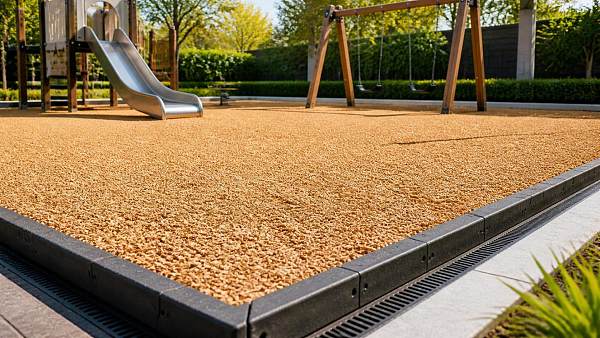
- Check all fall zones, clearances, and impact-attenuating surfaces
- Confirm emergency egress paths remain open under peak occupancy
- Review entrapment risks, pinch points, and barrier height transitions
- Specify durable, cleanable, and certified materials
- Design supervision points with strong visual coverage
International projects may require alignment with ASTM, EN, or local fire and building standards.
That is why indoor playground design should involve compliance review before fabrication begins.
Early coordination saves expensive redesign, delayed approvals, and avoidable site conflicts.
Balance Commercial Goals with Operational Reality
The most attractive indoor playground design is not always the most profitable one.
Commercial success depends on how the space performs over time.
Cleaning time, repair access, staff coverage, and replacement cycles all matter.
This is especially true in high-traffic venues where downtime affects revenue immediately.
In actual operations, hidden service problems often create larger costs than initial equipment pricing.
To avoid that, indoor playground design should include maintenance paths and modular thinking.
High-wear components should be easy to inspect and replace.
Storage for spare parts and cleaning tools should sit near, but outside, guest-facing zones.
Seating and party areas should support revenue without disrupting play circulation.
A Simple Process for Smarter Indoor Playground Design
If the project timeline is tight, a clear process helps reduce mistakes.
A practical indoor playground design workflow often follows five steps.
- Define business goals, age groups, site limits, and compliance targets
- Create zoning and circulation plans before selecting detailed equipment
- Review safety, supervision, and maintenance requirements with technical partners
- Validate capacity, egress, and operational scenarios under peak conditions
- Finalize procurement scope with clear specifications and installation logic
This sequence keeps indoor playground design grounded in real project constraints.
It also helps teams align designers, suppliers, engineers, and operators early.
When decisions are documented at each stage, change orders become easier to control.
Conclusion
Strong indoor playground design is a planning exercise before it becomes a visual concept.
Layout, age zoning, and safety planning form the foundation of a reliable project.
When these basics are handled early, the space works better for guests, staff, and owners.
That also means fewer redesigns, smoother approvals, and stronger long-term operating performance.
For teams sourcing commercial play solutions globally, careful indoor playground design is the clearest path to a safer and more successful opening.
Start with the planning basics, test the layout against real use, and build from there with confidence.
Search News
Hot Articles
- Commercial KitchenHow to Select a Spiral Dough Mixer for Bakery Batch Size and Dough HydrationSep 19, 2026
- Outdoor RidesWhat Drives Animatronic Dinosaur Manufacturer Prices for Theme Park Projects?Sep 18, 2026
- Stationery & UniformsHow to Source Wholesale Packing Tape Without Compromising Carton Seal StrengthSep 17, 2026
Popular Tags
Need ExpertConsultation?
Connect with our specialized leisureengineering team for procurementstrategies.
Recommended News
 Aug 30, 2026Entertainment Venue Master Planning: How to Balance Capacity, Flow, and RevenueEntertainment venue development master planning: balance capacity, guest flow, and revenue with practical strategies for resilient, high-performing venues.● Theme Park Strategist
 Sep 07, 2026What Should Buyers Do When a Supplier Delivers Non-Compliant Products?What to do if a supplier delivers non-compliant commercial products: contain risks, document evidence, protect your project, and secure the right remedy.● Theme Park Strategist
 Sep 02, 2026Waterpark Capacity Management: Balancing Queue Times, Safety, and Guest ThroughputWaterpark capacity management strategies to reduce queue times, protect safety, optimize guest throughput, and build a smoother, more profitable park operation.● Theme Park Strategist
 Sep 01, 2026ASTM F2075 Explained: Testing Engineered Wood Fiber for Playground Impact SafetyASTM F2075 explained: learn how engineered wood fiber supports playground impact safety, smarter sourcing, compliance documentation, and reliable maintenance planning.● Theme Park Strategist
 Aug 24, 2026How to Evaluate an Indoor Ninja Warrior Course Supplier in Europe?indoor ninja warrior course Europe supplier guide: learn how to assess safety, EN compliance, engineering, installation, and maintenance support before you choose.● Theme Park Strategist
 Aug 20, 2026How to Choose Modular Indoor Play Equipment for Different Venue Sizes and Age GroupsModular indoor play equipment buying guide: learn how to match venue size, ceiling height, traffic flow, and age groups to create safer, smarter, and more profitable play spaces.● Theme Park Strategist
 Aug 14, 2026POB Push Lifts Overseas Pre-Registrations 45.74%POB boosts overseas pre-registrations for the 2026 China Sport Show by 45.74%, signaling stronger global buyer interest and smarter sourcing opportunities in sports manufacturing.● Theme Park Strategist
 Aug 02, 2026What to Check Before Buying Thick Gymnastic Mats Wholesale for Schools and GymsThick gymnastic mats wholesale buying guide for schools and gyms: learn how to check foam, cover durability, safety documents, samples, and true long-term value before placing a bulk order.● Theme Park Strategist
 Jul 28, 2026How to Design Inclusive Sensory Play Areas for Different Age Groups and NeedsInclusive sensory play starts with smart zoning, age planning, accessibility, and acoustics. Discover practical design tips to create safer, engaging spaces that truly work.● Theme Park Strategist
 Jul 26, 2026How to Evaluate a Bowling Alley Equipment Factory Before Requesting a QuoteBowling alley equipment factory evaluation starts before price. Learn how to check manufacturing scope, engineering, compliance, spare parts, and installation support to avoid costly sourcing mistakes.● Theme Park Strategist
 Jul 16, 2026EN 1176:2026 Takes Effect for Indoor PlaygroundsEN 1176:2026 takes effect for indoor playgrounds in the EU, making conformity assessment mandatory. Learn how this impacts certification, customs clearance, suppliers, and market access.● Theme Park Strategist
 Jul 15, 2026CPSC Sets New ASTM Impact Test for Indoor Playground Metal PartsCPSC sets new ASTM impact test rules for indoor playground metal parts effective Oct. 1, 2026. Learn how the 15kN requirement may affect compliance, testing timelines, and U.S. export delivery.● Theme Park Strategist
 Jul 14, 2026CPSC Tightens Phthalate Limit for Indoor Playground Soft MaterialsCPSC tightens phthalate limits for indoor playground soft materials from Aug 15, 2026. Learn how DIBP control, CBP detention risk, and testing changes impact sourcing, exports, and compliance.● Theme Park Strategist
 Jul 13, 2026Vietnam Tightens IoT Rule for Indoor Playground ImportsVietnam Tightens IoT Rule for Indoor Playground Imports: learn how VNSS-2025 gateway requirements affect exporters, buyers, installers, and delivery timelines before the 2026 deadline.● Theme Park Strategist
 Jul 13, 2026How a Recreational Facility Planning Company Helps Reduce Layout MistakesRecreational facility planning company insights: learn how early layout strategy reduces costly mistakes, improves flow, compliance, and buildability for smoother project delivery.● Theme Park Strategist
 Jul 12, 2026CPSC Halts Imports of Indoor Playground Soft PartsCPSC halts imports of indoor playground soft parts from China under ASTM F3432-26. Learn the compliance risks, testing requirements, and urgent steps importers must take now.● Theme Park Strategist
 Jul 11, 2026CPSC Import Alert Tightens Fire Test Rule for Indoor Playground PaddingCPSC import alert updates indoor playground padding rules to ASTM F3432-26. See how the new fire test affects foam mats, shipments, and U.S. market access.● Theme Park Strategist
 Jul 11, 2026Ice Bumper Cars Bulk Order Checklist for Indoor Parks: Space, Power, and Safety PointsIce bumper cars bulk order guide for indoor parks: learn how to assess space, power, safety, and throughput before buying, so you can avoid costly mistakes and choose the right fleet with confidence.● Theme Park Strategist
 Jul 10, 2026Commercial Playground Equipment for Campuses: Key Safety Standards and Planning TipsCommercial playground equipment for campuses: explore key safety standards, inclusive layout planning, durable materials, and smart procurement tips to avoid costly mistakes.● Theme Park Strategist
 Jul 09, 2026CPSC Recall Escalates Over Phthalates in Indoor Playground PadsCPSC recall escalates over phthalates in indoor playground pads as affected batches exceed CPSIA limits. Learn the risks, supply chain impact, and what buyers should monitor now.● Theme Park Strategist
 Jul 07, 2026How to Choose Ice Skating Rink Equipment in Europe: Key Systems, Standards, and Budget Factorsice skating rink equipment Europe guide: compare refrigeration, rink floors, boards, EU compliance, and total budget factors to choose a safer, more efficient commercial rink solution.● Theme Park Strategist
 Jul 06, 2026CPSC Flags New Flame Test for Indoor Playground PaddingCPSC flags a new flame test for indoor playground padding under ASTM F1487-23b. Learn how this urgent compliance alert affects materials, testing, imports, and U.S. market access.● Theme Park Strategist
 Jul 05, 2026Vietnam Sets VCA Registration Deadline for Indoor Playground ImportsVietnam Sets VCA Registration Deadline for Indoor Playground Imports: learn the August 15, 2026 VCA registration rule, batch EN 14960 test report requirements, and how to avoid import license delays in Vietnam.● Theme Park Strategist
 Jul 04, 2026EU Rule Tightens Fire Tests for Indoor Playground PaddingIndoor Playground suppliers and buyers must act now as the EU enforces stricter fire and smoke tests under EN 14960:2026+A1:2026. Learn the compliance risks, customs impact, and sourcing priorities.● Theme Park Strategist