Is a Leisure Park Worth the Investment
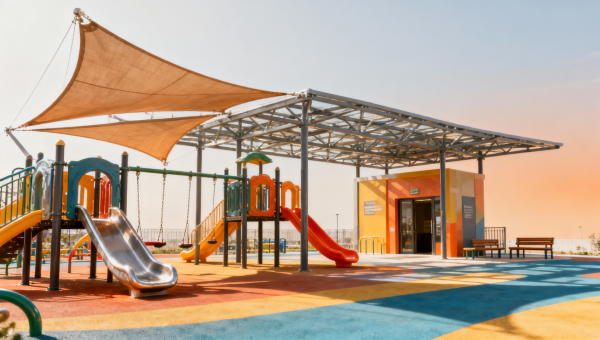
For investors, buyers, and distributors evaluating whether a leisure park is worth the investment, the answer depends on more than ticket sales. From theme park rides and playground structures to inclusive playground design, playground swings, soundproofing materials, and supporting assets like custom furniture, the right mix of attractions, safety, and visitor comfort can determine long-term returns and competitive value.
What makes a leisure park investment commercially attractive?
A leisure park can be a strong commercial asset when it is planned as a multi-revenue environment rather than a single-ticket venue. In the sports and entertainment sector, operators increasingly combine amusement rides, family play zones, food service, retail corners, birthday packages, and event bookings to spread risk across 4 to 6 income streams. This matters because seasonality, weather, and local competition can reduce gate revenue if the business model is too narrow.
For procurement teams and business evaluators, the key question is not simply whether a leisure park attracts visitors, but whether the chosen asset mix supports repeat visits, operational durability, and manageable maintenance cycles. A park built around durable playground equipment, inclusive design, acoustic comfort, and modular support infrastructure often performs better over a 3 to 5 year horizon than a park that relies only on headline attractions.
Leisure park value also depends on how well the project matches its site. A municipal outdoor family park, a mixed-use commercial indoor park, and a resort-linked destination park require different ride intensity, flooring systems, queue planning, and safety zoning. Buyers who evaluate the park by visitor profile, dwell time, and local spending power usually make more resilient investment decisions than those who only compare upfront equipment prices.
This is where market intelligence becomes practical. Global Commercial Trade helps B2B buyers compare supply options across amusement and leisure parks with a sourcing mindset: design fit, OEM or ODM capability, compliance readiness, and delivery reliability. For distributors and agents, that means a clearer basis for selecting products that can be resold into hotels, resorts, education projects, and urban recreation developments.
The 5 investment drivers that shape long-term park value
- Visitor mix: family groups, schools, tourists, and community users have different spending patterns and revisit frequency.
- Asset durability: commercial-grade structures, anti-corrosion finishes, and replacement-part access affect lifecycle cost.
- Safety and compliance: inspection readiness, impact-absorbing surfaces, and age-zoned layouts reduce operating risk.
- Comfort factors: shading, seating, sound control, rest areas, and accessible circulation raise dwell time.
- Scalability: modular expansion allows phased investment over 2 to 3 stages instead of one high-risk launch.
How should buyers assess revenue potential beyond ticket sales?
A common mistake in leisure park investment analysis is treating admission as the only meaningful revenue indicator. In practice, stronger projects are designed around visitor journey economics. If a family stays 2 to 4 hours instead of 45 to 90 minutes, the site has more opportunities for food, beverages, merchandise, locker rental, party services, and premium attraction upgrades. Procurement decisions directly influence that dwell time.
For example, playground swings and climbing structures support repeat use for younger visitors, while themed rides and interactive zones create shareable experiences that help marketing. Soundproofing materials become critical in indoor parks or mixed-use commercial spaces where noise spill can damage tenant relationships. Custom furniture, shaded benches, and family seating may seem secondary, yet they support caregiver comfort and extend the total stay.
Buyers should also evaluate the balance between high-capex signature attractions and high-frequency support assets. A single major ride can strengthen branding, but if queue bottlenecks are long and surrounding amenities are weak, the overall revenue per visitor may remain under pressure. In many B2B projects, a better result comes from a layered mix: one anchor attraction, several medium-cost family activities, and a strong support environment.
The table below gives a practical framework for assessing which components tend to influence park monetization, operating load, and visitor retention in different ways.
The commercial lesson is clear: a leisure park becomes more investable when buyers treat infrastructure and comfort elements as revenue enablers, not only as cost items. That approach is especially important for distributors and sourcing managers building packages for hotels, municipalities, school operators, and retail destination developers.
Revenue questions procurement teams should ask early
- Can the layout support at least 3 distinct visitor pathways, such as free play, premium activities, and food or retail conversion?
- Will the selected attractions serve one age group only, or create crossover use for ages 3 to 12 and family groups?
- Does the supplier provide maintenance guidance that helps limit downtime to planned service windows rather than emergency closures?
- Can the equipment package be phased over 2 stages if demand builds slower than expected?
Which park formats are worth investing in for different business scenarios?
Not every leisure park follows the same investment logic. A distributor planning supply for municipal tenders will evaluate durability, accessibility, and low operating complexity. A resort buyer may prioritize guest experience, visual integration, and premium custom furniture. A commercial developer may focus on indoor play, soundproofing materials, and footfall conversion. Matching format to use case is often the difference between an efficient capital plan and a mismatched asset portfolio.
Smaller neighborhood leisure parks can work well with modest budgets if they emphasize playground structures, open circulation, seating, and simple maintenance. Mid-scale family entertainment parks usually need a stronger attraction mix, including themed play equipment, swings, climbing systems, and support services. Destination-grade parks require more extensive ride planning, crowd control, food and retail zoning, and often longer implementation cycles of 12 to 24 weeks for sourcing and site coordination.
For B2B sourcing, the best investment is often the one with the clearest operational fit. It is better to run a consistently full mid-scale park than an oversized complex with underused equipment and high upkeep. Business evaluators should compare acquisition cost, maintenance burden, footprint efficiency, and visitor revisit logic before approving a concept.
The comparison below helps buyers map common leisure park formats to practical procurement priorities.
A format-based review protects buyers from over-investing in features that do not fit their audience. It also helps distributors build more precise product portfolios, especially when serving multiple channels such as education, hospitality, and retail entertainment.
Scenario planning checklist
- Estimate daily peak use windows, such as weekends, holidays, or 2 to 3 school-event periods per quarter.
- Separate high-touch equipment from low-touch assets to improve maintenance planning.
- Plan at least 2 rest zones for family parks so caregivers remain engaged without crowding attraction areas.
- Check whether future expansion can be added without rebuilding circulation, fencing, or service routes.
What should procurement teams check before buying leisure park equipment?
In leisure park sourcing, product selection errors usually come from incomplete technical review rather than from price alone. Buyers should assess at least 5 core areas: intended age group, material durability, installation conditions, maintenance access, and compliance pathway. This applies equally to theme park rides, playground swings, inclusive structures, acoustic panels, and site furniture. If any of these areas is unclear, the investment case becomes weaker.
Material choice is especially important. Outdoor steel components may need anti-corrosion treatment suitable for humid or coastal conditions, while polymer or coated elements should be reviewed for UV exposure and cleaning methods. Indoor parks require equal care, but the emphasis shifts toward fire suitability, edge protection, hygiene, and acoustic control. Soundproofing materials should be checked not only for noise reduction intent but also for installation compatibility with the wider build-out.
Lead time is another procurement risk. Commercial leisure equipment often involves fabrication, finish confirmation, packing, shipping, site preparation, and installation planning. Depending on complexity, common sourcing cycles can range from 4 to 12 weeks, while custom projects may run longer. Procurement managers should align this schedule with permit timing, contractor availability, and launch windows to avoid idle capital or delayed opening.
The table below summarizes a practical buyer checklist for evaluating whether a leisure park equipment package is likely to support a sound investment decision.
This checklist is useful not only for direct buyers but also for agents and distributors who need a repeatable framework when comparing multiple suppliers. GCT supports this process by turning fragmented sourcing information into a clearer purchasing view across design, compliance, and commercial suitability.
A practical 4-step sourcing process
1. Define the park concept and user flow
Start with audience type, age spread, indoor or outdoor use, and expected operating intensity. Without this, technical comparisons become misleading because not every playground structure or ride fits the same traffic pattern.
2. Confirm technical and compliance requirements
Review material, safety surfacing, acoustic needs, installation method, and the local approval pathway. This stage often saves 2 to 6 weeks of correction later in the project.
3. Compare suppliers on total project readiness
Price is only one factor. Buyers should compare customization ability, packing quality, spare support, document completeness, and realistic lead time.
4. Align delivery with installation and opening plan
A good procurement decision includes sequencing. Flooring, supports, rides, furniture, and acoustic treatments should arrive in the correct order to reduce site congestion and damage risk.
How do compliance, safety, and lifecycle costs affect the investment case?
A leisure park may look attractive on a capex spreadsheet and still underperform if lifecycle costs are not considered early. In sports and entertainment projects, maintenance frequency, spare part accessibility, inspection workload, and required shutdown windows often determine whether the park remains profitable after opening. Commercial buyers should therefore compare not only acquisition cost but also service burden over the first 12 to 36 months.
Safety and compliance are equally central to the investment decision. Different markets may apply different local rules, but buyers should generally review documentation related to playground safety, ride installation, surface impact requirements, fire-related suitability for indoor materials, and accessibility expectations. Inclusive playground design is not only a social consideration; it can improve project acceptance and expand the range of institutions willing to invest.
Another often-missed cost is environmental wear. Outdoor leisure parks face UV exposure, water ingress, corrosion, and temperature variation. Indoor facilities face high cleaning frequency, heavy footfall, sound reflection, and HVAC coordination. These factors influence replacement cycles, finish longevity, and operational comfort. A low-cost product that requires frequent intervention may become the more expensive choice within 18 to 24 months.
For procurement officers and business analysts, the most stable investment model usually comes from balancing 3 variables: visitor appeal, regulatory fit, and maintenance predictability. If one is weak, the project becomes harder to scale, insure, operate, or resell.
Common compliance and risk checkpoints
- Verify whether ride, play, and surfacing systems align with local inspection and installation expectations before final purchase orders are issued.
- Check whether indoor soundproofing materials and decorative components fit the fire and building conditions required for the venue.
- Request maintenance guidance covering daily, monthly, and quarterly checks so staffing demand is understood in advance.
- Review spare-part strategy for wear items, especially in parks with high weekend concentration or tourism peaks.
Frequent buyer misconceptions
“The biggest ride guarantees the best return.”
Not always. A large ride can attract attention, but if support amenities, comfort zones, and traffic flow are weak, the park may struggle to convert visitors into longer stays and secondary spend.
“Inclusive design is optional for commercial parks.”
In many projects, inclusive playground design improves usability for more families and strengthens the project’s suitability for schools, institutions, hospitality groups, and public-private developments.
“Support fixtures can be chosen later without impact.”
Late decisions on seating, fencing, rest areas, and acoustic control often create rework. These elements affect visitor flow and operational quality from day one.
FAQ: What do buyers and distributors ask most before investing in a leisure park?
How long does a typical leisure park sourcing cycle take?
For standard commercial components, a typical sourcing and coordination window may fall in the 4 to 8 week range. Custom-themed projects, mixed equipment packages, or installations requiring special finishes often need 8 to 16 weeks. Buyers should also reserve time for drawing confirmation, site readiness, logistics, and installation sequencing.
Which facilities improve return even if they are not major attractions?
Shaded seating, custom furniture, queue control, family rest points, lockers, acoustic treatment, and accessible pathways can materially improve dwell time and visitor satisfaction. These are not decorative extras. In many indoor and resort-linked projects, they are part of the commercial engine because they support longer stays and better secondary spending.
Is an indoor leisure park a safer investment than an outdoor one?
It depends on the local market, rent structure, and operating model. Indoor parks can reduce weather exposure and support year-round use, but they introduce acoustic, ventilation, cleaning, and tenancy considerations. Outdoor parks may have lower enclosure costs but need stronger weather-resistant materials and seasonal planning. The better investment is the one that fits demand, site conditions, and operating capability.
What should distributors prioritize when building a leisure park product portfolio?
A strong portfolio usually combines 3 layers: core attraction products, support infrastructure, and compliance-ready documentation. Distributors should look for suppliers that can support multiple scenarios, such as hospitality, education, municipal, and commercial entertainment projects, rather than offering isolated products with no system logic.
Why work with GCT when evaluating leisure park investment opportunities?
For professional buyers, the challenge is rarely finding products. The challenge is filtering options into a commercially sound sourcing plan. Global Commercial Trade supports this need by focusing on business-use environments where design, compliance, durability, and supply reliability matter as much as price. In the amusement and leisure park segment, that means helping buyers compare solutions in a way that reflects real operating conditions.
This is valuable for information researchers, procurement managers, business evaluators, and distributors who need more than generic product catalogs. GCT helps connect market intelligence with sourcing execution, from attraction mix and inclusive playground design to acoustic comfort, custom support fixtures, OEM or ODM capability, and project-ready supplier screening. That reduces guesswork at the early evaluation stage.
If you are assessing whether a leisure park is worth the investment, a structured review can save both time and capital. You can discuss equipment parameters, scenario matching, phased procurement, expected delivery windows, customization scope, compliance preparation, sample support, and quotation planning before finalizing a purchase path. That is especially useful when a project must satisfy multiple stakeholders across operations, finance, and commercial development.
Contact GCT to review your leisure park sourcing plan in practical terms: which ride or playground mix suits your audience, how to compare lifecycle costs, what lead times to expect, how to plan inclusive and comfortable visitor environments, and which supply options best match your target market. For buyers and channel partners in sports and entertainment, that conversation can turn a broad concept into a more bankable commercial project.
Search News
Hot Articles
- Stage Lighting & TrussCCTV5 Snooker Broadcast Drives 37% Surge in Stage Lighting Export InquiriesApr 21, 2026
- Indoor PlaygroundVietnam Mandates Child Finger-Trap Sensors for Indoor Play EquipmentApr 21, 2026
- Stage Lighting & TrussGuangdong vs. Shanxi CBA Game Highlights Domestic Smart Arena LightingApr 21, 2026
Popular Tags
Need ExpertConsultation?
Connect with our specialized leisureengineering team for procurementstrategies.
Recommended News
 Apr 20, 2026China's Smart Timing System Gains ITU Certification at Shanghai Bike EventChina's smart timing system wins ITU-T L.1800 certification — the first Chinese sports timing platform approved for UCI-accredited cycling events. Discover how it reshapes reliability, security & global competitiveness in sports tech.● Theme Park Strategist
 Apr 17, 2026Popular Badminton AI Protocol Launched in ChengduPopular Badminton AI protocol launched in Chengdu — a game-changer for smart sports hardware, VR simulators & outdoor ride manufacturers targeting Asian youth academies.● Theme Park Strategist
 Apr 17, 2026EN 1176-7:2026 Enforced: AI Behavior Recognition Required for EU Outdoor Interactive Play EquipmentEN 1176-7:2026 is now enforced — AI behavior recognition is mandatory for EU outdoor interactive play equipment. Ensure CE compliance now.● Theme Park Strategist
 Apr 16, 2026EN 1176-7:2026 Enforces AI Safety Rules for EU Outdoor Interactive Play EquipmentEN 1176-7:2026 enforces AI safety rules for EU outdoor interactive play equipment — mandatory false-trigger ≤0.3% & local-only data processing. Act now to comply.● Theme Park Strategist
 Apr 13, 20262026 CKC China Karting Championship in Macau Sparks Export Interest for Domestic Racing GearThe 2026 CKC China Karting Championship in Macau showcased FIA-compliant racing gear, sparking export interest for domestic timing systems, carbon fiber kits & sustainable tires. Discover how this event opens global opportunities.● Theme Park Strategist
 Apr 13, 2026Japan Revises Sports Equipment Safety Standards: Mandatory Multilingual E-Manuals for Imported Fitness Gear from April 2026Japan's new Sports Equipment Safety Standards mandate multilingual e-manuals for imported fitness gear from 2026. Learn how this impacts global exporters and key compliance strategies for smooth market entry.● Theme Park Strategist
 Apr 10, 2026Middle East Tensions Raise Shipping Risks in Hormuz Strait, Air Freight Costs for Sports Equipment Surge 12%Middle East tensions escalate shipping risks in Hormuz Strait, causing a 12% surge in air freight costs for sports equipment. Learn how this impacts supply chains and strategies to mitigate delays.● Theme Park Strategist
 Apr 22, 2026How to Compare Theme Park RidesCompare theme park rides for safety, capacity, and ROI in a leisure park, while aligning playground structures, inclusive playground zones, and playground swings with smarter sourcing.● Theme Park Strategist
 Apr 22, 2026Is a Leisure Park Worth the InvestmentLeisure park investment guide: compare theme park rides, playground structures, inclusive playground design, swings, soundproofing materials, and custom furniture for stronger returns.● Theme Park Strategist
 Apr 22, 2026Adventure Playground Ideas That Work in Small Outdoor SpacesAdventure playground ideas for small outdoor spaces: compare layouts, indoor playground and trampoline park concepts, plus arcade games and musical instruments features to boost family appeal.● Theme Park Strategist
 Apr 22, 2026Adventure Playground Features That Improve Safety Without Feeling BoringAdventure playground and indoor playground safety features that keep fun high—compare trampoline park layouts, arcade games, and smart design tips for safer, more engaging venues.● Theme Park Strategist
 Apr 18, 20262026 Shanghai Sailing Open Adopts Domestic Smart Timing System2026 Shanghai Sailing Open adopts China's first ITU-R M.2412–certified smart timing system — a game-changer for marine sports exporters, integrators & event organizers worldwide.● Theme Park Strategist
 Apr 18, 2026EN 1176-7:2026 Enforced: AI Behavior Recognition Mandatory for EU Outdoor Play EquipmentEN 1176-7:2026 is now mandatory — AI behavior recognition required for EU outdoor play equipment. Ensure CE compliance, low-latency certification & market access before shipment.● Theme Park Strategist
 Apr 20, 2026Park benches with bolt corrosion you can’t see until it’s too latePark benches with hidden bolt corrosion risk luxury furniture, hotel furniture & commercial furniture safety—spot invisible degradation before failure.● Theme Park Strategist
 Apr 19, 2026Park benches built for coastal climates—what actually worksDiscover coastal-proof park benches, luxury furniture & custom hotel furniture built to last 25+ years in salt, sun & humidity—engineered for resorts, hotels & commercial spaces.● Theme Park Strategist
 Apr 19, 2026Why park benches fail after two seasons of outdoor usePark benches failing in 2 seasons? Discover why luxury furniture, hotel furniture, and commercial furniture specs matter—and how to choose resilient park benches, hotel chairs, and hotel tables.● Theme Park Strategist
 Apr 19, 2026Outdoor playground shade planning affects more than comfortOutdoor playground shade planning improves safety, durability, and visitor flow for outdoor playground, indoor playground, and trampoline park projects—explore smarter sourcing for swings and more.● Theme Park Strategist
 Apr 19, 2026Why playground swings fail early at busy public sitesPlayground swings at busy public sites fail early due to heavy traffic, weak materials, and poor maintenance. Compare outdoor playground, indoor playground, and trampoline park solutions for safer, longer-lasting performance.● Theme Park Strategist
 Apr 19, 2026Playground swings with fewer maintenance calls over timePlayground swings built for fewer maintenance calls: compare durable options for outdoor playground, indoor playground, and trampoline park projects with smarter lifecycle value.● Theme Park Strategist
 Apr 19, 2026How weather exposure changes outdoor playground safety plansOutdoor playground safety starts with weather planning. Learn how trampoline park, indoor playground, and playground swings buyers reduce risk, protect value, and choose climate-smart equipment.● Theme Park Strategist
 Apr 19, 2026Outdoor playground surfaces that hide higher lifetime costsOutdoor playground surface choices can raise hidden lifetime costs for trampoline park and indoor playground projects. Compare safer, longer-lasting options around playground swings.● Theme Park Strategist
 Apr 18, 2026Playground structures with integrated solar lighting: Is battery life consistent across seasons?Playground structures with integrated solar lighting: Discover seasonal battery performance data for leisure parks, theme park rides & inclusive playgrounds—backed by real-world climate testing and OEM validation.● Theme Park Strategist
 Apr 18, 2026Theme park rides using recycled steel: How does material origin affect fatigue testing?Theme park rides, playground swings & inclusive playground structures using recycled steel demand origin-aware fatigue testing—discover how material provenance impacts safety, durability & compliance.● Theme Park Strategist
 Apr 18, 2026Leisure park shade structures that fade unevenly—UV resistance vs. pigment qualityLeisure park shade structures fading unevenly? Discover why pigment quality—not just UV resistance—dictates longevity, brand integrity & ROI for playground structures, theme park rides & inclusive playgrounds.● Theme Park Strategist