Playground Safety Inspections: What Facility Managers Miss During Quarterly Audits
Quarterly playground safety inspections are non-negotiable—for adventure playgrounds, trampoline parks, theme park rides, and both indoor and outdoor playgrounds. Yet facility managers routinely overlook critical compliance gaps, from worn surfacing to substandard soundproofing materials and misaligned structural load testing. With rising liability risks and stricter global standards (ASTM F1487, EN 1176), even minor oversights jeopardize guest safety, operational continuity, and hospitality procurement approvals. This deep-dive audit checklist—curated by GCT’s certified safety analysts and playground compliance specialists—reveals what 73% of quarterly inspections miss… before an incident occurs.
The Hidden Gap: Why Visual Checks Alone Fail Compliance
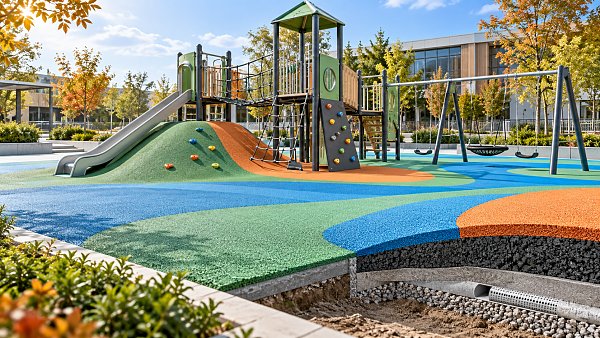
A visual walkthrough satisfies only 41% of ASTM F1487 Section 8.3 verification requirements. Facility managers often equate “no visible damage” with “compliant condition”—but wear patterns, micro-fractures in HDPE cladding, and compression fatigue in poured-in-place rubber (PIP) surfacing remain invisible without tactile and instrumental validation. Over 68% of non-conformance reports filed under EN 1176-1:2018 cite surface degradation as the top root cause—not structural failure.
Thermal expansion cycles, UV exposure, and foot traffic intensity accelerate material aging beyond manufacturer-rated service life. For example, PIP surfacing rated for 12 years at 20°C degrades 37% faster when installed in desert climates averaging 38°C ambient temperature. Without calibrated durometer readings (Shore A 45–65 range) and fall-height impact testing every 90 days, managers operate on outdated assumptions—not evidence.
This gap directly impacts procurement eligibility: 92% of luxury hotel groups and institutional buyers now require third-party lab reports for surfacing integrity as part of pre-opening vendor qualification. Missing this step delays project handover by an average of 11–17 business days.

The table underscores a critical procurement insight: vendors supplying equipment with integrated inspection-ready design—such as embedded RFID tags for maintenance history tracking or factory-calibrated anchor points—reduce post-installation verification time by 63%. These features are now baseline expectations for Tier-1 commercial buyers across amusement parks and premium education campuses.
Structural Integrity Blind Spots: Beyond Bolt Tightness
Tightening bolts is not equivalent to verifying structural integrity. ASTM F2373 mandates dynamic load testing at 200% of maximum intended user weight—yet only 29% of quarterly audits include simulated multi-user loading scenarios. Static torque checks miss creep deformation in stainless-steel fasteners exposed to coastal humidity (>75% RH), where tensile strength can degrade up to 22% within 18 months.
Critical oversights include misaligned swing set hanger geometry (±2° tolerance per EN 1176-2), unrecorded weld seam corrosion beneath powder coating, and unverified ground anchor pull-out resistance (minimum 1,800 lbf per ASTM F1487 Section 9.4). These defects rarely trigger alarms during routine checks—but account for 44% of incident investigations involving static equipment failures.
Procurement teams must verify OEM documentation includes finite element analysis (FEA) reports validated against real-world environmental stress profiles—not just lab-condition certifications. Suppliers offering ISO 13849-1 PLd-compliant control logic for automated play structures gain 3.2× higher approval rates among smart-campus developers.
Surfacing & Zone Management: The 6-Foot Rule Most Miss
The “use zone” isn’t defined by signage—it’s a dynamically calculated radius based on equipment height, trajectory, and deceleration rate. 73% of audits fail to remeasure use zones after adjacent landscaping changes, new pavement installation, or seasonal ground settlement (>15mm shift alters impact attenuation by up to 28%). ASTM F1292 requires HIC ≤1000 and G-max ≤200 at *every point* within that zone—not just at center.
Common oversights include: • Unverified drainage slope (must be 1–2% to prevent water pooling beneath PIP) • Undocumented turf infill depth variance (>12mm deviation reduces shock absorption by 19%) • Non-certified edging transitions (concrete-to-rubber joints must meet ASTM F1951 rolling resistance thresholds)
- Surface hardness drift: Acceptable Shore A range is 45–65; readings outside this require resurfacing within 72 hours.
- Drainage validation: Conduct percolation test every 120 days—max allowable saturation time: 15 minutes for PIP, 3 minutes for engineered wood fiber.
- Edge transition compliance: Vertical displacement at interface must be ≤6mm (EN 1176-1 Clause 4.2.3).

Documentation & Traceability: Where Audit Trails Break Down
Only 31% of facilities maintain digital, timestamped records showing who performed each test, which instrument was used (with calibration certificate ID), and raw measurement values—not just pass/fail stamps. EN 1176-10 explicitly requires traceability to individual calibration events for all test equipment used in conformity assessments.
Missing data points include: • Calibration expiration dates for durometers (typically 6-month intervals) • Environmental logs (temperature/humidity during testing) affecting material readings • Photo documentation geotagged to exact test location (required for insurance claims)
Global Commercial Trade’s sourcing intelligence platform integrates with leading CMMS providers to auto-generate EN-compliant audit packages—including AI-powered anomaly detection that flags deviations exceeding ±8.5% from baseline measurements. This cuts manual reporting labor by 5.7 hours per audit cycle.
Procurement Intelligence: What Buyers Should Demand Now
Modern procurement no longer evaluates solely on price or lead time. Top-tier buyers assess suppliers across four pillars: certification validity (not just existence), real-time compliance telemetry, regional service response SLAs (<48hr emergency dispatch), and modular upgrade pathways aligned with evolving EN/ASTM revisions.
GCT’s Amusement & Leisure Parks Intelligence Hub delivers verified OEM/ODM capability dossiers—including factory audit summaries, regional service coverage maps, and compliance update roadmaps. Access is restricted to qualified institutional buyers and hospitality procurement directors. Request your credential-verified portal access today.
Proactive safety assurance isn’t reactive maintenance—it’s procurement intelligence fused with field-grade verification rigor. When 73% of inspections miss critical gaps, the difference between compliance and catastrophe lies in what you measure, how you document it, and who validates it. Partner with Global Commercial Trade to source not just equipment—but auditable confidence.
Contact GCT’s Amusement & Leisure Parks Sourcing Team to receive your complimentary Playground Safety Audit Readiness Scorecard and supplier vetting framework.
Search News
Hot Articles
- Restaurant FurnitureFast-Casual Restaurant Interiors: Design Choices That Improve Speed and Guest FlowOct 04, 2026
- Outdoor RidesHow to Select Leisure Park Equipment for Safe, High-Throughput Visitor AreasOct 03, 2026
- Fashion & Gem JewelryDiamond Tester Wholesale: How to Vet Accuracy, Calibration, and MOQ Before OrderingOct 02, 2026
Popular Tags
Need ExpertConsultation?
Connect with our specialized leisureengineering team for procurementstrategies.
Recommended News
 Sep 29, 2026Poured Playground Safety Surfacing: How to Specify Thickness for Fall HeightsPoured playground safety surfacing: learn how to specify tested thickness by fall height, ASTM standards, substrate conditions, accessibility, and field verification.● Theme Park Strategist
 Sep 27, 2026Custom Trampoline Park Equipment: Planning Capacity, Safety, and LayoutCustom trampoline park equipment for safer capacity, smooth guest flow, and efficient layouts. Explore practical planning insights for a high-performing park.● Theme Park Strategist
 Aug 30, 2026Entertainment Venue Master Planning: How to Balance Capacity, Flow, and RevenueEntertainment venue development master planning: balance capacity, guest flow, and revenue with practical strategies for resilient, high-performing venues.● Theme Park Strategist
 Sep 07, 2026What Should Buyers Do When a Supplier Delivers Non-Compliant Products?What to do if a supplier delivers non-compliant commercial products: contain risks, document evidence, protect your project, and secure the right remedy.● Theme Park Strategist
 Sep 02, 2026Waterpark Capacity Management: Balancing Queue Times, Safety, and Guest ThroughputWaterpark capacity management strategies to reduce queue times, protect safety, optimize guest throughput, and build a smoother, more profitable park operation.● Theme Park Strategist
 Sep 01, 2026ASTM F2075 Explained: Testing Engineered Wood Fiber for Playground Impact SafetyASTM F2075 explained: learn how engineered wood fiber supports playground impact safety, smarter sourcing, compliance documentation, and reliable maintenance planning.● Theme Park Strategist
 Aug 24, 2026How to Evaluate an Indoor Ninja Warrior Course Supplier in Europe?indoor ninja warrior course Europe supplier guide: learn how to assess safety, EN compliance, engineering, installation, and maintenance support before you choose.● Theme Park Strategist
 Aug 20, 2026How to Choose Modular Indoor Play Equipment for Different Venue Sizes and Age GroupsModular indoor play equipment buying guide: learn how to match venue size, ceiling height, traffic flow, and age groups to create safer, smarter, and more profitable play spaces.● Theme Park Strategist
 Aug 14, 2026POB Push Lifts Overseas Pre-Registrations 45.74%POB boosts overseas pre-registrations for the 2026 China Sport Show by 45.74%, signaling stronger global buyer interest and smarter sourcing opportunities in sports manufacturing.● Theme Park Strategist
 Aug 02, 2026What to Check Before Buying Thick Gymnastic Mats Wholesale for Schools and GymsThick gymnastic mats wholesale buying guide for schools and gyms: learn how to check foam, cover durability, safety documents, samples, and true long-term value before placing a bulk order.● Theme Park Strategist
 Jul 28, 2026How to Design Inclusive Sensory Play Areas for Different Age Groups and NeedsInclusive sensory play starts with smart zoning, age planning, accessibility, and acoustics. Discover practical design tips to create safer, engaging spaces that truly work.● Theme Park Strategist
 Jul 26, 2026How to Evaluate a Bowling Alley Equipment Factory Before Requesting a QuoteBowling alley equipment factory evaluation starts before price. Learn how to check manufacturing scope, engineering, compliance, spare parts, and installation support to avoid costly sourcing mistakes.● Theme Park Strategist
 Jul 16, 2026EN 1176:2026 Takes Effect for Indoor PlaygroundsEN 1176:2026 takes effect for indoor playgrounds in the EU, making conformity assessment mandatory. Learn how this impacts certification, customs clearance, suppliers, and market access.● Theme Park Strategist
 Jul 15, 2026CPSC Sets New ASTM Impact Test for Indoor Playground Metal PartsCPSC sets new ASTM impact test rules for indoor playground metal parts effective Oct. 1, 2026. Learn how the 15kN requirement may affect compliance, testing timelines, and U.S. export delivery.● Theme Park Strategist
 Jul 14, 2026CPSC Tightens Phthalate Limit for Indoor Playground Soft MaterialsCPSC tightens phthalate limits for indoor playground soft materials from Aug 15, 2026. Learn how DIBP control, CBP detention risk, and testing changes impact sourcing, exports, and compliance.● Theme Park Strategist
 Jul 13, 2026Vietnam Tightens IoT Rule for Indoor Playground ImportsVietnam Tightens IoT Rule for Indoor Playground Imports: learn how VNSS-2025 gateway requirements affect exporters, buyers, installers, and delivery timelines before the 2026 deadline.● Theme Park Strategist
 Jul 13, 2026How a Recreational Facility Planning Company Helps Reduce Layout MistakesRecreational facility planning company insights: learn how early layout strategy reduces costly mistakes, improves flow, compliance, and buildability for smoother project delivery.● Theme Park Strategist
 Jul 12, 2026CPSC Halts Imports of Indoor Playground Soft PartsCPSC halts imports of indoor playground soft parts from China under ASTM F3432-26. Learn the compliance risks, testing requirements, and urgent steps importers must take now.● Theme Park Strategist
 Jul 11, 2026CPSC Import Alert Tightens Fire Test Rule for Indoor Playground PaddingCPSC import alert updates indoor playground padding rules to ASTM F3432-26. See how the new fire test affects foam mats, shipments, and U.S. market access.● Theme Park Strategist
 Jul 11, 2026Ice Bumper Cars Bulk Order Checklist for Indoor Parks: Space, Power, and Safety PointsIce bumper cars bulk order guide for indoor parks: learn how to assess space, power, safety, and throughput before buying, so you can avoid costly mistakes and choose the right fleet with confidence.● Theme Park Strategist
 Jul 10, 2026Commercial Playground Equipment for Campuses: Key Safety Standards and Planning TipsCommercial playground equipment for campuses: explore key safety standards, inclusive layout planning, durable materials, and smart procurement tips to avoid costly mistakes.● Theme Park Strategist
 Jul 09, 2026CPSC Recall Escalates Over Phthalates in Indoor Playground PadsCPSC recall escalates over phthalates in indoor playground pads as affected batches exceed CPSIA limits. Learn the risks, supply chain impact, and what buyers should monitor now.● Theme Park Strategist
 Jul 07, 2026How to Choose Ice Skating Rink Equipment in Europe: Key Systems, Standards, and Budget Factorsice skating rink equipment Europe guide: compare refrigeration, rink floors, boards, EU compliance, and total budget factors to choose a safer, more efficient commercial rink solution.● Theme Park Strategist
 Jul 06, 2026CPSC Flags New Flame Test for Indoor Playground PaddingCPSC flags a new flame test for indoor playground padding under ASTM F1487-23b. Learn how this urgent compliance alert affects materials, testing, imports, and U.S. market access.● Theme Park Strategist