RCEP Green Tariff Exemption Cuts China's Stage Lighting & Truss Export Costs
Effective 1 June 2026, RCEP member economies—including ASEAN nations, Australia, and New Zealand—will apply zero tariffs to certified LED stage lighting fixtures and aluminum alloy truss systems meeting ISO 14040 life cycle assessment standards. This policy directly impacts exporters of professional audiovisual equipment, lighting manufacturers, truss fabricators, and regional distribution partners operating across the RCEP trade zone.
Event Overview
On 27 May 2026, the RCEP Secretariat updated its Sustainable Manufacturing Products Tariff List. The revision confirms that qualifying LED stage lighting products and aluminum alloy truss systems—covering over 92% of mainstream export models—will be granted tariff exemption in all RCEP member markets starting 1 June 2026. The exemption applies exclusively to goods verified under ISO 14040-compliant life cycle assessment protocols.
Industries Affected by Segment
Direct Exporters (OEM/ODM Lighting & Truss Manufacturers)
These firms supply finished stage lighting units or structural truss kits to RCEP markets. They are directly impacted because the tariff reduction lowers landed cost per unit—particularly for mid-tier product lines where margin pressure is acute. The benefit accrues only upon submission of valid ISO 14040 LCA documentation at customs clearance.
Distribution & Channel Partners (Regional Wholesalers, Rental Houses, Integrators)
Importers and local distributors handling Chinese-made stage gear face reduced import duties and faster customs processing for compliant SKUs. This may improve inventory turnover and support more aggressive channel expansion—especially for SMEs with limited working capital for stockholding.
Component & Material Suppliers (Aluminum Extruders, LED Module Producers)
While not directly covered by the tariff waiver, upstream suppliers may experience indirect demand shifts. Manufacturers seeking ISO 14040 certification may require traceable, low-carbon input materials—potentially increasing scrutiny on supplier sustainability documentation and material origin declarations.
What Enterprises and Practitioners Should Monitor and Act On
Verify eligibility criteria and certification readiness
Confirm whether current production batches meet ISO 14040 LCA requirements—including scope definition, data collection methodology, and third-party verification status. Only certified goods qualify; self-declaration is insufficient.
Identify high-impact SKUs and target markets
Focus initial compliance efforts on top-selling models destined for ASEAN, Australia, and New Zealand—where tariff savings are most pronounced and customs infrastructure supports green tariff claims.
Align internal documentation with RCEP customs procedures
Prepare LCA reports, technical dossiers, and supporting test certificates in English and ensure they match Harmonized System (HS) codes used in RCEP country import declarations. Discrepancies may delay clearance despite eligibility.
Assess logistics and labeling adjustments
Review packaging, marking, and commercial invoices to reflect green tariff claim language where required—noting that misrepresentation risks penalties under RCEP’s Rules of Origin enforcement mechanisms.
Editorial Perspective / Industry Observation
Observably, this measure functions less as an immediate cost-reduction tool and more as a structural signal: it reinforces RCEP’s growing emphasis on environmental performance as a criterion for preferential market access. Analysis shows that while the 8–12% export cost reduction is meaningful for mid-tier products, actual realization depends heavily on operational readiness—not just regulatory eligibility. From an industry perspective, the policy incentivizes long-term investment in sustainability reporting infrastructure, rather than delivering one-time tariff relief. Current attention should focus less on headline savings and more on how certification capacity scales across the supply chain.
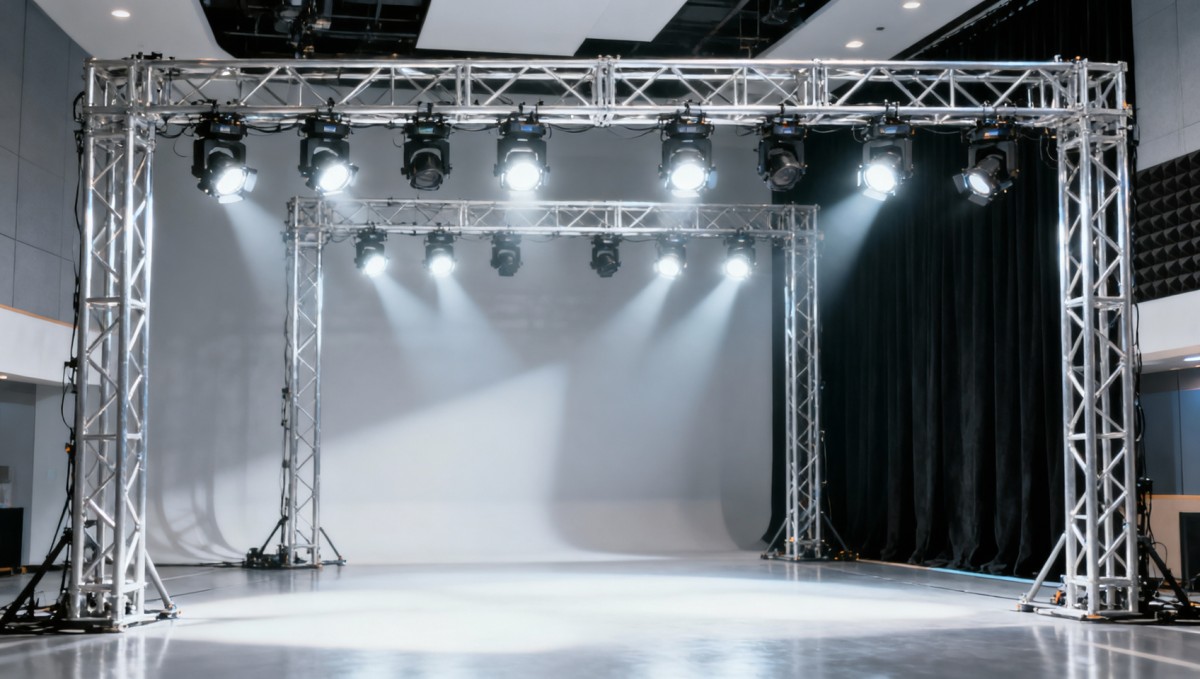
In summary, the RCEP green tariff exemption for stage lighting and truss systems marks a targeted, compliance-driven shift in trade conditions—not a broad-based tariff cut. Its primary significance lies in elevating environmental accountability as a functional requirement for market access within the bloc. It is best understood not as a short-term pricing lever, but as an early indicator of tightening sustainability-linked trade gateways across Asia-Pacific markets.
Source: RCEP Secretariat, Updated Sustainable Manufacturing Products Tariff List, issued 27 May 2026. Note: Implementation details—including accepted LCA verification bodies and national customs guidance—are still being finalized by individual RCEP member administrations and warrant ongoing monitoring.
Search News
Hot Articles
- Musical InstrumentsA Practical Guide to Identifying Wooden Orchestral Instruments by Family and ToneOct 10, 2026
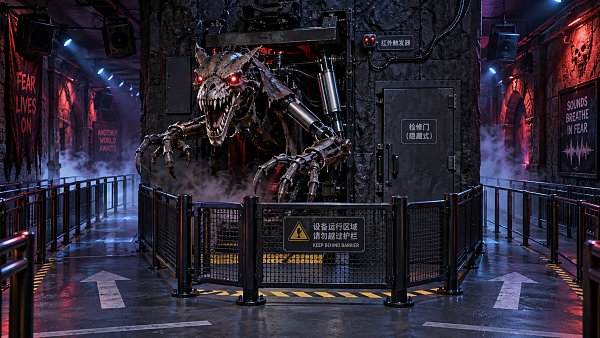
- Indoor PlaygroundHow to Choose Animatronic Haunted House Props for High-Throughput AttractionsOct 08, 2026
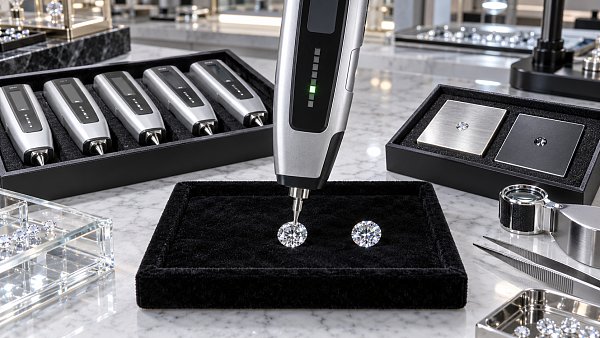
- Fashion & Gem JewelryThermal Diamond Testers: How They Work and When They Can Misidentify StonesOct 07, 2026
Popular Tags
Need ExpertConsultation?
Connect with our specialized leisureengineering team for procurementstrategies.
Recommended News
 Oct 10, 2026A Practical Guide to Identifying Wooden Orchestral Instruments by Family and ToneWooden orchestral instruments made simple: identify strings, flutes, clarinets, oboes, and bassoons by sound source, design, and tone.● Pro Audio Engineer
 Oct 08, 2026How to Choose Animatronic Haunted House Props for High-Throughput AttractionsAnimatronic haunted house props for high-throughput attractions: compare motion, triggers, safety, and maintenance to create reliable scares that keep guests moving.● Theme Park Strategist
 Oct 07, 2026Thermal Diamond Testers: How They Work and When They Can Misidentify StonesThermal diamond tester guide: learn how it works, spot false positives from moissanite, and choose reliable verification methods for jewelry trade and retail.● Luxury Retail Analyst
 Oct 06, 2026What Is Driving Demand for Commercial Hospitality Projects Across the GCC?Commercial hospitality GCC demand is rising through destination-led tourism, mixed-use development, and premium operational standards. Explore the procurement strategies shaping resilient projects.● Hospitality Sourcing Dir
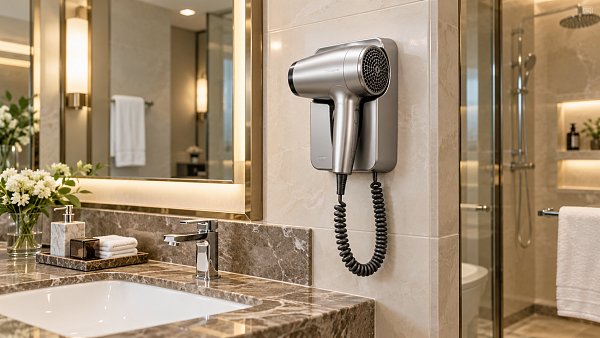
 Oct 05, 2026How to Select Hotel Hair Dryers That Balance Guest Safety, Durability, and CostHair dryer for hotels: learn how to select safe, durable, cost-efficient models with the right certifications, performance, maintenance, and supplier support.● Hospitality Sourcing Dir
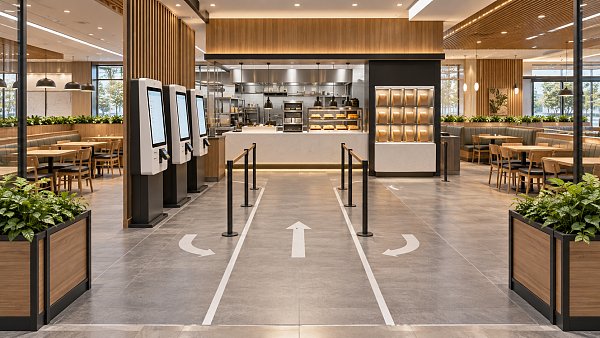
 Oct 04, 2026Fast-Casual Restaurant Interiors: Design Choices That Improve Speed and Guest FlowRestaurant interiors for fast casual brands: discover design choices that improve guest flow, speed service, streamline pickup, and elevate every visit.● Hospitality Sourcing Dir
 Oct 03, 2026How to Select Leisure Park Equipment for Safe, High-Throughput Visitor AreasLeisure park equipment selection guide for safe, high-throughput venues—explore capacity, supervision, durability, accessibility, and supplier criteria.● Theme Park Strategist
 Oct 02, 2026Diamond Tester Wholesale: How to Vet Accuracy, Calibration, and MOQ Before OrderingDiamond tester wholesale guide: verify accuracy, calibration records, supplier quality controls, and MOQ terms before ordering. Source reliable testers with confidence.● Luxury Retail Analyst
 Oct 01, 2026How Hotels Can Choose Amenity Bottles That Balance Brand Image and Refill CostsHotel amenity bottles: learn how to balance premium brand presentation, refill costs, hygiene, durability, and efficient housekeeping workflows.● Hospitality Sourcing Dir
 Sep 30, 2026How to Choose an Aluminum Projector Ceiling Mount for Load, Drop, and Ceiling TypeChoose an aluminum projector ceiling mount with confidence. Learn how load capacity, drop length, ceiling structure, safety retention, and service access shape a reliable commercial AV installation.● Pro Audio Engineer
 Sep 29, 2026Poured Playground Safety Surfacing: How to Specify Thickness for Fall HeightsPoured playground safety surfacing: learn how to specify tested thickness by fall height, ASTM standards, substrate conditions, accessibility, and field verification.● Theme Park Strategist
 Sep 28, 2026How U.S. Schools Can Choose Laboratory Equipment for Safe, Compliant Science LabsSchool laboratory equipment USA: learn how to select safe, compliant lab furniture, ventilation, emergency systems, and durable tools for K–12 science labs.● Institutional Buyer
 Sep 27, 2026Custom Trampoline Park Equipment: Planning Capacity, Safety, and LayoutCustom trampoline park equipment for safer capacity, smooth guest flow, and efficient layouts. Explore practical planning insights for a high-performing park.● Theme Park Strategist
 Sep 26, 2026How to Choose Dynamic Microphones for Vocals in Live Stage SettingsDynamic microphones for vocals: learn how to match polar patterns, feedback control, durability, and clarity to live stage needs for reliable, professional sound.● Pro Audio Engineer
 Sep 25, 2026How to Evaluate a Wall-Mounted Hotel Hair Dryer Manufacturer for Bulk ProjectsHotel hair dryers wall mounted manufacturer evaluation guide: compare safety, durability, installation fit, OEM options, total cost, and reliable bulk-project support.● Hospitality Sourcing Dir
 Sep 24, 2026Conveyor Pizza Oven Price: What Buyers Should Budget for Capacity and FeaturesConveyor pizza oven price guide: compare capacity, features, installation costs, and quote factors to choose the right commercial oven for your operation.● Hospitality Sourcing Dir
 Sep 23, 2026How Restaurant Buyers Can Source Hospitality Supplies Without OverorderingHospitality supplies for restaurants: learn practical sourcing strategies to cut excess inventory, protect cash flow, improve supplier reliability, and keep every service running smoothly.● Hospitality Sourcing Dir
 Sep 22, 2026Commercial Kitchen Design Price: Budgeting by Layout, Equipment, and MEP ScopeCommercial kitchen design price explained: budget smarter for layout, equipment, MEP scope, compliance, installation, and long-term operational performance.● Hospitality Sourcing Dir
 Sep 21, 2026How Schools Can Cut Printing Costs When Buying Ink Cartridges in BulkSchool ink cartridges wholesale made smarter: cut printing costs with fleet planning, cost-per-page comparisons, reliable suppliers, and inventory controls.● Institutional Buyer
 Sep 20, 2026How to Evaluate a Luxury Retail Packaging Supplier for Premium Brand ConsistencyLuxury retail packaging supplier evaluation guide: protect premium brand consistency with proven quality control, material expertise, scalable production, and supply reliability.● Luxury Retail Analyst
 Sep 19, 2026How to Select a Spiral Dough Mixer for Bakery Batch Size and Dough HydrationSpiral dough mixer bakery guide: match batch size, flour load, and hydration to select reliable torque, temperature control, and consistent dough results.● Hospitality Sourcing Dir
 Sep 18, 2026What Drives Animatronic Dinosaur Manufacturer Prices for Theme Park Projects?Animatronic dinosaurs manufacturer price guide: compare motion, materials, controls, installation, and lifecycle costs to plan a durable theme park attraction.● Theme Park Strategist
 Sep 17, 2026How to Source Wholesale Packing Tape Without Compromising Carton Seal StrengthWholesale packing tape sourcing guide: compare adhesive, backing, carton conditions, and real-world trials to reduce costs while maintaining reliable carton seal strength.● Institutional Buyer
 Sep 16, 2026How to Source Educational Furniture Worldwide for Safe, Flexible Learning SpacesEducational furniture worldwide: learn how to source safe, flexible, durable learning-space solutions while controlling compliance, logistics, and lifecycle costs.● Institutional Buyer