Instrument Cables That Reduce Signal Loss
For buyers and sourcing professionals in sports and entertainment, choosing instrument cables that reduce signal loss is not just a technical preference—it directly affects audio consistency, equipment compatibility, maintenance frequency, and total operating cost. In commercial venues, leisure park stages, themed attractions, rehearsal spaces, and live event environments, the best cable is usually the one that preserves tone over the required run length, resists interference, survives repeated handling, and fits the installation context without overpaying for unnecessary specifications.
For procurement teams, the practical question is not simply “Which instrument cable is best?” but “Which cable specification gives us reliable signal integrity and commercial durability for our use case?” The answer depends on conductor quality, capacitance, shielding, connector construction, run length, and whether the cable will be used for fixed installation or constant stage movement.
What Buyers Really Need to Know About Instrument Cables That Reduce Signal Loss
If your goal is to reduce signal loss, focus first on low capacitance, appropriate cable length, effective shielding, and consistent connector quality. These four factors usually matter more than branding language alone.
In practical commercial audio terms, signal loss often shows up as:
- High-frequency roll-off or duller tone
- Increased noise and interference
- Inconsistent performance between venues or setups
- More troubleshooting time for technical teams
- Higher replacement rates in high-use environments
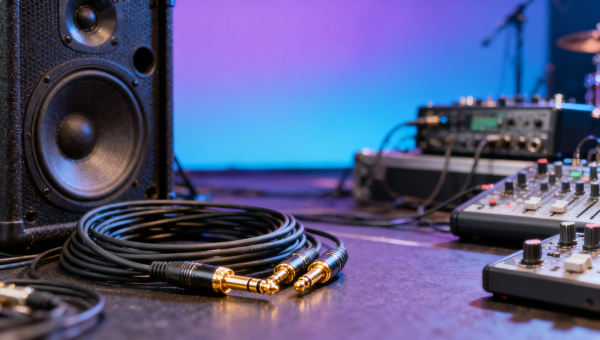
For sports and entertainment applications, this matters in live stages, attraction sound systems, performance rehearsal areas, interactive exhibits, and temporary event setups where reliability and repeatability are critical. A poor cable choice can create avoidable service calls, performer complaints, and unnecessary downtime.
What Causes Signal Loss in Instrument Cables
Signal loss in instrument cables is usually linked to electrical and physical design factors rather than one single defect. Buyers evaluating products for commercial use should understand the main causes:
- High capacitance: Excess capacitance can attenuate high frequencies, especially with passive instruments and longer cable runs.
- Excessive length: The longer the cable, the greater the potential for signal degradation and noise pickup.
- Poor shielding: In electrically noisy venues, inadequate shielding can allow interference from lighting, power systems, wireless devices, and nearby electronics.
- Low-quality connectors: Weak contact points, poor plating, or bad strain relief can lead to intermittent signal issues.
- Inferior conductor materials: Lower-grade copper or inconsistent manufacturing can reduce transmission quality and long-term reliability.
- Mechanical wear: Frequent bending, stepping, pulling, and coiling can damage internal structure over time.
In commercial entertainment settings, these issues often combine. For example, a cable may perform acceptably in a quiet demo room but fail in a venue with LED walls, stage lighting, power distribution equipment, and high foot traffic.
Which Cable Specifications Matter Most in Commercial Procurement
When evaluating instrument cables for sourcing or resale, the following specifications are the most useful for real-world comparison:
1. Capacitance Rating
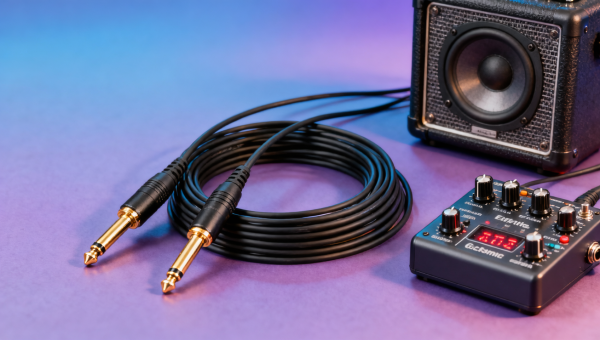
This is one of the clearest indicators for tone preservation, especially for passive guitars, basses, keyboards with unbalanced outputs, and other instrument-level connections. Lower capacitance generally helps reduce high-end loss over distance.
For buyers, a supplier that clearly discloses capacitance per foot or per meter is often more credible than one relying only on vague marketing claims such as “premium sound” or “studio grade.”
2. Shielding Type
Shielding affects noise rejection. Common options include spiral shield, braided shield, and foil-based shielding structures. In commercial environments:
- Braided shielding is often valued for durability and strong coverage.
- Spiral shielding can offer flexibility and good performance for mobile use.
- Foil shielding may suit some installed applications but is often less ideal for repeated flexing.
3. Conductor Material and Gauge
Oxygen-free copper and well-controlled conductor construction are commonly preferred in higher-quality cables. While conductor gauge matters, buyers should evaluate it alongside flexibility, intended run length, and durability rather than in isolation.
4. Connector Quality
Connectors are frequent failure points. Strong strain relief, precise fit, corrosion resistance, and consistent assembly quality are essential. In venues and parks where cables are repeatedly connected and disconnected, connector durability can strongly influence lifecycle cost.
5. Jacket Material and Flexibility
A cable used in themed attractions, mobile performance setups, or rental-style environments should withstand abrasion, bending, and frequent handling. Overly stiff jackets may resist some wear but can be inconvenient for fast deployment. Overly soft jackets may coil easily but wear out faster in harsh environments. The right balance depends on the application.
How to Choose the Right Instrument Cable for Different Use Cases
Not every commercial buyer needs the same cable profile. Matching the product to the use scenario is more important than selecting the most expensive option.
For Live Stages and Event Venues
- Prioritize low capacitance and strong shielding
- Choose durable connectors with effective strain relief
- Look for flexible jackets that support fast setup and teardown
- Standardize lengths to reduce inventory complexity
For Theme Parks and Fixed Entertainment Installations
- Focus on long-term stability and environmental durability
- Verify interference resistance near lighting and control systems
- Confirm suitability for routing, concealment, and maintenance access
- Request compliance and quality documentation from suppliers
For Rehearsal Rooms, Music Education Spaces, and Back-of-House Use
- Balance cost control with acceptable tone preservation
- Choose cables that tolerate frequent handling by multiple users
- Prefer replaceable, easy-to-identify stock units for maintenance efficiency
For Dealers and Distributors
- Stock differentiated options by length, durability class, and shielding design
- Favor suppliers with stable quality control and clear specifications
- Look for OEM/ODM flexibility if serving venue chains or institutional buyers
How Procurement Teams Can Evaluate Suppliers Beyond Marketing Claims
For sourcing professionals, the biggest risk is buying cables that sound acceptable in theory but perform inconsistently in commercial conditions. To reduce that risk, supplier evaluation should include more than price and packaging.
Useful checkpoints include:
- Specification transparency: Does the supplier provide capacitance, shielding structure, conductor details, and connector materials?
- Manufacturing consistency: Can they explain quality control procedures, batch consistency, and testing standards?
- Commercial references: Have they supplied venues, integrators, rental companies, or institutional projects?
- Customization capability: Can they support custom lengths, branding, connector types, or packaging requirements?
- Compliance documentation: Can they provide relevant safety, material, or export-related documentation as needed?
- After-sales reliability: What is the warranty approach, defect handling process, and lead-time stability?
For B2B buyers in sports and entertainment, consistency often matters more than finding the absolute lowest unit price. A cable with fewer field failures and less troubleshooting can create better value over time.
Common Buying Mistakes That Lead to Poor Audio Performance
Many organizations overspend on the wrong features or underspecify the basics that actually reduce signal loss. Common mistakes include:
- Buying based only on brand recognition without reviewing actual specifications
- Using cable runs longer than necessary
- Ignoring venue-specific interference conditions
- Selecting connectors that are not suited for repeated commercial use
- Treating all instrument cables as interchangeable
- Prioritizing initial price over replacement frequency and maintenance cost
Another frequent issue is using consumer-grade products in commercial entertainment environments. A cable suitable for occasional home or studio use may not survive repeated stage deployment, transport, or attraction operations.
What “Best Value” Really Means for Instrument Cable Sourcing
The best value instrument cable is not necessarily the cheapest or the most premium. For commercial buyers, value comes from matching specification to application while minimizing risk.
A good buying decision usually delivers:
- Stable signal quality across typical operating distances
- Reliable performance in electrically complex environments
- Acceptable durability for the handling intensity
- Lower replacement and maintenance frequency
- Supplier consistency for repeat orders and project scaling
If the cable is intended for premium venue audio, artist-facing performance spaces, or high-visibility attractions, paying more for lower capacitance, stronger connectors, and better shielding is often justified. If it is intended for lower-risk internal use, a mid-tier commercial-grade option may provide the best return.
Practical Shortlist Criteria for Buyers and Sourcing Managers
Before placing an order, procurement teams can use this simple shortlist to compare instrument cables that reduce signal loss:
- Is capacitance clearly stated and competitive?
- Is the shielding design suitable for the target venue environment?
- Are connectors robust enough for repeated commercial handling?
- Is the jacket material appropriate for mobility or installation use?
- Does the supplier have dependable quality control and B2B experience?
- Can the supplier support repeat orders, custom specs, or private labeling if needed?
- Does the lifecycle value justify the quoted price?
This approach helps buyers make decisions that support both technical performance and commercial efficiency.
Conclusion
Instrument cables that reduce signal loss are a meaningful procurement detail in sports and entertainment environments because they influence sound quality, operational reliability, maintenance burden, and buyer confidence. For most commercial applications, the smartest decision is to prioritize low capacitance, effective shielding, durable connectors, and fit-for-purpose construction rather than relying on broad marketing claims.
Whether you are sourcing for live venues, amusement and leisure facilities, themed attractions, educational performance spaces, or resale channels, the right cable choice should be judged by measurable performance, durability in actual use, and supplier consistency. Buyers who focus on these factors are better positioned to secure dependable audio results and stronger long-term value.
Search News
Hot Articles
- Pro Stage AudioFIFA Adopts Chinese Mini-LED Displays for 2026 World Cup VAR SystemApr 24, 2026
- Outdoor RidesChina FA Warns Nanjing City Over Fan Conduct; ISO 20785 Compliance AcceleratesApr 24, 2026
- Pro Stage AudioFan Zhendong Visits Silicon Valley as MLTT Investor, AI Ping-Pong Tech Draws US InterestApr 24, 2026
Popular Tags
Need ExpertConsultation?
Connect with our specialized leisureengineering team for procurementstrategies.
Recommended News
 Apr 23, 2026Music Accessories Buyers Should Compare FirstMusic accessories buyers should compare quality, compatibility, and compliance first. Explore sourcing tips for hotel equipment, educational supplies, amusement equipment, and sensory playground projects.● Pro Audio Engineer
 Apr 23, 2026How to Source Reliable Music AccessoriesMusic accessories sourcing guide for buyers in commercial furniture, hotel equipment, educational supplies, and amusement equipment—learn how to verify quality, compliance, and reliable suppliers.● Pro Audio Engineer
 Apr 23, 2026Cheap Music Accessories Often Cost More LaterMusic accessories may seem cheap, but hidden costs rise fast. Explore smarter sourcing for hotel equipment, educational supplies, amusement equipment, sensory playground and playground safety.● Pro Audio Engineer
 Apr 23, 2026Music Accessories That Improve Classroom Sound SetupMusic accessories improve classroom sound setup with safer cable control, clearer audio, and durable solutions that pair with educational supplies, commercial furniture, and playground safety planning.● Pro Audio Engineer
 Apr 25, 2026Instrument Cables That Reduce Signal LossInstrument cables that reduce signal loss for live venues, leisure park and theme park rides. Explore durable specs for clear audio, plus sourcing insights on custom furniture, catering equipment, soundproofing materials and inclusive playground projects.● Pro Audio Engineer
 Apr 22, 2026Which Instrument Cables Sound BestWhich instrument cables sound best? Discover how capacitance, shielding, and durability affect performance, plus sourcing tips for instrument cables and related commercial needs.● Pro Audio Engineer
 Apr 22, 2026Why String Instruments Can Look Similar but Sound Very DifferentString instruments may look alike yet sound vastly different. Explore sourcing insights across musical instruments, plus comparisons with wind instruments and percussion instruments.● Pro Audio Engineer
 Apr 22, 2026String Instruments: Solid Wood or Laminate for Long-Term Use?String instruments guide: compare solid wood vs laminate for long-term use, durability, tone, and sourcing value across musical instruments. Click for smarter B2B buying insights.● Pro Audio Engineer
 Apr 22, 2026What Affects Tone Consistency in Student Wind Instruments?Wind instruments buying guide: discover what affects tone consistency in student musical instruments, with insights comparing percussion instruments and string instruments for smarter school sourcing.● Pro Audio Engineer
 Apr 22, 2026Wind Instruments That Need More Maintenance Than ExpectedWind instruments maintenance guide for buyers: compare musical instruments, string instruments and percussion instruments to reduce service costs and source smarter.● Pro Audio Engineer
 Apr 22, 2026Common Tuning Problems in Percussion Instruments and Their CausesPercussion instruments tuning problems explained for buyers of musical instruments, with practical tips on comparing percussion instruments, string instruments, and wind instruments for reliable commercial sourcing.● Pro Audio Engineer
 Apr 22, 2026Percussion Instruments That Handle Heavy Use Better in ClassroomsPercussion instruments built for classrooms: compare durable musical instruments, from percussion instruments to wind instruments and string instruments, for safer, longer-lasting school use.● Pro Audio Engineer
 Apr 22, 2026What Shortens the Lifespan of Musical Instruments in Daily Use?Musical instruments wear out faster from humidity, poor storage, and rough handling. Learn how string instruments, wind instruments, and percussion instruments last longer with smarter B2B care.● Pro Audio Engineer
 Apr 22, 2026Musical Instruments With the Strongest School Market DemandMusical instruments with strong school demand: compare percussion instruments, wind instruments, and string instruments to find durable, curriculum-ready solutions for smarter school sourcing.● Pro Audio Engineer
 Apr 25, 2026How to Compare a Musical Instruments Manufacturer FairlyCompare a musical instruments manufacturer fairly with practical tips on musical instruments wholesale, musical instruments for schools, quality, compliance, lead times, and service.● Pro Audio Engineer
 Apr 25, 2026Why Lead Time Matters When Choosing a Musical Instruments ManufacturerLearn why lead time is critical when choosing a musical instruments manufacturer. Discover smarter sourcing for musical instruments wholesale and musical instruments for schools.● Pro Audio Engineer
 Apr 25, 2026Musical Instruments for Schools: What Lasts in Daily Use?Musical instruments for schools: discover what lasts in daily use, how a trusted musical instruments manufacturer and musical instruments wholesale partner help schools cut costs and buy smarter.● Pro Audio Engineer
 Apr 25, 2026Should Schools Rent or Buy Musical Instruments Today?Musical instruments for schools: learn when to rent or buy, compare total costs, and choose a trusted musical instruments manufacturer or musical instruments wholesale partner today.● Pro Audio Engineer
 Apr 25, 2026Where Musical Instruments Wholesale Prices Vary the MostMusical instruments wholesale prices vary most by region, quality, and supplier strength. Compare a musical instruments manufacturer, school instruments, and sourcing risks before you buy.● Pro Audio Engineer
 Apr 25, 2026Low MOQ or Better Margins? A Real Look at Musical Instruments WholesaleMusical instruments wholesale explained: compare low MOQ vs better margins, choose the right musical instruments manufacturer, and source musical instruments for schools with smarter profits.● Pro Audio Engineer
 Apr 21, 2026Choosing musical instruments for bands in small venuesMusical instruments for bands in small venues: learn how buyers choose compact, durable setups with better sound control, lower costs, and stronger audience appeal.● Pro Audio Engineer
 Apr 24, 2026Musical instruments for bands that hold tuning on the roadMusical instruments for bands that hold tuning on the road: compare road-ready gear, supplier credibility, and total cost. Ideal for buyers, distributors, and entertainment procurement teams.● Pro Audio Engineer
 Apr 20, 2026Music Accessories Often Overlooked Until They Start Causing ProblemsMusic accessories often cause hidden issues across musical instruments, percussion instruments, wind instruments, string instruments, keyboard instruments, orchestral instruments, music stands, instrument cables, and pro audio equipment.● Pro Audio Engineer
 Apr 20, 2026When Orchestral Instruments Need Custom Cases and Why It MattersMusical instruments and orchestral instruments need custom cases to protect string instruments, wind instruments, percussion instruments, and keyboard instruments during transport. Learn when buyers should upgrade for safer logistics.● Pro Audio Engineer