Inclusive Playground Features That Matter
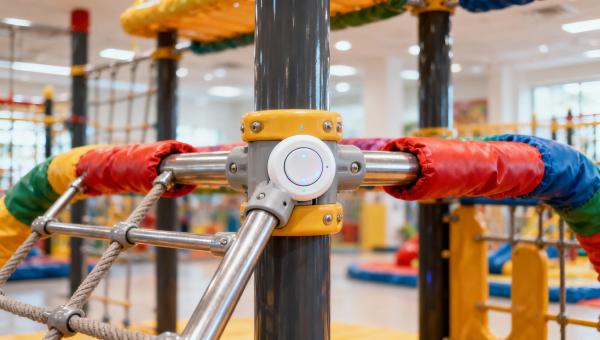
Creating an inclusive playground means more than adding ramps—it requires thoughtful playground structures, safe playground swings, and sensory-friendly design that supports every child. For buyers evaluating a leisure park or family-focused venue, the right inclusive playground features can improve accessibility, user satisfaction, and long-term project value while aligning with modern safety and commercial expectations.
Why inclusive playground features now matter in commercial recreation projects
In the sports and entertainment sector, playground investment is no longer judged only by visual appeal or installed capacity. Buyers now assess whether a site can welcome children with different physical, sensory, and social needs without creating separate play zones. For leisure parks, resorts, family entertainment centers, schools, and mixed-use public venues, inclusive playground features influence dwell time, family satisfaction, and repeat visits.
This shift is also commercial. Procurement teams often compare 3 core outcomes at the same time: accessibility, safety compliance, and return on space. A playground that works for more users can broaden audience reach and reduce redesign costs later. In many projects, retrofitting after installation is slower and more expensive than integrating inclusive planning during the first 2–4 design stages.
For researchers and business evaluators, the challenge is not finding suppliers that mention inclusion. The real challenge is determining which inclusive playground features are practical, durable, certifiable, and suitable for the target footfall level. A hotel kid zone with seasonal use differs from a municipal leisure park that operates daily, and both differ from a distributor building a repeatable product portfolio for multiple markets.
Global Commercial Trade supports this decision process by connecting sourcing intelligence, supplier screening logic, and project-oriented evaluation criteria. In playground procurement, that means looking beyond product brochures and focusing on functional layout, material reliability, maintenance intervals, and compliance pathways that matter in real commercial deployment.
- Inclusive design expands user access across mobility, sensory, and developmental differences rather than serving only one category of need.
- Commercial buyers usually need solutions that balance visual identity, throughput, maintenance demands, and multi-age usability.
- Early planning can reduce later change orders, which commonly affect surfacing, circulation routes, transfer access, and swing zoning.
What buyers are really trying to solve
A procurement manager may be under pressure to open a site within 8–12 weeks. A distributor may need modular equipment that fits different site sizes. A commercial assessor may need to compare 5 suppliers using the same evaluation matrix. These needs are operational, not theoretical. The most effective inclusive playground planning starts by defining user groups, site constraints, budget range, and maintenance resources before choosing equipment categories.
That is where structured sourcing becomes valuable. Instead of selecting products one by one, buyers should evaluate the full play experience: entry access, circulation width, transfer points, resting zones, sensory balance, caregiver sightlines, and risk-managed movement paths. This systems approach is especially useful for amusement and leisure park projects where guest flow and brand experience directly affect revenue potential.
Which inclusive playground features should be prioritized first?
Not every site needs the same equipment mix, but several inclusive playground features consistently rank high in commercial value. Buyers typically start with 4 practical categories: accessible entry and circulation, inclusive elevated play access, supportive motion play, and sensory-responsive zones. The goal is not to install the highest number of components. It is to remove participation barriers across the whole play journey.
Accessible surfacing is often the first make-or-break issue. Even a well-designed structure can fail inclusivity goals if routes to swings, panels, or transfer decks are too uneven, too soft, or poorly connected. Commercial sites also need to think about drainage, cleaning routines, and wear rates across high-traffic areas used every day or every weekend.
Playground swings deserve special attention because they are highly visible, heavily used, and often central to customer satisfaction. Standard swings alone do not serve all users well. Inclusive layouts may incorporate high-back supportive seats, molded seats with harness options where appropriate, or group swing experiences that promote shared play while respecting supervision and safety zoning.
Sensory-friendly design is another essential element. This does not mean making every area quiet or passive. It means providing a calibrated range of stimulation, such as tactile panels, music elements, calm corners, shaded zones, and predictable movement options. In a family recreation venue, this balance can improve comfort for both children and caregivers during stays of 30–90 minutes.
Feature priorities by function
The table below helps buyers compare major inclusive playground features by functional purpose, planning focus, and common procurement concerns. This is especially useful during early-stage supplier discussions when multiple departments need a shared reference point.
For most projects, the strongest sequence is route access first, then elevated play access, then motion and sensory balance. If a budget only covers phase-one implementation, this order usually creates the greatest improvement in real usability rather than cosmetic inclusion.
A practical 5-point checklist
- Can a child and caregiver move from entrance to at least 3 meaningful play experiences without encountering avoidable barriers?
- Does the site provide both active and lower-stimulation options within a short walking distance?
- Are playground swings selected for actual user diversity rather than for catalog appearance only?
- Can the venue inspect, clean, and maintain all high-contact components on a weekly or monthly schedule?
- Will the inclusive features remain functional under expected climate, traffic level, and operating hours?
How do application scenarios change the right playground structure choice?
Inclusive playground design should always reflect the venue type. A destination leisure park may prioritize throughput, thematic integration, and broad age coverage. A hotel or resort may focus on compact footprints, premium finishes, and parent-friendly supervision. A school-linked project may place more emphasis on daily durability and mixed developmental play. The same inclusive playground features can perform very differently depending on these operating conditions.
This is why sourcing teams should map user profile, site intensity, and service model before comparing quotations. In practice, 3 scenario questions clarify most decisions: how long families stay, how many children may use the site at one time, and whether the operator has in-house maintenance capacity. Those variables often influence equipment selection more than visual style.
For distributors and agents, scenario planning is also a portfolio issue. Products that sell well into public-sector parks may not fit hospitality projects where branding, compact installation, and lower-noise operation are more important. A commercially successful catalog should therefore include modular options, not just a single “inclusive” configuration.
The comparison below can help teams match inclusive playground features to the realities of different sports and entertainment environments.
A scenario-led approach reduces mismatch risk. It also makes supplier communication more efficient because the brief becomes measurable. Instead of asking for a general inclusive playground, buyers can request a compact hospitality-ready solution, a high-throughput public-use system, or a modular dealer-friendly package with predictable lead times and spare parts support.
Typical implementation steps for commercial buyers
- Define the user mix, age band, and expected peak occupancy for the site.
- Confirm site dimensions, surface condition, shade exposure, and access limitations before equipment selection.
- Request layout concepts that show circulation, swing clearance, quiet areas, and caregiver viewing angles.
- Review compliance documents, material specifications, and estimated production and shipment windows, often ranging from 4–10 weeks depending on customization.
What should procurement teams compare before issuing a purchase order?
Procurement teams often receive several visually similar offers for inclusive playground structures, yet the commercial risk behind each quote can differ significantly. The most reliable comparison model covers 6 dimensions: design suitability, material system, safety and compliance pathway, maintenance burden, lead time, and aftermarket support. A lower initial quote may become less competitive if replacement cycles are short or installation details are unclear.
For playground swings and moving components, buyers should ask not only about seat options but also about frame coating, bearing systems, chain or connection durability, and spare-part availability over a 12–24 month operating horizon. For sensory play panels and tactile units, durability under sunlight, moisture, and repeated cleaning is just as important as interaction value.
Lead time evaluation should be practical. Standardized units may move faster, while themed or branded projects often require longer drawing approval cycles. In many cross-border projects, total schedule risk includes production, container planning, customs documentation, and site readiness. That is why sourcing decisions should align design ambition with realistic opening deadlines.
The table below provides a procurement-oriented comparison framework that buyers, distributors, and commercial reviewers can use in supplier shortlisting.
When this matrix is used early, decision quality improves. It prevents buyers from over-focusing on upfront unit price and helps them compare inclusive playground suppliers on operating relevance, not just catalog design.
Compliance and commercial risk points that are often overlooked
Inclusive playground procurement should include a review of safety references commonly used in the destination market, such as general playground equipment and surfacing standards. Requirements may differ by country, project type, and ownership model, so buyers should verify local applicability before final approval. This is particularly important for public-facing sites and institutional projects.
Another overlooked point is maintenance planning. Even strong designs can underperform if the operator has no inspection routine. A reasonable operating plan may include daily visual checks, weekly cleaning of high-touch components, monthly hardware review, and seasonal surfacing assessment. These intervals should be adapted to climate and usage intensity, but the principle is simple: inclusive features must remain usable, not merely installed.
Common mistakes, buyer questions, and next-step guidance
Many projects fail inclusivity goals for predictable reasons. Some focus too heavily on one signature item and neglect circulation. Others install supportive swings without providing nearby accessible routes or rest areas. Some create sensory play opportunities but place them in overly noisy zones. In commercial recreation, these issues affect both user experience and brand perception, especially when families expect a venue to be genuinely welcoming.
A second mistake is treating inclusive playground features as a compliance checkbox rather than a business asset. When well planned, inclusive play supports broader attendance, caregiver confidence, and stronger destination positioning. For distributors, it can also open more project categories, from hospitality and education to public leisure and mixed-use retail developments.
Because buyers often need concise answers during evaluation, the following FAQ addresses the questions that commonly arise during sourcing, shortlisting, and internal approval.
How do we know if a playground is truly inclusive rather than just accessible?
Accessibility usually focuses on entry and movement. Inclusion goes further by enabling meaningful participation in multiple kinds of play. A stronger project offers at least 3 types of engagement, such as motion, sensory, and social play, while keeping routes, supervision, and comfort in mind. Buyers should review the full user journey, not only the ramp or surface specification.
Which inclusive playground features are most important for a limited budget?
If budget is tight, prioritize continuous access routes, at least one inclusive elevated or ground-level play cluster, and one well-selected motion element such as supportive playground swings. After that, add sensory panels, shaded calm areas, and collaborative play points in phases. This phased approach often delivers better user value than purchasing many isolated low-cost items.
What is a typical project timeline for sourcing and delivery?
For standard configurations, concept confirmation to shipment may fall within roughly 4–8 weeks. Customized themes, brand-specific colors, or layout revisions can extend timelines to 8–12 weeks or more depending on approval cycles and logistics conditions. Buyers should also reserve time for site preparation, installation, and local inspection requirements.
What should distributors and agents request from manufacturers?
Ask for modular product logic, spare-part policy, packaging clarity, customization boundaries, and technical documentation that can support multiple bids. Distributors also benefit from knowing the difference between standard stock elements and made-to-order components, since that affects pricing strategy and customer lead-time expectations across different markets.
Why work with GCT when evaluating inclusive playground sourcing?
Inclusive playground procurement sits at the intersection of user experience, safety discipline, design logic, and supply reliability. That makes sourcing more complex than comparing product photos. GCT helps B2B buyers and channel partners navigate this complexity with sector-focused intelligence built for commercial environments such as leisure parks, hospitality venues, educational spaces, and family-centered developments.
Instead of stopping at generic supplier lists, GCT supports a more strategic evaluation path. Buyers can use our sourcing perspective to compare playground structures, supportive swings, sensory features, compliance considerations, manufacturing capabilities, and delivery readiness in one decision framework. This is valuable when internal teams need to align procurement, design, operations, and commercial feasibility within a short review window.
If you are assessing an inclusive playground project, we can help you clarify the most relevant inputs before you commit. That includes product selection logic, layout priorities, typical lead-time expectations, certification discussion points, OEM or ODM feasibility, and questions to raise during supplier comparison. For distributors and agents, we can also support portfolio positioning and category mapping for different end-use markets.
Contact GCT to discuss parameter confirmation, inclusive playground feature selection, commercial-grade material options, playground swing configurations, delivery schedules, sample support, certification-related documentation, and quotation planning. A clearer sourcing brief at the start usually saves time, reduces procurement risk, and leads to a more competitive and credible project outcome.
Search News
Hot Articles
- Pro Stage AudioFIFA Adopts Chinese Mini-LED Displays for 2026 World Cup VAR SystemApr 24, 2026
- Outdoor RidesChina FA Warns Nanjing City Over Fan Conduct; ISO 20785 Compliance AcceleratesApr 24, 2026
- Pro Stage AudioFan Zhendong Visits Silicon Valley as MLTT Investor, AI Ping-Pong Tech Draws US InterestApr 24, 2026
Popular Tags
Need ExpertConsultation?
Connect with our specialized leisureengineering team for procurementstrategies.
Recommended News
 Apr 24, 2026Vietnam Mandates Child Finger-Trap Sensors for Indoor Playground EquipmentVietnam mandates child finger-trap sensors for indoor playground equipment—VINA-CE certified & third-party tested. Act now to ensure compliance, avoid shipment delays, and meet April 23, 2026 deadline.● Theme Park Strategist
 Apr 23, 2026Fan Zhendong Visits Silicon Valley as MLTT Investor, AI Ping-Pong Tech Draws AttentionAI ping-pong tech takes center stage as Fan Zhendong visits Silicon Valley as MLTT investor—key for smart sports hardware, AI coaching platforms & SaaS providers.● Theme Park Strategist
 Apr 23, 2026Vietnam Mandates Child Finger-Trap Sensors for Indoor Play EquipmentChild finger-trap sensors now mandatory for indoor play equipment in Vietnam—learn how QCVN 121:2026 impacts exporters, manufacturers & suppliers ahead of July 1, 2026 enforcement.● Theme Park Strategist
 Apr 22, 2026Vietnam Mandates Child Finger-Trap Sensors for Indoor Playground EquipmentVietnam mandates child finger-trap sensors for indoor playground equipment—comply with QCVN 128:2026 & TCVN 9350:2023 before Oct 2026!● Theme Park Strategist
 Apr 21, 2026Vietnam Mandates Child Finger-Trap Sensors for Indoor Play EquipmentVietnam mandates child finger-trap sensors for indoor play equipment—comply with TCVN 9507:2023 by July 1, 2026 to clear customs & protect kids.● Theme Park Strategist
 Apr 20, 2026NES Launches Sports Community Curator ProgramSports Community Curator program launched by NES — join global fitness studios, uni clubs & outdoor groups to co-create, test gear & grow with Chinese sports brands.● Theme Park Strategist
 Apr 17, 2026CPSC AI Safety Alert: 200ms Delay in Child Playground AI Systems = HazardCPSC AI Safety Alert: 200ms delay in child playground AI systems = hazard. Learn how latency compliance impacts Target/Walmart listings, testing, and supply chain.● Theme Park Strategist
 Apr 17, 20262026 Shanghai Sailing Open Adopts Domestic SeaChronos Pro Timing SystemSeaChronos Pro timing system debuts at 2026 Shanghai Sailing Open — ITU-certified, millisecond-accurate, wind- and tide-integrated. A game-changer for marine sports tech.● Theme Park Strategist
 Apr 16, 2026FDA Proposes New Labeling Rules for Sports Nutrition Supplements with Chinese LabelsFDA's new labeling rules for sports nutrition supplements with Chinese labels take effect April 2026—learn compliance must-dos for U.S. importers, manufacturers & brands.● Theme Park Strategist
 Apr 15, 2026Saudi SASO Updates Amusement Ride Standards: VR Devices Now Require Mandatory EMC TestingSaudi SASO's new 2026 standard mandates EMC testing for VR amusement rides, impacting exporters. Learn key compliance strategies for Saudi market access.● Theme Park Strategist
 Apr 14, 2026Japan Mandates Multilingual E-Manuals for Fitness Equipment from April 2026Japan mandates multilingual e-manuals for fitness equipment from April 2026. Learn how this impacts manufacturers & importers with JIS T 0601-1 compliance requirements. Stay ahead of the regulation!● Theme Park Strategist
 Apr 13, 2026WTT Taiyuan Adopts Chinese AI Table Tennis Analysis System with ITTF Export CertificationWTT Taiyuan adopts Chinese AI table tennis analysis system with ITTF export certification, enabling real-time ball speed & spin tracking. A game-changer for sports tech in emerging markets like Southeast Asia & Middle East.● Theme Park Strategist
 Apr 13, 2026First Female Snooker Player Achieves Multiple Century Breaks as Chinese Table Gains WPBSA CertificationChinese snooker player Bai Yulu makes history with multiple century breaks using WPBSA-certified 'Tournament Pro X7' table, marking a milestone for Chinese manufacturing in professional snooker equipment. Discover how this impacts global markets.● Theme Park Strategist
 Apr 13, 2026RCEP Zero Tariff on China's TPU Sports Protective Gear Boosts ASEAN TradeRCEP's zero-tariff policy on China's TPU sports protective gear boosts ASEAN trade, giving Chinese exporters cost advantages over Korean rivals. Learn how manufacturers and distributors can capitalize on this opportunity.● Theme Park Strategist
 Apr 10, 2026Japan's JIS T 9001:2026 Sports Flooring Anti-Slip Standard Mandatory from April 2026Japan's JIS T 9001:2026 standard mandates anti-slip sports flooring (SCOF ≥ 0.6) from April 2026. Chinese exporters must adapt to meet new requirements. Learn key compliance strategies.● Theme Park Strategist
 Apr 10, 2026Bai Yulu Makes History at Snooker World Championship, Sparks Surge in Women's Sports Equipment DemandBai Yulu makes history at Snooker World Championship with two century breaks, sparking 185% surge in women's sports equipment demand. Discover how manufacturers, e-commerce & supply chains can capitalize on this trend.● Theme Park Strategist
 Apr 10, 20262026 Badminton Asia Championships Quarterfinals Schedule Announced, Shi Yuqi to Compete; Southeast Asia Racket Orders Face 6-8 Week Delays2026 Badminton Asia Championships quarterfinals schedule revealed with Shi Yuqi competing, while Southeast Asia faces 6-8 week racket delays. Learn how supply chain issues impact manufacturers and get strategies to navigate equipment shortages.● Theme Park Strategist
 Apr 10, 2026WTT Taiyuan Challenge Sparks Smart Equipment Demand: Japan Buyers Scrutinize AI Training TechDiscover how the WTT Taiyuan Challenge boosts demand for AI training tech as Japanese buyers evaluate smart sports equipment. Learn key opportunities for manufacturers with JIS-certified solutions.● Theme Park Strategist
 Apr 10, 2026Chinese Snooker Players' Success Spurs Global Demand for Cue AccessoriesChinese snooker players' success drives 210% global demand surge for cue accessories. Explore how manufacturers & exporters can capitalize on this trend with UK, German & Australian markets leading inquiries.● Theme Park Strategist
 Apr 10, 2026EU Updates EN 16830:2026 Eyewear Safety Standard, Impacting China's Sports Goggle ExportsEU's updated EN 16830:2026 eyewear safety standard impacts China's sports goggle exports with stricter CE certification requirements. Learn how manufacturers and exporters can adapt to new impact resistance, UV400+, and blue light blocking standards before the September 2026 deadline.● Theme Park Strategist
 Apr 25, 2026Vietnam Mandates Child Finger-Trap Sensors for Indoor Play EquipmentVietnam mandates child finger-trap sensors for indoor play equipment—TCVN-certified, ≤0.3s response. Critical for importers, OEMs & compliance teams ahead of July 1, 2026 deadline.● Theme Park Strategist
 Apr 24, 2026Which Playground Supplier Suits Your Project?Playground supplier selection starts with safety, playground planning, and playground surfacing. Learn how to compare compliance, support, and total value for smarter procurement.● Theme Park Strategist
 Apr 24, 2026Playground Safety Surfacing: Cost vs ValuePlayground safety surfacing cost vs value explained: compare playground surfacing options, compliance, maintenance, and ROI for smarter playground planning and supplier decisions.● Theme Park Strategist
 Apr 24, 2026How to Choose Playground Safety SurfacingPlayground safety surfacing guide for smarter playground planning: compare compliant playground surfacing options, lifecycle cost, and how to choose a reliable playground supplier.● Theme Park Strategist