Musical Instruments for Schools: What Lasts in Daily Use?
For buyers comparing musical instruments for schools, durability in daily use is more than a budget issue—it shapes long-term value, maintenance needs, and student experience. From classroom percussion to band essentials, choosing the right musical instruments manufacturer or reliable musical instruments wholesale partner can reduce replacement costs and improve consistency. This guide explores what lasts, what fails early, and how schools can source smarter.
Why durability matters more in schools than in occasional-use music programs
School music programs create a very different stress profile from private studios or low-frequency community use. Instruments may be handled by 20–80 students per week, moved between classrooms 2–5 times a day, and stored in shared cabinets with inconsistent humidity control. In this environment, the most important question is not simply how an instrument sounds on day one, but how it performs after repeated contact, transport, cleaning, and beginner-level handling.
For procurement teams, this changes the buying logic. A lower unit price can quickly become expensive when heads crack, valves stick, tuning pegs slip, or cases fail within 6–18 months. A durable school instrument should tolerate routine misuse without becoming unsafe, unplayable, or too costly to service. That is why many institutional buyers now compare construction method, spare parts access, and serviceability alongside price.
In the sports and entertainment sector, educational music supply sits inside a broader commercial experience ecosystem. Schools, training centers, youth clubs, and cultural campuses need equipment that supports participation, not just display. GCT addresses this need by helping buyers filter suppliers through practical sourcing criteria: product consistency, OEM or ODM capability, packaging reliability, compliance awareness, and the ability to support medium- to large-volume replenishment cycles.
When buyers assess what lasts in daily use, they should focus on 4 core factors: material resilience, joint and hardware stability, maintainability, and storage suitability. These factors often matter more than cosmetic finish. A school can accept minor scratches; it cannot accept recurring tuning instability, broken lugs, or inaccessible replacement parts during a semester.
Typical wear patterns in daily school environments
- Repeated impact from stacking, trolley movement, and crowded storage rooms causes early failure in low-grade shells, cases, and corners.
- Moisture from breath, hand sweat, and irregular cleaning affects plated parts, pads, reeds, strings, and tuning hardware over 1–3 academic terms.
- Beginner handling creates stress on bridges, mouthpieces, drum heads, straps, and fastening systems, especially where supervision is limited.
- Shared use increases hygiene and maintenance pressure, making surface finish and easy-to-clean design important procurement considerations.
These wear patterns explain why school buyers should treat durability as a lifecycle issue rather than a product claim. A reliable musical instruments wholesale partner should be able to discuss packaging drop resistance, replacement part lead times, and common service intervals, not just catalog specifications.
Which musical instruments usually last best in daily school use?
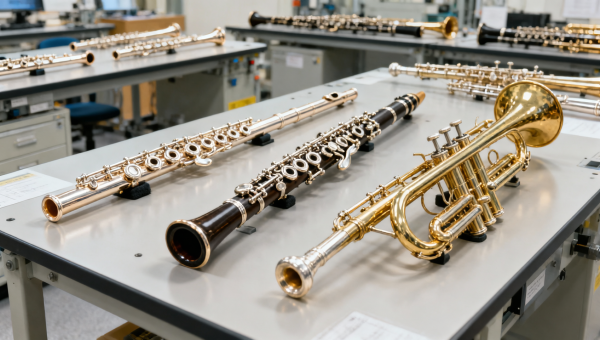
Not all school instruments age at the same rate. In general, classroom percussion with simple mechanical structures tends to survive heavy daily use better than instruments with delicate pads, reeds, bridges, or fine-tolerance moving parts. This does not mean schools should avoid band or orchestral instruments. It means they should match each category to user age, supervision level, and maintenance capacity.
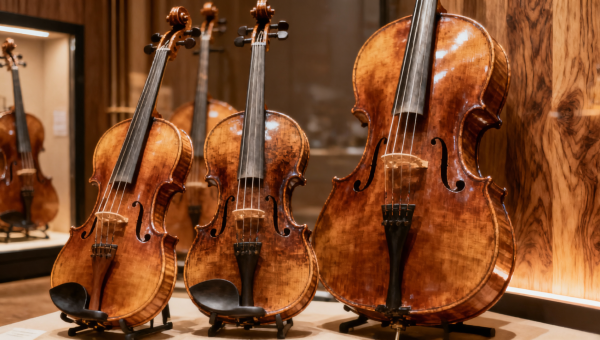
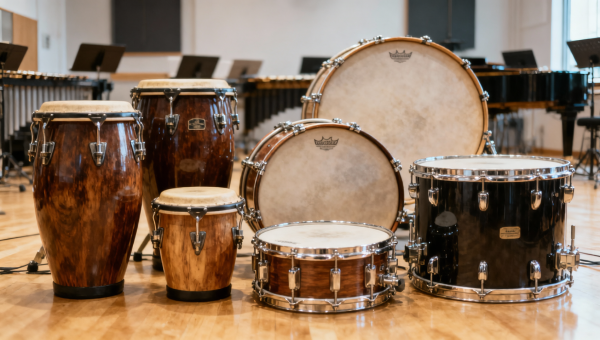
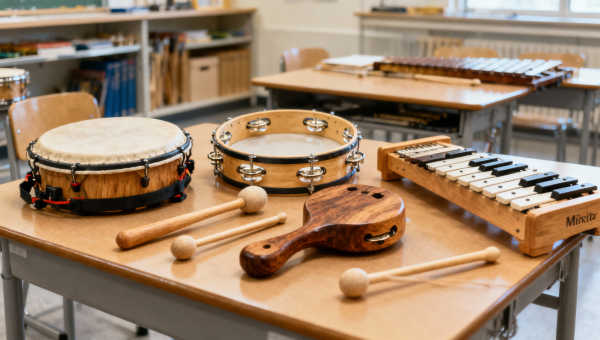
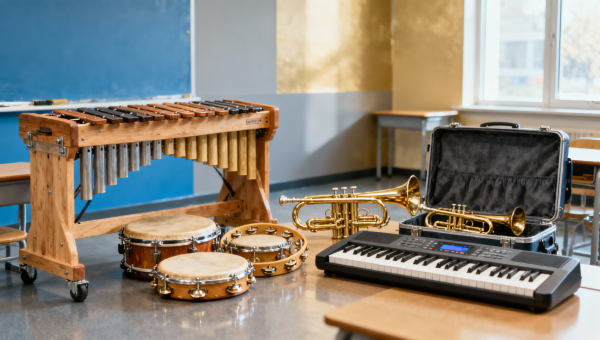
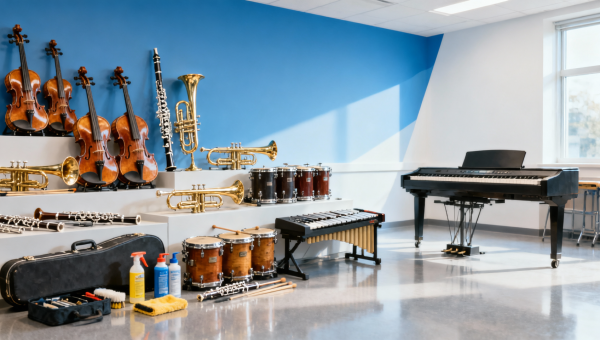
The strongest long-term performers are often well-built tambourines, hand drums, xylophones with stable bars and frame construction, durable keyboards for general instruction, and student brass with serviceable valves and robust cases. Instruments that often fail early in poorly planned purchasing programs include low-grade violins with weak pegs, entry clarinets with unstable pad seating, and percussion products with thin hoops or poor tuning hardware.
To make comparison easier, buyers should evaluate each category by abuse tolerance, maintenance frequency, consumable dependency, and replacement complexity. The table below summarizes common school-use patterns rather than promoting a single product type for every campus.
The key takeaway is practical: the longest-lasting category is often the one matched correctly to use intensity and support conditions. A strong musical instruments manufacturer should help buyers define whether the program is low-maintenance, performance-led, or beginner-heavy before recommending a product mix.
What schools should prioritize by age group
Primary and early-years programs
For younger users, impact resistance and simple handling usually outrank tonal sophistication. Instruments with fewer detachable parts, rounded edges, and wipe-clean surfaces are often the best fit over a 1–2 year use cycle.
Middle and secondary school programs
At this stage, schools can shift toward instruments that balance playability and repairability. Cases, tuning stability, and spare part continuity become critical because instruments are used in rehearsal, storage, and occasional transport for events.
What construction details separate long-lasting school instruments from short-life stock?
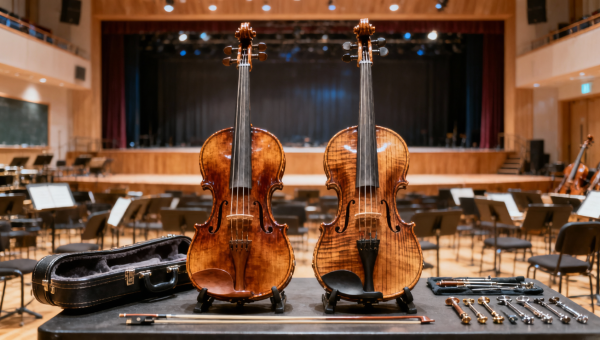
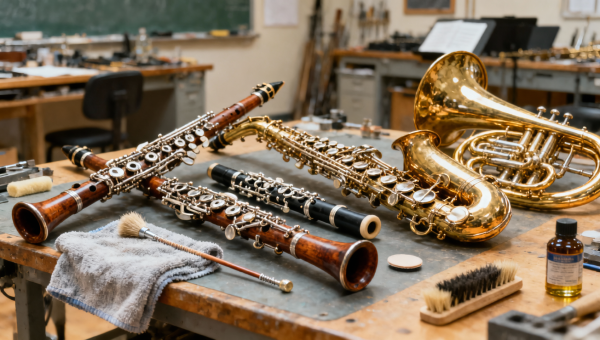
Many buyers compare by surface finish or catalog photos, yet the decisive factors are usually hidden in the build. In percussion, check shell thickness consistency, lug attachment integrity, and whether tension rods seat cleanly after repeated tuning. In brass and woodwinds, focus on alignment, solder quality, key fitting, and whether common service parts can be replaced without excessive labor. In strings, factory setup quality often matters as much as base material.
A practical procurement review should include 5 checkpoints: body material stability, hardware durability, finish resistance to cleaning, case protection, and spare part availability. If a supplier cannot explain these points clearly, schools may be buying short-term stock rather than durable educational instruments. This is especially risky for distributors and agents building long-term institutional accounts.
For musical instruments wholesale decisions, packaging is also part of durability. Instruments shipped in bulk for 50, 100, or 300-unit education projects need internal protection that reduces damage during handling and warehousing. A well-made instrument can still arrive compromised if packaging design is weak, especially in international B2B supply chains with multiple loading points.
The table below gives a procurement-oriented view of what to inspect before placing a school order. These are not luxury criteria; they are everyday indicators that affect maintenance burden over the next 12–36 months.
This inspection method helps schools move beyond brochure claims. Buyers should request photos of key construction points, sample units for handling review, and a clear list of consumables. For commercial-scale projects, GCT supports this process by connecting buyers with sourcing intelligence that reflects product practicality, not only presentation.
A simple 3-stage evaluation process
- Shortlist by use case: classroom, ensemble, mobile program, or mixed campus deployment.
- Test service points: tuning retention, moving part feel, case protection, and cleaning compatibility.
- Confirm support terms: lead time for replenishment, spare parts availability, and sample or pilot order options.
Even a 10–20 unit pilot can reveal whether a product line is suitable for a district-wide or distributor-led rollout.
How should procurement teams compare cost, maintenance, and replacement cycles?
The cheapest instrument is rarely the lowest-cost option over time. School buyers should compare total use cost across 3 layers: purchase price, annual maintenance needs, and likely replacement timing. For example, a low-cost beginner instrument that needs repair twice in one academic year can disrupt classes and create hidden labor costs that exceed the original savings.
A more useful planning model groups school instruments into three replacement bands. High-resilience classroom percussion and fixed keyboards may remain serviceable for 3–5 years under routine use. Mid-tier brass or carefully managed strings may work well for 2–4 years before heavier service needs emerge. Delicate or poorly set up entry-level units can begin showing functional issues within the first 6–12 months.
Procurement teams should also ask whether an instrument depends heavily on consumables. Reeds, strings, drum heads, lubricants, cleaning swabs, and cork grease all affect annual operating cost. A supplier that provides a realistic maintenance pack list is often easier to work with than one offering only a low headline quotation.
The table below can help procurement officers, commercial evaluators, and distributors compare budget strategies for schools with different priorities.
For most educational buyers, the balanced institutional-grade route delivers the strongest value. It reduces emergency replacement pressure, supports predictable budgeting each semester, and improves user experience. This is also the safest path for resellers and agents who need repeat business instead of after-sales complaints.
Budget questions buyers should ask before ordering
- What is the expected service interval over 12 months, and which parts are normally replaced during that period?
- Can the supplier support replenishment orders in 2–6 weeks for common school items?
- Are spare parts standardized across the same product family, reducing maintenance complexity?
- Does the quotation include accessories, carrying solutions, and basic maintenance items needed for immediate classroom use?
These questions turn a price comparison into a usable procurement decision.
What should schools and distributors verify before placing a bulk order?
Bulk purchasing adds another layer of risk. Even if a sample looks acceptable, consistency across 30, 100, or 500 units must still be confirmed. Procurement teams should verify batch consistency, accessory completeness, carton protection, and service documentation. A good musical instruments manufacturer should explain how quality checks are performed before shipment and how replacement claims are handled if transit or setup issues appear.
Compliance matters as well, especially in school environments. While requirements vary by market, buyers often need attention to product safety, material suitability, packaging integrity, and labeling clarity. For electrically powered educational keyboards or amplified classroom gear, regional electrical conformity and plug specification checks are essential. For younger student environments, finish and small-part safety deserve closer review.
Lead time planning is another common blind spot. Standard production and shipment windows can vary from 3–8 weeks depending on category, customization level, and seasonality. Back-to-school demand periods can tighten capacity quickly. Distributors and agents should therefore lock in forecast quantities early and keep a replenishment plan for best-moving items.
Because GCT works as a global sourcing intelligence hub across commercial sectors including Pro Audio & Musical Instruments and Office & Educational Supplies, buyers can use its perspective to connect product durability with the broader realities of compliance, logistics, and project timing. That is especially useful when a school project forms part of a larger campus or institutional procurement package.
Pre-order checklist for school instrument sourcing
- Confirm the user profile: age group, number of weekly users, and whether storage is fixed or mobile.
- Request a sample or pre-shipment verification for critical categories such as student strings, brass, and woodwinds.
- Check accessories and consumables: mouthpieces, sticks, straps, reeds, strings, power adaptors, and cases.
- Clarify bulk order terms: replacement process, spare parts lead time, and packaging for international transit.
- Align the order schedule with semester dates, customs timing, and local distribution capacity.
Common sourcing mistakes
One common mistake is buying delicate student instruments for unsupervised classroom rotation. Another is comparing only unit price without reviewing setup quality or accessory completeness. A third is ignoring storage conditions; even durable instruments deteriorate faster when exposed to excessive heat, high humidity, or poor case support over multiple school terms.
A disciplined sourcing approach reduces these risks. For many buyers, this means working with a partner that understands both educational use and commercial supply chain reality, not just product listings.
FAQ: practical questions buyers ask about musical instruments for schools
How do I choose between lower-cost and longer-lasting school instruments?
Start with expected use intensity. If instruments will be shared daily across multiple classes, durability and serviceability should lead the decision. Compare not just purchase price, but likely maintenance over 12 months, availability of common replacement parts, and whether the case or packaging protects the instrument properly. In many schools, paying moderately more upfront reduces total disruption and replacement expense.
Which instruments are most suitable for heavy shared classroom use?
Classroom percussion and fixed educational keyboards are usually the safest starting point for high-frequency shared use. They tend to tolerate beginner handling better than reed-based woodwinds or poorly set up student strings. For band programs, student brass can also perform well if cases are protective and routine cleaning is enforced every week or every other week.
What delivery timeline should schools expect for bulk procurement?
A typical timeline for standard bulk orders can range from 3–8 weeks depending on category, order size, and shipping method. Customized branding, special packaging, or mixed-category school projects may require additional time. Buyers planning around term starts should build in a buffer for inspection, customs clearance, and local distribution.
What should distributors and agents ask a musical instruments manufacturer?
Ask about batch consistency, packaging method, spare parts support, consumable compatibility, and the practical difference between entry-level and institutional-grade lines. Also confirm whether the supplier can support recurring orders, pilot sampling, and documentation needed for school-sector sales. These points matter more in institutional channels than broad retail claims.
Why work with GCT when sourcing durable musical instruments for schools?
School music procurement sits at the intersection of education, entertainment, logistics, and compliance. Buyers need more than a product catalog. They need sourcing clarity: which categories withstand daily use, which suppliers can support repeat orders, what maintenance burden to expect, and how to align product choice with campus realities. That is where GCT adds value as a B2B intelligence aggregator and sourcing hub focused on commercial experience sectors.
For procurement personnel, business evaluators, and distributors, GCT helps turn scattered supplier information into a structured decision path. This includes comparing musical instruments wholesale options, assessing manufacturer suitability for educational demand, and identifying practical fit across school, campus, and institutional buying scenarios. The goal is not just sourcing instruments, but building dependable supply outcomes.
If you are planning a school music project, a district replenishment cycle, or a distributor program for educational instruments, you can contact GCT for support on key decision points. Useful consultation topics include product category selection, parameter confirmation, expected delivery windows, sample evaluation, packaging standards, spare parts planning, and regional compliance considerations for school deployment.
You can also discuss OEM or ODM possibilities, mixed-category sourcing for campuses, and quote comparison across different durability and budget levels. When the objective is to buy instruments that last in daily use, the right sourcing conversation starts with real operating conditions—not just a price list.
What you can ask us about
- Which musical instruments for schools are better for beginner-heavy, high-rotation programs
- How to compare institutional-grade and entry-level musical instruments wholesale offers
- Typical lead times, sample support options, and replenishment planning for school projects
- How to review accessories, consumables, packaging, and service parts before issuing a purchase order
- How to align product choice with budget, maintenance capacity, and student usage patterns
For buyers who want school instruments that deliver reliable use over semesters rather than weeks, a well-structured sourcing review is the most cost-effective place to begin.
Search News
Hot Articles
- Pro Stage AudioFIFA Adopts Chinese Mini-LED Displays for 2026 World Cup VAR SystemApr 24, 2026
- Outdoor RidesChina FA Warns Nanjing City Over Fan Conduct; ISO 20785 Compliance AcceleratesApr 24, 2026
- Pro Stage AudioFan Zhendong Visits Silicon Valley as MLTT Investor, AI Ping-Pong Tech Draws US InterestApr 24, 2026
Popular Tags
Need ExpertConsultation?
Connect with our specialized leisureengineering team for procurementstrategies.
Recommended News
 Apr 23, 2026Music Accessories Buyers Should Compare FirstMusic accessories buyers should compare quality, compatibility, and compliance first. Explore sourcing tips for hotel equipment, educational supplies, amusement equipment, and sensory playground projects.● Pro Audio Engineer
 Apr 23, 2026How to Source Reliable Music AccessoriesMusic accessories sourcing guide for buyers in commercial furniture, hotel equipment, educational supplies, and amusement equipment—learn how to verify quality, compliance, and reliable suppliers.● Pro Audio Engineer
 Apr 23, 2026Cheap Music Accessories Often Cost More LaterMusic accessories may seem cheap, but hidden costs rise fast. Explore smarter sourcing for hotel equipment, educational supplies, amusement equipment, sensory playground and playground safety.● Pro Audio Engineer
 Apr 23, 2026Music Accessories That Improve Classroom Sound SetupMusic accessories improve classroom sound setup with safer cable control, clearer audio, and durable solutions that pair with educational supplies, commercial furniture, and playground safety planning.● Pro Audio Engineer
 Apr 25, 2026Instrument Cables That Reduce Signal LossInstrument cables that reduce signal loss for live venues, leisure park and theme park rides. Explore durable specs for clear audio, plus sourcing insights on custom furniture, catering equipment, soundproofing materials and inclusive playground projects.● Pro Audio Engineer
 Apr 22, 2026Which Instrument Cables Sound BestWhich instrument cables sound best? Discover how capacitance, shielding, and durability affect performance, plus sourcing tips for instrument cables and related commercial needs.● Pro Audio Engineer
 Apr 22, 2026Why String Instruments Can Look Similar but Sound Very DifferentString instruments may look alike yet sound vastly different. Explore sourcing insights across musical instruments, plus comparisons with wind instruments and percussion instruments.● Pro Audio Engineer
 Apr 22, 2026String Instruments: Solid Wood or Laminate for Long-Term Use?String instruments guide: compare solid wood vs laminate for long-term use, durability, tone, and sourcing value across musical instruments. Click for smarter B2B buying insights.● Pro Audio Engineer
 Apr 22, 2026What Affects Tone Consistency in Student Wind Instruments?Wind instruments buying guide: discover what affects tone consistency in student musical instruments, with insights comparing percussion instruments and string instruments for smarter school sourcing.● Pro Audio Engineer
 Apr 22, 2026Wind Instruments That Need More Maintenance Than ExpectedWind instruments maintenance guide for buyers: compare musical instruments, string instruments and percussion instruments to reduce service costs and source smarter.● Pro Audio Engineer
 Apr 22, 2026Common Tuning Problems in Percussion Instruments and Their CausesPercussion instruments tuning problems explained for buyers of musical instruments, with practical tips on comparing percussion instruments, string instruments, and wind instruments for reliable commercial sourcing.● Pro Audio Engineer
 Apr 22, 2026Percussion Instruments That Handle Heavy Use Better in ClassroomsPercussion instruments built for classrooms: compare durable musical instruments, from percussion instruments to wind instruments and string instruments, for safer, longer-lasting school use.● Pro Audio Engineer
 Apr 22, 2026What Shortens the Lifespan of Musical Instruments in Daily Use?Musical instruments wear out faster from humidity, poor storage, and rough handling. Learn how string instruments, wind instruments, and percussion instruments last longer with smarter B2B care.● Pro Audio Engineer
 Apr 22, 2026Musical Instruments With the Strongest School Market DemandMusical instruments with strong school demand: compare percussion instruments, wind instruments, and string instruments to find durable, curriculum-ready solutions for smarter school sourcing.● Pro Audio Engineer
 Apr 25, 2026How to Compare a Musical Instruments Manufacturer FairlyCompare a musical instruments manufacturer fairly with practical tips on musical instruments wholesale, musical instruments for schools, quality, compliance, lead times, and service.● Pro Audio Engineer
 Apr 25, 2026Why Lead Time Matters When Choosing a Musical Instruments ManufacturerLearn why lead time is critical when choosing a musical instruments manufacturer. Discover smarter sourcing for musical instruments wholesale and musical instruments for schools.● Pro Audio Engineer
 Apr 25, 2026Musical Instruments for Schools: What Lasts in Daily Use?Musical instruments for schools: discover what lasts in daily use, how a trusted musical instruments manufacturer and musical instruments wholesale partner help schools cut costs and buy smarter.● Pro Audio Engineer
 Apr 25, 2026Should Schools Rent or Buy Musical Instruments Today?Musical instruments for schools: learn when to rent or buy, compare total costs, and choose a trusted musical instruments manufacturer or musical instruments wholesale partner today.● Pro Audio Engineer
 Apr 25, 2026Where Musical Instruments Wholesale Prices Vary the MostMusical instruments wholesale prices vary most by region, quality, and supplier strength. Compare a musical instruments manufacturer, school instruments, and sourcing risks before you buy.● Pro Audio Engineer
 Apr 25, 2026Low MOQ or Better Margins? A Real Look at Musical Instruments WholesaleMusical instruments wholesale explained: compare low MOQ vs better margins, choose the right musical instruments manufacturer, and source musical instruments for schools with smarter profits.● Pro Audio Engineer
 Apr 21, 2026Choosing musical instruments for bands in small venuesMusical instruments for bands in small venues: learn how buyers choose compact, durable setups with better sound control, lower costs, and stronger audience appeal.● Pro Audio Engineer
 Apr 24, 2026Musical instruments for bands that hold tuning on the roadMusical instruments for bands that hold tuning on the road: compare road-ready gear, supplier credibility, and total cost. Ideal for buyers, distributors, and entertainment procurement teams.● Pro Audio Engineer
 Apr 20, 2026Music Accessories Often Overlooked Until They Start Causing ProblemsMusic accessories often cause hidden issues across musical instruments, percussion instruments, wind instruments, string instruments, keyboard instruments, orchestral instruments, music stands, instrument cables, and pro audio equipment.● Pro Audio Engineer
 Apr 20, 2026When Orchestral Instruments Need Custom Cases and Why It MattersMusical instruments and orchestral instruments need custom cases to protect string instruments, wind instruments, percussion instruments, and keyboard instruments during transport. Learn when buyers should upgrade for safer logistics.● Pro Audio Engineer