Why Lead Time Matters When Choosing a Musical Instruments Manufacturer
When evaluating a musical instruments manufacturer, lead time is more than a scheduling detail—it directly affects inventory planning, seasonal demand, and buyer confidence. For distributors, schools, and commercial sourcing teams seeking musical instruments wholesale or reliable musical instruments for schools, faster and more predictable production can reduce risk, improve margins, and strengthen long-term supply chain performance.
Why does lead time influence more than delivery dates?
In the pro audio and musical instruments sector, lead time shapes the entire purchasing cycle. A distributor may place orders 8–16 weeks before a retail season, while a school procurement team may need confirmed delivery 30–60 days before a semester starts. If a musical instruments manufacturer cannot provide reliable production timing, buyers face stock gaps, delayed tenders, and weaker market responsiveness.
For B2B buyers, lead time is not only the number of days from purchase order to shipment. It also includes sampling, material confirmation, production scheduling, quality inspection, packaging, and export preparation. In practice, a quoted 25-day production window can become a 40-day real cycle if approvals, component shortages, or rework are not managed properly.
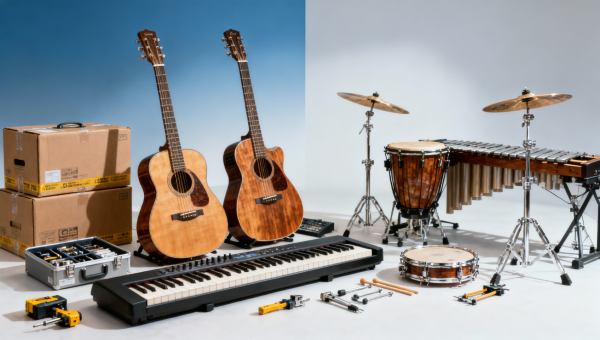
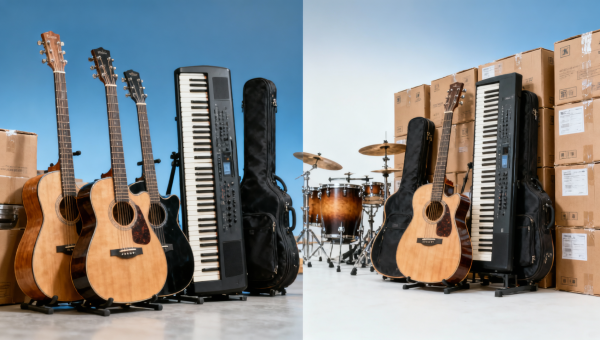
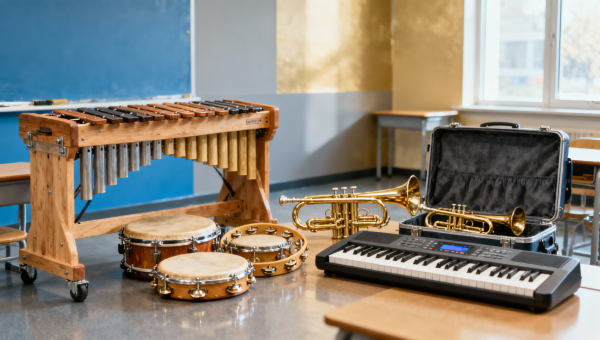
This matters even more in sports and entertainment procurement, where timing often aligns with school openings, event schedules, venue launches, dealer promotions, and holiday programs. A delayed shipment of entry-level keyboards, school percussion sets, or acoustic guitars can affect showroom turnover and contract fulfillment across multiple locations.
Global Commercial Trade supports buyers by focusing on sourcing intelligence rather than simple product listing. For commercial teams comparing suppliers, the key question is not “How fast can you make it once?” but “Can you deliver consistently across 3 orders, 2 product lines, and changing volumes?” That distinction often separates a workable supplier from a dependable manufacturing partner.
What lead time usually includes in musical instrument manufacturing
- Product confirmation stage, often 3–10 days for drawings, finish approval, branding details, and carton marking.
- Material preparation, commonly 7–21 days depending on tonewoods, hardware, electronic parts, or custom accessories.
- Production and assembly, often 15–45 days depending on complexity, batch size, and OEM or ODM requirements.
- Inspection and shipment release, usually 3–7 days including final QC, packaging verification, and export documentation.
For buyers sourcing musical instruments wholesale, understanding these stages helps avoid a common mistake: comparing quotations only by price. A lower unit cost may be offset by slower replenishment, emergency air freight, or missed sales windows. In many cases, lead time predictability protects margin more effectively than a small upfront price reduction.
Which factors make one musical instruments manufacturer faster than another?
Lead time differences rarely come from one single cause. They usually result from production planning discipline, component sourcing depth, process complexity, and how much customization a buyer requires. A factory producing standard student violins in repeating batches may move much faster than one handling mixed orders of digital pianos, brass accessories, and branded music stands.
Factory structure also matters. Manufacturers with in-house woodworking, painting, assembly, and testing can often reduce internal handoff delays by 5–12 days compared with suppliers that outsource several processes. However, a vertically integrated factory is not automatically better; the important question is whether it can maintain output stability during peak demand or raw material fluctuation.
Customization is another major variable. A standard catalog item may be ready in 20–35 days, while OEM branding, custom finishes, modified packaging, or region-specific accessories can extend the cycle to 35–60 days. For school projects, even a simple request such as barcode labeling by campus or grade level can add coordination time if the supplier lacks systemized packing control.
Commercial buyers should also ask how the supplier handles component risk. Electronics, pickups, tuning machines, cases, and certain wood species can all influence production. If the manufacturer depends on a narrow supplier base, lead time can shift quickly when one part becomes unavailable. Reliable factories usually maintain approved alternatives or safety stock for high-frequency components.
Typical lead time drivers buyers should verify
The table below helps procurement teams compare the main drivers behind lead time performance when reviewing a musical instruments manufacturer for wholesale, school, or dealer supply programs.
A practical reading of this table is simple: the fastest quote is not always the safest quote. Buyers should test whether the supplier can explain the structure behind the timeline. If lead time seems short but the manufacturer cannot describe component planning, inspection scheduling, or packaging workflow, that timeline may not be dependable.
Why repeatability matters more than one-time speed
Distributors and agents usually need repeat orders, not one successful trial shipment. A manufacturer that can ship in 28 days once but then slips to 50 days on the next two cycles creates forecasting problems. This affects warehouse space, dealer commitments, and cash flow. Repeatable lead time gives buyers more control over reorder points and promotional planning.
That is why commercial sourcing teams often evaluate suppliers over at least 3 dimensions: average production days, on-time shipment consistency, and flexibility under volume change. For example, can the manufacturer still maintain a 30–45 day schedule if the order rises from 500 units to 1,200 units, or if two product categories must ship together?
How should buyers compare lead time by application scenario?
Not every buyer needs the same production rhythm. Musical instruments for schools, retail distribution, hospitality entertainment spaces, and project-based installations each have different tolerance for delay. A school buyer often values delivery certainty before term opening, while a distributor may prioritize rolling replenishment every 30–45 days.
In entertainment-driven commercial environments, such as hotels, themed venues, or leisure facilities, the cost of delay can be higher than the cost of a slightly higher unit price. If a venue launch is scheduled for a fixed date, instruments for live performance rooms, music education corners, or branded retail sections must arrive in sequence with furniture, lighting, and AV systems.
For this reason, scenario-based evaluation is more useful than generic supplier comparison. Buyers should assess whether the factory can align production with the commercial use case, especially when shipments involve mixed SKUs, branded packaging, or regional compliance documentation.
The table below outlines how lead time expectations shift by common B2B procurement scenario in the musical instruments market.
This comparison shows why procurement teams should not request a single “best lead time” figure. They should instead request the right lead time model for the business scenario. Global Commercial Trade helps buyers frame these questions in commercial terms, making supplier evaluation more aligned with stocking strategy, launch timing, and operational risk.
Scenario-specific checks before placing an order
- For schools: confirm whether all items can ship in one lot and whether cartons support institutional receiving procedures.
- For distributors: ask how the factory manages repeat orders with monthly or quarterly forecast updates.
- For private label programs: verify approval steps for logos, manuals, serial labels, and packaging print files.
- For project supply: request milestone visibility covering production, inspection, cargo release, and shipment booking.
These checks are especially useful when buyers handle multiple stakeholders. Procurement may focus on delivery date, finance on payment terms, and sales on launch timing. A well-structured lead time review gives all three teams a common decision basis.
What should procurement teams ask before approving a supplier?
A professional supplier review should move beyond a quotation sheet. Buyers need visibility into whether the musical instruments manufacturer can manage lead time under real operating conditions. This is especially important for business assessment teams and sourcing managers comparing multiple factories with similar product catalogs.
One effective method is to split evaluation into 5 key checkpoints: product readiness, component readiness, capacity planning, quality control timing, and shipment readiness. If a factory cannot clearly answer all 5, its lead time promise may be based on assumption rather than system control.
Buyers should also ask for the difference between sample lead time and mass production lead time. Many sourcing errors begin when a fast sample cycle creates unrealistic expectations. A sample might be completed in 7–12 days, but bulk production may still require 30–50 days once materials, finishing, and packaging are scaled.
For commercial orders, confirmation discipline is critical. Revised specifications after order placement can easily add 5–15 days. That includes changes to color, hardware, accessories, user manuals, or outer carton marks. The earlier a buyer freezes specifications, the more realistic the delivery commitment becomes.
A practical supplier review checklist
- Ask for standard lead time by product type, not one generic figure for all instruments.
- Confirm the top 3 components most likely to affect delays and whether approved alternatives exist.
- Review the order workflow from PI confirmation to final inspection, including how many approval steps are required.
- Clarify whether the factory supports phased delivery, consolidated shipment, or mixed container planning.
- Check how often progress updates are issued—weekly updates are often more useful than ad hoc promises.
How compliance and quality can affect timing
Compliance requirements also influence lead time. Depending on market destination and product type, buyers may need material declarations, safety labeling, packaging marks, or test coordination for electrical and electronic components used in certain instruments or accessories. Even when the product itself is straightforward, paperwork and verification can add several days if not planned early.
Quality control should not be treated as a delay source to eliminate. In fact, a defined QC stage often prevents much larger timeline losses caused by returns, dealer complaints, or replacement shipments. The real objective is controlled lead time, not artificially compressed lead time.
Common misconceptions, risk signals, and buying mistakes
Many buyers assume that the shortest quoted timeline indicates the strongest factory. In reality, unusually short promises can be a warning sign if they are not backed by process details. A musical instruments manufacturer may quote an aggressive schedule to win the order, then extend the timeline once components, packaging approvals, or inspection capacity become real constraints.
Another common mistake is ignoring shipment preparation. Even after production ends, buyers may still need 3–7 additional days for final inspection, booking, document review, and pallet or carton confirmation. When teams plan only around production days, they create avoidable pressure at the export stage.
A third risk appears when mixed orders combine standard and customized SKUs. One delayed component for a single custom item can hold the entire shipment if packing lists or container loading must stay consolidated. Buyers should therefore ask whether the order can be split into release-ready groups without disrupting the distribution plan.
For schools and institutions, the biggest mistake is often late specification approval. If the order is tied to budget cycles, semester openings, or public tender milestones, every revision matters. In these cases, predictable execution is often more valuable than chasing the lowest unit price in musical instruments wholesale sourcing.
FAQ: lead time questions buyers frequently ask
How long is a normal lead time for musical instruments wholesale orders?
For standard products, a typical factory lead time may fall within 20–45 days after order confirmation, depending on category and quantity. Custom branding, special finishes, or mixed-model orders can extend that to 35–60 days. Buyers should always separate sample timing from mass production timing.
Are faster lead times always better for schools and distributors?
Not always. A slightly longer but stable lead time can be easier to plan around than a short but unreliable promise. For musical instruments for schools, predictability is essential because receiving windows are fixed. For distributors, consistent replenishment often matters more than a one-time rush shipment.
What usually causes lead time delays?
The most common causes are material shortages, late artwork approval, specification changes, overloaded production schedules, and delayed inspection release. Mixed orders and custom packaging are frequent hidden factors. Asking about these risks in advance is more useful than asking only for the earliest shipment date.
Can buyers reduce lead time risk without overpaying?
Yes. Buyers can lock specifications earlier, plan forecast orders 1–2 cycles ahead, standardize packaging where possible, and discuss substitute components before shortages occur. These actions often reduce delay risk without requiring premium freight or excessive safety stock.
Why work with a sourcing partner that understands both product and commercial timing?
Choosing a musical instruments manufacturer is not only about catalog breadth or unit cost. It is about whether the supplier can support your selling season, school calendar, tender deadline, or venue opening. That requires a sourcing view that combines product knowledge with supply chain judgment, especially in the broader sports and entertainment market where timing directly affects commercial execution.
Global Commercial Trade helps buyers assess manufacturers through a commercial lens: production logic, sourcing resilience, packaging readiness, compliance awareness, and project fit. For institutional buyers, dealers, and procurement teams, this means better alignment between factory promises and business reality. Instead of comparing quotations in isolation, you can compare supplier suitability for your actual operating model.
If you are evaluating musical instruments wholesale supply, private label development, or musical instruments for schools, a structured sourcing conversation can save weeks of uncertainty. We can help you review lead time assumptions, compare supplier capability, clarify custom requirements, and identify where the real delivery risks sit before you commit budget.
Contact us to discuss production timelines, product selection, sample planning, OEM or ODM scope, packaging requirements, certification-related questions, and quotation strategy. If your team needs a clearer view of which musical instruments manufacturer can support your project with dependable lead time, we can help turn that comparison into an actionable sourcing decision.
Search News
Hot Articles
- Pro Stage AudioFIFA Adopts Chinese Mini-LED Displays for 2026 World Cup VAR SystemApr 24, 2026
- Outdoor RidesChina FA Warns Nanjing City Over Fan Conduct; ISO 20785 Compliance AcceleratesApr 24, 2026
- Pro Stage AudioFan Zhendong Visits Silicon Valley as MLTT Investor, AI Ping-Pong Tech Draws US InterestApr 24, 2026
Popular Tags
Need ExpertConsultation?
Connect with our specialized leisureengineering team for procurementstrategies.
Recommended News
 Apr 23, 2026Music Accessories Buyers Should Compare FirstMusic accessories buyers should compare quality, compatibility, and compliance first. Explore sourcing tips for hotel equipment, educational supplies, amusement equipment, and sensory playground projects.● Pro Audio Engineer
 Apr 23, 2026How to Source Reliable Music AccessoriesMusic accessories sourcing guide for buyers in commercial furniture, hotel equipment, educational supplies, and amusement equipment—learn how to verify quality, compliance, and reliable suppliers.● Pro Audio Engineer
 Apr 23, 2026Cheap Music Accessories Often Cost More LaterMusic accessories may seem cheap, but hidden costs rise fast. Explore smarter sourcing for hotel equipment, educational supplies, amusement equipment, sensory playground and playground safety.● Pro Audio Engineer
 Apr 23, 2026Music Accessories That Improve Classroom Sound SetupMusic accessories improve classroom sound setup with safer cable control, clearer audio, and durable solutions that pair with educational supplies, commercial furniture, and playground safety planning.● Pro Audio Engineer
 Apr 25, 2026Instrument Cables That Reduce Signal LossInstrument cables that reduce signal loss for live venues, leisure park and theme park rides. Explore durable specs for clear audio, plus sourcing insights on custom furniture, catering equipment, soundproofing materials and inclusive playground projects.● Pro Audio Engineer
 Apr 22, 2026Which Instrument Cables Sound BestWhich instrument cables sound best? Discover how capacitance, shielding, and durability affect performance, plus sourcing tips for instrument cables and related commercial needs.● Pro Audio Engineer
 Apr 22, 2026Why String Instruments Can Look Similar but Sound Very DifferentString instruments may look alike yet sound vastly different. Explore sourcing insights across musical instruments, plus comparisons with wind instruments and percussion instruments.● Pro Audio Engineer
 Apr 22, 2026String Instruments: Solid Wood or Laminate for Long-Term Use?String instruments guide: compare solid wood vs laminate for long-term use, durability, tone, and sourcing value across musical instruments. Click for smarter B2B buying insights.● Pro Audio Engineer
 Apr 22, 2026What Affects Tone Consistency in Student Wind Instruments?Wind instruments buying guide: discover what affects tone consistency in student musical instruments, with insights comparing percussion instruments and string instruments for smarter school sourcing.● Pro Audio Engineer
 Apr 22, 2026Wind Instruments That Need More Maintenance Than ExpectedWind instruments maintenance guide for buyers: compare musical instruments, string instruments and percussion instruments to reduce service costs and source smarter.● Pro Audio Engineer
 Apr 22, 2026Common Tuning Problems in Percussion Instruments and Their CausesPercussion instruments tuning problems explained for buyers of musical instruments, with practical tips on comparing percussion instruments, string instruments, and wind instruments for reliable commercial sourcing.● Pro Audio Engineer
 Apr 22, 2026Percussion Instruments That Handle Heavy Use Better in ClassroomsPercussion instruments built for classrooms: compare durable musical instruments, from percussion instruments to wind instruments and string instruments, for safer, longer-lasting school use.● Pro Audio Engineer
 Apr 22, 2026What Shortens the Lifespan of Musical Instruments in Daily Use?Musical instruments wear out faster from humidity, poor storage, and rough handling. Learn how string instruments, wind instruments, and percussion instruments last longer with smarter B2B care.● Pro Audio Engineer
 Apr 22, 2026Musical Instruments With the Strongest School Market DemandMusical instruments with strong school demand: compare percussion instruments, wind instruments, and string instruments to find durable, curriculum-ready solutions for smarter school sourcing.● Pro Audio Engineer
 Apr 25, 2026How to Compare a Musical Instruments Manufacturer FairlyCompare a musical instruments manufacturer fairly with practical tips on musical instruments wholesale, musical instruments for schools, quality, compliance, lead times, and service.● Pro Audio Engineer
 Apr 25, 2026Why Lead Time Matters When Choosing a Musical Instruments ManufacturerLearn why lead time is critical when choosing a musical instruments manufacturer. Discover smarter sourcing for musical instruments wholesale and musical instruments for schools.● Pro Audio Engineer
 Apr 25, 2026Musical Instruments for Schools: What Lasts in Daily Use?Musical instruments for schools: discover what lasts in daily use, how a trusted musical instruments manufacturer and musical instruments wholesale partner help schools cut costs and buy smarter.● Pro Audio Engineer
 Apr 25, 2026Should Schools Rent or Buy Musical Instruments Today?Musical instruments for schools: learn when to rent or buy, compare total costs, and choose a trusted musical instruments manufacturer or musical instruments wholesale partner today.● Pro Audio Engineer
 Apr 25, 2026Where Musical Instruments Wholesale Prices Vary the MostMusical instruments wholesale prices vary most by region, quality, and supplier strength. Compare a musical instruments manufacturer, school instruments, and sourcing risks before you buy.● Pro Audio Engineer
 Apr 25, 2026Low MOQ or Better Margins? A Real Look at Musical Instruments WholesaleMusical instruments wholesale explained: compare low MOQ vs better margins, choose the right musical instruments manufacturer, and source musical instruments for schools with smarter profits.● Pro Audio Engineer
 Apr 21, 2026Choosing musical instruments for bands in small venuesMusical instruments for bands in small venues: learn how buyers choose compact, durable setups with better sound control, lower costs, and stronger audience appeal.● Pro Audio Engineer
 Apr 24, 2026Musical instruments for bands that hold tuning on the roadMusical instruments for bands that hold tuning on the road: compare road-ready gear, supplier credibility, and total cost. Ideal for buyers, distributors, and entertainment procurement teams.● Pro Audio Engineer
 Apr 20, 2026Music Accessories Often Overlooked Until They Start Causing ProblemsMusic accessories often cause hidden issues across musical instruments, percussion instruments, wind instruments, string instruments, keyboard instruments, orchestral instruments, music stands, instrument cables, and pro audio equipment.● Pro Audio Engineer
 Apr 20, 2026When Orchestral Instruments Need Custom Cases and Why It MattersMusical instruments and orchestral instruments need custom cases to protect string instruments, wind instruments, percussion instruments, and keyboard instruments during transport. Learn when buyers should upgrade for safer logistics.● Pro Audio Engineer