Should Schools Rent or Buy Musical Instruments Today?
For schools balancing budgets, quality, and long-term music program goals, deciding whether to rent or buy is more strategic than ever. From entry-level classroom sets to durable musical instruments for schools, buyers must weigh maintenance, flexibility, and supplier reliability. Working with a trusted musical instruments manufacturer or exploring musical instruments wholesale options can significantly affect total cost, program scalability, and student experience.
How should schools evaluate rent versus buy in today’s music procurement environment?
For education buyers in the sports and entertainment sector, school instrument procurement is no longer a simple price comparison. Music programs now serve academic goals, performance visibility, student engagement, and community reputation at the same time. That means the decision to rent or buy musical instruments for schools must account for at least 4 core variables: budget cycle, usage intensity, maintenance capacity, and program stability over 2–5 years.
Renting often suits schools that are launching a band program, piloting a new orchestra class, or managing uneven enrollment. Buying is usually stronger for established programs with predictable use across multiple semesters. Procurement teams also need to think beyond the instrument itself. Cases, sanitation protocols, spare parts, repair turnaround, and replacement planning all influence the real operating cost.
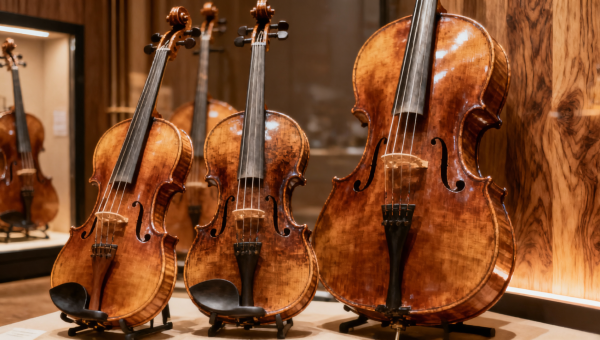
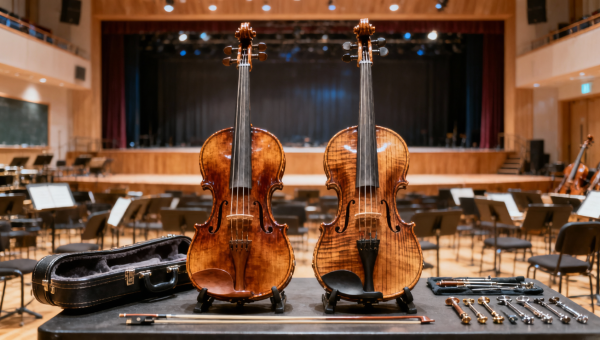
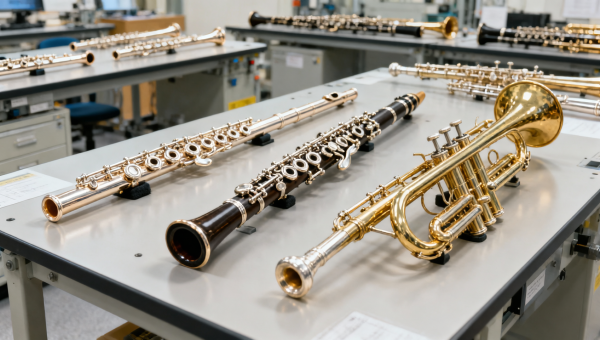
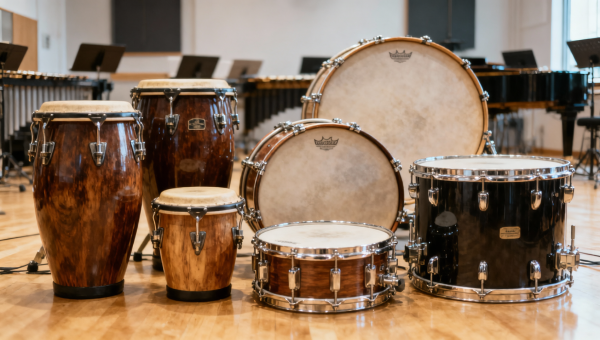
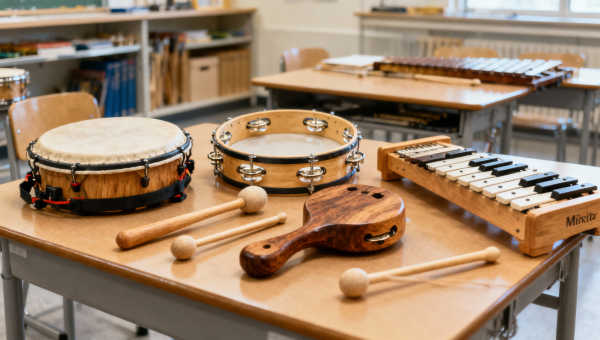
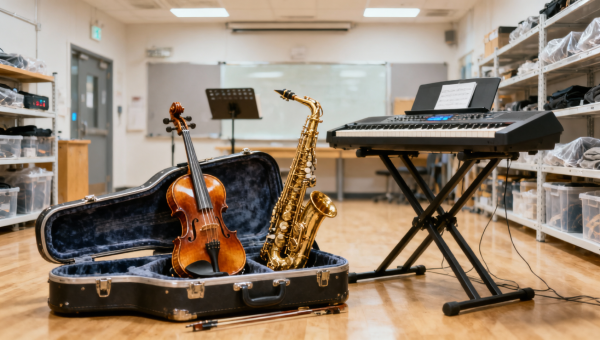
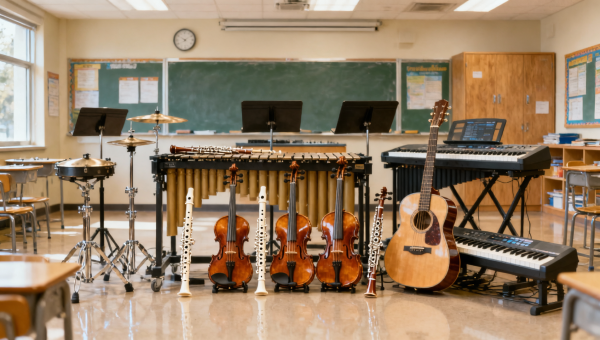
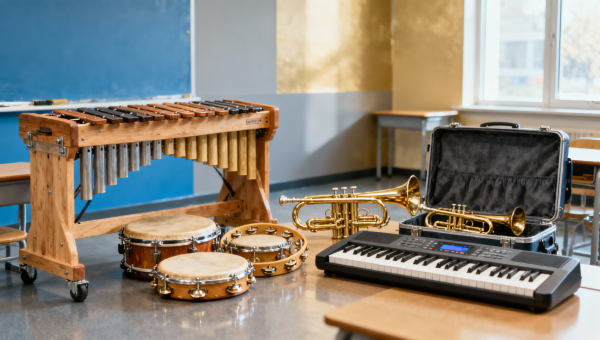
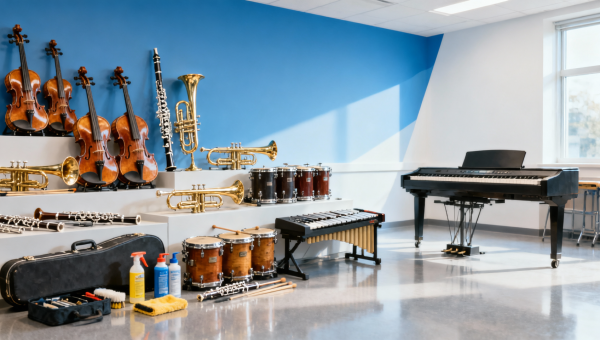
In many institutions, the challenge is not whether rental or purchase is universally better. The real question is which model fits each instrument category. A school may rent large brass or beginner violins while purchasing percussion, keyboards, or recorder sets in volume through musical instruments wholesale channels. This mixed strategy is often more practical than relying on a single procurement path.
Global Commercial Trade supports this decision process by helping buyers compare supplier capabilities, sourcing structures, and risk factors across the pro audio and musical instruments supply chain. For procurement officers, distributors, and evaluation teams, this kind of market visibility reduces decision delays and improves alignment between educational use, commercial value, and long-term service reliability.
The 5 decision checkpoints schools should review first
- Program duration: Is the music initiative confirmed for 1 semester, 1 school year, or a 3-year development plan?
- Usage frequency: Will instruments be used weekly in class, daily in rehearsal, or only during seasonal performances?
- Maintenance resources: Does the school have in-house handling procedures, or must repairs be outsourced within 7–15 business days?
- Student turnover: Are users mainly beginners who may switch instruments after 6–12 months?
- Capital flexibility: Is there budget approval for upfront purchase, or is an operating-cost model easier to approve?
When these checkpoints are reviewed early, schools avoid a common mistake: choosing a low initial price without understanding service obligations, instrument lifespan, or reordering complexity. That is especially important when comparing local rental offers with bulk purchase proposals from a musical instruments manufacturer.
Which instruments are better to rent, and which are better to buy?
Not all instrument categories behave the same in a school environment. Some have high wear, rapid student turnover, or fit-sensitive use cases. Others are durable, shared by many classes, and economical when purchased in batches. A practical sourcing plan should divide instruments into categories rather than applying one rule to every product line.
Rental is often more suitable for student-specific instruments, especially when body size, embouchure development, or early-stage commitment are uncertain. Purchase is often more effective for standardized classroom instruments with broad circulation. This distinction matters for primary schools, middle schools, district-level buyers, and resellers building supply programs for educational institutions.
The table below gives a category-based decision view that buyers can use during supplier comparison, budget review, or distributor planning. It is not a fixed rule, but it reflects common school procurement logic across entry-level, intermediate, and shared-use settings.
This category approach helps schools avoid overspending on uncertain enrollment while still investing in durable assets where bulk ownership makes sense. For distributors and sourcing teams, it also creates clearer demand forecasting by separating short-cycle rental stock from long-cycle purchase inventory.
Why hybrid procurement is increasingly practical
A hybrid model can reduce financial pressure without weakening program quality. For example, a district may purchase 20–40 percussion units for shared classroom use, rent 10–15 low-volume brass instruments for trial access, and source replacement accessories quarterly. This balances capital spending with flexibility.
Hybrid strategies are also useful when enrollment changes between terms. Instead of carrying excessive owned inventory, schools can reserve purchase for high-rotation items and use rental to absorb unpredictable demand. This is especially valuable in schools expanding arts participation but still refining curriculum design.
From a B2B sourcing perspective, hybrid procurement works best when the supplier or sourcing partner can support both packaged purchase deals and flexible replenishment planning. That is where access to multiple musical instruments wholesale and manufacturing channels becomes a strategic advantage rather than just a pricing tool.
What does total cost really look like over 1 to 3 years?
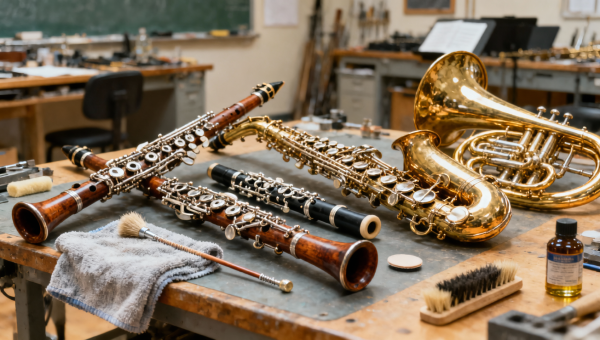
Many schools compare monthly rental fees against one-time purchase price and stop there. That is not enough. Total cost of ownership includes inspection, cleaning, storage, repairs, missing parts, replacement cycle, and administrative burden. For instruments used by multiple students, hygiene handling and turnaround time can be just as important as list price.
Rental can spread cost over 9–12 months and may include limited service, which helps short-term budgeting. But if an instrument remains in constant use for 24–36 months, buying often becomes more economical, especially when schools purchase through a musical instruments manufacturer or approved wholesale network with accessory bundling.
The table below shows a typical cost comparison framework procurement teams can adapt. It does not assign universal pricing, because cost varies by region, category, and service package. Instead, it highlights the cost elements that usually determine whether renting or buying makes financial sense.
A disciplined cost review should include at least 6 line items: instrument base cost, accessories, freight, maintenance, sanitation, and replacement downtime. Buyers who skip these items often misjudge the cheaper option. In practice, the best value usually comes from matching cost structure to actual usage intensity rather than chasing the lowest starting price.
Hidden costs procurement teams often miss
- Repair delays that leave ensemble seats unfilled for 1–3 weeks before concerts or assessments.
- Accessory mismatch, such as reeds, mouthpieces, stands, benches, or protective cases not included in the quote.
- Freight and packaging damage risk when importing school instruments in bulk quantities.
- Administrative time spent processing multiple short-term rentals instead of one planned annual order.
These cost gaps matter to procurement officers and business evaluators because they affect not only finance but also teaching continuity. A lower quote has limited value if students cannot rehearse consistently or if distributors cannot guarantee replacement flow during peak academic months.
What should buyers check when comparing a musical instruments manufacturer or wholesale supplier?
Once a school decides to rent, buy, or combine both, supplier quality becomes the next major variable. Not every musical instruments manufacturer is prepared for school use. Educational buyers need durability, repeatability, parts availability, packaging suitability, and dependable documentation. These needs differ from one-off retail sales because school instruments are exposed to repeated handling by beginners and shared classroom conditions.
For musical instruments wholesale procurement, buyers should verify whether the supplier supports consistent batches over multiple terms. A first shipment may be acceptable, but problems appear later if tuning stability, finish, hardware, or replacement accessories vary between production lots. Districts and distributors need supply continuity over at least 2–4 ordering cycles, not just one delivery.
Lead time is another key issue. Typical commercial supply planning may involve sampling in 7–15 days, production in 30–60 days, and shipping based on destination and mode. These ranges are not guarantees, but they help schools align ordering with semester starts, performance calendars, and warehouse preparation. Late delivery can undermine the entire music program.
A practical supplier evaluation checklist
- Confirm instrument positioning: beginner, intermediate, or institutional shared-use model.
- Check material and build consistency across batches, especially for keys, valves, bridges, heads, and stands.
- Review accessory completeness, including cases, cleaning tools, cables, benches, or starter kits.
- Ask about spare parts, service response expectations, and replacement support during the school term.
- Verify packaging, labeling, and shipping readiness for institutional receiving and inventory control.
GCT adds value here by connecting procurement thinking with sourcing intelligence. Instead of comparing offers only on unit price, buyers can review suppliers through a broader commercial lens: manufacturing fit, OEM or ODM capability, compliance readiness, category specialization, and suitability for institutional projects. That is especially helpful for distributors and agents serving schools across multiple regions.
Why service structure matters as much as the instrument itself
Schools rarely succeed with instrument purchasing when service is treated as an afterthought. A good supplier relationship should define 3 operational layers: pre-shipment confirmation, post-delivery inspection, and in-use support. Without those layers, even well-made instruments can create administrative friction, especially when a district is handling dozens of units across several campuses.
For cross-border buyers or institutional intermediaries, after-sales clarity becomes even more important. Questions around replacement parts, document handling, and communication cadence should be clarified before order confirmation. This reduces disputes and gives business evaluation teams a stronger basis for contract approval.
Which compliance, durability, and implementation details should schools not ignore?
Instruments used in schools need more than acceptable sound. They must also be appropriate for repeated handling, classroom storage, and routine cleaning. Depending on product type and market, buyers may need to review general product safety, material declarations, electrical suitability for digital equipment, and packaging durability. Requirements vary by destination, so procurement teams should confirm applicable standards early rather than after production.
For digital pianos, keyboards, and amplified classroom setups, power compatibility, plug format, and operating environment matter. For acoustic instruments, buyers should focus on structural stability, finish durability, and maintainability. Shared-use school environments typically demand more robust construction than occasional home use, especially when the same unit may be handled by 20–50 students in a term.
Implementation planning should also follow a clear sequence. Schools often underestimate receiving inspection and setup time. A practical rollout usually includes 4 steps: order confirmation, pre-shipment review, on-site inspection, and first-use verification. Depending on order size, schools should reserve 3–10 working days for receiving, labeling, storage preparation, and classroom allocation.
Key implementation points for school music programs
- Separate instruments by personal-use and shared-use category to simplify sanitation and accountability.
- Create a 5-point receiving checklist covering packaging condition, quantity, accessories, visible defects, and functional verification.
- Plan quarterly inspection for high-rotation items such as percussion units, student brass, and keyboards in lab settings.
- Keep a small reserve inventory for essential accessories to avoid class interruption during repair or replacement cycles.
These operating details influence whether a buy decision remains cost-effective over time. They also help dealers and agents design stronger school supply proposals. A well-structured offer should address not only the instrument list but also delivery rhythm, inspection process, and replacement planning.
FAQ: common procurement questions schools and distributors ask
Is renting always better for beginner students?
Not always. Renting is often useful during the first 6–12 months when student commitment and fit are uncertain, especially for strings and wind instruments. However, for classroom percussion, recorders, and stable keyboard labs, purchase can be more efficient because these items are shared, standardized, and less dependent on individual physical fit.
When does buying usually become more economical?
Buying often becomes more favorable when an instrument is expected to stay in active use for 24–36 months, when student demand is stable, and when the school has a clear maintenance path. The break-even point depends on category and service package, so buyers should compare not only price but also repair inclusion, accessory scope, and expected rotation rate.
What should distributors pay attention to when serving schools?
Distributors should focus on consistency, documentation, and replenishment capability. Schools value predictable lead times, spare-part logic, and clean product segmentation between beginner and institutional-use models. Offering only retail-style assortment without service planning can weaken long-term account retention.
How long does delivery usually take for purchased school instruments?
For standard supply projects, sampling may take 7–15 days and production commonly ranges from 30–60 days, followed by shipping time based on route and transport mode. Buyers should add inspection and internal distribution time before the semester begins. For urgent schedules, stock availability and partial shipment options should be discussed in advance.
Why work with GCT when planning school instrument sourcing?
For information researchers, procurement teams, commercial evaluators, and channel partners, GCT helps turn scattered supplier data into practical sourcing decisions. In the musical instruments segment, this means more than listing products. It means understanding how supplier capability, educational use case, compliance needs, and delivery structure fit together in a real B2B procurement process.
If your team is comparing rental versus purchase models, reviewing a musical instruments manufacturer, or building a musical instruments wholesale program for schools, GCT can help clarify the right discussion points before you commit. That includes product positioning, MOQ logic, customization feasibility, accessory bundling, documentation readiness, and project timeline risks over a 1–3 year planning horizon.
We are especially useful when your project involves multiple decision makers. A school music purchase often touches finance, teaching staff, facilities, and external supply partners. GCT helps align those conversations around practical criteria instead of fragmented opinions, reducing sourcing friction and improving purchasing confidence.
Contact us if you need support with product selection, supplier comparison, delivery cycle review, OEM or ODM feasibility, certification questions, sample planning, or quotation communication. Whether you are equipping one campus or developing a regional education supply channel, a better sourcing structure starts with the right procurement questions.
Search News
Hot Articles
- Pro Stage AudioFIFA Adopts Chinese Mini-LED Displays for 2026 World Cup VAR SystemApr 24, 2026
- Outdoor RidesChina FA Warns Nanjing City Over Fan Conduct; ISO 20785 Compliance AcceleratesApr 24, 2026
- Pro Stage AudioFan Zhendong Visits Silicon Valley as MLTT Investor, AI Ping-Pong Tech Draws US InterestApr 24, 2026
Popular Tags
Need ExpertConsultation?
Connect with our specialized leisureengineering team for procurementstrategies.
Recommended News
 Apr 23, 2026Music Accessories Buyers Should Compare FirstMusic accessories buyers should compare quality, compatibility, and compliance first. Explore sourcing tips for hotel equipment, educational supplies, amusement equipment, and sensory playground projects.● Pro Audio Engineer
 Apr 23, 2026How to Source Reliable Music AccessoriesMusic accessories sourcing guide for buyers in commercial furniture, hotel equipment, educational supplies, and amusement equipment—learn how to verify quality, compliance, and reliable suppliers.● Pro Audio Engineer
 Apr 23, 2026Cheap Music Accessories Often Cost More LaterMusic accessories may seem cheap, but hidden costs rise fast. Explore smarter sourcing for hotel equipment, educational supplies, amusement equipment, sensory playground and playground safety.● Pro Audio Engineer
 Apr 23, 2026Music Accessories That Improve Classroom Sound SetupMusic accessories improve classroom sound setup with safer cable control, clearer audio, and durable solutions that pair with educational supplies, commercial furniture, and playground safety planning.● Pro Audio Engineer
 Apr 25, 2026Instrument Cables That Reduce Signal LossInstrument cables that reduce signal loss for live venues, leisure park and theme park rides. Explore durable specs for clear audio, plus sourcing insights on custom furniture, catering equipment, soundproofing materials and inclusive playground projects.● Pro Audio Engineer
 Apr 22, 2026Which Instrument Cables Sound BestWhich instrument cables sound best? Discover how capacitance, shielding, and durability affect performance, plus sourcing tips for instrument cables and related commercial needs.● Pro Audio Engineer
 Apr 22, 2026Why String Instruments Can Look Similar but Sound Very DifferentString instruments may look alike yet sound vastly different. Explore sourcing insights across musical instruments, plus comparisons with wind instruments and percussion instruments.● Pro Audio Engineer
 Apr 22, 2026String Instruments: Solid Wood or Laminate for Long-Term Use?String instruments guide: compare solid wood vs laminate for long-term use, durability, tone, and sourcing value across musical instruments. Click for smarter B2B buying insights.● Pro Audio Engineer
 Apr 22, 2026What Affects Tone Consistency in Student Wind Instruments?Wind instruments buying guide: discover what affects tone consistency in student musical instruments, with insights comparing percussion instruments and string instruments for smarter school sourcing.● Pro Audio Engineer
 Apr 22, 2026Wind Instruments That Need More Maintenance Than ExpectedWind instruments maintenance guide for buyers: compare musical instruments, string instruments and percussion instruments to reduce service costs and source smarter.● Pro Audio Engineer
 Apr 22, 2026Common Tuning Problems in Percussion Instruments and Their CausesPercussion instruments tuning problems explained for buyers of musical instruments, with practical tips on comparing percussion instruments, string instruments, and wind instruments for reliable commercial sourcing.● Pro Audio Engineer
 Apr 22, 2026Percussion Instruments That Handle Heavy Use Better in ClassroomsPercussion instruments built for classrooms: compare durable musical instruments, from percussion instruments to wind instruments and string instruments, for safer, longer-lasting school use.● Pro Audio Engineer
 Apr 22, 2026What Shortens the Lifespan of Musical Instruments in Daily Use?Musical instruments wear out faster from humidity, poor storage, and rough handling. Learn how string instruments, wind instruments, and percussion instruments last longer with smarter B2B care.● Pro Audio Engineer
 Apr 22, 2026Musical Instruments With the Strongest School Market DemandMusical instruments with strong school demand: compare percussion instruments, wind instruments, and string instruments to find durable, curriculum-ready solutions for smarter school sourcing.● Pro Audio Engineer
 Apr 25, 2026How to Compare a Musical Instruments Manufacturer FairlyCompare a musical instruments manufacturer fairly with practical tips on musical instruments wholesale, musical instruments for schools, quality, compliance, lead times, and service.● Pro Audio Engineer
 Apr 25, 2026Why Lead Time Matters When Choosing a Musical Instruments ManufacturerLearn why lead time is critical when choosing a musical instruments manufacturer. Discover smarter sourcing for musical instruments wholesale and musical instruments for schools.● Pro Audio Engineer
 Apr 25, 2026Musical Instruments for Schools: What Lasts in Daily Use?Musical instruments for schools: discover what lasts in daily use, how a trusted musical instruments manufacturer and musical instruments wholesale partner help schools cut costs and buy smarter.● Pro Audio Engineer
 Apr 25, 2026Should Schools Rent or Buy Musical Instruments Today?Musical instruments for schools: learn when to rent or buy, compare total costs, and choose a trusted musical instruments manufacturer or musical instruments wholesale partner today.● Pro Audio Engineer
 Apr 25, 2026Where Musical Instruments Wholesale Prices Vary the MostMusical instruments wholesale prices vary most by region, quality, and supplier strength. Compare a musical instruments manufacturer, school instruments, and sourcing risks before you buy.● Pro Audio Engineer
 Apr 25, 2026Low MOQ or Better Margins? A Real Look at Musical Instruments WholesaleMusical instruments wholesale explained: compare low MOQ vs better margins, choose the right musical instruments manufacturer, and source musical instruments for schools with smarter profits.● Pro Audio Engineer
 Apr 21, 2026Choosing musical instruments for bands in small venuesMusical instruments for bands in small venues: learn how buyers choose compact, durable setups with better sound control, lower costs, and stronger audience appeal.● Pro Audio Engineer
 Apr 24, 2026Musical instruments for bands that hold tuning on the roadMusical instruments for bands that hold tuning on the road: compare road-ready gear, supplier credibility, and total cost. Ideal for buyers, distributors, and entertainment procurement teams.● Pro Audio Engineer
 Apr 20, 2026Music Accessories Often Overlooked Until They Start Causing ProblemsMusic accessories often cause hidden issues across musical instruments, percussion instruments, wind instruments, string instruments, keyboard instruments, orchestral instruments, music stands, instrument cables, and pro audio equipment.● Pro Audio Engineer
 Apr 20, 2026When Orchestral Instruments Need Custom Cases and Why It MattersMusical instruments and orchestral instruments need custom cases to protect string instruments, wind instruments, percussion instruments, and keyboard instruments during transport. Learn when buyers should upgrade for safer logistics.● Pro Audio Engineer