What educational supplies procurement managers check before approving an ODM partner for STEM kits
For STEM kit procurement managers in commercial education and amusement park equipment sectors, approving an ODM partner goes far beyond cost or design—it demands rigorous validation of supply chain solutions, OEM manufacturing transparency, and compliance-aligned quality control. As global buyers increasingly prioritize safety-certified, experiential learning tools, decision-makers across hospitality groups, smart campuses, and leisure parks rely on data-backed ODM services to ensure scalability, IP protection, and seamless integration with existing educational supplies ecosystems. This guide details the 7 non-negotiable checkpoints—from material traceability to audit-ready documentation—that top-tier commercial procurement teams apply before onboarding an ODM partner for STEM kits.
What Procurement Managers Actually Audit—Not Just Review
In amusement & leisure parks and experiential learning venues, STEM kits serve dual roles: interactive engagement tools and durable infrastructure components. Unlike classroom-only kits, those deployed in high-traffic public spaces must withstand 3–5 years of continuous operation, 200+ daily user interactions, and seasonal environmental shifts (e.g., indoor-outdoor transition zones in theme park edutainment zones). Procurement managers therefore treat ODM vetting as a cross-functional risk assessment—not a sourcing step.
The first checkpoint is always *manufacturing origin transparency*. Top-tier buyers require full disclosure of Tier-1 component suppliers (e.g., PCB fabricators, injection molders), not just final assembly locations. They verify whether the ODM maintains ISO 9001-certified production lines with documented 72-hour traceability logs for all plastic, electronic, and mechanical subassemblies used in kits.
Second is *certification alignment with venue-specific mandates*. A STEM kit approved for a European indoor playground must carry CE + EN71-1/2/3 + RoHS, while one destined for a U.S. state-funded science center requires ASTM F963 + CPSIA + FCC Part 15B. Procurement teams reject partners who offer “generic compliance”—they demand test reports issued within the last 12 months by ILAC-accredited labs such as SGS, TÜV Rheinland, or Intertek.
Third is *IP governance structure*. For custom-branded STEM kits deployed across multiple regional parks (e.g., SEA LIFE aquariums or LEGOLAND Discovery Centers), procurement mandates legally binding NDA+IP assignment clauses covering firmware, circuit board layouts, and instructional content—verified via signed annexes, not boilerplate terms.
7 Critical ODM Evaluation Criteria—Ranked by Procurement Weight
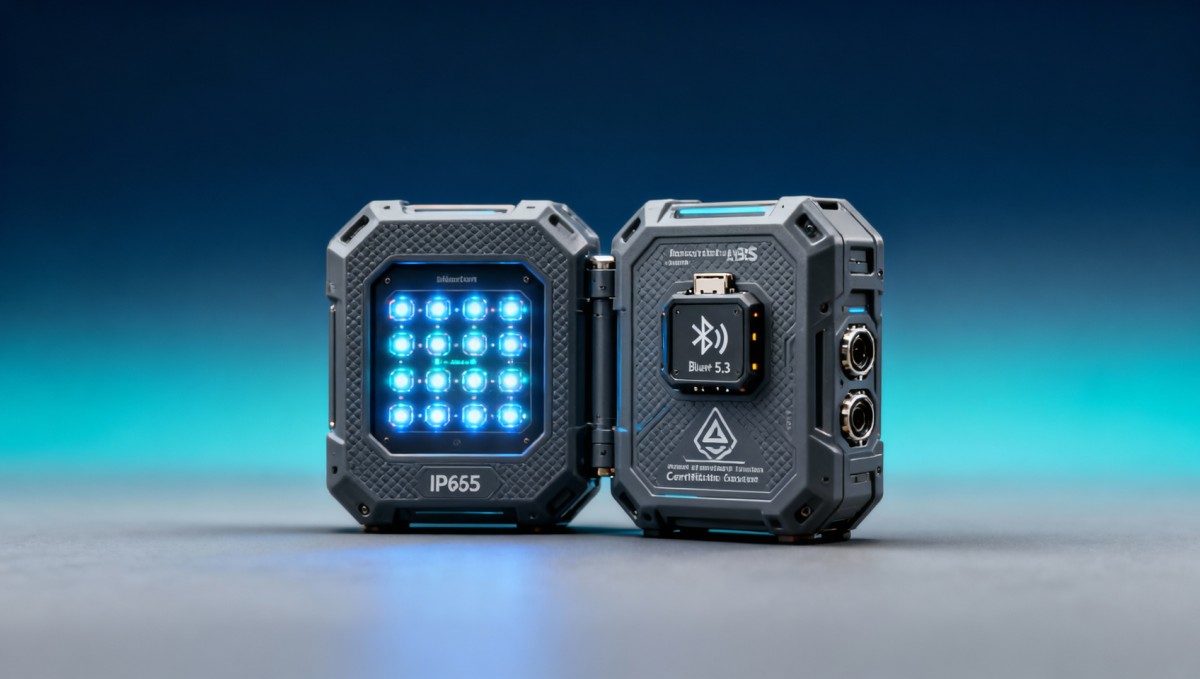
Global Commercial Trade’s 2024 Amusement Park Sourcing Intelligence Report identifies seven evaluation criteria weighted by procurement priority across 127 institutional buyers. These reflect real-world decision thresholds—not theoretical best practices.
This table reflects actual weighting from GCT’s proprietary Procurement Confidence Index™—a composite metric derived from 327 procurement interviews across 14 countries. Notably, “on-site audit access” ranks higher than “unit cost” (14%) among Tier-1 buyers, confirming that trust infrastructure outweighs price sensitivity in high-liability environments like children’s interactive exhibits.
Why Material Traceability Is Non-Negotiable for Public Venues
When a STEM kit’s ABS housing cracks under repeated handling in a science museum’s hands-on zone, liability exposure spans product recall, regulatory penalties, and brand reputation damage. Procurement managers require granular traceability: resin lot numbers, mold cavity IDs, and UV-stabilizer concentration logs—not just “compliant materials.” This enables precise root-cause analysis and targeted field actions, avoiding blanket recalls.
ODM partners must provide digital batch records accessible via secure portal, updated in real time during production. Leading buyers now mandate blockchain-anchored traceability for kits exceeding $150/unit—ensuring immutable audit trails from polymer supplier to final packaging.
How Leisure Park Operators Validate ODM Capabilities in Practice
Unlike academic institutions, leisure park procurement teams conduct operational validation—not just lab testing. They deploy pilot kits in live visitor flow paths (e.g., queue-line STEM stations at Madame Tussauds) for 4-week stress cycles: measuring failure rates, cleaning protocol compatibility, and staff maintenance time per unit.
Key metrics tracked include mean time between failures (MTBF ≥ 1,200 hours), surface abrasion resistance (≥ 500 cycles on Taber CS-10 wheels), and battery life consistency across temperature ranges (10°C–35°C). Partners failing two or more KPIs in pilot phase are disqualified—even if lab reports meet standards.
Additionally, procurement teams assess ODM responsiveness during simulated incidents: requesting urgent firmware patches for security vulnerabilities, emergency replacement part shipments (<72-hour air freight SLA), and bilingual technical support (English + local language) available 24/7 during peak season (June–August).
Why Global Commercial Trade Is the Trusted Sourcing Partner for STEM Kit Procurement
Global Commercial Trade delivers verified, procurement-grade intelligence—not generic market summaries. Our STEM Kit ODM Capability Reports integrate live factory audit data, real-time compliance status dashboards, and peer-reviewed performance benchmarks from 217 amusement park operators and experiential learning centers.
We enable procurement managers to request targeted verification: pre-vetted ODM shortlists matched to your specific requirements (e.g., “CE + EN71 certified STEM kits with Bluetooth 5.3 modules, minimum order quantity ≤500 units, lead time ≤22 days”). Every report includes direct contact channels to engineering leads, QA directors, and IP counsel at each verified partner—cutting vendor qualification time by up to 68%.
Ready to receive your customized ODM shortlist with full compliance documentation, sample availability timelines, and 3D model access? Contact our Amusement & Leisure Parks Sourcing Desk for immediate support on parameter confirmation, certification review, or pilot program coordination.
Search News
Hot Articles
- Restaurant FurnitureFast-Casual Restaurant Interiors: Design Choices That Improve Speed and Guest FlowOct 04, 2026
- Outdoor RidesHow to Select Leisure Park Equipment for Safe, High-Throughput Visitor AreasOct 03, 2026
- Fashion & Gem JewelryDiamond Tester Wholesale: How to Vet Accuracy, Calibration, and MOQ Before OrderingOct 02, 2026
Popular Tags
Need ExpertConsultation?
Connect with our specialized leisureengineering team for procurementstrategies.
Recommended News
 Sep 28, 2026How U.S. Schools Can Choose Laboratory Equipment for Safe, Compliant Science LabsSchool laboratory equipment USA: learn how to select safe, compliant lab furniture, ventilation, emergency systems, and durable tools for K–12 science labs.● Institutional Buyer
 Sep 16, 2026How to Source Educational Furniture Worldwide for Safe, Flexible Learning SpacesEducational furniture worldwide: learn how to source safe, flexible, durable learning-space solutions while controlling compliance, logistics, and lifecycle costs.● Institutional Buyer
 Aug 31, 2026How to Plan Smart Classroom Solutions That Improve Learning and IT ManageabilitySmart classroom solutions: learn how to plan secure, scalable teaching spaces that improve learning, simplify IT management, and reduce lifecycle costs.● Institutional Buyer
 Aug 01, 2026How to Specify an EN54 School PA System for Safe, Compliant Campus Voice EvacuationEN54 school PA system specification guide for safer, compliant campus voice evacuation. Learn zoning, intelligibility, monitoring, tender tips, and handover checks.● Institutional Buyer
 Jul 15, 2026Vietnam Tightens Import Rules for Smart Campus TechVietnam Tightens Import Rules for Smart Campus Tech: learn how MOIT’s 2026 data hosting and NEP connection rules may reshape import approval, sourcing timelines, and delivery planning.● Institutional Buyer
 Jul 14, 2026Thailand TISI Tightens Rules for Smart Campus TerminalsThailand TISI tightens rules for smart campus terminals, requiring Thai speech recognition and local biometric data storage. Learn the compliance impact, timeline risks, and what exporters must do now.● Institutional Buyer
 Jul 13, 2026Red Sea Rerouting Lifts Smart Campus Tech Shipping CostsRed Sea rerouting lifts Smart Campus Tech shipping costs, extends Asia-Europe booking lead times, and delays delivery. See what exporters, buyers, and logistics teams should do now.● Institutional Buyer
 Jul 12, 2026Event Technology for Live Venues: What Systems Matter Most for Seamless Operations?Event technology defines how live venues handle ticketing, AV, access, and monitoring. Discover which systems matter most for seamless operations, higher uptime, and better guest experiences.● Institutional Buyer
 Jul 11, 2026What Is a Campus Procurement Platform and How Does It Improve School Purchasing Workflows?Campus procurement platform explained: learn how it streamlines school purchasing workflows, improves approval control, boosts spend visibility, and reduces delays across campus buying.● Institutional Buyer
 Jul 10, 2026Vietnam Raises Smart Campus Tech Import Tariff to 12%Vietnam Raises Smart Campus Tech Import Tariff to 12%: explore how the new Vietnam smart campus tech tariff impacts pricing, sourcing, and local assembly strategies across Southeast Asia.● Institutional Buyer
 Jul 10, 2026Interactive Document Camera vs Webcam: Which Works Better for Smart Classrooms?Interactive document camera vs webcam: discover which delivers clearer content sharing, faster lesson flow, and better hybrid teaching performance for smart classrooms.● Institutional Buyer
 Jul 09, 2026RCEP Rule Adds Carbon Footprint Filings for Smart Campus Tech ExportsRCEP Rule reshapes Smart Campus Tech exports: learn how new carbon footprint filings for Singapore, Thailand, and Vietnam affect customs clearance, lead times, and compliance planning before October 1, 2026.● Institutional Buyer
 Jul 09, 2026Basketball Hoops for Campuses: Which Backboard, Rim, and Mounting Type Fits Your Site?Basketball hoops for campuses: compare backboard, rim, and mounting options by site needs. Learn how to choose safer, longer-lasting systems for outdoor courts, gyms, and multipurpose halls.● Institutional Buyer
 Jul 09, 2026Modular Educational Furniture: What to Check Before Planning Flexible ClassroomsModular educational furniture: learn what to check before planning flexible classrooms, from safety and durability to teaching fit, supplier quality, and long-term value.● Institutional Buyer
 Jul 08, 2026Shenzhen-Yokohama Port Delays Fall to 2.1 DaysShenzhen-Yokohama Port Delays fall to 2.1 days, cutting shipment cycles by 5–7 days for smart campus equipment. See how faster port efficiency can ease Q3 school delivery pressure.● Institutional Buyer
 Jul 07, 2026FBX Slide Pushes Smart Campus Freight Below $980/FEUFBX Slide Pushes Smart Campus Freight Below $980/FEU as Asia-Europe rates tumble. Discover what this means for smart campus shipments, booking risks, and cost-saving opportunities.● Institutional Buyer
 Jul 07, 2026Math Manipulatives Bulk Price Guide: Cost Drivers, Pack Sizes, and School Budget PlanningMath manipulatives bulk price explained: compare cost drivers, pack sizes, landed costs, and school budget planning tips to source smarter and avoid hidden expenses.● Institutional Buyer
 Jul 04, 2026RCEP Update Expands Indonesia Duty-Free Quota for Edu DevicesRCEP Update Expands Indonesia Duty-Free Quota for Edu Devices: learn how the new 80,000-unit quota reshapes export costs, compliance, and school procurement opportunities in Indonesia.● Institutional Buyer
 Jul 03, 2026Indonesia Enforces ID-SNI Labels on Smart Campus ImportsIndonesia Enforces ID-SNI Labels on Smart Campus Imports: learn how the new rule affects labeling, customs clearance, certification, and delivery readiness for compliant market entry.● Institutional Buyer
 Jul 03, 2026How to Choose Indoor School Sports Equipment for Age Groups, Space, and Safety NeedsIndoor school sports equipment buying guide for schools: learn how to match age groups, space limits, and safety standards to choose durable, efficient solutions.● Institutional Buyer
 Jul 02, 2026Chromebook Charging Stations for Schools: Cart vs Cabinet vs Wall-Mount OptionsChromebook charging stations for schools compared: cart, cabinet, and wall-mount options. Discover the best fit for security, space, mobility, and budget before you buy.● Institutional Buyer
 Jul 01, 2026Indonesia Opens RCEP Fast Track for Smart Campus IoTIndonesia opens an RCEP fast track for Smart Campus IoT, cutting Jakarta customs clearance to 12 hours for eligible HS 8517.62 devices. See who qualifies and how to prepare.● Institutional Buyer
 Jun 30, 2026Flexible Learning Spaces for K-12 and Higher Ed: Layout Ideas, Furniture, and Tech NeedsFlexible learning spaces for K-12 and higher ed: explore practical layout ideas, durable furniture, and smart tech strategies that improve teaching, flexibility, and long-term campus value.● Institutional Buyer
 Jun 30, 2026Campus Equipment Procurement Checklist: How to Compare Specs, Warranties, and Total CostCampus equipment procurement made practical: compare specs, warranty terms, supplier reliability, and total cost to avoid hidden expenses and make smarter campus buying decisions.● Institutional Buyer