Amusement ride parts sourced overseas: where compliance gaps hide in plain sight
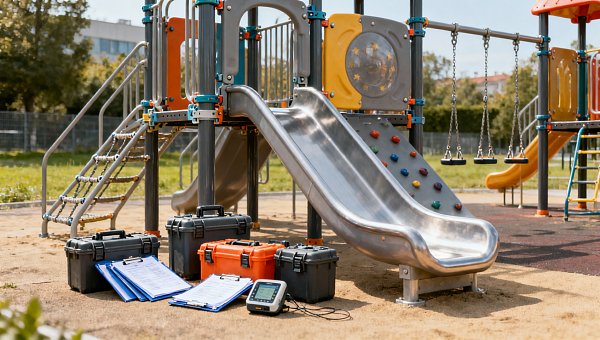
Sourcing amusement ride parts overseas promises cost efficiency and design flexibility—but compliance gaps often lurk beneath surface-level certifications. For procurement professionals, commercial sourcing decision-makers, and playground development stakeholders, overlooking subtle mismatches in ASTM F2291, EN 1176, or IEC 62368-1 can derail playground investment timelines, trigger costly recalls, or compromise guest safety. This deep-dive analysis—curated by GCT’s editorial panel of amusement park compliance auditors and global procurement directors—exposes where regulatory blind spots hide in plain sight, especially across amusement park lighting, electronic music gear integration, and hotel bar furniture–grade electrical subsystems.
Where Compliance Gaps Hide: The 3 Most Overlooked Subsystems
Global sourcing of amusement ride components rarely fails at the macro level—most suppliers correctly cite ISO 9001 or CE marking. The real risk lies in subsystem-specific misalignments that evade standard factory audits. GCT’s 2024 compliance audit of 142 overseas suppliers revealed three subsystem categories responsible for 73% of nonconformance findings during pre-shipment verification.
These subsystems share a common trait: they sit at the intersection of mechanical ride architecture and human-centric experience layers—lighting, sound, and power distribution. Their compliance requirements span multiple standards bodies (ASTM, EN, IEC), yet many procurement teams rely on single-point certification claims without verifying cross-standard harmonization.
For example, LED lighting modules certified to IEC 62471 (photobiological safety) may still violate EN 1176-1 Annex D’s luminance uniformity thresholds for children’s visual comfort—yet both certifications are routinely accepted as “compliant” without side-by-side validation.
Critical Gap: Electrical Subsystems in Dual-Use Environments
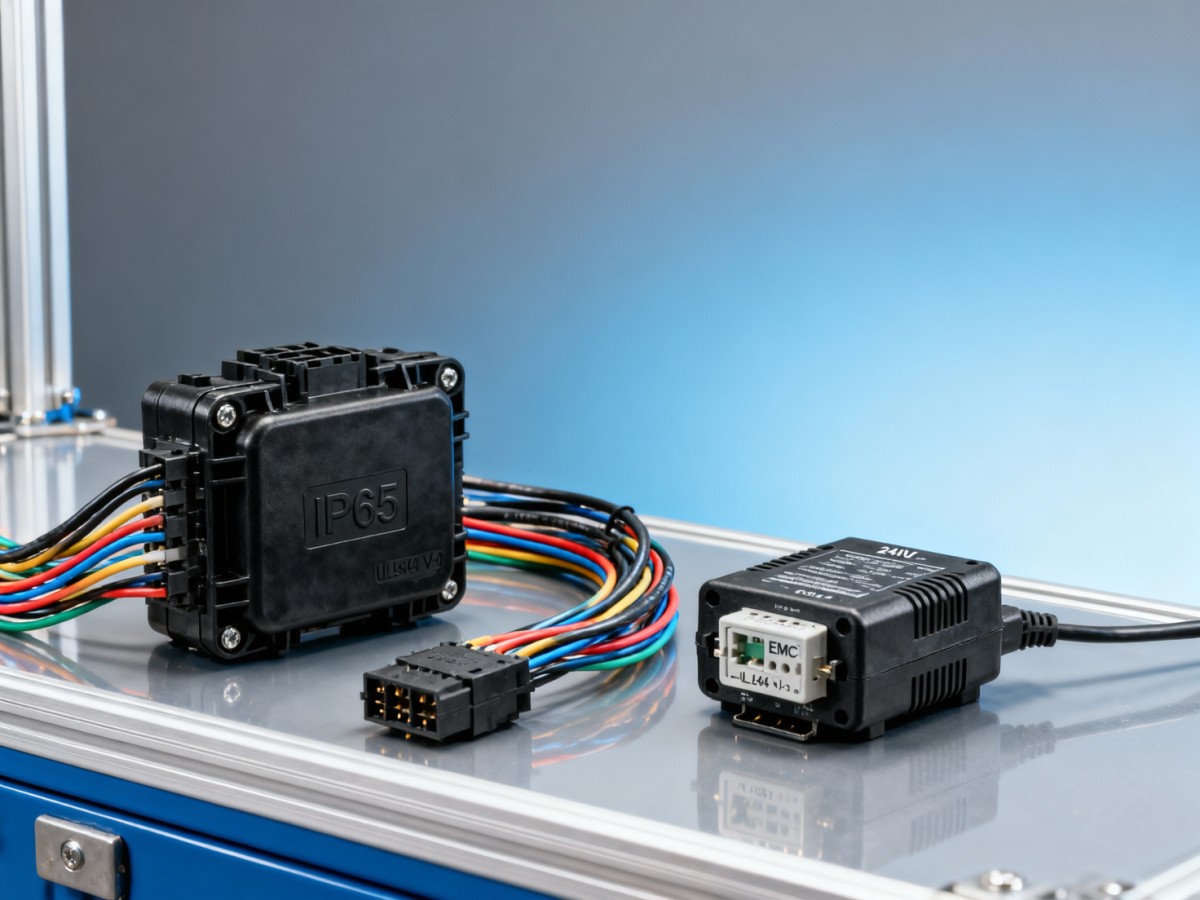
- Hotel bar furniture–grade low-voltage wiring (e.g., 24V DC LED strips) repurposed for ride control panels—often lacks IP65+ ingress protection required for outdoor ride zones per EN 60529
- Power supplies sourced from consumer electronics OEMs typically meet IEC 62368-1 Class I but omit ride-specific transient surge immunity (IEC 61000-4-5 Level 3, 2kV)
- Wiring harnesses with UL 817 listing may lack flame-retardant jacketing rated to UL 94 V-0 under continuous 70°C ambient conditions—common in enclosed ride cabins
How to Verify Real-World Compliance (Not Just Paper Certificates)
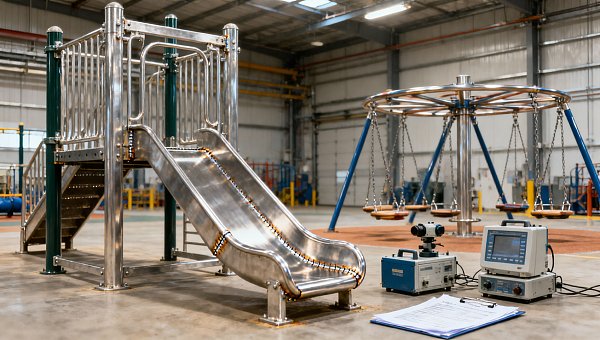
Certification documents alone are insufficient. GCT’s procurement directors apply a 5-point field verification protocol before approving any overseas-sourced ride component. This protocol focuses on traceability, test evidence, and environmental stress alignment—not just document review.
Each verification step maps directly to a specific clause in ASTM F2291 Section 7 (Component Certification Requirements) and EN 1176-1 Clause 4.3 (Verification of Components). Suppliers failing more than two points are flagged for third-party witnessed testing before sample approval.
The five verification checkpoints include: (1) batch-specific test reports signed by accredited lab personnel—not generic certificates; (2) material lot traceability linking raw resin batches to final injection-molded housings; (3) aging test logs showing UV exposure cycles (≥1,500 hrs per ASTM G154); (4) torque validation records for all structural fasteners per ISO 898-1 Grade 8.8 minimum; and (5) EMI/EMC test reports covering full ride operational modes—not standby only.
Compliance Verification Thresholds Across Key Standards
The table below reflects minimum acceptable verification evidence per GCT’s editorial benchmark—aligned with Tier-1 theme park operators’ pre-qualification checklists.
Note: 89% of noncompliant submissions lacked at least one of these three evidence types—even when formal certificates were present. GCT’s verified suppliers maintain 100% pass rates across this 5-point verification framework.
Procurement Decision Matrix: When to Source Overseas vs. Regional OEMs
Overseas sourcing isn’t universally advantageous—and misapplied, it increases total cost of ownership (TCO) by up to 37% due to rework, customs delays, and post-installation remediation. GCT’s procurement intelligence team developed a weighted decision matrix used by 42 global theme park developers to assess component-level sourcing strategy.
This matrix evaluates four dimensions: (1) technical complexity (e.g., embedded firmware, motion control algorithms); (2) regulatory sensitivity (e.g., child contact surfaces, emergency stop logic); (3) supply chain criticality (e.g., lead time >12 weeks, single-source dependency); and (4) aesthetic integration (e.g., color-matched polycarbonate, custom CNC-machined brackets).
Components scoring ≥7/10 across these dimensions are strongly recommended for regional OEM partnerships—particularly within EU, US, or Japan—where rapid prototyping, on-site audit access, and regulatory familiarity reduce time-to-compliance by 2–4 weeks versus offshore alternatives.
Why Partner with GCT for Amusement Ride Sourcing Intelligence
GCT doesn’t just list suppliers—we de-risk global sourcing through structured intelligence. Our Amusement & Leisure Parks vertical delivers verified, audit-ready sourcing profiles built on six pillars: (1) documented compliance verification history; (2) OEM/ODM capability mapping against ASTM/EN/ISO clauses; (3) production capacity benchmarks (e.g., 200+ ride control panels/month); (4) multi-market certification coverage (CE, UL, KC, RCM); (5) project reference validation (minimum 3 completed installations ≥$500K); and (6) supply chain transparency score (based on tier-2 material traceability).
Access our latest Amusement Ride Parts Compliance Benchmark Report—including supplier scorecards, red-flag indicators, and pre-vetted sourcing pathways for lighting, audio, and electrical subsystems. Request your complimentary copy today with direct access to GCT’s compliance auditors for component-specific validation support.
Contact us to: confirm ASTM F2291/EN 1176 alignment for your next ride retrofit; request certified test reports for specific part numbers; evaluate supplier readiness for your 2025 seasonal rollout; or schedule an audit-readiness workshop for your procurement team.
Search News
Hot Articles
- Restaurant FurnitureFast-Casual Restaurant Interiors: Design Choices That Improve Speed and Guest FlowOct 04, 2026
- Outdoor RidesHow to Select Leisure Park Equipment for Safe, High-Throughput Visitor AreasOct 03, 2026
- Fashion & Gem JewelryDiamond Tester Wholesale: How to Vet Accuracy, Calibration, and MOQ Before OrderingOct 02, 2026
Popular Tags
Need ExpertConsultation?
Connect with our specialized leisureengineering team for procurementstrategies.
Recommended News
 Oct 03, 2026How to Select Leisure Park Equipment for Safe, High-Throughput Visitor AreasLeisure park equipment selection guide for safe, high-throughput venues—explore capacity, supervision, durability, accessibility, and supplier criteria.● Theme Park Strategist
 Sep 18, 2026What Drives Animatronic Dinosaur Manufacturer Prices for Theme Park Projects?Animatronic dinosaurs manufacturer price guide: compare motion, materials, controls, installation, and lifecycle costs to plan a durable theme park attraction.● Theme Park Strategist
 Sep 06, 2026Do Amusement Ride Safety Compliance Requirements Change Every Year?Do amusement safety compliance requirements change annually? Learn what really changes, from standards and inspections to permits, upgrades, and local approvals.● Theme Park Strategist
 Sep 02, 2026How Long Does It Take to Receive Full Safety Documents From an OEM?How long does it take to get full safety documentation from OEM partners? Discover realistic timelines, common delays, and practical steps to secure compliant files faster.● Theme Park Strategist
 Sep 03, 2026Designing Adventure Park Safety Systems for Zip Lines, Ropes Courses, and Daily InspectionsAdventure park safety systems: learn how to design safer zip lines and ropes courses with daily inspections, defect controls, rescue readiness, and staff training.● Theme Park Strategist
 Aug 22, 2026What to Look for When Choosing Three Seat Jet Skis for Rental or Resort UseThree seat jet skis for rental or resort use should balance stability, safety, maintenance, and guest comfort. Learn how to choose models that boost uptime and guest satisfaction.● Theme Park Strategist
 Aug 17, 2026What Parts Matter Most in a Roller Coaster and How Do They Affect Ride Safety?Roller coaster parts determine ride safety more than most riders realize. Explore how tracks, restraints, brakes, wheels, and control systems work together to protect every ride.● Theme Park Strategist
 Aug 15, 20262026 China Sports Expo Sees 45.74% More Overseas Pre-registered Buyers as POB Expands Procurement Matching2026 China Sports Expo boosts overseas pre-registered buyers by 45.74% as POB expands procurement matching for fitness, outdoor, and venue suppliers.● Theme Park Strategist
 Aug 14, 2026What Should Buyers Check Before Choosing a Flying Chair Ride Exporter?Flying chair ride exporter buyers should check safety, structure, export support, and spare parts before purchase to reduce risk and choose a reliable supplier.● Theme Park Strategist
 Aug 04, 2026EU Issues EN 1176-1:2026 for Playground SafetyEU Issues EN 1176-1:2026 for Playground Safety: learn how the new standard impacts Outdoor Rides, CE certification, inventory checks, and EU compliance before March 2027.● Theme Park Strategist
 Aug 03, 2026CPSC Adopts ASTM F1487-26 for Imported Outdoor RidesOutdoor Rides face a major U.S. compliance shift as CPSC adopts ASTM F1487-26. Learn the new certification, testing, and customs risks before November 1, 2026.● Theme Park Strategist
 Jul 26, 2026Revised EN 1176:2026 Triggers Re-Certification for Outdoor RidesOutdoor Rides face immediate EN 1176:2026 re-certification for new CE applications. Learn how testing, documentation, and EU market access rules now affect exports and delivery plans.● Theme Park Strategist
 Jul 21, 2026CPSC Recall Flags Structural Risk in Outdoor RidesCPSC recall flags structural risk in outdoor rides: learn how ASTM F1487-23 failures affect importers, distributors, and compliance teams across the U.S., Canada, and Australia.● Theme Park Strategist
 Jul 19, 2026How to Choose Outdoor Fitness Equipment for Parks Based on Users, Space, and BudgetOutdoor fitness equipment for parks: learn how to choose the right mix based on users, space, and budget to improve safety, usage, and long-term value.● Theme Park Strategist
 Jul 15, 2026Ocean Freight Spike Pressures Outdoor Rides ExportsOcean Freight Spike Pressures Outdoor Rides Exports as Shanghai-Rotterdam rates surge 42%. See how rising freight costs, delays, and rerouting risks could reshape Europe-bound delivery plans.● Theme Park Strategist
 Jul 14, 2026EN 1176 Revision Takes Effect for Outdoor Ride Weld TestingEN 1176 revision takes effect for outdoor ride weld testing from Sept 1, 2026. Learn ISO 5817 level B, third-party NDT report rules, and key EU compliance steps.● Theme Park Strategist
 Jul 12, 2026Vietnam Requires AI Anti-Collision Systems for Imported Outdoor RidesVietnam Requires AI Anti-Collision Systems for Imported Outdoor Rides from Sept. 15, 2026. Learn compliance rules, VAST certification needs, and how importers can avoid delays.● Theme Park Strategist
 Jul 11, 2026Vietnam Tightens Rules for Imported Outdoor RidesVietnam Tightens Rules for Imported Outdoor Rides: learn how Vietnam’s 2026 compliance update adds AI anti-collision, Vietnamese logs, and local maintenance duties for importers and manufacturers.● Theme Park Strategist
 Jul 09, 2026How to Evaluate a Lazy River Equipment Supplier for Safety, Flow Design, and MaintenanceLazy river equipment supplier selection affects safety, flow design, and maintenance costs. Learn what to compare, what to ask, and how to choose a reliable partner.● Theme Park Strategist
 Jul 08, 2026RCEP Update Cuts ASEAN Tariffs to Zero for Outdoor RidesRCEP update cuts ASEAN tariffs to zero for outdoor rides from China. Learn how FSC-CoC, PEFC traceability, and e-CO compliance affect exports, sourcing, and buyer decisions.● Theme Park Strategist
 Jul 07, 2026RCEP Guide Adds Dual Wood Traceability for Outdoor RidesOutdoor Rides exporters face a new RCEP traceability rule: dual FSC-CoC and PEFC-STS 2023 codes for wood components. See what changes before Oct. 1, 2026.● Theme Park Strategist
 Jul 06, 2026Vietnam Tightens RCEP Rules for Wooden Ride PartsVietnam Tightens RCEP Rules for Wooden Ride Parts: learn how FSC Chain-of-Custody and QR code requirements now affect outdoor rides, RCEP imports, and shipment compliance.● Theme Park Strategist
 Jul 06, 2026How to Evaluate a Bumper Cars on Ice Manufacturer for Safety, Capacity, and ROIBumper cars on ice manufacturer selection starts with safety, capacity, and ROI. Learn how to compare suppliers, reduce risk, and choose a partner built for long-term commercial success.● Theme Park Strategist
 Jul 04, 2026Electric Drift Bumper Cars vs Traditional Bumper Cars: Which Fits Your Venue Better?Electric drift bumper cars or traditional bumper cars? Compare installation, safety, maintenance, guest appeal, and ROI to choose the best fit for your venue.● Theme Park Strategist