Playground Safety Checklist: Surfacing, Fall Zones, and Age-Appropriate Design
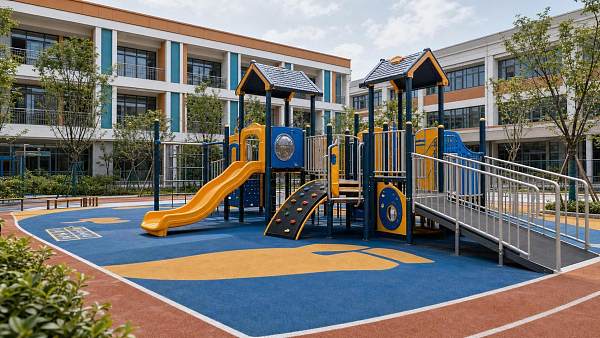
Playground safety is rarely decided by a single product choice. It is shaped by how surfacing, fall zones, equipment layout, and user age groups work together across the full project lifecycle.
That matters even more in commercial settings, where recreational spaces support schools, hospitality properties, mixed-use developments, and public venues expected to deliver both safety and lasting performance.
In practice, a reliable playground safety checklist begins well before handover. It starts with planning decisions that affect compliance, maintenance exposure, user flow, and the long-term credibility of the site.
Why playground safety has become a higher-level project issue
Play areas are no longer treated as isolated amenities. They now contribute to guest experience, campus value, community use, and the commercial appeal of broader developments.
As a result, playground safety is increasingly reviewed alongside design quality, accessibility, procurement risk, and international compliance expectations.
This broader view aligns with how Global Commercial Trade approaches sourcing intelligence. In sectors tied to human experience, safe equipment selection is inseparable from operational reliability and brand trust.
For commercial projects, a poorly specified play area can create rework, inspection delays, faster wear, and avoidable liability. A well-planned one supports smoother delivery and stronger lifecycle value.
The core idea behind an effective playground safety checklist
At its simplest, playground safety is about managing foreseeable risk without removing the play value that makes the space useful.
That means checking how users move, where falls may occur, what impact levels the surface can absorb, and whether the equipment suits the intended age range.
A checklist should not be limited to installation dimensions. It should also cover drainage, maintenance access, material durability, replacement planning, and the local inspection framework.
In other words, playground safety is both a design issue and an asset management issue.
Surfacing is the first major decision, not the finishing layer
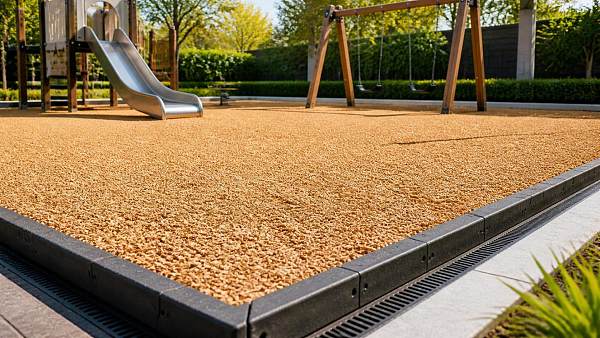
Impact-attenuating surfacing is often discussed late, yet it influences budget, installation sequencing, drainage coordination, and compliance outcomes from the start.
The right choice depends on critical fall height, climate exposure, maintenance capacity, and expected traffic levels. No surface performs well if site conditions are ignored.
Common surfacing options and what they change
A common mistake is selecting surfacing from a catalog without confirming fall height ratings, drainage design, and local wear conditions.
When evaluating playground safety, the surface should be reviewed as a system, including sub-base preparation, edging, slope, and inspection intervals.
Fall zones define whether the layout is actually safe
Fall zones are the use and impact areas around equipment where a child may land during normal play or an unexpected fall.
These spaces are frequently underestimated when sites are tight or when multiple play elements are combined to maximize activity density.
That creates one of the most preventable playground safety failures: compliant equipment placed in a non-compliant arrangement.
What deserves closer review
- Clearance around swings, slides, climbers, and rotating features
- Overlap risks between adjacent equipment use zones
- Perimeter conditions near walls, benches, fencing, and planting
- Changes in elevation that affect drainage or landing behavior
- Future modifications that could shrink safe circulation space
On mixed-use sites, fall zone planning also intersects with pedestrian flow. Nearby cafés, school entrances, and spectator areas should not push circulation into impact areas.
Age-appropriate design is more than a labeling exercise
Age-appropriate design is central to playground safety because children do not use space, height, speed, or challenge in the same way.
A good layout considers physical reach, balance development, supervision patterns, and whether users can understand the intended path through equipment.
Problems often appear when one structure tries to serve every age group. It may look efficient on paper, but it can blur risk boundaries and reduce usability.
Typical design distinctions by user group
Well-zoned sites usually perform better over time because they reduce misuse and simplify inspection decisions.
Where commercial projects tend to go wrong
Many playground safety gaps appear during coordination, not design intent. Drawings may be correct, yet substitutions, value engineering, or rushed installation create hidden exposure.
One recurring issue is treating certified equipment as a complete safety solution. Certification matters, but field conditions still determine real performance.
Another weak point is handover documentation. Without maintenance guidance, inspection frequency, and replacement criteria, even a good installation can decline quickly.
- Surface depth or thickness does not match installed equipment heights
- Drainage causes pooling, erosion, or material displacement
- Anchoring details conflict with finished surfacing tolerances
- Site furniture is added inside safe circulation areas
- Maintenance teams inherit no practical inspection checklist
A practical review framework before approval
Before sign-off, playground safety should be reviewed against use conditions rather than drawings alone. The most useful questions are direct and site-specific.
Does the surfacing match the verified fall height? Are use zones fully clear after all adjacent elements are installed? Is the space understandable for its intended age range?
It is also worth checking whether replacement materials will remain available and whether the site team can realistically maintain the selected system.
This is where data-backed sourcing becomes valuable. GCT’s commercial perspective is useful because safer recreational spaces depend on more than specification sheets. They depend on supplier consistency, documentation quality, and long-term support.
What to evaluate next
A strong playground safety process usually moves from concept review to compliance checks, then to installation verification and maintenance planning.
The next step is to compare the planned site against a short list of non-negotiables: impact performance, fall zone accuracy, age zoning, drainage reliability, and inspection readiness.
If any of those areas remain unclear, the safest decision is to pause approval, confirm the technical basis, and align sourcing choices with the actual demands of the site.
That approach keeps playground safety practical, measurable, and far easier to defend over the life of the project.
Search News
Hot Articles
- Smart Campus TechHow to Source Educational Furniture Worldwide for Safe, Flexible Learning SpacesSep 16, 2026
- Arcade & VR MachinesHow to Choose Coin-Operated Pool Tables for Bars, Hotels, and Arcade VenuesSep 15, 2026
- Commercial KitchenHow Restaurants Can Choose Disposable Wooden Cutlery for Takeout and CateringSep 14, 2026
Popular Tags
Need ExpertConsultation?
Connect with our specialized leisureengineering team for procurementstrategies.
Recommended News
 Aug 30, 2026Entertainment Venue Master Planning: How to Balance Capacity, Flow, and RevenueEntertainment venue development master planning: balance capacity, guest flow, and revenue with practical strategies for resilient, high-performing venues.● Theme Park Strategist
 Sep 07, 2026What Should Buyers Do When a Supplier Delivers Non-Compliant Products?What to do if a supplier delivers non-compliant commercial products: contain risks, document evidence, protect your project, and secure the right remedy.● Theme Park Strategist
 Sep 02, 2026Waterpark Capacity Management: Balancing Queue Times, Safety, and Guest ThroughputWaterpark capacity management strategies to reduce queue times, protect safety, optimize guest throughput, and build a smoother, more profitable park operation.● Theme Park Strategist
 Sep 01, 2026ASTM F2075 Explained: Testing Engineered Wood Fiber for Playground Impact SafetyASTM F2075 explained: learn how engineered wood fiber supports playground impact safety, smarter sourcing, compliance documentation, and reliable maintenance planning.● Theme Park Strategist
 Aug 24, 2026How to Evaluate an Indoor Ninja Warrior Course Supplier in Europe?indoor ninja warrior course Europe supplier guide: learn how to assess safety, EN compliance, engineering, installation, and maintenance support before you choose.● Theme Park Strategist
 Aug 20, 2026How to Choose Modular Indoor Play Equipment for Different Venue Sizes and Age GroupsModular indoor play equipment buying guide: learn how to match venue size, ceiling height, traffic flow, and age groups to create safer, smarter, and more profitable play spaces.● Theme Park Strategist
 Aug 14, 2026POB Push Lifts Overseas Pre-Registrations 45.74%POB boosts overseas pre-registrations for the 2026 China Sport Show by 45.74%, signaling stronger global buyer interest and smarter sourcing opportunities in sports manufacturing.● Theme Park Strategist
 Aug 02, 2026What to Check Before Buying Thick Gymnastic Mats Wholesale for Schools and GymsThick gymnastic mats wholesale buying guide for schools and gyms: learn how to check foam, cover durability, safety documents, samples, and true long-term value before placing a bulk order.● Theme Park Strategist
 Jul 28, 2026How to Design Inclusive Sensory Play Areas for Different Age Groups and NeedsInclusive sensory play starts with smart zoning, age planning, accessibility, and acoustics. Discover practical design tips to create safer, engaging spaces that truly work.● Theme Park Strategist
 Jul 26, 2026How to Evaluate a Bowling Alley Equipment Factory Before Requesting a QuoteBowling alley equipment factory evaluation starts before price. Learn how to check manufacturing scope, engineering, compliance, spare parts, and installation support to avoid costly sourcing mistakes.● Theme Park Strategist
 Jul 16, 2026EN 1176:2026 Takes Effect for Indoor PlaygroundsEN 1176:2026 takes effect for indoor playgrounds in the EU, making conformity assessment mandatory. Learn how this impacts certification, customs clearance, suppliers, and market access.● Theme Park Strategist
 Jul 15, 2026CPSC Sets New ASTM Impact Test for Indoor Playground Metal PartsCPSC sets new ASTM impact test rules for indoor playground metal parts effective Oct. 1, 2026. Learn how the 15kN requirement may affect compliance, testing timelines, and U.S. export delivery.● Theme Park Strategist
 Jul 14, 2026CPSC Tightens Phthalate Limit for Indoor Playground Soft MaterialsCPSC tightens phthalate limits for indoor playground soft materials from Aug 15, 2026. Learn how DIBP control, CBP detention risk, and testing changes impact sourcing, exports, and compliance.● Theme Park Strategist
 Jul 13, 2026Vietnam Tightens IoT Rule for Indoor Playground ImportsVietnam Tightens IoT Rule for Indoor Playground Imports: learn how VNSS-2025 gateway requirements affect exporters, buyers, installers, and delivery timelines before the 2026 deadline.● Theme Park Strategist
 Jul 13, 2026How a Recreational Facility Planning Company Helps Reduce Layout MistakesRecreational facility planning company insights: learn how early layout strategy reduces costly mistakes, improves flow, compliance, and buildability for smoother project delivery.● Theme Park Strategist
 Jul 12, 2026CPSC Halts Imports of Indoor Playground Soft PartsCPSC halts imports of indoor playground soft parts from China under ASTM F3432-26. Learn the compliance risks, testing requirements, and urgent steps importers must take now.● Theme Park Strategist
 Jul 11, 2026CPSC Import Alert Tightens Fire Test Rule for Indoor Playground PaddingCPSC import alert updates indoor playground padding rules to ASTM F3432-26. See how the new fire test affects foam mats, shipments, and U.S. market access.● Theme Park Strategist
 Jul 11, 2026Ice Bumper Cars Bulk Order Checklist for Indoor Parks: Space, Power, and Safety PointsIce bumper cars bulk order guide for indoor parks: learn how to assess space, power, safety, and throughput before buying, so you can avoid costly mistakes and choose the right fleet with confidence.● Theme Park Strategist
 Jul 10, 2026Commercial Playground Equipment for Campuses: Key Safety Standards and Planning TipsCommercial playground equipment for campuses: explore key safety standards, inclusive layout planning, durable materials, and smart procurement tips to avoid costly mistakes.● Theme Park Strategist
 Jul 09, 2026CPSC Recall Escalates Over Phthalates in Indoor Playground PadsCPSC recall escalates over phthalates in indoor playground pads as affected batches exceed CPSIA limits. Learn the risks, supply chain impact, and what buyers should monitor now.● Theme Park Strategist
 Jul 07, 2026How to Choose Ice Skating Rink Equipment in Europe: Key Systems, Standards, and Budget Factorsice skating rink equipment Europe guide: compare refrigeration, rink floors, boards, EU compliance, and total budget factors to choose a safer, more efficient commercial rink solution.● Theme Park Strategist
 Jul 06, 2026CPSC Flags New Flame Test for Indoor Playground PaddingCPSC flags a new flame test for indoor playground padding under ASTM F1487-23b. Learn how this urgent compliance alert affects materials, testing, imports, and U.S. market access.● Theme Park Strategist
 Jul 05, 2026Vietnam Sets VCA Registration Deadline for Indoor Playground ImportsVietnam Sets VCA Registration Deadline for Indoor Playground Imports: learn the August 15, 2026 VCA registration rule, batch EN 14960 test report requirements, and how to avoid import license delays in Vietnam.● Theme Park Strategist
 Jul 04, 2026EU Rule Tightens Fire Tests for Indoor Playground PaddingIndoor Playground suppliers and buyers must act now as the EU enforces stricter fire and smoke tests under EN 14960:2026+A1:2026. Learn the compliance risks, customs impact, and sourcing priorities.● Theme Park Strategist