EUDAMED Mandate Raises Compliance Bar for Sensor-Enabled Stage Exports
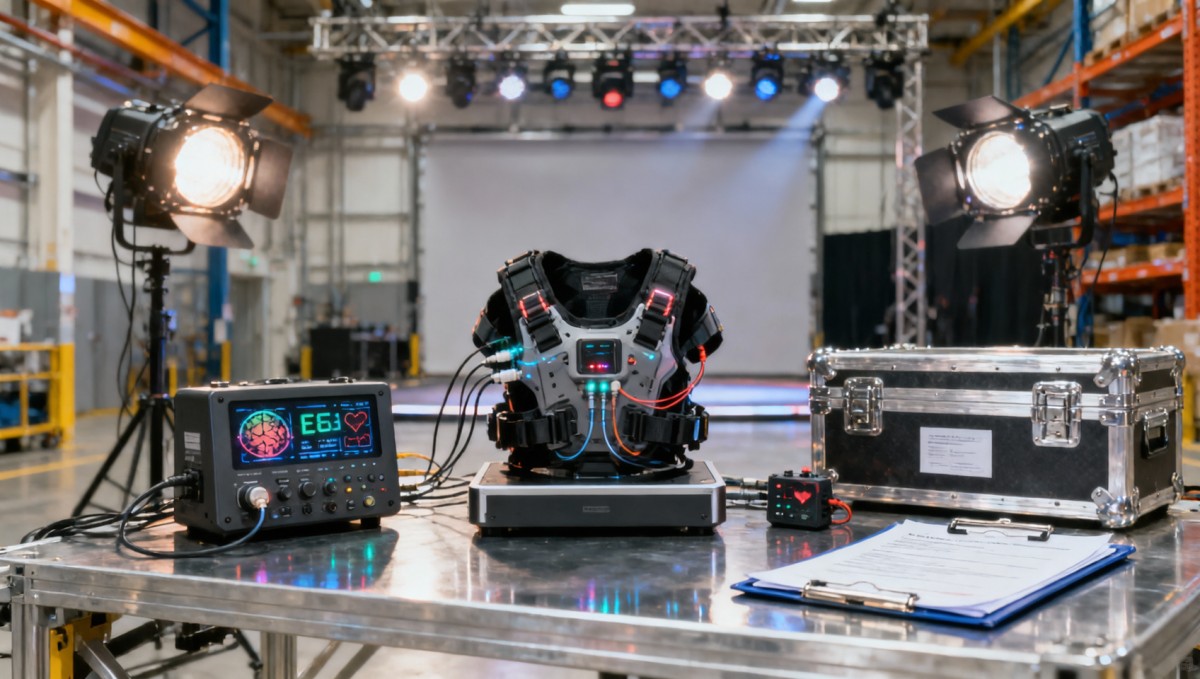
On June 10, 2026, the first four EUDAMED modules became mandatory in the EU, turning a database rollout into a practical compliance threshold for certain sensor-enabled stage products. Pro Stage Audio equipment is not in itself a medical device, but where a product includes medical-grade biofeedback functions such as heart-rate monitoring stage wear or EEG-controlled lighting systems, export activity can move into MDR-linked registration and certification territory. This matters not only for exporters, but also for compliance teams, buyers, logistics providers, and delivery planning, because recent customs delays indicate that border enforcement is already affecting product movement.
What is confirmed at this stage
The confirmed change is that, from June 10, 2026, four EUDAMED modules became fully mandatory: Actor Registration, UDI/Devices, Certificates & Notified Bodies, and Clinical Investigations. The confirmed scope point is equally important: although Pro Stage Audio is not classified as a medical device by default, products that contain medical-grade biofeedback sensors must complete EUDAMED registration under MDR and obtain CE IVDR certification. The confirmed trade signal is that multiple customs clearance hold cases have been reported, and Hamburg port in Germany has applied 100% inspection to stage equipment carrying biosensing functions.
Where the pressure is likely to appear first
Export screening is no longer only about product category labels
From an industry perspective, exporters of stage technology may be affected when product design includes sensing functions that resemble medical-grade monitoring. The immediate pressure point is product classification review before shipment, because a product sold for performance use may still trigger medical-device-level scrutiny if its embedded function falls within the stated scenario. What deserves closer attention is whether commercial documents, technical descriptions, and compliance files consistently reflect the product's sensor features.
Procurement and specification alignment may become more cautious
Buyers and project procurement teams may also face a more cautious review process where wearables, interactive control systems, or sensor-linked lighting solutions are involved. The impact is likely to show up in supplier qualification checks, tender documentation review, and requests for proof of registration or certification. Observably, purchasing decisions may increasingly depend not only on performance specifications but also on whether regulatory status has been clarified before order placement.
Logistics and customs handling face tighter documentation expectations
Supply chain service providers and customs-facing teams may encounter more delivery risk when products include biosensing features. The main operational effect is on pre-shipment document preparation, customs declaration consistency, and handling time at the port of entry. The reported 100% inspection practice at Hamburg signals that logistics planning for affected product lines may need to account for additional review time and more detailed supporting files.
Testing and certification support functions may move earlier in the sales cycle
Certification-related service providers and internal compliance departments may be drawn into projects earlier, especially where stage equipment is marketed with physiological monitoring or sensor-based control functions. The likely effect is less about routine post-production paperwork and more about early-stage determination of whether EUDAMED registration and CE IVDR certification are prerequisites to market access or shipment release.
What companies should review now
Recheck whether sensor functions change the regulatory path
Analysis shows that the first practical step is not to assume that all stage products remain outside medical-device rules. Companies should closely review whether embedded biosensing functions, especially those described as medical-grade, alter the compliance route for specific models or configurations. This is particularly relevant where marketing claims, user manuals, or technical sheets describe physiological monitoring or brainwave-based control functions.
Prepare technical and trade documents for consistency
What deserves closer attention is the consistency between product description, technical files, customs documents, and certification status. If a product may fall within the stated scope, mismatches between declaration materials and actual device functions could become a trade risk. The current information does not provide a full enforcement checklist, so companies should treat document readiness as a key watchpoint rather than assume a settled practice across all cases.
Factor inspection risk into delivery and procurement schedules
Observably, recent clearance delays and the reported inspection approach at Hamburg suggest that delivery schedules for affected goods may require more buffer time. Exporters, distributors, and buyers should pay attention to whether project milestones, procurement timing, and acceptance arrangements remain realistic when additional compliance review may occur before release.
Track how execution language develops in the market
It is more appropriate to understand this as a rule implementation signal that now has visible trade consequences, but not yet as a fully settled enforcement picture for every product scenario. Companies should continue watching for further official wording, certification practice, tender requirements, and market feedback that clarify how sensor-enabled stage products are being interpreted in real transactions.
Why this looks like an execution signal, not just a database update
Analysis shows that the significance of this development lies less in the technical launch of EUDAMED modules and more in how the rule is now intersecting with product design at the edge of medical and non-medical use. For the stage technology segment, the issue is not that all audio or lighting equipment suddenly falls into medical regulation, but that certain embedded functions can change the compliance burden and border treatment. Observably, the reported customs actions make this easier to read as an execution signal rather than a distant regulatory background change.
How the market is better off reading this development
The more balanced reading is that this is a targeted compliance shift with immediate relevance for products that combine stage applications with medical-grade biosensing features. It should not be overstated into a blanket rule for all Pro Stage Audio exports, but it should also not be treated as a purely administrative change. At this point, it is more appropriate to understand the development as a live compliance and delivery issue for affected product categories, with further clarification still worth monitoring.
Basis of this article and what still needs verification
This article is generated from the user-provided news title, event date, and event summary. For developments of this kind, relevant source types usually include official regulatory notices, releases from supervisory authorities, customs or trade administration information, industry association updates, standard-setting documents, and reporting from authoritative media. A specific official source link was not provided in the input, so the precise official documentation should continue to be verified. Further observation is still needed on detailed implementation wording, certification interpretation, tender document changes, industry feedback, and how companies are executing against the new requirements in practice.
Search News
Hot Articles
Popular Tags
Need ExpertConsultation?
Connect with our specialized leisureengineering team for procurementstrategies.
Recommended News
 Oct 24, 2026RME Launches ADI-2/4 PRO EX Audio Converter with Integrated ProcessingExplore the RME ADI-2/4 PRO EX audio converter with AD/DA conversion, dual headphone amps and integrated processing. Discover its potential for studio, live sound and broadcast workflows.● Pro Audio Engineer
 Oct 22, 2026Audio Production for Streaming: How to Build a Dedicated Live Event MixMaster audio production for streaming with a dedicated live event mix. Learn routing, loudness control, and monitoring techniques to deliver clear, balanced sound your online audience will love.● Pro Audio Engineer
 Oct 15, 2026Designing Theater Sound Systems for Clear Dialogue and Even Audience CoverageOptimize stage sound for theaters with practical tips on acoustics, speaker placement, and tuning. Discover how to deliver clear dialogue and consistent coverage across audience seating.● Pro Audio Engineer
 Oct 22, 2026Which Professional Sound System Specs Matter Most for Live Venues?Discover what professional sound system specs matter most for live venues. Compare SPL, coverage, frequency response, and headroom to choose a PA that delivers clear, powerful sound.● Pro Audio Engineer
 Oct 20, 2026Should You Prioritize Stage Sound or Audience Coverage?Should I prioritize stage sound or audience coverage first? Discover how to balance clear audience audio, reliable monitoring, and smarter sound-system upgrades for your venue.● Pro Audio Engineer
 Oct 18, 2026How Much Does Studio Acoustic Treatment Cost per Square Meter?How much does studio acoustic treatment cost per square meter? Learn how to compare panel prices, installation fees, and complete budgets to choose the right treatment without overspending.● Pro Audio Engineer
 Oct 17, 2026How Do Line Array and Point Source Sound Systems Differ?What is the difference between line array and point source systems? Compare coverage, costs, and venue fit to find the right solution for clearer sound.● Pro Audio Engineer
 Oct 16, 2026Are Standard Acoustic Panels Enough for Performance Venues?Are standard acoustic panels enough for performance venues? Discover their limits, explore bass control and diffusion, and learn how to choose treatments that improve sound without wasting budget.● Pro Audio Engineer
 Sep 30, 2026How to Choose an Aluminum Projector Ceiling Mount for Load, Drop, and Ceiling TypeChoose an aluminum projector ceiling mount with confidence. Learn how load capacity, drop length, ceiling structure, safety retention, and service access shape a reliable commercial AV installation.● Pro Audio Engineer
 Sep 26, 2026How to Choose Dynamic Microphones for Vocals in Live Stage SettingsDynamic microphones for vocals: learn how to match polar patterns, feedback control, durability, and clarity to live stage needs for reliable, professional sound.● Pro Audio Engineer
 Sep 07, 2026How to Choose Wall Mount Speakers for Clear Audio in Commercial SpacesWall mount speakers for commercial spaces: learn how to optimize coverage, SPL, directivity, installation, and system design for clear, reliable audio.● Pro Audio Engineer
 Sep 03, 2026How to Choose Locking Speakon Speaker Cables for Reliable Live Sound ConnectionsLocking Speakon speaker cables: learn how to select the right gauge, connector pinout, strain relief, and durable construction for reliable live sound connections.● Pro Audio Engineer
 Sep 08, 2026Is It Worth Upgrading a Stage Sound System Mid-Project?Is it worth upgrading stage sound systems mid-project? Discover how to assess performance gaps, costs, compatibility, and long-term venue value.● Pro Audio Engineer
 Sep 04, 2026Can AV Systems Be Retrofitted Into Older Commercial Buildings?Can AV integration be retrofitted into older commercial buildings? Discover practical strategies for reliable, code-aware AV upgrades with minimal disruption.● Pro Audio Engineer
 Jul 17, 2026How to Choose a Crossover Networks Supplier: Key Specs, Quality Checks, and OEM FactorsFind the right crossover networks supplier with this practical guide to key specs, quality checks, OEM factors, and supply chain risks for better audio performance and sourcing confidence.● Pro Audio Engineer
 Jul 16, 2026How to Evaluate ODM Services for Pro Audio: Design, Certification, and Production CapabilitiesODM services for pro audio: learn how to assess design depth, certification readiness, and production strength to choose a reliable partner and launch better audio products with less risk.● Pro Audio Engineer
 Jul 15, 2026JETRO Flags Modular, Low-Power Shift in Pro Stage AudioPro Stage Audio buyers in Japan are shifting fast: JETRO flags modular amplifiers, IP65 line arrays, low standby power, and JIS compliance as key to channel entry.● Pro Audio Engineer
 Jul 15, 2026Paper Speaker Cones Explained: How Cone Weight and Stiffness Affect SoundPaper speaker cones explained: discover how cone weight and stiffness shape sensitivity, clarity, breakup control, and real-world speaker performance for smarter audio sourcing.● Pro Audio Engineer
 Jul 15, 2026Performance Venues Compliance Checklist: Fire Safety, Accessibility, and Crowd RulesPerformance venues compliance checklist covering fire safety, accessibility, and crowd rules. Learn how to reduce delays, improve approvals, and open safer, more resilient venues.● Pro Audio Engineer
 Jul 14, 2026Japan Adds EMC Immunity Test for Stage AmplifiersJapan Adds EMC Immunity Test for Stage Amplifiers: learn how Japan’s 2026 JIS update affects EMC testing, JIS marking, certification timing, and market access for exporters.● Pro Audio Engineer
 Jul 13, 2026CISCE 2026 Adds Pro Stage Audio ZoneCISCE 2026 Adds Pro Stage Audio Zone as free overseas pre-registration opens. Explore key updates for pro audio suppliers, distributors, and system integrators before the Shanghai expo.● Pro Audio Engineer
 Jul 12, 2026Japan Tightens Pro Stage Audio Efficiency Limits Under JIS C 8105-2026Japan Tightens Pro Stage Audio Efficiency Limits Under JIS C 8105-2026: learn how new PSE compliance rules reshape market access, product eligibility, and shipment planning in Japan.● Pro Audio Engineer
 Jul 12, 2026How to Choose Low Profile Ceiling Speakers for Hotels, Offices, and Retrofit ProjectsLow profile ceiling speakers for hotels, offices, and retrofit projects: learn how to compare depth, coverage, compliance, and installation factors to choose the right fit.● Pro Audio Engineer
 Jul 11, 2026Japan Tightens JIS C 8105-2026 for Pro AudioJapan Tightens JIS C 8105-2026 for Pro Audio: learn how stricter standby power, PSE diamond mark rules, and the 2026 deadline impact exports, compliance, and market access.● Pro Audio Engineer