Commercial AV Integration Checklist: How to Plan Systems for Multi-Room Venues
Why commercial AV integration starts with venue behavior
Commercial AV integration works best when planning begins with how people move, gather, and switch activities across rooms.
A ballroom, lecture hall, boardroom, showroom, and control office may sit in one property, yet they do not behave like one environment.
That difference is where many projects drift off course.
In real projects, delays rarely come from displays or speakers alone.
They usually come from late coordination between architecture, acoustics, networking, power, control logic, and procurement timing.
A strong commercial AV integration checklist keeps those decisions connected from the first room plan onward.
That matters across hospitality, education, leisure venues, premium retail, and mixed-use commercial sites, where user experience depends on consistency.
For platforms such as Global Commercial Trade, this is also a sourcing issue.
System quality must align with design standards, safety compliance, service life, and supplier reliability, not only technical specifications.
Different rooms create different planning priorities
The most useful way to approach commercial AV integration is to separate rooms by operational pressure, not by floor plan alone.
Some spaces need flexibility every day.
Others need absolute reliability for one critical function.
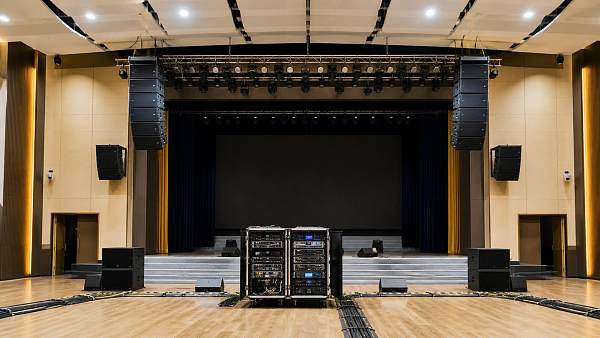
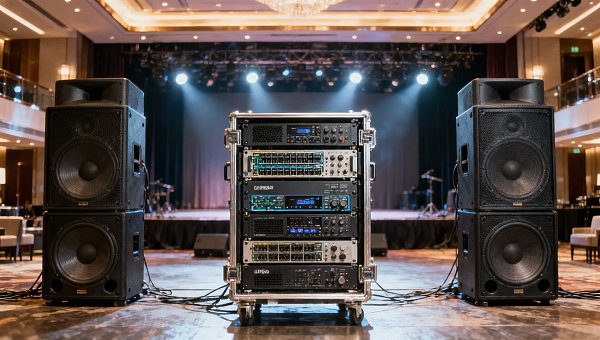
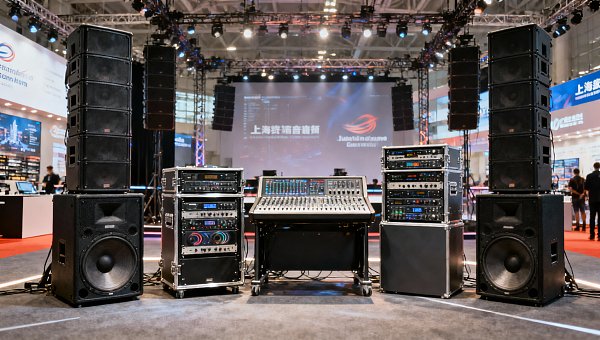
A divisible event hall, for example, must support changing layouts, wireless microphones, overflow feeds, and quick source routing.
In that setting, commercial AV integration should prioritize signal distribution, DSP presets, simple control, and cable paths for future add-ons.
A teaching block or training center looks similar on paper, but the pressure points are different.
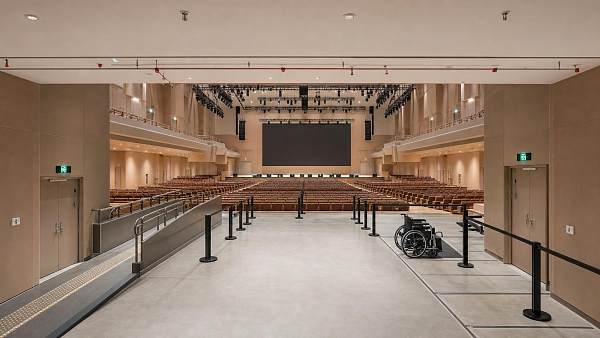
There, speech intelligibility, lecture capture, standardized interfaces, and low support burden usually matter more than theatrical impact.
Retail and branded experience spaces add another layer.
Visual brightness, content synchronization, ambient noise control, and discreet equipment placement often outweigh maximum channel count.
The checklist changes because the business objective changes.
A practical way to group room types
- High-flex rooms: divisible halls, conference centers, multi-use civic venues.
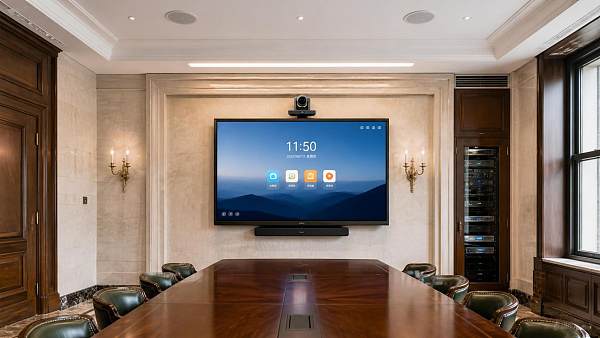
- High-consistency rooms: classrooms, training rooms, meeting suites.
- High-impact rooms: showrooms, leisure attractions, flagship retail zones.
- High-control rooms: operations centers, central equipment rooms, monitoring stations.
This grouping helps commercial AV integration decisions stay tied to use patterns rather than generic equipment lists.
Where multi-room venues usually succeed or fail
In hospitality projects, one common mistake is treating guest-facing rooms and back-end support spaces as separate systems.
That often creates inconsistent controls, duplicated infrastructure, and difficult maintenance later.
Better commercial AV integration connects event spaces, breakout rooms, digital signage, paging, and remote management under one logic structure.
In smart campus environments, the failure point is often over-customization.
One showcase room receives advanced features, while ordinary rooms become hard to support at scale.
A more durable approach standardizes core interfaces, then adds room-specific layers only where use cases justify them.
Leisure and entertainment venues face another challenge.
Systems may run long hours under variable noise, lighting, and occupancy conditions.
Here, commercial AV integration should include thermal planning, service access, replacement strategy, and resilience against operator error.
Across all these settings, the issue is rarely whether a device performs well in isolation.
The real question is whether the whole system stays usable as rooms, staffing, and event patterns evolve.
Checklist factors that change from one setting to another
Before equipment selection, compare each room against a shared decision framework.
That is often the clearest path to stronger commercial AV integration in multi-room venues.
This comparison prevents similar-looking rooms from being treated as identical deployment cases.
What to confirm before procurement locks the system
Commercial AV integration often becomes expensive when procurement starts before room logic is stable.
The missed details are usually basic, but they shape the entire installation sequence.
Confirm the physical environment
Check ceiling types, wall composition, rack ventilation, equipment access, ambient light, and background noise.
A display plan that works in a dark briefing room may fail completely in a glazed lobby or retail frontage.
Confirm network and control architecture
AV over IP, room scheduling, digital signage, conferencing, and monitoring tools depend on early network alignment.
Without that, commercial AV integration turns into parallel systems that never fully share data or control status.
Confirm compliance and serviceability
Local electrical codes, fire pathways, accessibility requirements, and approved certifications should be checked before final sourcing.
Also verify whether replacement units, firmware support, and trained service partners are available in the operating region.
Common misjudgments in commercial AV integration
One frequent misjudgment is choosing products by headline specification alone.
Brightness, wattage, or channel count look persuasive, but they say little about daily usability in a complex venue.
Another is underestimating room turnover.
A venue that hosts training today may need hybrid events, branded launches, or private functions next year.
Commercial AV integration should leave room for those shifts through spare capacity, modular signal paths, and software-driven control changes.
Cost evaluation is also commonly distorted.
Low initial pricing can hide higher commissioning time, more custom programming, weak regional support, or difficult maintenance access.
In premium commercial spaces, that tradeoff becomes visible quickly because downtime affects both operations and perception.
A stronger fit comes from phased planning, not bigger equipment lists
The most reliable commercial AV integration plans usually move in phases.
- Define room behaviors, content types, occupancy patterns, and user handoff points.
- Map technical dependencies across acoustics, lighting, networking, power, and furniture.
- Standardize repeatable room packages before customizing signature spaces.
- Review supplier support, certifications, lead times, and upgrade paths.
- Test control logic with real operating scenarios before final commissioning.
This approach is especially valuable when sourcing across global supply chains.
It matches the broader GCT view that commercial experience projects need design discipline, compliance confidence, and dependable manufacturing support together.
In practice, the checklist should end with a short decision review.
Recheck which rooms need flexibility, which need standardization, and which need stronger visual or acoustic control.
Then compare lifecycle cost, implementation risk, and maintenance demands before locking the final commercial AV integration scope.
That next step usually reveals whether the system is truly planned for the venue, or only assembled for installation day.
Search News
Hot Articles
- Outdoor RidesHow to Select Leisure Park Equipment for Safe, High-Throughput Visitor AreasOct 03, 2026
- Fashion & Gem JewelryDiamond Tester Wholesale: How to Vet Accuracy, Calibration, and MOQ Before OrderingOct 02, 2026
- Hotel Room AmenitiesHow Hotels Can Choose Amenity Bottles That Balance Brand Image and Refill CostsOct 01, 2026
Popular Tags
Need ExpertConsultation?
Connect with our specialized leisureengineering team for procurementstrategies.
Recommended News
 Sep 30, 2026How to Choose an Aluminum Projector Ceiling Mount for Load, Drop, and Ceiling TypeChoose an aluminum projector ceiling mount with confidence. Learn how load capacity, drop length, ceiling structure, safety retention, and service access shape a reliable commercial AV installation.● Pro Audio Engineer
 Sep 26, 2026How to Choose Dynamic Microphones for Vocals in Live Stage SettingsDynamic microphones for vocals: learn how to match polar patterns, feedback control, durability, and clarity to live stage needs for reliable, professional sound.● Pro Audio Engineer
 Sep 07, 2026How to Choose Wall Mount Speakers for Clear Audio in Commercial SpacesWall mount speakers for commercial spaces: learn how to optimize coverage, SPL, directivity, installation, and system design for clear, reliable audio.● Pro Audio Engineer
 Sep 03, 2026How to Choose Locking Speakon Speaker Cables for Reliable Live Sound ConnectionsLocking Speakon speaker cables: learn how to select the right gauge, connector pinout, strain relief, and durable construction for reliable live sound connections.● Pro Audio Engineer
 Sep 08, 2026Is It Worth Upgrading a Stage Sound System Mid-Project?Is it worth upgrading stage sound systems mid-project? Discover how to assess performance gaps, costs, compatibility, and long-term venue value.● Pro Audio Engineer
 Sep 04, 2026Can AV Systems Be Retrofitted Into Older Commercial Buildings?Can AV integration be retrofitted into older commercial buildings? Discover practical strategies for reliable, code-aware AV upgrades with minimal disruption.● Pro Audio Engineer
 Jul 17, 2026How to Choose a Crossover Networks Supplier: Key Specs, Quality Checks, and OEM FactorsFind the right crossover networks supplier with this practical guide to key specs, quality checks, OEM factors, and supply chain risks for better audio performance and sourcing confidence.● Pro Audio Engineer
 Jul 16, 2026How to Evaluate ODM Services for Pro Audio: Design, Certification, and Production CapabilitiesODM services for pro audio: learn how to assess design depth, certification readiness, and production strength to choose a reliable partner and launch better audio products with less risk.● Pro Audio Engineer
 Jul 15, 2026JETRO Flags Modular, Low-Power Shift in Pro Stage AudioPro Stage Audio buyers in Japan are shifting fast: JETRO flags modular amplifiers, IP65 line arrays, low standby power, and JIS compliance as key to channel entry.● Pro Audio Engineer
 Jul 15, 2026Paper Speaker Cones Explained: How Cone Weight and Stiffness Affect SoundPaper speaker cones explained: discover how cone weight and stiffness shape sensitivity, clarity, breakup control, and real-world speaker performance for smarter audio sourcing.● Pro Audio Engineer
 Jul 15, 2026Performance Venues Compliance Checklist: Fire Safety, Accessibility, and Crowd RulesPerformance venues compliance checklist covering fire safety, accessibility, and crowd rules. Learn how to reduce delays, improve approvals, and open safer, more resilient venues.● Pro Audio Engineer
 Jul 14, 2026Japan Adds EMC Immunity Test for Stage AmplifiersJapan Adds EMC Immunity Test for Stage Amplifiers: learn how Japan’s 2026 JIS update affects EMC testing, JIS marking, certification timing, and market access for exporters.● Pro Audio Engineer
 Jul 13, 2026CISCE 2026 Adds Pro Stage Audio ZoneCISCE 2026 Adds Pro Stage Audio Zone as free overseas pre-registration opens. Explore key updates for pro audio suppliers, distributors, and system integrators before the Shanghai expo.● Pro Audio Engineer
 Jul 12, 2026Japan Tightens Pro Stage Audio Efficiency Limits Under JIS C 8105-2026Japan Tightens Pro Stage Audio Efficiency Limits Under JIS C 8105-2026: learn how new PSE compliance rules reshape market access, product eligibility, and shipment planning in Japan.● Pro Audio Engineer
 Jul 12, 2026How to Choose Low Profile Ceiling Speakers for Hotels, Offices, and Retrofit ProjectsLow profile ceiling speakers for hotels, offices, and retrofit projects: learn how to compare depth, coverage, compliance, and installation factors to choose the right fit.● Pro Audio Engineer
 Jul 11, 2026Japan Tightens JIS C 8105-2026 for Pro AudioJapan Tightens JIS C 8105-2026 for Pro Audio: learn how stricter standby power, PSE diamond mark rules, and the 2026 deadline impact exports, compliance, and market access.● Pro Audio Engineer
 Jul 10, 2026JETRO Q2 Outlook Signals Higher Stage Audio DemandJETRO Q2 Outlook signals higher stage audio demand in Japan, with 37% procurement growth and stricter PSE Annex D compliance. See what importers, manufacturers, and rental channels must act on now.● Pro Audio Engineer
 Jul 10, 2026How to Choose Wall Mount Speakers for Restaurants by Layout, Coverage, and SPLWall mount speakers for restaurants should match layout, coverage, and SPL. Learn how to choose the right setup for even sound, guest comfort, and reliable performance.● Pro Audio Engineer
 Jul 09, 2026JIS T 9001:2026 Adds Mandatory AI Noise LabelsJIS T 9001:2026 adds mandatory AI noise labels for pro audio gear from October 2026. Learn how it impacts compliance, testing, exports, and product launches.● Pro Audio Engineer
 Jul 06, 2026Improving Sound Reinforcement Speech Clarity: Key Causes of Muddiness and How to Fix ThemSound reinforcement speech clarity starts with identifying reverberation, coverage, noise, and timing issues. Discover practical fixes that make announcements clearer and commercial spaces perform better.● Pro Audio Engineer
 Jul 05, 2026Saudi Rule Adds Arabic UI Requirement for Pro Audio ImportsSaudi Rule Adds Arabic UI Requirement for Pro Audio Imports: learn how SASO’s new Arabic UI mandate affects digital amplifiers, DSP processors, and network audio interfaces before Sept. 1, 2026.● Pro Audio Engineer
 Jul 02, 2026How to Choose Audio Mixing Consoles for Live Venues: Channels, Buses, and I/O ExplainedAudio mixing consoles explained for live venues: learn how to choose the right channels, buses, and I/O to improve workflow, support growth, and avoid costly mistakes.● Pro Audio Engineer
 Jul 01, 2026UL 62368-3:2026 Adds EMC Rules for Pro Stage AudioUL 62368-3:2026 adds EMC rules for Pro Stage Audio, requiring Level 4 immunity and manual labeling by Oct 1, 2026. See what exporters, makers, and buyers must do now.● Pro Audio Engineer
 Jun 30, 2026Sound Reinforcement Design Basics: How to Plan Coverage, SPL, and Speaker PlacementSound reinforcement design starts with smarter coverage, target SPL, and speaker placement. Learn how to plan clearer, more reliable audio performance for commercial spaces.● Pro Audio Engineer