U.S. CPSC Proposes New Rules for Outdoor Play Equipment Recalls: Importers Required to Submit 'Child Injury Risk Assessment Reports'
Introduction
On March 24, 2026, the U.S. Consumer Product Safety Commission (CPSC) released a draft of the Guidelines for Child Injury Risk Assessment of Imported Play Equipment, proposing mandatory submission of CHIRP (Child Injury Risk Prevention) reports by all importers before customs clearance. This regulation will directly impact manufacturers, importers, and supply chain stakeholders in the outdoor play equipment industry, particularly those exporting to the U.S. market. The move signals heightened scrutiny over product safety and may reshape compliance strategies for global suppliers.
Event Overview
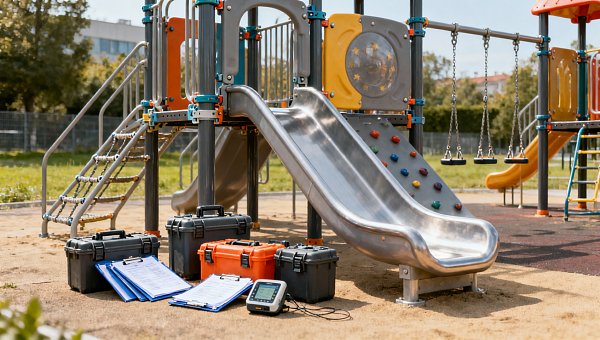
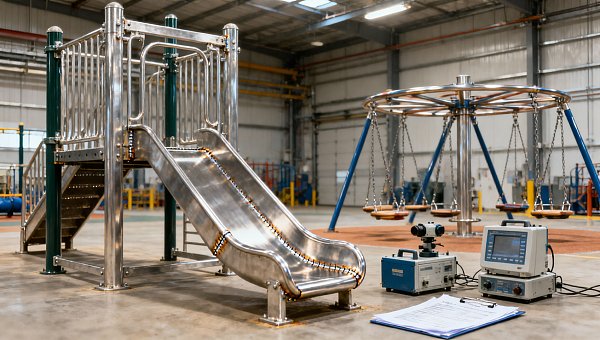
The draft requires importers to submit CHIRP reports covering eight key areas: structural strength testing records, lead/cadmium detection in surface coatings, pinch/shear point simulation analysis, and other safety assessments. The CPSC emphasized this measure aims to address recurring recalls of outdoor play structures, particularly those involving entrapment hazards or toxic material exposure. The policy is currently open for public comment until June 2026.
Industries Affected
1. Outdoor Play Equipment Manufacturers (OEM/ODM)
Chinese OEMs serving U.S. brands may face increased compliance costs. Analysis shows the requirement for full-chain testing capabilities (from raw materials to finished products) could accelerate industry consolidation, favoring larger suppliers with integrated labs.
2. U.S. Importers & Distributorstors
Importers must now allocate resources for pre-shipment documentation audits. The extended clearance timeline (estimated 15-30 additional days) may disrupt just-in-time inventory models common in seasonal product categories like backyard swing sets.
3. Testing & Certification Service Providersders
Demand for accredited third-party labs offering CPSC-recognized simulations (e.g., ASTM F1487-21 compliance testing) is expected to rise, particularly in China's Guangdong and Zhejiang manufacturing clusters.
Key Action Points for Businesses
1. Monitor Regulatory Finalization Timeline
Track the CPSC's comment period closure and final rule publication. Current drafts suggest phased implementation starting Q1 2027.
2. Audit Supply Chain Documentation Gaps
Prioritize suppliers capable of providing historical test records for:
- Dynamic load testing (per ASTM F1148)
- Heavy metal content analysis (CPSC-CH-E1003-09.1)
- Entanglement risk assessments
3. Evaluate Alternative Compliance Pathways
Consider leveraging existing certifications like ICCPSC (International Certification for Playground Safety Compliance) where applicable to reduce duplicate testing.
Industry Perspective
From an industry standpoint, this appears more than a procedural update—it reflects CPSC's strategic shift toward prevention rather than post-market recalls. Observers note three emerging patterns:
- The 'simulation analysis' requirement suggests regulators are prioritizing proactive hazard identification
- Smaller importers may struggle with the technical documentation demands, potentially reshaping U.S. distribution channels
- Chinese manufacturers with in-house testing facilities could gain negotiation leverage in OEM contracts
Conclusion
While the draft guidelines aim to enhance child safety, their operational impact extends across global supply chains. Businesses should interpret this as both a compliance challenge and an opportunity to differentiate through verifiable safety investments. The coming 12-18 months will be critical for aligning procurement strategies with the evolving regulatory landscape.
Source Information
Primary source: U.S. CPSC Notice #2026-4127 (March 24, 2026)
Pending clarification: Whether component-level test reports from sub-suppliers will be accepted in lieu of full-product testing.
Search News
Hot Articles
- Restaurant FurnitureFast-Casual Restaurant Interiors: Design Choices That Improve Speed and Guest FlowOct 04, 2026
- Outdoor RidesHow to Select Leisure Park Equipment for Safe, High-Throughput Visitor AreasOct 03, 2026
- Fashion & Gem JewelryDiamond Tester Wholesale: How to Vet Accuracy, Calibration, and MOQ Before OrderingOct 02, 2026
Popular Tags
Need ExpertConsultation?
Connect with our specialized leisureengineering team for procurementstrategies.
Recommended News
 Oct 03, 2026How to Select Leisure Park Equipment for Safe, High-Throughput Visitor AreasLeisure park equipment selection guide for safe, high-throughput venues—explore capacity, supervision, durability, accessibility, and supplier criteria.● Theme Park Strategist
 Sep 18, 2026What Drives Animatronic Dinosaur Manufacturer Prices for Theme Park Projects?Animatronic dinosaurs manufacturer price guide: compare motion, materials, controls, installation, and lifecycle costs to plan a durable theme park attraction.● Theme Park Strategist
 Sep 06, 2026Do Amusement Ride Safety Compliance Requirements Change Every Year?Do amusement safety compliance requirements change annually? Learn what really changes, from standards and inspections to permits, upgrades, and local approvals.● Theme Park Strategist
 Sep 02, 2026How Long Does It Take to Receive Full Safety Documents From an OEM?How long does it take to get full safety documentation from OEM partners? Discover realistic timelines, common delays, and practical steps to secure compliant files faster.● Theme Park Strategist
 Sep 03, 2026Designing Adventure Park Safety Systems for Zip Lines, Ropes Courses, and Daily InspectionsAdventure park safety systems: learn how to design safer zip lines and ropes courses with daily inspections, defect controls, rescue readiness, and staff training.● Theme Park Strategist
 Aug 22, 2026What to Look for When Choosing Three Seat Jet Skis for Rental or Resort UseThree seat jet skis for rental or resort use should balance stability, safety, maintenance, and guest comfort. Learn how to choose models that boost uptime and guest satisfaction.● Theme Park Strategist
 Aug 17, 2026What Parts Matter Most in a Roller Coaster and How Do They Affect Ride Safety?Roller coaster parts determine ride safety more than most riders realize. Explore how tracks, restraints, brakes, wheels, and control systems work together to protect every ride.● Theme Park Strategist
 Aug 15, 20262026 China Sports Expo Sees 45.74% More Overseas Pre-registered Buyers as POB Expands Procurement Matching2026 China Sports Expo boosts overseas pre-registered buyers by 45.74% as POB expands procurement matching for fitness, outdoor, and venue suppliers.● Theme Park Strategist
 Aug 14, 2026What Should Buyers Check Before Choosing a Flying Chair Ride Exporter?Flying chair ride exporter buyers should check safety, structure, export support, and spare parts before purchase to reduce risk and choose a reliable supplier.● Theme Park Strategist
 Aug 04, 2026EU Issues EN 1176-1:2026 for Playground SafetyEU Issues EN 1176-1:2026 for Playground Safety: learn how the new standard impacts Outdoor Rides, CE certification, inventory checks, and EU compliance before March 2027.● Theme Park Strategist
 Aug 03, 2026CPSC Adopts ASTM F1487-26 for Imported Outdoor RidesOutdoor Rides face a major U.S. compliance shift as CPSC adopts ASTM F1487-26. Learn the new certification, testing, and customs risks before November 1, 2026.● Theme Park Strategist
 Jul 26, 2026Revised EN 1176:2026 Triggers Re-Certification for Outdoor RidesOutdoor Rides face immediate EN 1176:2026 re-certification for new CE applications. Learn how testing, documentation, and EU market access rules now affect exports and delivery plans.● Theme Park Strategist
 Jul 21, 2026CPSC Recall Flags Structural Risk in Outdoor RidesCPSC recall flags structural risk in outdoor rides: learn how ASTM F1487-23 failures affect importers, distributors, and compliance teams across the U.S., Canada, and Australia.● Theme Park Strategist
 Jul 19, 2026How to Choose Outdoor Fitness Equipment for Parks Based on Users, Space, and BudgetOutdoor fitness equipment for parks: learn how to choose the right mix based on users, space, and budget to improve safety, usage, and long-term value.● Theme Park Strategist
 Jul 15, 2026Ocean Freight Spike Pressures Outdoor Rides ExportsOcean Freight Spike Pressures Outdoor Rides Exports as Shanghai-Rotterdam rates surge 42%. See how rising freight costs, delays, and rerouting risks could reshape Europe-bound delivery plans.● Theme Park Strategist
 Jul 14, 2026EN 1176 Revision Takes Effect for Outdoor Ride Weld TestingEN 1176 revision takes effect for outdoor ride weld testing from Sept 1, 2026. Learn ISO 5817 level B, third-party NDT report rules, and key EU compliance steps.● Theme Park Strategist
 Jul 12, 2026Vietnam Requires AI Anti-Collision Systems for Imported Outdoor RidesVietnam Requires AI Anti-Collision Systems for Imported Outdoor Rides from Sept. 15, 2026. Learn compliance rules, VAST certification needs, and how importers can avoid delays.● Theme Park Strategist
 Jul 11, 2026Vietnam Tightens Rules for Imported Outdoor RidesVietnam Tightens Rules for Imported Outdoor Rides: learn how Vietnam’s 2026 compliance update adds AI anti-collision, Vietnamese logs, and local maintenance duties for importers and manufacturers.● Theme Park Strategist
 Jul 09, 2026How to Evaluate a Lazy River Equipment Supplier for Safety, Flow Design, and MaintenanceLazy river equipment supplier selection affects safety, flow design, and maintenance costs. Learn what to compare, what to ask, and how to choose a reliable partner.● Theme Park Strategist
 Jul 08, 2026RCEP Update Cuts ASEAN Tariffs to Zero for Outdoor RidesRCEP update cuts ASEAN tariffs to zero for outdoor rides from China. Learn how FSC-CoC, PEFC traceability, and e-CO compliance affect exports, sourcing, and buyer decisions.● Theme Park Strategist
 Jul 07, 2026RCEP Guide Adds Dual Wood Traceability for Outdoor RidesOutdoor Rides exporters face a new RCEP traceability rule: dual FSC-CoC and PEFC-STS 2023 codes for wood components. See what changes before Oct. 1, 2026.● Theme Park Strategist
 Jul 06, 2026Vietnam Tightens RCEP Rules for Wooden Ride PartsVietnam Tightens RCEP Rules for Wooden Ride Parts: learn how FSC Chain-of-Custody and QR code requirements now affect outdoor rides, RCEP imports, and shipment compliance.● Theme Park Strategist
 Jul 06, 2026How to Evaluate a Bumper Cars on Ice Manufacturer for Safety, Capacity, and ROIBumper cars on ice manufacturer selection starts with safety, capacity, and ROI. Learn how to compare suppliers, reduce risk, and choose a partner built for long-term commercial success.● Theme Park Strategist
 Jul 04, 2026Electric Drift Bumper Cars vs Traditional Bumper Cars: Which Fits Your Venue Better?Electric drift bumper cars or traditional bumper cars? Compare installation, safety, maintenance, guest appeal, and ROI to choose the best fit for your venue.● Theme Park Strategist