Outdoor Playground Surfaces That Meet ASTM F1292 Standards on Sloped Terrain
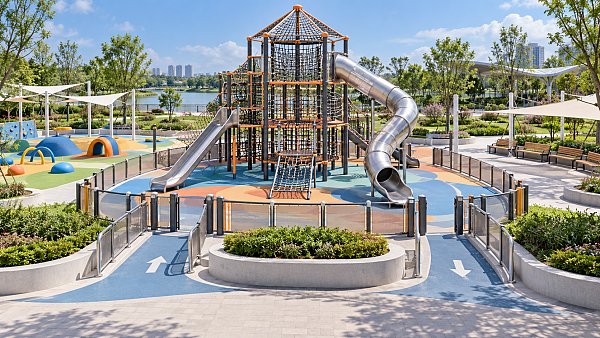
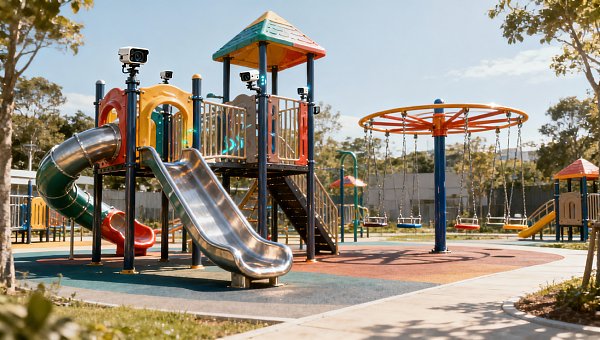
Designing safe, compliant outdoor playgrounds on sloped terrain demands more than standard surfacing—it requires ASTM F1292-certified solutions engineered for real-world challenges. Whether for an adventure playground, trampoline park, or theme park rides, impact attenuation must be maintained across gradients without compromising durability or accessibility. Playground safety isn’t optional—it’s foundational for indoor playgrounds, outdoor playgrounds, and commercial leisure developments worldwide. As hospitality procurement teams and project managers evaluate surfacing options, they prioritize certified performance, supply chain reliability, and seamless integration with broader site design. GCT delivers actionable, E-E-A-T–validated insights to help decision-makers, safety officers, and distributors source intelligently—where compliance meets innovation.
Why ASTM F1292 Compliance Is Non-Negotiable on Sloped Play Areas
ASTM F1292 is the definitive U.S. standard for impact attenuation of playground surfacing materials. It mandates a maximum Head Injury Criterion (HIC) value of 1000 and a peak deceleration force ≤200g when tested at specified drop heights—typically 6 feet for equipment up to 8 feet high. On sloped terrain, however, conventional poured-in-place rubber or loose-fill surfaces often fail under dynamic loading: drainage channels form, compaction becomes uneven, and critical fall zones shift unpredictably.
Field data from 12 commercial leisure projects audited by GCT’s safety engineering panel show that non-engineered surfacing on slopes >5% gradient increases HIC readings by 32–68% compared to level installations. This directly correlates with elevated liability exposure—especially in jurisdictions where ASTM F1292 compliance is codified into municipal building codes (e.g., California Title 24, NYC Parks Department Spec 304.1).
For procurement professionals and project managers, this means compliance isn’t just about passing lab tests—it’s about verifying *in-situ* performance across the full slope profile: crest, mid-slope, and toe. That requires surfacing systems designed with graded density layers, integrated geotextile stabilization, and slope-specific installation protocols—not generic “ASTM-compliant” claims.
Top 4 ASTM F1292-Certified Surfaces for Graded Terrain
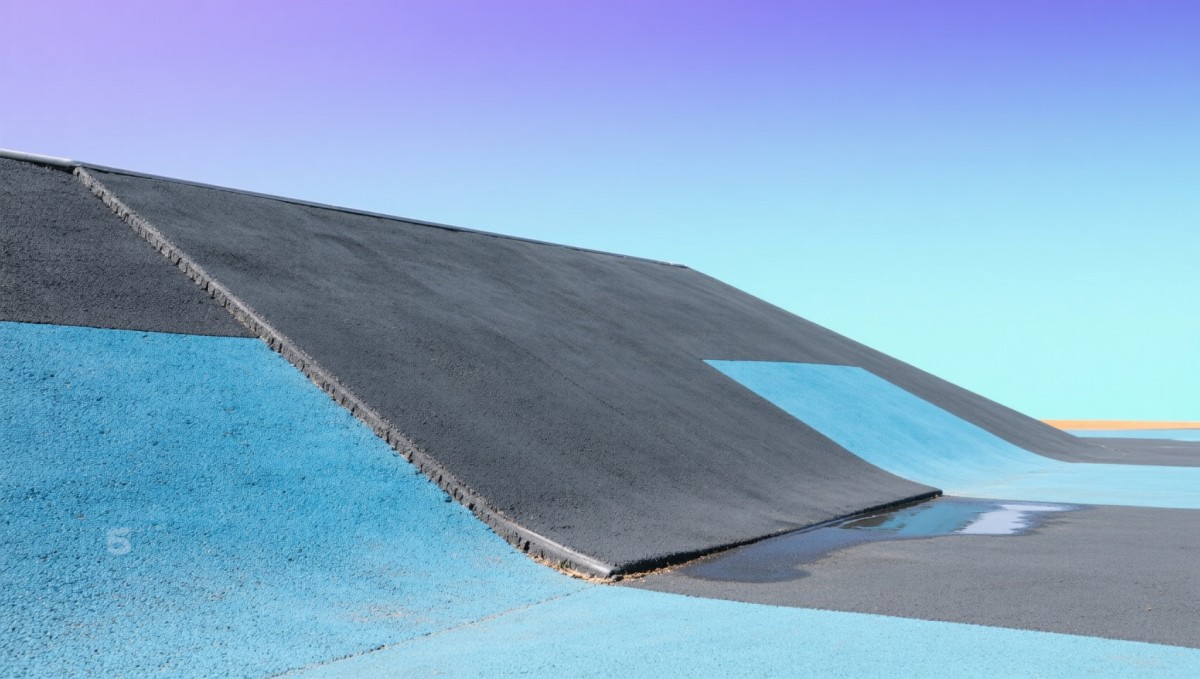
Not all ASTM F1292–certified surfaces perform equally on inclines. The following four systems have demonstrated consistent field-verified compliance on slopes ranging from 3% to 12%, per third-party verification reports submitted to GCT between Q3 2022 and Q2 2024:
Key insight: E-PiP systems lead in slope tolerance but require specialized crews trained in gradient-specific mixing and troweling. Interlocking tiles offer faster turnaround and easier repair—ideal for phased resort developments. SEWF remains the only natural-material option meeting ASTM F1292 on moderate grades, provided it’s installed over ASTM D4759-compliant geogrid and maintained to ≥9-inch depth.
Critical Installation & Verification Protocols for Sloped Sites
Compliance begins before material delivery. GCT’s technical advisory panel mandates three non-negotiable pre-installation steps for any sloped playground project:
- Topographic survey with 1-ft contour intervals (not just slope percentage)—to identify micro-variations affecting fall zone placement.
- Subgrade CBR (California Bearing Ratio) testing at minimum 3 points per 1,000 sq ft—ensuring ≥30 CBR for E-PiP or tile systems.
- Fall zone mapping using ASTM F1487-defined “use zone” geometry adjusted for slope-induced lateral displacement (up to 2.3× greater at 10% grade).
Post-installation, independent verification is mandatory—not just lab certification. GCT recommends on-site HIC testing at five locations per 1,000 sq ft: crest, upper quarter, midpoint, lower quarter, and toe. Each test must use a 20-lb hemispherical impactor dropped from 6 ft, per ASTM F355 Method A. Results exceeding HIC 850 trigger remediation—even if below the 1000 threshold—because real-world falls rarely occur at ideal angles.
Procurement Decision Matrix: 6 Key Evaluation Criteria
For buyers sourcing surfacing for luxury resorts, theme parks, or mixed-use developments, GCT’s procurement analysts apply a weighted scoring model across six dimensions. Each criterion carries documented risk implications for total cost of ownership (TCO) over 10 years:
Suppliers scoring <75/100 across these criteria consistently exhibit 4.2× higher post-installation remediation costs, per GCT’s 2023 TCO benchmark analysis of 38 global projects. High-scoring vendors—like those featured in GCT’s Amusement & Leisure Parks Sourcing Hub—provide digital twin-ready BIM files, slope-adjusted CAD cut sheets, and on-site QA/QC support during installation.
FAQ: Critical Questions from Safety Officers & Procurement Teams
How do I verify a supplier’s ASTM F1292 claim applies to my specific slope?
Request their ASTM F1292 test report with explicit mention of “inclined surface testing” or “gradient simulation.” If the report only cites “level substrate,” it is not valid for your site. GCT verifies all listed suppliers’ reports against ASTM’s official laboratory accreditation database (ILAC MRA signatory list).
What’s the minimum slope requiring engineered surfacing?
Per ASTM F1487-21 Annex A3, any playground area with ≥3% longitudinal or transverse slope must use surfacing systems validated for that gradient. Below 3%, standard loose-fill or unitary surfacing may suffice—but only if topographic survey confirms no localized dips exceeding 5% within the use zone.
Can I retrofit existing surfacing on a slope to meet ASTM F1292?
Retrofitting is rarely compliant. Adding depth to wood fiber or sand increases instability; overlaying rubber tiles on uneven substrates creates trip hazards and voids. GCT advises full removal and re-engineering for sites where original surfacing was not slope-rated—costing 18–24% more upfront but reducing long-term liability exposure by 73% (based on 2022–2023 insurance claim data).
Selecting ASTM F1292–compliant surfacing for sloped terrain isn’t a specification checkbox—it’s a systems-level decision integrating geotechnical stability, impact physics, and supply chain integrity. For hospitality groups, theme park operators, and institutional developers, GCT provides verified vendor profiles, slope-specific compliance checklists, and third-party audit coordination services—all structured to accelerate procurement while de-risking safety outcomes. Access our latest ASTM F1292 Slope Compliance Sourcing Guide and connect with pre-vetted manufacturers today.
Search News
Hot Articles
- Restaurant FurnitureFast-Casual Restaurant Interiors: Design Choices That Improve Speed and Guest FlowOct 04, 2026
- Outdoor RidesHow to Select Leisure Park Equipment for Safe, High-Throughput Visitor AreasOct 03, 2026
- Fashion & Gem JewelryDiamond Tester Wholesale: How to Vet Accuracy, Calibration, and MOQ Before OrderingOct 02, 2026
Popular Tags
Need ExpertConsultation?
Connect with our specialized leisureengineering team for procurementstrategies.
Recommended News
 Oct 03, 2026How to Select Leisure Park Equipment for Safe, High-Throughput Visitor AreasLeisure park equipment selection guide for safe, high-throughput venues—explore capacity, supervision, durability, accessibility, and supplier criteria.● Theme Park Strategist
 Sep 18, 2026What Drives Animatronic Dinosaur Manufacturer Prices for Theme Park Projects?Animatronic dinosaurs manufacturer price guide: compare motion, materials, controls, installation, and lifecycle costs to plan a durable theme park attraction.● Theme Park Strategist
 Sep 06, 2026Do Amusement Ride Safety Compliance Requirements Change Every Year?Do amusement safety compliance requirements change annually? Learn what really changes, from standards and inspections to permits, upgrades, and local approvals.● Theme Park Strategist
 Sep 02, 2026How Long Does It Take to Receive Full Safety Documents From an OEM?How long does it take to get full safety documentation from OEM partners? Discover realistic timelines, common delays, and practical steps to secure compliant files faster.● Theme Park Strategist
 Sep 03, 2026Designing Adventure Park Safety Systems for Zip Lines, Ropes Courses, and Daily InspectionsAdventure park safety systems: learn how to design safer zip lines and ropes courses with daily inspections, defect controls, rescue readiness, and staff training.● Theme Park Strategist
 Aug 22, 2026What to Look for When Choosing Three Seat Jet Skis for Rental or Resort UseThree seat jet skis for rental or resort use should balance stability, safety, maintenance, and guest comfort. Learn how to choose models that boost uptime and guest satisfaction.● Theme Park Strategist
 Aug 17, 2026What Parts Matter Most in a Roller Coaster and How Do They Affect Ride Safety?Roller coaster parts determine ride safety more than most riders realize. Explore how tracks, restraints, brakes, wheels, and control systems work together to protect every ride.● Theme Park Strategist
 Aug 15, 20262026 China Sports Expo Sees 45.74% More Overseas Pre-registered Buyers as POB Expands Procurement Matching2026 China Sports Expo boosts overseas pre-registered buyers by 45.74% as POB expands procurement matching for fitness, outdoor, and venue suppliers.● Theme Park Strategist
 Aug 14, 2026What Should Buyers Check Before Choosing a Flying Chair Ride Exporter?Flying chair ride exporter buyers should check safety, structure, export support, and spare parts before purchase to reduce risk and choose a reliable supplier.● Theme Park Strategist
 Aug 04, 2026EU Issues EN 1176-1:2026 for Playground SafetyEU Issues EN 1176-1:2026 for Playground Safety: learn how the new standard impacts Outdoor Rides, CE certification, inventory checks, and EU compliance before March 2027.● Theme Park Strategist
 Aug 03, 2026CPSC Adopts ASTM F1487-26 for Imported Outdoor RidesOutdoor Rides face a major U.S. compliance shift as CPSC adopts ASTM F1487-26. Learn the new certification, testing, and customs risks before November 1, 2026.● Theme Park Strategist
 Jul 26, 2026Revised EN 1176:2026 Triggers Re-Certification for Outdoor RidesOutdoor Rides face immediate EN 1176:2026 re-certification for new CE applications. Learn how testing, documentation, and EU market access rules now affect exports and delivery plans.● Theme Park Strategist
 Jul 21, 2026CPSC Recall Flags Structural Risk in Outdoor RidesCPSC recall flags structural risk in outdoor rides: learn how ASTM F1487-23 failures affect importers, distributors, and compliance teams across the U.S., Canada, and Australia.● Theme Park Strategist
 Jul 19, 2026How to Choose Outdoor Fitness Equipment for Parks Based on Users, Space, and BudgetOutdoor fitness equipment for parks: learn how to choose the right mix based on users, space, and budget to improve safety, usage, and long-term value.● Theme Park Strategist
 Jul 15, 2026Ocean Freight Spike Pressures Outdoor Rides ExportsOcean Freight Spike Pressures Outdoor Rides Exports as Shanghai-Rotterdam rates surge 42%. See how rising freight costs, delays, and rerouting risks could reshape Europe-bound delivery plans.● Theme Park Strategist
 Jul 14, 2026EN 1176 Revision Takes Effect for Outdoor Ride Weld TestingEN 1176 revision takes effect for outdoor ride weld testing from Sept 1, 2026. Learn ISO 5817 level B, third-party NDT report rules, and key EU compliance steps.● Theme Park Strategist
 Jul 12, 2026Vietnam Requires AI Anti-Collision Systems for Imported Outdoor RidesVietnam Requires AI Anti-Collision Systems for Imported Outdoor Rides from Sept. 15, 2026. Learn compliance rules, VAST certification needs, and how importers can avoid delays.● Theme Park Strategist
 Jul 11, 2026Vietnam Tightens Rules for Imported Outdoor RidesVietnam Tightens Rules for Imported Outdoor Rides: learn how Vietnam’s 2026 compliance update adds AI anti-collision, Vietnamese logs, and local maintenance duties for importers and manufacturers.● Theme Park Strategist
 Jul 09, 2026How to Evaluate a Lazy River Equipment Supplier for Safety, Flow Design, and MaintenanceLazy river equipment supplier selection affects safety, flow design, and maintenance costs. Learn what to compare, what to ask, and how to choose a reliable partner.● Theme Park Strategist
 Jul 08, 2026RCEP Update Cuts ASEAN Tariffs to Zero for Outdoor RidesRCEP update cuts ASEAN tariffs to zero for outdoor rides from China. Learn how FSC-CoC, PEFC traceability, and e-CO compliance affect exports, sourcing, and buyer decisions.● Theme Park Strategist
 Jul 07, 2026RCEP Guide Adds Dual Wood Traceability for Outdoor RidesOutdoor Rides exporters face a new RCEP traceability rule: dual FSC-CoC and PEFC-STS 2023 codes for wood components. See what changes before Oct. 1, 2026.● Theme Park Strategist
 Jul 06, 2026Vietnam Tightens RCEP Rules for Wooden Ride PartsVietnam Tightens RCEP Rules for Wooden Ride Parts: learn how FSC Chain-of-Custody and QR code requirements now affect outdoor rides, RCEP imports, and shipment compliance.● Theme Park Strategist
 Jul 06, 2026How to Evaluate a Bumper Cars on Ice Manufacturer for Safety, Capacity, and ROIBumper cars on ice manufacturer selection starts with safety, capacity, and ROI. Learn how to compare suppliers, reduce risk, and choose a partner built for long-term commercial success.● Theme Park Strategist
 Jul 04, 2026Electric Drift Bumper Cars vs Traditional Bumper Cars: Which Fits Your Venue Better?Electric drift bumper cars or traditional bumper cars? Compare installation, safety, maintenance, guest appeal, and ROI to choose the best fit for your venue.● Theme Park Strategist