2026 National Rhythmic Gymnastics Championships in Chengdu Feature Export-Ready Smart Flooring & Lighting
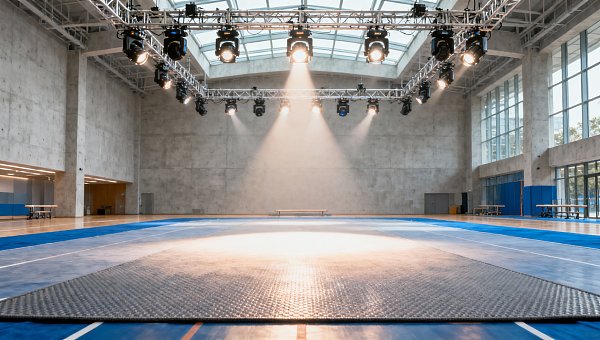
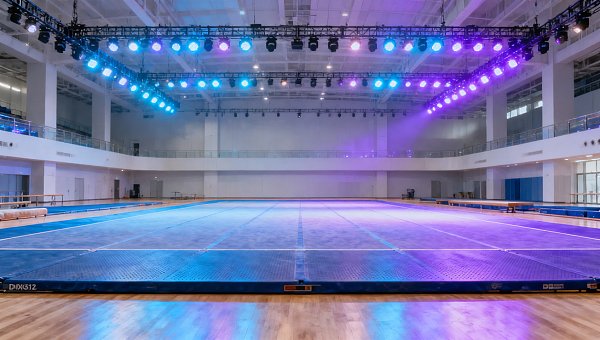
On May 9, 2026, the National Rhythmic Gymnastics Championships opened at Dong’an Lake Sports Park in Chengdu, deploying domestically developed AI-powered pressure-sensitive carpeting and DMX512+RDM dual-protocol stage lighting systems. The integrated solution has attracted procurement intent from Singapore’s Marina Bay Sands and Abu Dhabi’s ADNEC Centre — both requiring suppliers to hold ISO 20121 Sustainable Event Management System certification. This development signals emerging demand for certified smart venue infrastructure across high-end performing arts venues in Southeast Asia and the Middle East, warranting attention from trade integrators, lighting system manufacturers, sustainability compliance service providers, and venue technology distributors.
Event Overview
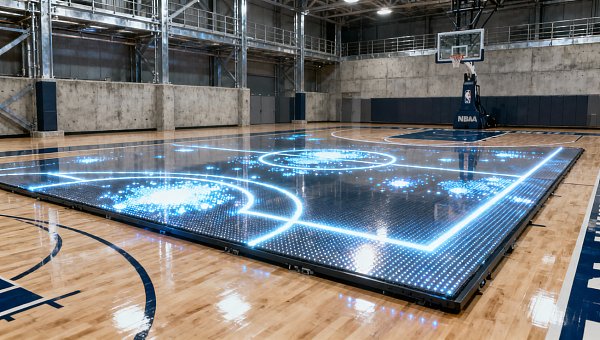
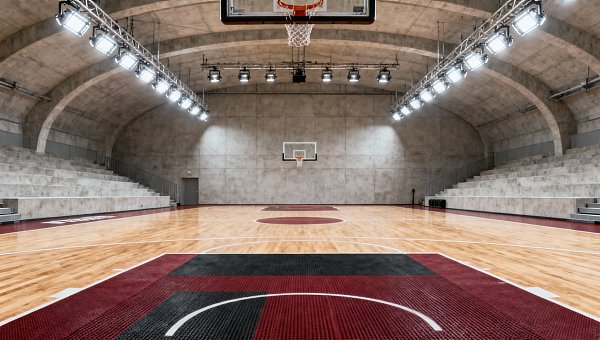
The 2026 National Rhythmic Gymnastics Championships commenced on May 9, 2026, at Dong’an Lake Sports Park in Chengdu. The event utilized a domestically produced AI voice-controlled pressure-sensing carpet capable of real-time detection of footstep pressure distribution and rhythmic deviation, alongside a DMX512+RDM dual-protocol stage lighting control system. A joint supply package comprising these two technologies has received formal procurement intent from Marina Bay Sands (Singapore) and ADNEC Centre (Abu Dhabi). Both international venues require suppliers to demonstrate compliance with ISO 20121. Three Chinese system integrators are currently accelerating their acquisition of ISO 20121 certification, with mass deliveries to premium performing arts venues in the Middle East and Southeast Asia scheduled to begin in Q3 2026.
Industries Affected by This Development
System Integrators & Venue Technology Suppliers
These firms are directly engaged in bundling hardware (e.g., sensor carpets, lighting controllers) with software logic and certification readiness. The procurement intent from Marina Bay Sands and ADNEC indicates growing buyer expectations for turnkey solutions validated under internationally recognized sustainability standards — not just technical performance. Impact manifests in increased demand for integrated compliance documentation, cross-functional project management, and pre-certification verification support.
Stage Lighting Hardware Manufacturers (DMX512/RDM-Compatible)
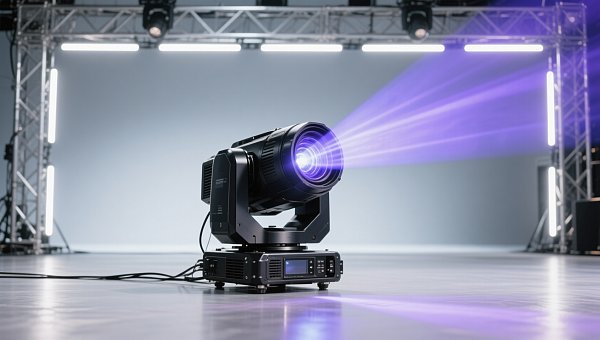
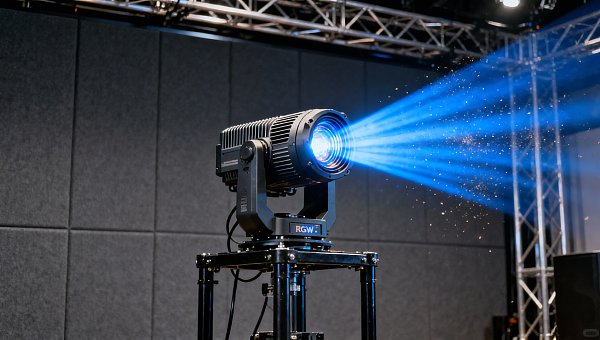
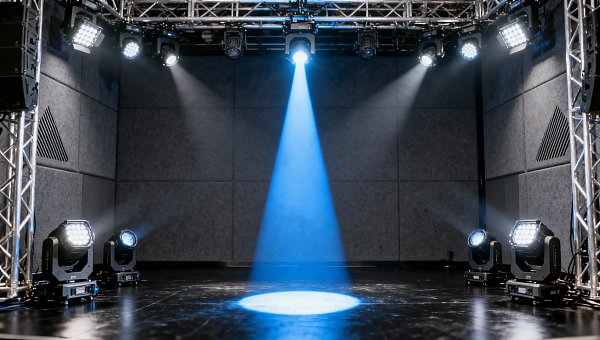
Manufacturers producing lighting consoles, dimmers, or intelligent fixtures compliant with both DMX512 and RDM protocols now face heightened relevance in export-oriented tender processes. The specification of ‘DMX512+RDM dual protocol’ as a functional requirement — rather than an optional feature — suggests that bid eligibility for premium regional venues may increasingly hinge on verifiable interoperability and remote device management capability.
Sustainability Certification Service Providers
Third-party auditors and consultants offering ISO 20121 implementation support are seeing rising inquiry volume from Chinese integrators preparing for Q3 2026 delivery timelines. Unlike product certifications, ISO 20121 applies to organizational processes — requiring documented policies, stakeholder engagement plans, and impact measurement frameworks. Demand is shifting toward providers with experience in venue operations and international event logistics.
Export Logistics & Technical Documentation Specialists
Firms supporting cross-border deployment of intelligent venue systems must now accommodate dual-layer documentation: technical specifications (e.g., latency thresholds, calibration reports) and sustainability process evidence (e.g., waste diversion logs, energy usage baselines per event cycle). Customs classification, CE/UKCA marking alignment, and Arabic/English bilingual operational manuals are becoming baseline requirements for Middle Eastern tenders.
Key Considerations and Recommended Actions for Stakeholders
Monitor official certification progress of the three named integrators
Public updates on ISO 20121 audit outcomes — particularly first-party declarations versus third-party accredited certification — will clarify whether current procurement intent translates into binding contracts. Stakeholders should track announcements from China’s Certification and Accreditation Administration (CNCA) and accredited bodies such as CQC or SGS China.
Verify protocol conformance claims before quoting for export projects
‘DMX512+RDM dual protocol’ is not a standardized product label but a functional integration requirement. Firms should request test reports confirming RDM-compliant device discovery, parameter readback, and firmware update capabilities — especially for lighting control nodes embedded in smart flooring subsystems.
Distinguish between sustainability certification as a tender prerequisite versus a post-delivery compliance condition
The ADNEC and Marina Bay Sands procurement intent references ISO 20121 as a supplier requirement, but does not specify whether certification must be held prior to bid submission, contract award, or system commissioning. Companies should review tender language carefully: early-stage certification may confer bidding advantage; late-stage certification may only trigger contractual penalties.
Prepare modular documentation packages aligned with venue operator workflows
Venue operators — not just integrators — are now responsible for maintaining ISO 20121 compliance across events. Suppliers should develop ready-to-deploy documentation modules (e.g., ‘Energy Monitoring Protocol for Intelligent Flooring’, ‘Lighting System Decommissioning Checklist’) that integrate into venue-level sustainability reporting systems, rather than delivering standalone technical manuals.
Editorial Perspective / Industry Observation
This development is best understood as an early signal — not yet a market shift — of institutionalized sustainability criteria entering technical procurement for intelligent venue infrastructure. Analysis shows that the linkage between competitive domestic sports event deployment and verified export readiness remains narrow: only three integrators are confirmed to be pursuing ISO 20121, and no delivery contracts have been publicly announced. Observably, the emphasis lies less on novel hardware innovation and more on packaging existing technologies (pressure-sensing carpet, dual-protocol lighting control) within internationally recognized management frameworks. From an industry perspective, this reflects a broader trend where technical differentiation is increasingly mediated through process certification — especially in markets where public-sector procurement rules or venue operator ESG mandates constrain purchasing flexibility.
Concluding, this event highlights a tightening alignment between domestic large-scale sports event infrastructure standards and export-oriented certification pathways — particularly for integrated smart venue subsystems. It does not indicate broad-based adoption of ISO 20121 across the global venue tech supply chain, nor does it confirm scalability beyond high-profile, capital-intensive venues. Instead, it signals that certification-readiness is evolving from a voluntary differentiator into a threshold requirement for specific high-value export opportunities. Current stakeholders are advised to treat this as a targeted, near-term signal — not a systemic industry inflection point — and prioritize actionable preparation over strategic repositioning.
Source: Official announcement of the 2026 National Rhythmic Gymnastics Championships; public statements regarding procurement intent from Marina Bay Sands and ADNEC Centre; disclosed timeline for ISO 20121 certification pursuit by three unnamed Chinese integrators. Note: Certification status, final contract awards, and delivery volumes remain unconfirmed and are subject to ongoing verification.
Search News
Hot Articles
- Stage Lighting & Truss2026 National Rhythmic Gymnastics Championships in Chengdu Feature Export-Ready Smart Flooring & LightingMay 10, 2026
- Stage Lighting & Truss2026 Inner Mongolia Football Super League Kicks Off May 15; LED Stadium Lighting Export Inquiries Up 28%May 10, 2026
- Pro Stage AudioChinese Volleyball Team Starts Smart Training in Zhangzhou Ahead of Paris OlympicsMay 10, 2026
Popular Tags
Need ExpertConsultation?
Connect with our specialized leisureengineering team for procurementstrategies.
Recommended News
 May 10, 20262026 National Rhythmic Gymnastics Championships in Chengdu Feature Export-Ready Smart Flooring & LightingSmart flooring & lighting from Chengdu’s 2026 National Rhythmic Gymnastics Championships attract global buyers — ISO 20121-certified, export-ready.● Pro Audio Engineer
 May 10, 20262026 Inner Mongolia Football Super League Kicks Off May 15; LED Stadium Lighting Export Inquiries Up 28%LED stadium lighting export inquiries surge 28% amid 2026 Inner Mongolia Football Super League kickoff—cold-climate, IP66-rated solutions in high demand across Central Asia.● Pro Audio Engineer
 May 10, 2026Mandarin Laser Incident Triggers Global IEC 62471 ReassessmentIEC 62471:2023 Ed.3 reassessment triggered by Mandarin laser incident—urgent compliance guidance for stage lighting exporters, importers & labs.● Pro Audio Engineer
 May 09, 20262026 National Rhythmic Gymnastics Championships in Chengdu Feature Export-Ready Smart Flooring & Lighting2026 National Rhythmic Gymnastics Championships in Chengdu showcase export-ready smart flooring & lighting—FIG-provisionally certified, attracting global buyers from Brazil, Mexico, Egypt.● Pro Audio Engineer
 May 09, 2026Laser Incident at Cyndi Wang Concert Triggers Global IEC 62471 ReassessmentLaser incident at Cyndi Wang concert triggers urgent IEC 62471:2023 compliance actions for stage lighting exporters—act now to secure CE certification and Q3 shipments.● Pro Audio Engineer
 May 09, 2026NBA to Adopt New LED Interactive Court Flooring in 2026–27 SeasonNBA to adopt new LED interactive court flooring in 2026–27 — a game-changing upgrade for venues, manufacturers & global suppliers. Discover compliance insights & opportunities.● Pro Audio Engineer
 May 08, 2026Mandarin Pop Concert Laser Incident Triggers Global IEC 62471 ReassessmentIEC 62471:2022 compliance is now critical for stage lighting exporters after the Mandarin pop concert laser incident — act fast to secure EU, ASEAN & GCC market access.● Pro Audio Engineer
 May 07, 2026FIBA 2026 Arena Guidelines: LED Lighting & Acoustic Flooring Now MandatoryFIBA 2026 Arena Guidelines now mandate LED lighting (U1 ≥ 0.8) and acoustic flooring (Ln,w ≤ 55 dB) for top-tier venues—key for global suppliers, contractors & certifiers.● Pro Audio Engineer
 May 07, 2026China PR Men's Team Invited to 2026 ASEAN Cup: Implications for Stadium Tech ExportStadium tech exporters: China PR’s 2026 ASEAN Cup entry triggers urgent demand for AFC 2025-compliant lighting, acoustics & accessibility solutions across Southeast Asia.● Pro Audio Engineer
 May 07, 2026NBA Adopts New LED Interactive Court Floors for 2026–27 SeasonNBA adopts LED interactive court floors for 2026–27 season — discover how IEEE 1901.2a compliance, sub-50ms response, and certified Chinese suppliers reshape smart sports infrastructure.● Pro Audio Engineer
 May 07, 2026FIBA 2026 Arena Guidelines: LED Lighting & Acoustic Flooring Now MandatoryFIBA 2026 Arena Guidelines now mandate LED lighting (U1 ≥ 0.8) and acoustic flooring (Ln,w ≤ 55 dB) for top-tier venues—key for global suppliers, contractors & certifiers.● Pro Audio Engineer
 May 07, 2026China PR Men's Team Invited to 2026 ASEAN Cup: Implications for Stadium Tech ExportStadium tech exporters: China PR’s 2026 ASEAN Cup entry triggers urgent demand for AFC 2025-compliant lighting, acoustics & accessibility solutions across Southeast Asia.● Pro Audio Engineer
 May 07, 2026NBA Adopts New LED Interactive Court Floors for 2026–27 SeasonNBA adopts LED interactive court floors for 2026–27 season — discover how IEEE 1901.2a compliance, sub-50ms response, and certified Chinese suppliers reshape smart sports infrastructure.● Pro Audio Engineer
 May 07, 2026FIBA 2026 Arena Guidelines: LED Lighting & Acoustic Flooring Now MandatoryFIBA 2026 Arena Guidelines now mandate LED lighting (U1 ≥ 0.8) and acoustic flooring (Ln,w ≤ 55 dB) for top-tier venues—key for global suppliers, contractors & certifiers.● Pro Audio Engineer
 May 07, 2026China PR Men's Team Invited to 2026 ASEAN Cup: Implications for Stadium Tech ExportStadium tech exporters: China PR’s 2026 ASEAN Cup entry triggers urgent demand for AFC 2025-compliant lighting, acoustics & accessibility solutions across Southeast Asia.● Pro Audio Engineer
 May 07, 2026NBA Adopts New LED Interactive Court Floors for 2026–27 SeasonNBA adopts LED interactive court floors for 2026–27 season — discover how IEEE 1901.2a compliance, sub-50ms response, and certified Chinese suppliers reshape smart sports infrastructure.● Pro Audio Engineer
 May 07, 2026FIBA 2026 Arena Guidelines: LED Lighting & Acoustic Flooring Now MandatoryFIBA 2026 Arena Guidelines now mandate LED lighting (U1 ≥ 0.8) and acoustic flooring (Ln,w ≤ 55 dB) for top-tier venues—key for global suppliers, contractors & certifiers.● Pro Audio Engineer
 May 07, 2026China PR Men's Team Invited to 2026 ASEAN Cup: Implications for Stadium Tech ExportStadium tech exporters: China PR’s 2026 ASEAN Cup entry triggers urgent demand for AFC 2025-compliant lighting, acoustics & accessibility solutions across Southeast Asia.● Pro Audio Engineer
 May 07, 2026NBA Adopts New LED Interactive Court Floors for 2026–27 SeasonNBA adopts LED interactive court floors for 2026–27 season — discover how IEEE 1901.2a compliance, sub-50ms response, and certified Chinese suppliers reshape smart sports infrastructure.● Pro Audio Engineer
 May 07, 2026FIBA 2026 Arena Guidelines: LED Lighting & Acoustic Flooring Now MandatoryFIBA 2026 Arena Guidelines now mandate LED lighting (U1 ≥ 0.8) and acoustic flooring (Ln,w ≤ 55 dB) for top-tier venues—key for global suppliers, contractors & certifiers.● Pro Audio Engineer
 May 07, 2026China PR Men's Team Invited to 2026 ASEAN Cup: Implications for Stadium Tech ExportStadium tech exporters: China PR’s 2026 ASEAN Cup entry triggers urgent demand for AFC 2025-compliant lighting, acoustics & accessibility solutions across Southeast Asia.● Pro Audio Engineer
 May 07, 2026NBA Adopts New LED Interactive Court Floors for 2026–27 SeasonNBA adopts LED interactive court floors for 2026–27 season — discover how IEEE 1901.2a compliance, sub-50ms response, and certified Chinese suppliers reshape smart sports infrastructure.● Pro Audio Engineer
 May 05, 2026NBA to Deploy LED Interactive Court System in 2026–27 SeasonNBA LED interactive court system launch in 2026–27: Real-time AR, player tracking & audience lighting—key opportunity for UL 8750/ANSI E1.17-compliant LED floor tile ODMs.● Pro Audio Engineer
 May 02, 20262026 Hangzhou Basketball Friendly Spurs LED Screen Demand2026 Hangzhou Basketball Friendly Spurs LED Screen Demand: Urgent global need for P2.5 smart-court displays & player-tracking modules—act now amid MBI5252E IC shortage.● Pro Audio Engineer