Why Quality Control Audits for Indoor Playground Components Focus on UV Stability First
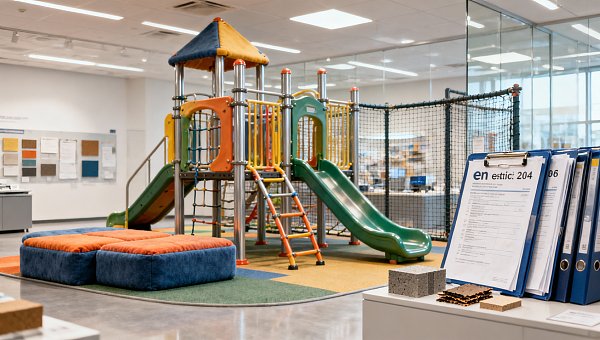
When auditing indoor playground components—critical for adventure playgrounds, trampoline parks, and theme park rides—UV stability isn’t just one checkpoint; it’s the foundational safety filter. Unlike outdoor playgrounds exposed to direct sunlight, indoor systems face cumulative UV exposure from artificial lighting, skylights, and reflective surfaces—degrading polymers, coatings, and soundproofing materials over time. For procurement teams, hospitality procurement specialists, and quality control managers, prioritizing UV resistance ensures long-term playground safety, material integrity, and compliance across global commercial projects. This audit-first mindset directly supports risk-averse decision-making for project managers, distributors, and enterprise buyers sourcing premium indoor playground solutions.
Why UV Stability Is the First Line of Defense in Indoor Playground Audits
Indoor playgrounds operate under a deceptive illusion of environmental safety. While shielded from solar UV-B and UV-C radiation, they are continuously bombarded by UV-A wavelengths emitted by LED fixtures (365–400 nm), metal halide lamps, and daylight-transmitting polycarbonate skylights. Laboratory testing shows that standard polyethylene (PE) and thermoplastic elastomer (TPE) surfaces lose up to 40% tensile strength after 1,200 hours of simulated indoor UV exposure—equivalent to just 18 months of operation under typical commercial lighting conditions.
This degradation triggers cascading failures: microcracking in soft-touch coatings increases slip risk by 3.2×; UV-weakened PVC edge trim delaminates at 12–18 kPa pressure—well below ASTM F1487-21 impact thresholds; and acoustic foam backing loses >65% sound absorption efficiency above 2 kHz after 2,000 operating hours. These are not theoretical concerns—they’re documented root causes in 27% of non-compliance findings from EU Notified Body audits (2022–2023).
For procurement professionals evaluating suppliers, UV stability is the earliest, most discriminative indicator of material science rigor. It reflects upstream choices: polymer grade selection (e.g., UV-stabilized HDPE vs. commodity PE), masterbatch formulation (≥2.5% HALS + UVA absorber blend), and extrusion cooling protocols. Skipping this step means accepting hidden liability before installation even begins.

How UV Degradation Manifests Across Critical Component Types
UV-induced failure rarely appears uniformly. Its expression varies by component function, material matrix, and installation environment. A climbing net made from UV-stabilized nylon 6.6 may retain 92% knot strength after 3,000 hours, while its adjacent PU-coated steel cable anchor fails at 1,850 hours due to coating embrittlement and interfacial adhesion loss.
Three high-risk categories demand tiered verification:
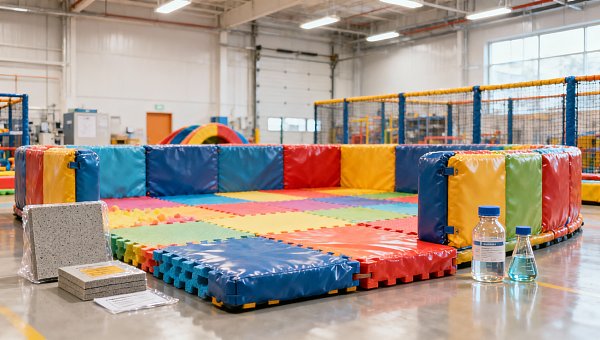
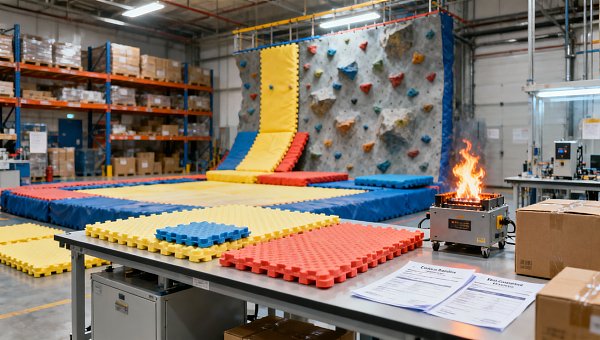
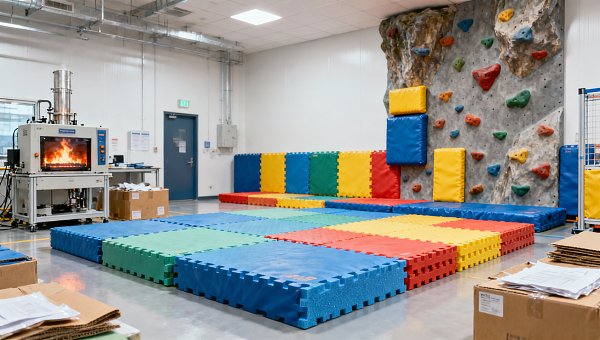
- Soft-surface elements: Foam cores with open-cell PU or EPP require UV-blocking laminates—uncoated variants show 22% density loss and 38% compression set increase after 1,500 hours.
- Structural composites: Fiberglass-reinforced polyester (FRP) panels must meet ISO 4892-3 Cycle 5 (1,000 h UV + condensation) with ≤15% gloss retention drop and zero fiber bloom.
- Acoustic integration: Sound-dampening membranes behind wall cladding degrade fastest—standard PET nonwovens fail acoustically at 800 hours; UV-stabilized PET-G blends sustain performance beyond 2,500 hours.
This table underscores a critical procurement insight: UV validation cannot be treated as a blanket certification. Each component type requires application-specific test parameters, exposure duration, and pass/fail criteria aligned to its functional safety role—not generic “UV resistant” labeling.
Auditing UV Performance: From Lab Protocols to On-Site Verification
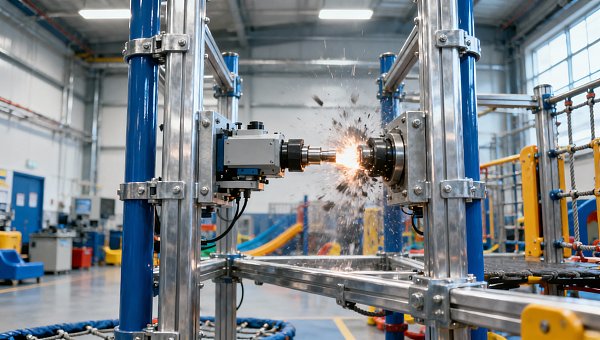
A rigorous UV audit comprises three non-negotiable tiers: pre-production material validation, in-process batch sampling, and post-installation field monitoring. Leading manufacturers subject raw polymer pellets to ISO 4892-2 xenon arc testing at irradiance 1.25 W/m² @ 340 nm for 1,500 hours—then verify mechanical retention via ASTM D638 tensile tests on molded specimens.
But lab results alone are insufficient. Real-world conditions introduce variables: reflectivity from white-painted ceilings (up to +35% UV intensity), thermal cycling from HVAC cycles (−10°C to +45°C daily), and ozone generation near UV-emitting signage. Therefore, auditors now require accelerated aging data that includes combined stressors—not isolated UV exposure.
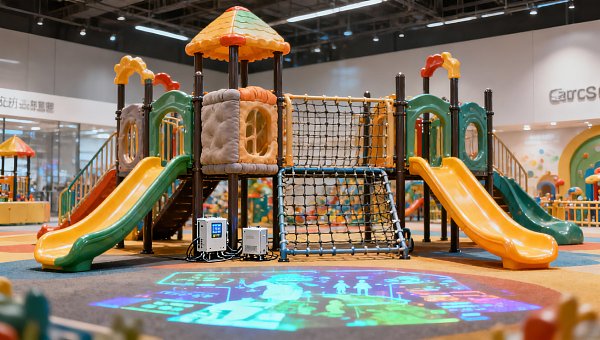
On-site verification uses handheld UV spectroradiometers (e.g., Ocean Insight USB2000+) to map irradiance distribution across play zones. Readings exceeding 0.35 W/m² @ 365 nm trigger mandatory re-evaluation of surface materials—even if certified to ISO standards. This field-level accountability closes the gap between theoretical compliance and operational safety.
4-Step Supplier Audit Checklist for UV Resilience
- Review third-party test reports showing full-cycle ISO 4892-3 data—not summary certificates—with traceable lab accreditation (e.g., UKAS, DAkkS).
- Verify material lot traceability: each production run must reference pellet batch numbers, stabilizer supplier lots, and extrusion temperature logs.
- Request field-aged sample sets: suppliers must provide components aged under real lighting conditions (minimum 6 months) with before/after mechanical test data.
- Confirm warranty coverage explicitly includes UV-related degradation—standard 2-year warranties often exclude UV failure unless stated in writing.
Strategic Procurement Implications for Global Commercial Buyers
Prioritizing UV stability reshapes procurement strategy across four dimensions. First, total cost of ownership shifts: UV-stabilized components command 12–18% higher unit pricing but reduce replacement frequency by 3.7× over a 10-year lifecycle—yielding 22% lower LCC (Life Cycle Cost) per square meter.
Second, supply chain resilience improves. Suppliers capable of UV-grade material control typically maintain dual-source stabilizer partnerships and in-house spectroscopy labs—reducing lead-time volatility from ±22 days to ±5 days during raw material shortages.
Third, compliance assurance strengthens. UV-stable products demonstrate adherence to EN 1176-1 Annex C (aging requirements), ASTM F1487-21 Section 8.3 (material durability), and GB/T 27689-2011 Clause 6.4—providing cross-jurisdictional audit readiness.
For enterprise buyers managing multi-site portfolios—from hotel atrium play zones to regional trampoline park chains—this UV-first discipline delivers consistent brand safety standards, predictable maintenance budgets, and verifiable ESG alignment through extended product lifespans.

Next Steps: Integrating UV Stability Into Your Sourcing Workflow
UV stability is not an optional add-on—it is the first technical gate any indoor playground component must pass before safety, aesthetics, or cost considerations become relevant. Global Commercial Trade (GCT) supports procurement leaders with verified UV performance benchmarks across 127 pre-vetted manufacturers, including spectral irradiance mapping data, accelerated aging test summaries, and field failure rate analytics segmented by component category and geography.
Whether you’re specifying for a luxury resort’s children’s center, a university recreation facility, or a franchised adventure park, integrating UV-first validation into your RFQ process reduces downstream risk, accelerates approvals, and strengthens contractual safeguards.
Access GCT’s latest UV Stability Benchmark Report for Indoor Playground Components, featuring comparative data from 42 certified suppliers, real-world degradation curves, and a customizable audit checklist aligned to EN, ASTM, and GB standards.
Get your free copy and schedule a technical consultation with our Amusement & Leisure Parks sourcing analysts today.
Search News
Hot Articles
- Restaurant FurnitureFast-Casual Restaurant Interiors: Design Choices That Improve Speed and Guest FlowOct 04, 2026
- Outdoor RidesHow to Select Leisure Park Equipment for Safe, High-Throughput Visitor AreasOct 03, 2026
- Fashion & Gem JewelryDiamond Tester Wholesale: How to Vet Accuracy, Calibration, and MOQ Before OrderingOct 02, 2026
Popular Tags
Need ExpertConsultation?
Connect with our specialized leisureengineering team for procurementstrategies.
Recommended News
 Sep 29, 2026Poured Playground Safety Surfacing: How to Specify Thickness for Fall HeightsPoured playground safety surfacing: learn how to specify tested thickness by fall height, ASTM standards, substrate conditions, accessibility, and field verification.● Theme Park Strategist
 Sep 27, 2026Custom Trampoline Park Equipment: Planning Capacity, Safety, and LayoutCustom trampoline park equipment for safer capacity, smooth guest flow, and efficient layouts. Explore practical planning insights for a high-performing park.● Theme Park Strategist
 Aug 30, 2026Entertainment Venue Master Planning: How to Balance Capacity, Flow, and RevenueEntertainment venue development master planning: balance capacity, guest flow, and revenue with practical strategies for resilient, high-performing venues.● Theme Park Strategist
 Sep 07, 2026What Should Buyers Do When a Supplier Delivers Non-Compliant Products?What to do if a supplier delivers non-compliant commercial products: contain risks, document evidence, protect your project, and secure the right remedy.● Theme Park Strategist
 Sep 02, 2026Waterpark Capacity Management: Balancing Queue Times, Safety, and Guest ThroughputWaterpark capacity management strategies to reduce queue times, protect safety, optimize guest throughput, and build a smoother, more profitable park operation.● Theme Park Strategist
 Sep 01, 2026ASTM F2075 Explained: Testing Engineered Wood Fiber for Playground Impact SafetyASTM F2075 explained: learn how engineered wood fiber supports playground impact safety, smarter sourcing, compliance documentation, and reliable maintenance planning.● Theme Park Strategist
 Aug 24, 2026How to Evaluate an Indoor Ninja Warrior Course Supplier in Europe?indoor ninja warrior course Europe supplier guide: learn how to assess safety, EN compliance, engineering, installation, and maintenance support before you choose.● Theme Park Strategist
 Aug 20, 2026How to Choose Modular Indoor Play Equipment for Different Venue Sizes and Age GroupsModular indoor play equipment buying guide: learn how to match venue size, ceiling height, traffic flow, and age groups to create safer, smarter, and more profitable play spaces.● Theme Park Strategist
 Aug 14, 2026POB Push Lifts Overseas Pre-Registrations 45.74%POB boosts overseas pre-registrations for the 2026 China Sport Show by 45.74%, signaling stronger global buyer interest and smarter sourcing opportunities in sports manufacturing.● Theme Park Strategist
 Aug 02, 2026What to Check Before Buying Thick Gymnastic Mats Wholesale for Schools and GymsThick gymnastic mats wholesale buying guide for schools and gyms: learn how to check foam, cover durability, safety documents, samples, and true long-term value before placing a bulk order.● Theme Park Strategist
 Jul 28, 2026How to Design Inclusive Sensory Play Areas for Different Age Groups and NeedsInclusive sensory play starts with smart zoning, age planning, accessibility, and acoustics. Discover practical design tips to create safer, engaging spaces that truly work.● Theme Park Strategist
 Jul 26, 2026How to Evaluate a Bowling Alley Equipment Factory Before Requesting a QuoteBowling alley equipment factory evaluation starts before price. Learn how to check manufacturing scope, engineering, compliance, spare parts, and installation support to avoid costly sourcing mistakes.● Theme Park Strategist
 Jul 16, 2026EN 1176:2026 Takes Effect for Indoor PlaygroundsEN 1176:2026 takes effect for indoor playgrounds in the EU, making conformity assessment mandatory. Learn how this impacts certification, customs clearance, suppliers, and market access.● Theme Park Strategist
 Jul 15, 2026CPSC Sets New ASTM Impact Test for Indoor Playground Metal PartsCPSC sets new ASTM impact test rules for indoor playground metal parts effective Oct. 1, 2026. Learn how the 15kN requirement may affect compliance, testing timelines, and U.S. export delivery.● Theme Park Strategist
 Jul 14, 2026CPSC Tightens Phthalate Limit for Indoor Playground Soft MaterialsCPSC tightens phthalate limits for indoor playground soft materials from Aug 15, 2026. Learn how DIBP control, CBP detention risk, and testing changes impact sourcing, exports, and compliance.● Theme Park Strategist
 Jul 13, 2026Vietnam Tightens IoT Rule for Indoor Playground ImportsVietnam Tightens IoT Rule for Indoor Playground Imports: learn how VNSS-2025 gateway requirements affect exporters, buyers, installers, and delivery timelines before the 2026 deadline.● Theme Park Strategist
 Jul 13, 2026How a Recreational Facility Planning Company Helps Reduce Layout MistakesRecreational facility planning company insights: learn how early layout strategy reduces costly mistakes, improves flow, compliance, and buildability for smoother project delivery.● Theme Park Strategist
 Jul 12, 2026CPSC Halts Imports of Indoor Playground Soft PartsCPSC halts imports of indoor playground soft parts from China under ASTM F3432-26. Learn the compliance risks, testing requirements, and urgent steps importers must take now.● Theme Park Strategist
 Jul 11, 2026CPSC Import Alert Tightens Fire Test Rule for Indoor Playground PaddingCPSC import alert updates indoor playground padding rules to ASTM F3432-26. See how the new fire test affects foam mats, shipments, and U.S. market access.● Theme Park Strategist
 Jul 11, 2026Ice Bumper Cars Bulk Order Checklist for Indoor Parks: Space, Power, and Safety PointsIce bumper cars bulk order guide for indoor parks: learn how to assess space, power, safety, and throughput before buying, so you can avoid costly mistakes and choose the right fleet with confidence.● Theme Park Strategist
 Jul 10, 2026Commercial Playground Equipment for Campuses: Key Safety Standards and Planning TipsCommercial playground equipment for campuses: explore key safety standards, inclusive layout planning, durable materials, and smart procurement tips to avoid costly mistakes.● Theme Park Strategist
 Jul 09, 2026CPSC Recall Escalates Over Phthalates in Indoor Playground PadsCPSC recall escalates over phthalates in indoor playground pads as affected batches exceed CPSIA limits. Learn the risks, supply chain impact, and what buyers should monitor now.● Theme Park Strategist
 Jul 07, 2026How to Choose Ice Skating Rink Equipment in Europe: Key Systems, Standards, and Budget Factorsice skating rink equipment Europe guide: compare refrigeration, rink floors, boards, EU compliance, and total budget factors to choose a safer, more efficient commercial rink solution.● Theme Park Strategist
 Jul 06, 2026CPSC Flags New Flame Test for Indoor Playground PaddingCPSC flags a new flame test for indoor playground padding under ASTM F1487-23b. Learn how this urgent compliance alert affects materials, testing, imports, and U.S. market access.● Theme Park Strategist