Indoor Ninja Warrior Course: Which Obstacles Keep Repeat Visits High?
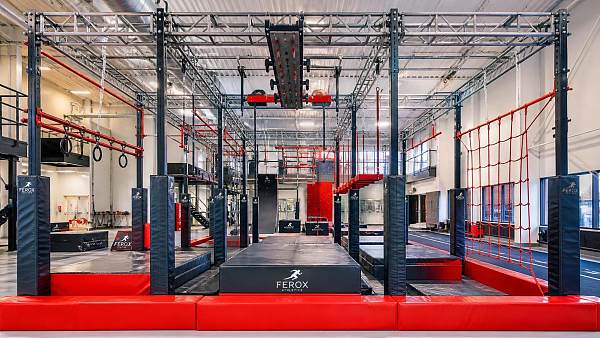
An indoor ninja warrior course succeeds when it gives visitors new reasons to return, not just one-time thrills. From adjustable challenge levels to fast-reset obstacle zones and social competition features, the right design choices can boost engagement, repeat visits, and long-term venue value. This article explores which obstacles and layout strategies keep players coming back.
Why repeat-visit design is now the real market signal
The biggest change in the active entertainment market is that operators are no longer judged only by opening-week excitement. Family entertainment centers, shopping mall attractions, trampoline parks, and hybrid leisure venues increasingly need durable engagement. In that shift, the indoor ninja warrior course has moved from being a novelty add-on to becoming a strategic retention tool. Buyers, developers, and operators are asking a different question than they did a few years ago: not “Will this look exciting?” but “Will guests want to do it again next month?”
This change matters because repeat visits influence nearly every commercial outcome. A course that supports progression can increase membership appeal, improve birthday party conversion, extend dwell time, and create stronger social media visibility. For sourcing teams and venue planners, obstacle selection is now closely tied to return-on-space, staffing efficiency, and long-term refresh potential. The most successful indoor ninja warrior course concepts are being designed less like fixed playgrounds and more like replayable skill ecosystems.
What has changed in guest expectations
Visitor behavior has become more segmented and more demanding. First-time users still want spectacle, but repeat users want progression, fairness, and personal achievement. Parents look for safe challenge. Teens want competition and shareable wins. Adults want authentic physical difficulty without excessive intimidation. These overlapping expectations are reshaping how an indoor ninja warrior course should be planned.
Another clear signal is that guests increasingly compare obstacle attractions to digital experiences. They expect quick feedback, visible scoring, flexible challenge levels, and reasons to improve. If the course feels solved after one or two visits, the venue loses momentum. If the course feels impossible for beginners, it also loses appeal. The sweet spot is a design that rewards first attempts while preserving mastery goals for later sessions.
Which obstacle types usually drive the highest repeat visits
Not all obstacles support return traffic equally. Visually dramatic features help attract attention, but replay value usually comes from obstacles that combine skill development, adjustable difficulty, and measurable improvement. In a commercial indoor ninja warrior course, the best-performing mix often includes the following categories.
1. Adjustable grip and swinging obstacles
Monkey bars, ring traverses, fly wheels, floating grips, and rope-based transitions tend to bring users back because performance improves with practice. Guests can feel progress in timing, reach, and upper-body control. When these stations include beginner and advanced lanes, they serve both entry-level users and regular competitors. They also create clear “I almost got it” moments, which are powerful revisit triggers.
2. Balance obstacles with visible progression
Slackline bridges, tilting steps, unstable beams, and rolling logs are highly effective when they are challenging but not random. Balance obstacles generate repeat traffic because success feels attainable with better body control. They work especially well in family-focused venues because they are easy to understand visually, yet hard to perfect. The key is consistency: if the obstacle behaves predictably, users feel that practice matters.
3. Timed speed zones
Warped walls, sprint steps, angled platforms, and short race sections support repeat visits by turning movement into competition. Guests return not only to finish but to improve their times. For operators, timed sections are commercially attractive because they can support leaderboards, group events, and recurring challenges with limited floor space. In an indoor ninja warrior course, speed-based replay is often more sustainable than a single giant signature obstacle.
4. Modular obstacles with variable settings
One of the strongest current trends is modularity. Obstacles with movable holds, adjustable spacing, or interchangeable components keep the course fresh without requiring full reconstruction. This matters for operators facing rising capital discipline. A modular indoor ninja warrior course can support seasonal updates, skill-based programming, and age-specific reconfiguration, all of which improve repeat visit rates.
5. Head-to-head challenge stations
Parallel lanes, mirrored traverses, and dual warped walls perform well because they combine physical challenge with social energy. Repeat visitation often increases when guests can directly compare results with friends, siblings, or teammates. These obstacles are particularly valuable in birthday parties, school groups, and corporate team-building formats, where social interaction is part of the purchase decision.
Obstacle trends by retention value
For information researchers evaluating an indoor ninja warrior course, it helps to separate visual impact from long-term replay value. The table below summarizes how different obstacle types typically perform in commercial settings.
Why these trends are forming now
Several market forces are pushing operators toward replay-focused course design. First, indoor leisure venues face stronger pressure to justify capex with recurring revenue, not only admissions spikes. Second, consumers are showing greater interest in active, skill-based recreation rather than passive attractions. Third, social media has changed the economics of challenge design: a visually impressive obstacle may generate one post, but a progressive obstacle can generate an ongoing cycle of attempts, milestones, and leaderboard updates.
There is also a practical operating reason. Obstacles that reset quickly and handle throughput well reduce queue frustration. In many venues, slow-reset or high-failure bottlenecks damage the guest experience more than operators expect. As a result, the best indoor ninja warrior course layouts are increasingly being designed around flow efficiency as much as difficulty.
Layout strategy matters as much as the obstacle list
A common sourcing mistake is to evaluate obstacles individually without considering sequence. Repeat visits depend on how the whole indoor ninja warrior course feels in motion. Guests are more likely to return when the layout offers short wins, visible advanced goals, and multiple route choices. This creates a layered experience: beginners can complete something meaningful, while stronger users still see unsolved challenges ahead.
Operators should pay attention to four layout signals. The first is progression clarity. Users should quickly understand where to start and how to level up. The second is lane diversity. Parallel routes reduce crowding and serve mixed-age groups better. The third is spectating visibility. Obstacles that are easy to watch help create excitement and peer encouragement. The fourth is reset speed. If users can re-enter quickly after a failed attempt, they are more likely to stay engaged and try again.
Who is most affected by this shift
The move toward retention-oriented design affects more than venue owners. It changes how suppliers, designers, procurement teams, and operational managers should evaluate an indoor ninja warrior course investment.
What buyers should watch before choosing an indoor ninja warrior course
For information-stage decision makers, the most useful questions are not only about appearance or price. A stronger commercial evaluation starts with how the course will perform over time. Can the obstacle set support beginners, intermediates, and advanced users? Can sections be refreshed without full shutdown? Are there enough stations that produce measurable progress? Will staffing needs remain manageable during peak periods?
Safety and compliance remain essential, but in current market conditions they are baseline expectations, not differentiators. The competitive edge comes from pairing compliant design with replay mechanics. Buyers should also review maintenance realities. An indoor ninja warrior course with impressive moving parts but frequent downtime may weaken repeat intent despite strong first impressions. Durable grips, accessible service points, and replaceable components now carry more strategic importance.
The next direction: programmable challenge, not static difficulty
The next phase of market development is likely to favor programmable challenge environments. This does not always mean high-tech automation. It can simply mean obstacle systems that are easy to reconfigure, score, theme, or sequence differently. The best indoor ninja warrior course concepts increasingly support recurring formats such as weekly skill ladders, school competitions, family challenge days, and seasonal route changes.
This trend is especially relevant for multi-use leisure spaces and commercial developers who want year-round relevance. In the past, a static obstacle course could remain unchanged for long periods. Today, audiences expect freshness. A course that can evolve operationally gives venues more marketing angles and a better defense against customer fatigue.
Practical judgment signals for the months ahead
If a business is assessing future demand for an indoor ninja warrior course, several signals deserve attention. Watch whether operators are promoting memberships and repeat challenges rather than one-off admission offers. Watch whether suppliers emphasize modularity and refresh cycles in their proposals. Watch whether venue case studies highlight throughput, leagues, or return participation. These are strong indicators that the sector is shifting from attraction sales to engagement systems.
It is also useful to compare obstacle strategies by target audience. Venues serving mall traffic may need fast-understood challenges and strong spectator value. Destination family centers may benefit from broader progression ladders. Competitive training facilities may prioritize advanced grip and upper-body obstacles. The right indoor ninja warrior course is therefore not defined by the hardest obstacle, but by the best match between audience behavior and repeatable challenge design.
Conclusion: the obstacles that keep players coming back
The indoor ninja warrior course market is moving toward a clearer standard: obstacles must do more than impress. The features that most reliably support repeat visits are adjustable grip challenges, predictable balance tests, timed race elements, modular stations, and social head-to-head formats. Together, they create progression, comparison, and replayability.
For businesses researching this category, the smartest next step is to judge every obstacle and layout choice through three lenses: what has changed in guest expectations, how those changes affect retention and operations, and what design flexibility will matter over time. If a venue or sourcing team wants to understand how an indoor ninja warrior course will perform commercially, it should confirm five points early: who the repeat user is, what progression path exists, how quickly the course resets, how easily it can be refreshed, and which obstacles create reasons to return instead of simply reasons to try once.
Search News
Hot Articles
- Stationery & UniformsHow Schools Can Cut Printing Costs When Buying Ink Cartridges in BulkSep 21, 2026
- Jewelry Packaging & DisplayHow to Evaluate a Luxury Retail Packaging Supplier for Premium Brand ConsistencySep 20, 2026
- Commercial KitchenHow to Select a Spiral Dough Mixer for Bakery Batch Size and Dough HydrationSep 19, 2026
Popular Tags
Need ExpertConsultation?
Connect with our specialized leisureengineering team for procurementstrategies.
Recommended News
 Aug 30, 2026Entertainment Venue Master Planning: How to Balance Capacity, Flow, and RevenueEntertainment venue development master planning: balance capacity, guest flow, and revenue with practical strategies for resilient, high-performing venues.● Theme Park Strategist
 Sep 07, 2026What Should Buyers Do When a Supplier Delivers Non-Compliant Products?What to do if a supplier delivers non-compliant commercial products: contain risks, document evidence, protect your project, and secure the right remedy.● Theme Park Strategist
 Sep 02, 2026Waterpark Capacity Management: Balancing Queue Times, Safety, and Guest ThroughputWaterpark capacity management strategies to reduce queue times, protect safety, optimize guest throughput, and build a smoother, more profitable park operation.● Theme Park Strategist
 Sep 01, 2026ASTM F2075 Explained: Testing Engineered Wood Fiber for Playground Impact SafetyASTM F2075 explained: learn how engineered wood fiber supports playground impact safety, smarter sourcing, compliance documentation, and reliable maintenance planning.● Theme Park Strategist
 Aug 24, 2026How to Evaluate an Indoor Ninja Warrior Course Supplier in Europe?indoor ninja warrior course Europe supplier guide: learn how to assess safety, EN compliance, engineering, installation, and maintenance support before you choose.● Theme Park Strategist
 Aug 20, 2026How to Choose Modular Indoor Play Equipment for Different Venue Sizes and Age GroupsModular indoor play equipment buying guide: learn how to match venue size, ceiling height, traffic flow, and age groups to create safer, smarter, and more profitable play spaces.● Theme Park Strategist
 Aug 14, 2026POB Push Lifts Overseas Pre-Registrations 45.74%POB boosts overseas pre-registrations for the 2026 China Sport Show by 45.74%, signaling stronger global buyer interest and smarter sourcing opportunities in sports manufacturing.● Theme Park Strategist
 Aug 02, 2026What to Check Before Buying Thick Gymnastic Mats Wholesale for Schools and GymsThick gymnastic mats wholesale buying guide for schools and gyms: learn how to check foam, cover durability, safety documents, samples, and true long-term value before placing a bulk order.● Theme Park Strategist
 Jul 28, 2026How to Design Inclusive Sensory Play Areas for Different Age Groups and NeedsInclusive sensory play starts with smart zoning, age planning, accessibility, and acoustics. Discover practical design tips to create safer, engaging spaces that truly work.● Theme Park Strategist
 Jul 26, 2026How to Evaluate a Bowling Alley Equipment Factory Before Requesting a QuoteBowling alley equipment factory evaluation starts before price. Learn how to check manufacturing scope, engineering, compliance, spare parts, and installation support to avoid costly sourcing mistakes.● Theme Park Strategist
 Jul 16, 2026EN 1176:2026 Takes Effect for Indoor PlaygroundsEN 1176:2026 takes effect for indoor playgrounds in the EU, making conformity assessment mandatory. Learn how this impacts certification, customs clearance, suppliers, and market access.● Theme Park Strategist
 Jul 15, 2026CPSC Sets New ASTM Impact Test for Indoor Playground Metal PartsCPSC sets new ASTM impact test rules for indoor playground metal parts effective Oct. 1, 2026. Learn how the 15kN requirement may affect compliance, testing timelines, and U.S. export delivery.● Theme Park Strategist
 Jul 14, 2026CPSC Tightens Phthalate Limit for Indoor Playground Soft MaterialsCPSC tightens phthalate limits for indoor playground soft materials from Aug 15, 2026. Learn how DIBP control, CBP detention risk, and testing changes impact sourcing, exports, and compliance.● Theme Park Strategist
 Jul 13, 2026Vietnam Tightens IoT Rule for Indoor Playground ImportsVietnam Tightens IoT Rule for Indoor Playground Imports: learn how VNSS-2025 gateway requirements affect exporters, buyers, installers, and delivery timelines before the 2026 deadline.● Theme Park Strategist
 Jul 13, 2026How a Recreational Facility Planning Company Helps Reduce Layout MistakesRecreational facility planning company insights: learn how early layout strategy reduces costly mistakes, improves flow, compliance, and buildability for smoother project delivery.● Theme Park Strategist
 Jul 12, 2026CPSC Halts Imports of Indoor Playground Soft PartsCPSC halts imports of indoor playground soft parts from China under ASTM F3432-26. Learn the compliance risks, testing requirements, and urgent steps importers must take now.● Theme Park Strategist
 Jul 11, 2026CPSC Import Alert Tightens Fire Test Rule for Indoor Playground PaddingCPSC import alert updates indoor playground padding rules to ASTM F3432-26. See how the new fire test affects foam mats, shipments, and U.S. market access.● Theme Park Strategist
 Jul 11, 2026Ice Bumper Cars Bulk Order Checklist for Indoor Parks: Space, Power, and Safety PointsIce bumper cars bulk order guide for indoor parks: learn how to assess space, power, safety, and throughput before buying, so you can avoid costly mistakes and choose the right fleet with confidence.● Theme Park Strategist
 Jul 10, 2026Commercial Playground Equipment for Campuses: Key Safety Standards and Planning TipsCommercial playground equipment for campuses: explore key safety standards, inclusive layout planning, durable materials, and smart procurement tips to avoid costly mistakes.● Theme Park Strategist
 Jul 09, 2026CPSC Recall Escalates Over Phthalates in Indoor Playground PadsCPSC recall escalates over phthalates in indoor playground pads as affected batches exceed CPSIA limits. Learn the risks, supply chain impact, and what buyers should monitor now.● Theme Park Strategist
 Jul 07, 2026How to Choose Ice Skating Rink Equipment in Europe: Key Systems, Standards, and Budget Factorsice skating rink equipment Europe guide: compare refrigeration, rink floors, boards, EU compliance, and total budget factors to choose a safer, more efficient commercial rink solution.● Theme Park Strategist
 Jul 06, 2026CPSC Flags New Flame Test for Indoor Playground PaddingCPSC flags a new flame test for indoor playground padding under ASTM F1487-23b. Learn how this urgent compliance alert affects materials, testing, imports, and U.S. market access.● Theme Park Strategist
 Jul 05, 2026Vietnam Sets VCA Registration Deadline for Indoor Playground ImportsVietnam Sets VCA Registration Deadline for Indoor Playground Imports: learn the August 15, 2026 VCA registration rule, batch EN 14960 test report requirements, and how to avoid import license delays in Vietnam.● Theme Park Strategist
 Jul 04, 2026EU Rule Tightens Fire Tests for Indoor Playground PaddingIndoor Playground suppliers and buyers must act now as the EU enforces stricter fire and smoke tests under EN 14960:2026+A1:2026. Learn the compliance risks, customs impact, and sourcing priorities.● Theme Park Strategist