Sweden Men’s Team Beats China After 26 Years; AI Ball Machines Gain EU Traction
On May 7, 2026, the Swedish men’s table tennis team defeated China 3–2 at the WTT Contender Stockholm — its first win over China in 26 years. The result has drawn attention from international equipment procurement stakeholders, particularly in European national training systems and club-level infrastructure development. This outcome signals potential shifts in demand for AI-powered training technology, especially certified smart ball machines, across table tennis equipment trade, manufacturing, and service sectors.
Event Overview
On May 7, 2026, during the WTT Contender Stockholm, the Swedish men’s national team secured a 3–2 victory over the Chinese men’s team — the first such win since 1999. Following the match, the Swedish Table Tennis Association announced plans to expand cooperation with Chinese manufacturers of AI-enabled table tennis ball machines. A first batch of 200 units — AI trajectory prediction models certified to EU standards (CE, EMC, RoHS) — will be deployed across 12 national youth training centers. Separately, German and French clubs have initiated formal tender processes for similar equipment.
Industries Affected
Direct Exporters & Trade Enterprises
This development directly affects exporters of table tennis training equipment targeting the EU market. The Swedish order specifies CE+EMC+RoHS compliance — not just as a regulatory requirement but as a stated condition for deployment in national facilities. Demand is now tied to verified certification status, not just product functionality.
Manufacturers of Smart Training Equipment
Producers of AI-integrated ball machines — particularly those offering trajectory prediction capabilities — face intensified scrutiny on firmware localization, real-time adaptive algorithms, and hardware durability under European climate and voltage conditions. The Swedish procurement emphasizes ‘AI trajectory prediction’ as a functional benchmark, suggesting technical differentiation is becoming a key selection criterion.
Supply Chain & Certification Service Providers
Certification agencies and logistics partners supporting CE/EMC/RoHS conformity assessments are likely to see increased inquiry volume from Chinese OEMs seeking EU market access. The explicit mention of triple certification in the official announcement indicates that compliance documentation must be complete, auditable, and ready for institutional procurement review — not merely self-declared.
What Enterprises and Practitioners Should Monitor and Do
Track official tender documents from Germany and France
The Swedish procurement is publicly confirmed; Germany and France have only announced initiation of tender procedures. Enterprises should monitor official procurement portals (e.g., TED – Tenders Electronic Daily) for formal specifications, timelines, and evaluation criteria — rather than assuming alignment with Sweden’s requirements.
Verify and document CE+EMC+RoHS certification scope
‘CE-certified’ is not sufficient: the Swedish announcement explicitly lists CE *plus* EMC *plus* RoHS. Companies must confirm whether their current certification covers the full device (including power supply, wireless modules, and embedded software updates), and whether test reports are issued by EU-recognized Notified Bodies.
Distinguish between policy signal and procurement reality
The Swedish decision reflects a strategic shift in training infrastructure investment — but it does not imply immediate large-scale replacement of existing equipment. The initial order is for 200 units across 12 centers. Firms should assess scalability, service support capacity, and spare-part availability before scaling production or marketing efforts.
Prepare for institutional procurement workflows
National sports associations operate under public procurement rules. Suppliers should ensure readiness for documentation packages including technical dossiers, Declaration of Conformity, warranty terms aligned with EU Directive 2019/1020, and bilingual (English + local language) user manuals — not just commercial quotations.
Editorial Observation / Industry Insight
Observably, this event functions less as an isolated sports result and more as a procurement catalyst rooted in performance-driven infrastructure reassessment. The Swedish win did not trigger new regulation — but it accelerated pre-existing interest in data-informed training tools among European federations. Analysis shows the emphasis lies not on replacing human coaching, but on augmenting repeatability and measurable feedback loops in foundational skill development. From an industry perspective, this is better understood as a signal of institutional validation for AI-enabled hardware — one that prioritizes verifiable compliance and integration-readiness over novelty alone. Sustained attention is warranted because national training center deployments often precede broader club and school adoption cycles.
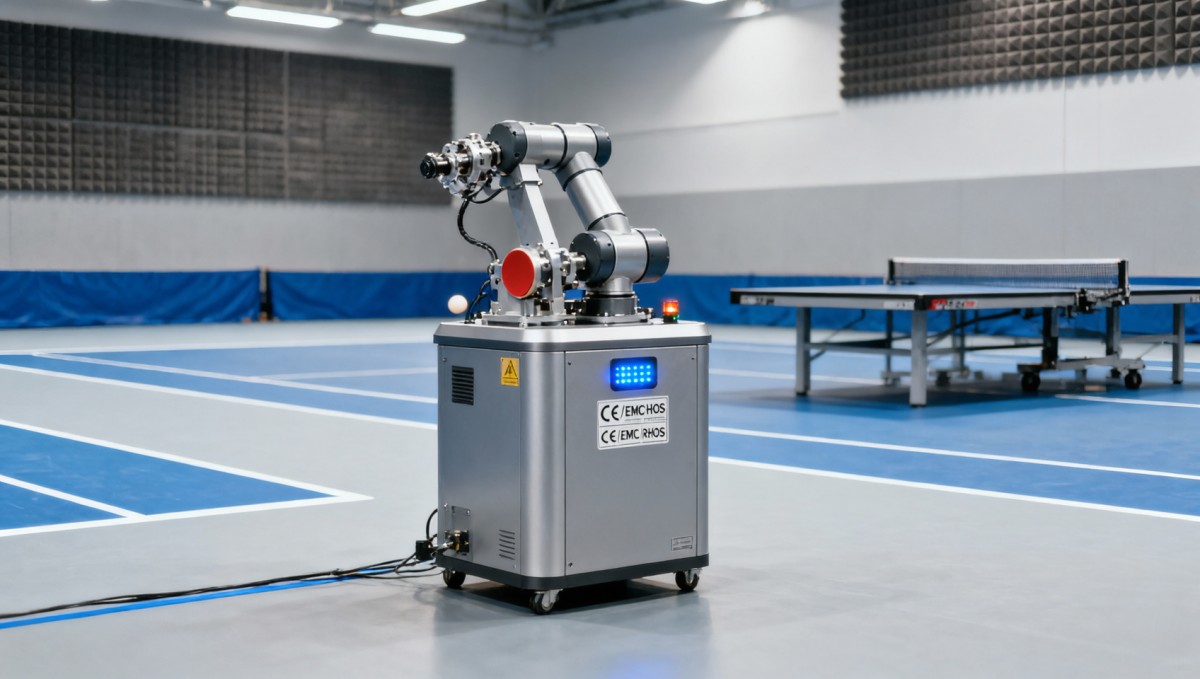
Conclusion: This outcome marks a milestone in cross-regional procurement behavior — not a sudden market expansion, but a concrete validation point for certified AI training equipment in high-performance sport contexts. It is more accurately interpreted as evidence of growing institutional trust in interoperable, standards-compliant smart hardware — rather than as an indicator of imminent mass-market uptake. Stakeholders should treat it as a reference case for compliance rigor and tender responsiveness, not as a forecast of near-term volume growth.
Source: Official announcement by Swedish Table Tennis Association (May 7, 2026); WTT Contender Stockholm match records; public tender notices from German and French national table tennis associations (as of May 8, 2026).
Note: Tender specifications from Germany and France remain pending publication and are subject to ongoing observation.
Search News
Hot Articles
- Stationery & UniformsHow Schools Can Cut Printing Costs When Buying Ink Cartridges in BulkSep 21, 2026
- Jewelry Packaging & DisplayHow to Evaluate a Luxury Retail Packaging Supplier for Premium Brand ConsistencySep 20, 2026
- Commercial KitchenHow to Select a Spiral Dough Mixer for Bakery Batch Size and Dough HydrationSep 19, 2026
Popular Tags
Need ExpertConsultation?
Connect with our specialized leisureengineering team for procurementstrategies.
Recommended News
 Aug 30, 2026Entertainment Venue Master Planning: How to Balance Capacity, Flow, and RevenueEntertainment venue development master planning: balance capacity, guest flow, and revenue with practical strategies for resilient, high-performing venues.● Theme Park Strategist
 Sep 07, 2026What Should Buyers Do When a Supplier Delivers Non-Compliant Products?What to do if a supplier delivers non-compliant commercial products: contain risks, document evidence, protect your project, and secure the right remedy.● Theme Park Strategist
 Sep 02, 2026Waterpark Capacity Management: Balancing Queue Times, Safety, and Guest ThroughputWaterpark capacity management strategies to reduce queue times, protect safety, optimize guest throughput, and build a smoother, more profitable park operation.● Theme Park Strategist
 Sep 01, 2026ASTM F2075 Explained: Testing Engineered Wood Fiber for Playground Impact SafetyASTM F2075 explained: learn how engineered wood fiber supports playground impact safety, smarter sourcing, compliance documentation, and reliable maintenance planning.● Theme Park Strategist
 Aug 24, 2026How to Evaluate an Indoor Ninja Warrior Course Supplier in Europe?indoor ninja warrior course Europe supplier guide: learn how to assess safety, EN compliance, engineering, installation, and maintenance support before you choose.● Theme Park Strategist
 Aug 20, 2026How to Choose Modular Indoor Play Equipment for Different Venue Sizes and Age GroupsModular indoor play equipment buying guide: learn how to match venue size, ceiling height, traffic flow, and age groups to create safer, smarter, and more profitable play spaces.● Theme Park Strategist
 Aug 14, 2026POB Push Lifts Overseas Pre-Registrations 45.74%POB boosts overseas pre-registrations for the 2026 China Sport Show by 45.74%, signaling stronger global buyer interest and smarter sourcing opportunities in sports manufacturing.● Theme Park Strategist
 Aug 02, 2026What to Check Before Buying Thick Gymnastic Mats Wholesale for Schools and GymsThick gymnastic mats wholesale buying guide for schools and gyms: learn how to check foam, cover durability, safety documents, samples, and true long-term value before placing a bulk order.● Theme Park Strategist
 Jul 28, 2026How to Design Inclusive Sensory Play Areas for Different Age Groups and NeedsInclusive sensory play starts with smart zoning, age planning, accessibility, and acoustics. Discover practical design tips to create safer, engaging spaces that truly work.● Theme Park Strategist
 Jul 26, 2026How to Evaluate a Bowling Alley Equipment Factory Before Requesting a QuoteBowling alley equipment factory evaluation starts before price. Learn how to check manufacturing scope, engineering, compliance, spare parts, and installation support to avoid costly sourcing mistakes.● Theme Park Strategist
 Jul 16, 2026EN 1176:2026 Takes Effect for Indoor PlaygroundsEN 1176:2026 takes effect for indoor playgrounds in the EU, making conformity assessment mandatory. Learn how this impacts certification, customs clearance, suppliers, and market access.● Theme Park Strategist
 Jul 15, 2026CPSC Sets New ASTM Impact Test for Indoor Playground Metal PartsCPSC sets new ASTM impact test rules for indoor playground metal parts effective Oct. 1, 2026. Learn how the 15kN requirement may affect compliance, testing timelines, and U.S. export delivery.● Theme Park Strategist
 Jul 14, 2026CPSC Tightens Phthalate Limit for Indoor Playground Soft MaterialsCPSC tightens phthalate limits for indoor playground soft materials from Aug 15, 2026. Learn how DIBP control, CBP detention risk, and testing changes impact sourcing, exports, and compliance.● Theme Park Strategist
 Jul 13, 2026Vietnam Tightens IoT Rule for Indoor Playground ImportsVietnam Tightens IoT Rule for Indoor Playground Imports: learn how VNSS-2025 gateway requirements affect exporters, buyers, installers, and delivery timelines before the 2026 deadline.● Theme Park Strategist
 Jul 13, 2026How a Recreational Facility Planning Company Helps Reduce Layout MistakesRecreational facility planning company insights: learn how early layout strategy reduces costly mistakes, improves flow, compliance, and buildability for smoother project delivery.● Theme Park Strategist
 Jul 12, 2026CPSC Halts Imports of Indoor Playground Soft PartsCPSC halts imports of indoor playground soft parts from China under ASTM F3432-26. Learn the compliance risks, testing requirements, and urgent steps importers must take now.● Theme Park Strategist
 Jul 11, 2026CPSC Import Alert Tightens Fire Test Rule for Indoor Playground PaddingCPSC import alert updates indoor playground padding rules to ASTM F3432-26. See how the new fire test affects foam mats, shipments, and U.S. market access.● Theme Park Strategist
 Jul 11, 2026Ice Bumper Cars Bulk Order Checklist for Indoor Parks: Space, Power, and Safety PointsIce bumper cars bulk order guide for indoor parks: learn how to assess space, power, safety, and throughput before buying, so you can avoid costly mistakes and choose the right fleet with confidence.● Theme Park Strategist
 Jul 10, 2026Commercial Playground Equipment for Campuses: Key Safety Standards and Planning TipsCommercial playground equipment for campuses: explore key safety standards, inclusive layout planning, durable materials, and smart procurement tips to avoid costly mistakes.● Theme Park Strategist
 Jul 09, 2026CPSC Recall Escalates Over Phthalates in Indoor Playground PadsCPSC recall escalates over phthalates in indoor playground pads as affected batches exceed CPSIA limits. Learn the risks, supply chain impact, and what buyers should monitor now.● Theme Park Strategist
 Jul 07, 2026How to Choose Ice Skating Rink Equipment in Europe: Key Systems, Standards, and Budget Factorsice skating rink equipment Europe guide: compare refrigeration, rink floors, boards, EU compliance, and total budget factors to choose a safer, more efficient commercial rink solution.● Theme Park Strategist
 Jul 06, 2026CPSC Flags New Flame Test for Indoor Playground PaddingCPSC flags a new flame test for indoor playground padding under ASTM F1487-23b. Learn how this urgent compliance alert affects materials, testing, imports, and U.S. market access.● Theme Park Strategist
 Jul 05, 2026Vietnam Sets VCA Registration Deadline for Indoor Playground ImportsVietnam Sets VCA Registration Deadline for Indoor Playground Imports: learn the August 15, 2026 VCA registration rule, batch EN 14960 test report requirements, and how to avoid import license delays in Vietnam.● Theme Park Strategist
 Jul 04, 2026EU Rule Tightens Fire Tests for Indoor Playground PaddingIndoor Playground suppliers and buyers must act now as the EU enforces stricter fire and smoke tests under EN 14960:2026+A1:2026. Learn the compliance risks, customs impact, and sourcing priorities.● Theme Park Strategist