Soft Play Equipment Wholesale: What Impacts Long-Term ROI?
For procurement teams, soft play equipment wholesale is not just about lowering upfront costs—it is about securing long-term ROI through safety compliance, durability, customization, and supplier reliability. In a competitive commercial environment, understanding what truly impacts lifecycle value can help buyers make smarter sourcing decisions and maximize returns across every installation.
Why ROI Changes So Much from One Application Scenario to Another
In commercial buying, the same soft play structure can perform very differently depending on where it is installed, who uses it, and how often it is maintained. That is why soft play equipment wholesale should never be evaluated as a simple unit-price exercise. A children’s zone inside a premium shopping mall, for example, faces different expectations than an indoor family entertainment center, a hotel kids’ club, or a school activity space.
For procurement professionals, long-term return depends on matching product specification to business model. If the equipment is overbuilt for a low-traffic venue, capital is wasted. If it is underbuilt for heavy daily usage, maintenance costs rise, downtime increases, and customer satisfaction drops. In both cases, the ROI of soft play equipment wholesale weakens.
The most successful sourcing strategies begin with scenario clarity: expected footfall, age group, cleaning demands, local regulations, replacement cycles, brand positioning, and supplier support. Once these factors are defined, buyers can compare offers on lifecycle value rather than headline price.
Typical Commercial Scenarios for Soft Play Equipment Wholesale
Below is a practical comparison of the most common business scenarios where soft play equipment wholesale decisions directly affect long-term profitability.
Scenario-by-Scenario: What Procurement Teams Should Prioritize
Indoor Playgrounds and Family Entertainment Centers
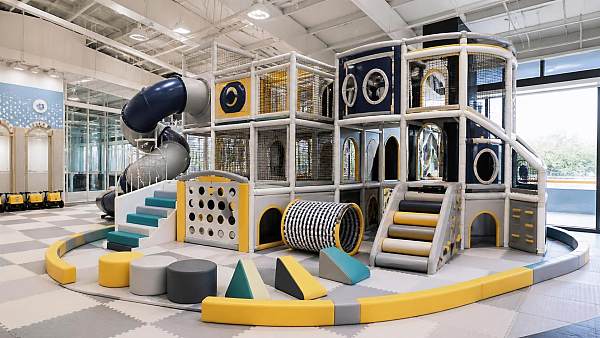
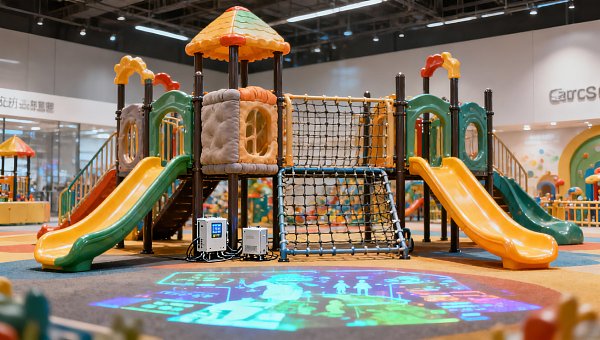
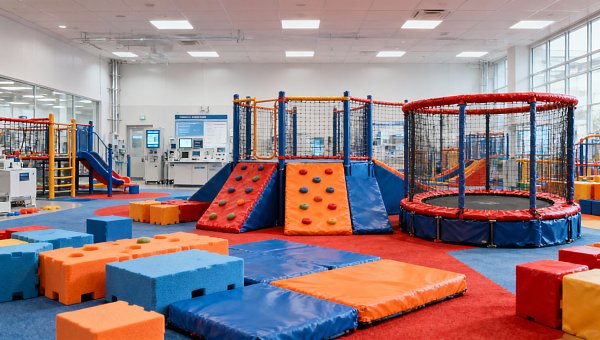
This is the most performance-sensitive environment for soft play equipment wholesale. Traffic is high, usage is intense, and customer expectations center on excitement and novelty. In this scenario, ROI is strongly tied to structural durability, modular repairability, and play capacity per square meter. Buyers should evaluate frame quality, foam density, fabric abrasion resistance, and how quickly parts can be replaced without shutting down the entire attraction.
A low-cost offer may look attractive initially, but if connectors loosen, covers tear, or netting fails under daily use, repair costs and lost revenue can quickly exceed savings. For high-volume venues, better ROI usually comes from commercial-grade systems backed by spare parts availability and documented maintenance protocols.
Shopping Malls and Retail-Led Destinations
In malls, soft play equipment wholesale supports a wider commercial purpose: increasing family dwell time, improving tenant mix appeal, and encouraging repeat visits. Here, the buyer should focus on compact layouts, visual branding, anti-microbial surfaces, and easy daily cleaning. The equipment must be inviting but also blend into the broader retail environment.
Mall operators also need to think about liability exposure. Rounded edges, certified materials, flame-retardant performance, and documented compliance with local or international safety standards can have a direct impact on insurance discussions and risk management. In this setting, long-term ROI depends as much on operational simplicity as on play value.
Hotels, Resorts, and Premium Hospitality Spaces
For hospitality projects, soft play equipment wholesale is often part of a guest-experience strategy rather than a direct revenue center. Procurement teams in this segment should judge ROI through guest satisfaction, family booking appeal, online reviews, and brand consistency. Design quality matters more here than in many other scenarios. Colors, shapes, and finishes should match the property’s interior concept rather than look generic.
Customization becomes especially valuable in this context. Bespoke themes, compact footprints, and quiet play functions can improve fit in luxury settings. However, custom work only pays off if the supplier has real OEM or ODM experience, clear prototyping processes, and reliable lead times. A beautiful design with poor installation support creates the opposite of long-term ROI.
Schools, Nurseries, and Educational Use
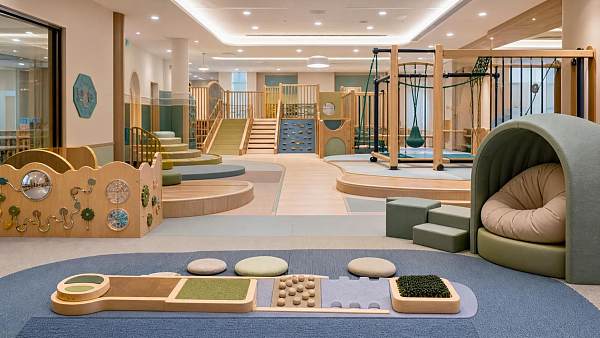
Educational buyers usually prioritize developmental suitability, child safety, and ease of supervision. In these scenarios, soft play equipment wholesale should be assessed by age zoning, motor-skill relevance, hygiene, and long replacement cycles. Overly complex multi-level systems may not be ideal if staff need clear sightlines or if younger children are the main users.
Materials that are easy to disinfect, structures with fewer hidden spaces, and layouts that support guided activity often deliver better value than flashy features. Procurement teams should also ask whether the supplier can adapt dimensions for classroom integration or multipurpose rooms.
The Factors That Most Affect Long-Term ROI
Across all scenarios, a few variables consistently determine whether soft play equipment wholesale leads to strong returns or recurring problems.
1. Safety Compliance and Documentation
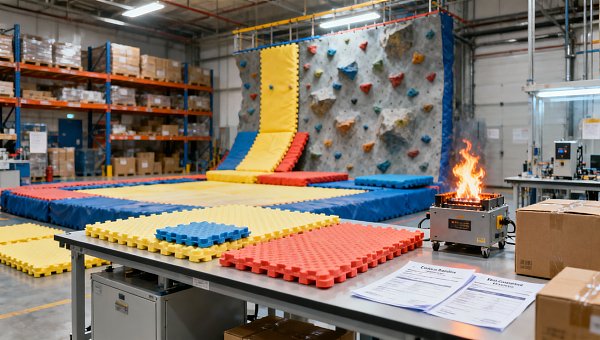
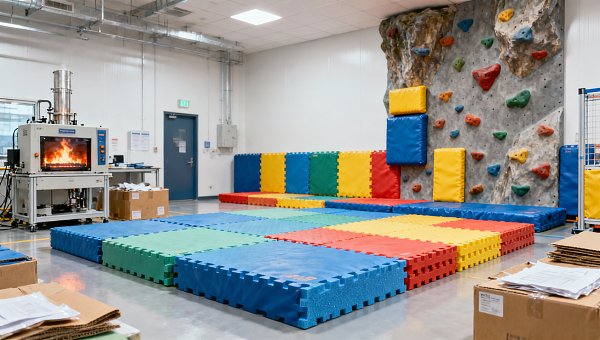
Compliance is not just a legal issue; it is a financial one. Equipment that meets recognized safety standards is easier to approve, insure, and operate. Procurement teams should confirm test reports, material certifications, fire performance where relevant, and installation manuals. Missing paperwork can delay projects, raise hidden costs, or block market entry.
2. Material Quality and Wear Resistance
The long-term cost of soft play equipment wholesale is heavily affected by how surfaces, padding, netting, coatings, and internal structure perform over time. Frequent replacement of covers or foam reduces lifecycle value. Buyers should request details on fabric grade, steel treatment, padding resilience, and cleaning tolerance before comparing quotations.
3. Design Fit for the Space
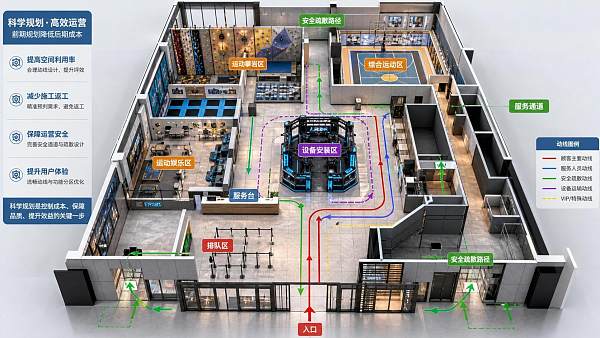
A layout that does not fit traffic flow, ceiling height, emergency access, or supervision needs can undermine ROI even if the equipment itself is well made. Good suppliers help buyers optimize the available footprint, not just fill it. This is especially important in hotels, retail projects, and mixed-use developments where spatial efficiency is linked to wider business goals.
4. Supplier Reliability and After-Sales Support
Soft play equipment wholesale should be treated as a long-term vendor relationship. Reliable suppliers provide technical drawings, pre-shipment checks, installation guidance, spare parts planning, and responsive communication. For procurement teams managing international sourcing, supplier stability may matter more than a small price difference.
5. Maintenance Simplicity
The easier the equipment is to inspect, clean, and repair, the stronger the ROI. Complex systems with inaccessible parts may generate higher maintenance labor and longer closures. In public or high-traffic environments, simplicity often beats feature overload.
A Practical Sourcing Matrix for Different Buyer Priorities
Common Misjudgments That Reduce ROI
One frequent mistake in soft play equipment wholesale is assuming that the lowest landed cost creates the best value. In reality, installation errors, delayed shipping, weak packaging, or non-standard parts can turn a cheap order into an expensive project. Another common issue is copying a design from a competitor without considering local user behavior, space constraints, or cleaning intensity.
Procurement teams also sometimes under-evaluate the supplier’s project management ability. A factory may offer an attractive quote but lack the capacity to manage revisions, compliance paperwork, or after-sales coordination. That risk is especially serious for hotel groups, educational networks, and multi-site operators.
Finally, some buyers focus only on visual appeal and overlook operational realities such as staff supervision, daily sanitization, or phased replacement. The best soft play equipment wholesale choice is one that works for operations every day, not just for launch photos.
How to Match the Right Wholesale Strategy to Your Scenario
A sound sourcing process starts with a short list of scenario-based questions. Is the project designed to generate direct revenue or support a broader guest or retail experience? What age range will use the space most often? How much daily cleaning is realistic? What standards must be met for your market? How quickly can damaged parts be replaced? What level of customization is truly necessary?
When these answers are clear, soft play equipment wholesale becomes a strategic procurement decision instead of a commodity purchase. Buyers can then compare suppliers based on lifecycle cost, compliance confidence, design fit, and long-term service capability. This approach is especially valuable for organizations sourcing across borders, where documentation quality and supplier consistency often separate successful installations from costly setbacks.
Final Takeaway for Procurement Teams
The long-term ROI of soft play equipment wholesale is shaped by scenario fit more than by unit price alone. High-traffic entertainment venues need durability and service support. Hotels need premium customization and brand alignment. Schools need safe, hygienic, age-appropriate layouts. Retail and mixed-use environments need visual appeal, easy upkeep, and risk control.
For buyers who want stronger returns, the next step is to define the installation scenario in detail, prioritize the right performance criteria, and evaluate suppliers on documentation, production quality, and after-sales strength. In a market where user experience and operational reliability both matter, smart soft play equipment wholesale sourcing creates measurable value long after the initial purchase order is signed.
Search News
Hot Articles
- Stationery & UniformsHow Schools Can Cut Printing Costs When Buying Ink Cartridges in BulkSep 21, 2026
- Jewelry Packaging & DisplayHow to Evaluate a Luxury Retail Packaging Supplier for Premium Brand ConsistencySep 20, 2026
- Commercial KitchenHow to Select a Spiral Dough Mixer for Bakery Batch Size and Dough HydrationSep 19, 2026
Popular Tags
Need ExpertConsultation?
Connect with our specialized leisureengineering team for procurementstrategies.
Recommended News
 Aug 30, 2026Entertainment Venue Master Planning: How to Balance Capacity, Flow, and RevenueEntertainment venue development master planning: balance capacity, guest flow, and revenue with practical strategies for resilient, high-performing venues.● Theme Park Strategist
 Sep 07, 2026What Should Buyers Do When a Supplier Delivers Non-Compliant Products?What to do if a supplier delivers non-compliant commercial products: contain risks, document evidence, protect your project, and secure the right remedy.● Theme Park Strategist
 Sep 02, 2026Waterpark Capacity Management: Balancing Queue Times, Safety, and Guest ThroughputWaterpark capacity management strategies to reduce queue times, protect safety, optimize guest throughput, and build a smoother, more profitable park operation.● Theme Park Strategist
 Sep 01, 2026ASTM F2075 Explained: Testing Engineered Wood Fiber for Playground Impact SafetyASTM F2075 explained: learn how engineered wood fiber supports playground impact safety, smarter sourcing, compliance documentation, and reliable maintenance planning.● Theme Park Strategist
 Aug 24, 2026How to Evaluate an Indoor Ninja Warrior Course Supplier in Europe?indoor ninja warrior course Europe supplier guide: learn how to assess safety, EN compliance, engineering, installation, and maintenance support before you choose.● Theme Park Strategist
 Aug 20, 2026How to Choose Modular Indoor Play Equipment for Different Venue Sizes and Age GroupsModular indoor play equipment buying guide: learn how to match venue size, ceiling height, traffic flow, and age groups to create safer, smarter, and more profitable play spaces.● Theme Park Strategist
 Aug 14, 2026POB Push Lifts Overseas Pre-Registrations 45.74%POB boosts overseas pre-registrations for the 2026 China Sport Show by 45.74%, signaling stronger global buyer interest and smarter sourcing opportunities in sports manufacturing.● Theme Park Strategist
 Aug 02, 2026What to Check Before Buying Thick Gymnastic Mats Wholesale for Schools and GymsThick gymnastic mats wholesale buying guide for schools and gyms: learn how to check foam, cover durability, safety documents, samples, and true long-term value before placing a bulk order.● Theme Park Strategist
 Jul 28, 2026How to Design Inclusive Sensory Play Areas for Different Age Groups and NeedsInclusive sensory play starts with smart zoning, age planning, accessibility, and acoustics. Discover practical design tips to create safer, engaging spaces that truly work.● Theme Park Strategist
 Jul 26, 2026How to Evaluate a Bowling Alley Equipment Factory Before Requesting a QuoteBowling alley equipment factory evaluation starts before price. Learn how to check manufacturing scope, engineering, compliance, spare parts, and installation support to avoid costly sourcing mistakes.● Theme Park Strategist
 Jul 16, 2026EN 1176:2026 Takes Effect for Indoor PlaygroundsEN 1176:2026 takes effect for indoor playgrounds in the EU, making conformity assessment mandatory. Learn how this impacts certification, customs clearance, suppliers, and market access.● Theme Park Strategist
 Jul 15, 2026CPSC Sets New ASTM Impact Test for Indoor Playground Metal PartsCPSC sets new ASTM impact test rules for indoor playground metal parts effective Oct. 1, 2026. Learn how the 15kN requirement may affect compliance, testing timelines, and U.S. export delivery.● Theme Park Strategist
 Jul 14, 2026CPSC Tightens Phthalate Limit for Indoor Playground Soft MaterialsCPSC tightens phthalate limits for indoor playground soft materials from Aug 15, 2026. Learn how DIBP control, CBP detention risk, and testing changes impact sourcing, exports, and compliance.● Theme Park Strategist
 Jul 13, 2026Vietnam Tightens IoT Rule for Indoor Playground ImportsVietnam Tightens IoT Rule for Indoor Playground Imports: learn how VNSS-2025 gateway requirements affect exporters, buyers, installers, and delivery timelines before the 2026 deadline.● Theme Park Strategist
 Jul 13, 2026How a Recreational Facility Planning Company Helps Reduce Layout MistakesRecreational facility planning company insights: learn how early layout strategy reduces costly mistakes, improves flow, compliance, and buildability for smoother project delivery.● Theme Park Strategist
 Jul 12, 2026CPSC Halts Imports of Indoor Playground Soft PartsCPSC halts imports of indoor playground soft parts from China under ASTM F3432-26. Learn the compliance risks, testing requirements, and urgent steps importers must take now.● Theme Park Strategist
 Jul 11, 2026CPSC Import Alert Tightens Fire Test Rule for Indoor Playground PaddingCPSC import alert updates indoor playground padding rules to ASTM F3432-26. See how the new fire test affects foam mats, shipments, and U.S. market access.● Theme Park Strategist
 Jul 11, 2026Ice Bumper Cars Bulk Order Checklist for Indoor Parks: Space, Power, and Safety PointsIce bumper cars bulk order guide for indoor parks: learn how to assess space, power, safety, and throughput before buying, so you can avoid costly mistakes and choose the right fleet with confidence.● Theme Park Strategist
 Jul 10, 2026Commercial Playground Equipment for Campuses: Key Safety Standards and Planning TipsCommercial playground equipment for campuses: explore key safety standards, inclusive layout planning, durable materials, and smart procurement tips to avoid costly mistakes.● Theme Park Strategist
 Jul 09, 2026CPSC Recall Escalates Over Phthalates in Indoor Playground PadsCPSC recall escalates over phthalates in indoor playground pads as affected batches exceed CPSIA limits. Learn the risks, supply chain impact, and what buyers should monitor now.● Theme Park Strategist
 Jul 07, 2026How to Choose Ice Skating Rink Equipment in Europe: Key Systems, Standards, and Budget Factorsice skating rink equipment Europe guide: compare refrigeration, rink floors, boards, EU compliance, and total budget factors to choose a safer, more efficient commercial rink solution.● Theme Park Strategist
 Jul 06, 2026CPSC Flags New Flame Test for Indoor Playground PaddingCPSC flags a new flame test for indoor playground padding under ASTM F1487-23b. Learn how this urgent compliance alert affects materials, testing, imports, and U.S. market access.● Theme Park Strategist
 Jul 05, 2026Vietnam Sets VCA Registration Deadline for Indoor Playground ImportsVietnam Sets VCA Registration Deadline for Indoor Playground Imports: learn the August 15, 2026 VCA registration rule, batch EN 14960 test report requirements, and how to avoid import license delays in Vietnam.● Theme Park Strategist
 Jul 04, 2026EU Rule Tightens Fire Tests for Indoor Playground PaddingIndoor Playground suppliers and buyers must act now as the EU enforces stricter fire and smoke tests under EN 14960:2026+A1:2026. Learn the compliance risks, customs impact, and sourcing priorities.● Theme Park Strategist