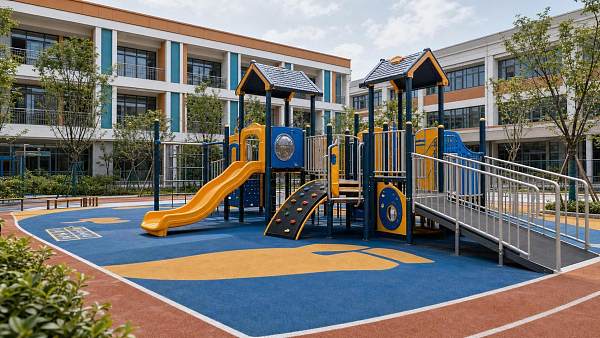
Artificial grass for playground: better drainage, fewer closures?
When weather, safety, and maintenance costs shape site decisions, artificial grass for playground surfaces becomes more than a design choice. Buyers and planners increasingly ask whether better drainage can reduce puddling, shorten drying time, and lead to fewer closures. This article explores the practical performance factors that matter most when evaluating playground surfacing for consistent use and long-term value.
Why drainage matters so much in artificial grass for playground planning
For schools, leisure venues, family attractions, mixed-use commercial projects, and institutional campuses, downtime is expensive. A playground that stays closed after rainfall affects user satisfaction, scheduling, labor planning, and sometimes revenue. That is why artificial grass for playground projects is often evaluated first through the lens of water management rather than aesthetics alone.
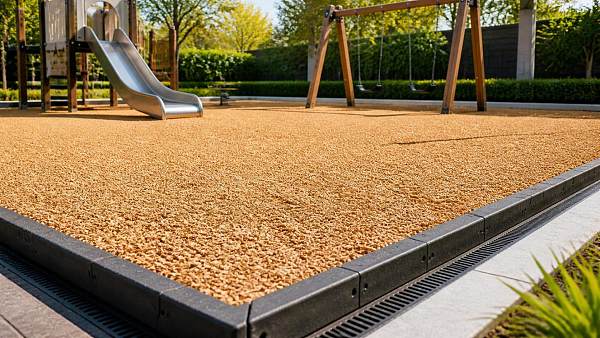
In practical terms, drainage performance depends on the entire system. The turf face, backing permeability, shock pad behavior, aggregate base, slope design, edging, and nearby runoff conditions all influence whether water clears quickly or pools in problem zones. Buyers who focus only on the visible grass layer often miss the real reasons a site remains wet longer than expected.
- Faster drainage can shorten closure windows after rain, especially in high-footfall public or educational settings.
- Reduced standing water can improve surface hygiene and lower the risk of muddy transitions at entrances and walkways.
- Better water movement may support more stable maintenance routines because crews spend less time addressing puddles, displaced infill, or edge washouts.
Does better drainage always mean fewer closures?
Usually, yes, but not automatically. Artificial grass for playground environments can reduce closure frequency compared with natural grass or poorly drained loose-fill surfaces, yet the outcome depends on local rainfall intensity, subgrade conditions, drainage outlets, and maintenance discipline. In heavy storm events, even a well-built system can be temporarily restricted if surrounding paths, shade zones, or impact areas remain unsafe.
The more realistic question is not whether a synthetic surface eliminates all closures, but whether it improves operational continuity enough to justify capital cost. For many buyers, especially those managing schools, hotels with family amenities, community leisure parks, or large campuses, the answer is often linked to lifecycle use rather than just immediate installation price.
What actually affects drainage performance in a playground turf system?
Before comparing suppliers, it helps to separate marketing claims from engineering factors. The table below outlines the components that most directly influence whether artificial grass for playground applications drains efficiently and reopens faster after rain.
This is why sourcing decisions should involve both product review and site review. GCT’s value in commercial sourcing lies in helping buyers compare not just a turf sample, but the full system logic behind it, including performance claims, installation assumptions, and compatibility with institutional or leisure-use conditions.
Common drainage weak points buyers overlook
- Transitions from turf to rubber, concrete, or curbs where water gets trapped at edges.
- Heavy shade areas where evaporation is slow even if the turf system itself drains well.
- Play features and footings that interrupt base continuity and create localized wet pockets.
- Improper maintenance that allows fine debris to reduce permeability over time.
Artificial grass for playground vs other surfacing options
Buyers rarely assess artificial grass for playground use in isolation. They compare it with natural grass, poured-in-place rubber, rubber tiles, engineered wood fiber, or sand-based surfaces. Each option affects drainage, reopen time, maintenance burden, and user experience differently.
The comparison table below focuses on practical operational criteria rather than promotional claims. It is intended to support early-stage screening for schools, amusement and leisure parks, hospitality properties, and public-space developers.
This comparison shows why artificial grass for playground projects is often attractive where appearance, availability, and lower mud transfer matter. Still, a decision should include climate, use intensity, staffing levels, and compliance requirements. There is no single best surface for every site; there is only the best-fit surface for a defined use profile.
Which sites benefit most from fewer closures?
Not every project receives equal value from improved rain recovery. In some locations, the main priority is visual consistency. In others, it is maximum schedule reliability. The following use cases help clarify where artificial grass for playground systems can create operational advantage.
Educational campuses
Schools and childcare facilities often have fixed recess windows and limited alternatives when outdoor areas are wet. Faster drainage may reduce canceled activity periods and decrease mud tracked indoors. Buyers should examine not only the play zone, but also entrances, perimeter paths, and supervision sightlines.
Hotels, resorts, and family leisure venues
Hospitality projects tend to value aesthetics and guest experience alongside function. A playground that remains attractive after rainfall supports premium positioning and lowers complaints from families. Here, artificial grass for playground selection should also consider barefoot comfort, heat behavior, and ease of cleaning near food and beverage zones.
Public parks and mixed-use developments
Municipal and developer-led sites usually face variable traffic, constrained maintenance teams, and exposure to adjacent runoff from plazas or parking areas. Reduced closure time can improve public satisfaction, but specification must be robust enough to handle diverse users, changing weather, and long asset life expectations.
- High-value sites benefit most when every day of use matters for occupancy, programming, or reputation.
- Sites with limited grounds staff often gain from lower mud management and more predictable upkeep.
- Projects in wet climates should prioritize drainage engineering over decorative surface decisions.
What should buyers ask before specifying artificial grass for playground use?
For information researchers and procurement teams, the challenge is often not finding a supplier but asking the right questions early. A structured review helps reduce redesign, delays, and mismatch between budget and performance expectations.
- What is the local rainfall pattern, and are short intense storms more common than steady light rain?
- What fall protection level is required, and how will the chosen pad or system affect permeability?
- How will water leave the site after it passes through the turf system?
- What maintenance resources are actually available after handover?
- Do local regulations or project briefs require compliance with recognized playground surfacing or material safety standards?
For cross-border or multi-site sourcing, GCT helps commercial buyers evaluate these questions across suppliers and regions. That is especially useful when comparing OEM or ODM capabilities, reviewing technical documents, or matching product options to different end-use sectors such as education, hospitality, or leisure parks.
Practical procurement checklist
The table below can be used in internal reviews when screening artificial grass for playground proposals from multiple vendors.
A checklist like this improves decision quality because it prevents price alone from dominating the conversation. In many commercial projects, the hidden cost of closures, complaints, and reactive repairs outweighs small savings at tender stage.
Standards, compliance, and risk points to review
Artificial grass for playground systems usually sit inside a wider compliance framework. Depending on region and project type, buyers may need to examine impact attenuation, material safety, flammability, accessibility considerations, and installation quality. Requirements vary, so the safest approach is to align specification review with local code, project consultant guidance, and intended user age group.
Common reference points in international sourcing discussions may include playground equipment and surfacing standards, general material testing protocols, and documented maintenance guidance. What matters most is not dropping standard names into a proposal, but confirming that the offered system configuration is suitable for the actual installed condition rather than only a lab scenario.
Typical risk areas
- Assuming the same turf product performs identically
Search News
Hot Articles
- Stationery & UniformsHow Schools Can Cut Printing Costs When Buying Ink Cartridges in BulkSep 21, 2026
- Jewelry Packaging & DisplayHow to Evaluate a Luxury Retail Packaging Supplier for Premium Brand ConsistencySep 20, 2026
- Commercial KitchenHow to Select a Spiral Dough Mixer for Bakery Batch Size and Dough HydrationSep 19, 2026
Popular Tags
Need ExpertConsultation?
Connect with our specialized leisureengineering team for procurementstrategies.
Recommended News
 Aug 30, 2026Entertainment Venue Master Planning: How to Balance Capacity, Flow, and RevenueEntertainment venue development master planning: balance capacity, guest flow, and revenue with practical strategies for resilient, high-performing venues.● Theme Park Strategist
 Sep 07, 2026What Should Buyers Do When a Supplier Delivers Non-Compliant Products?What to do if a supplier delivers non-compliant commercial products: contain risks, document evidence, protect your project, and secure the right remedy.● Theme Park Strategist
 Sep 02, 2026Waterpark Capacity Management: Balancing Queue Times, Safety, and Guest ThroughputWaterpark capacity management strategies to reduce queue times, protect safety, optimize guest throughput, and build a smoother, more profitable park operation.● Theme Park Strategist
 Sep 01, 2026ASTM F2075 Explained: Testing Engineered Wood Fiber for Playground Impact SafetyASTM F2075 explained: learn how engineered wood fiber supports playground impact safety, smarter sourcing, compliance documentation, and reliable maintenance planning.● Theme Park Strategist
 Aug 24, 2026How to Evaluate an Indoor Ninja Warrior Course Supplier in Europe?indoor ninja warrior course Europe supplier guide: learn how to assess safety, EN compliance, engineering, installation, and maintenance support before you choose.● Theme Park Strategist
 Aug 20, 2026How to Choose Modular Indoor Play Equipment for Different Venue Sizes and Age GroupsModular indoor play equipment buying guide: learn how to match venue size, ceiling height, traffic flow, and age groups to create safer, smarter, and more profitable play spaces.● Theme Park Strategist
 Aug 14, 2026POB Push Lifts Overseas Pre-Registrations 45.74%POB boosts overseas pre-registrations for the 2026 China Sport Show by 45.74%, signaling stronger global buyer interest and smarter sourcing opportunities in sports manufacturing.● Theme Park Strategist
 Aug 02, 2026What to Check Before Buying Thick Gymnastic Mats Wholesale for Schools and GymsThick gymnastic mats wholesale buying guide for schools and gyms: learn how to check foam, cover durability, safety documents, samples, and true long-term value before placing a bulk order.● Theme Park Strategist
 Jul 28, 2026How to Design Inclusive Sensory Play Areas for Different Age Groups and NeedsInclusive sensory play starts with smart zoning, age planning, accessibility, and acoustics. Discover practical design tips to create safer, engaging spaces that truly work.● Theme Park Strategist
 Jul 26, 2026How to Evaluate a Bowling Alley Equipment Factory Before Requesting a QuoteBowling alley equipment factory evaluation starts before price. Learn how to check manufacturing scope, engineering, compliance, spare parts, and installation support to avoid costly sourcing mistakes.● Theme Park Strategist
 Jul 16, 2026EN 1176:2026 Takes Effect for Indoor PlaygroundsEN 1176:2026 takes effect for indoor playgrounds in the EU, making conformity assessment mandatory. Learn how this impacts certification, customs clearance, suppliers, and market access.● Theme Park Strategist
 Jul 15, 2026CPSC Sets New ASTM Impact Test for Indoor Playground Metal PartsCPSC sets new ASTM impact test rules for indoor playground metal parts effective Oct. 1, 2026. Learn how the 15kN requirement may affect compliance, testing timelines, and U.S. export delivery.● Theme Park Strategist
 Jul 14, 2026CPSC Tightens Phthalate Limit for Indoor Playground Soft MaterialsCPSC tightens phthalate limits for indoor playground soft materials from Aug 15, 2026. Learn how DIBP control, CBP detention risk, and testing changes impact sourcing, exports, and compliance.● Theme Park Strategist
 Jul 13, 2026Vietnam Tightens IoT Rule for Indoor Playground ImportsVietnam Tightens IoT Rule for Indoor Playground Imports: learn how VNSS-2025 gateway requirements affect exporters, buyers, installers, and delivery timelines before the 2026 deadline.● Theme Park Strategist
 Jul 13, 2026How a Recreational Facility Planning Company Helps Reduce Layout MistakesRecreational facility planning company insights: learn how early layout strategy reduces costly mistakes, improves flow, compliance, and buildability for smoother project delivery.● Theme Park Strategist
 Jul 12, 2026CPSC Halts Imports of Indoor Playground Soft PartsCPSC halts imports of indoor playground soft parts from China under ASTM F3432-26. Learn the compliance risks, testing requirements, and urgent steps importers must take now.● Theme Park Strategist
 Jul 11, 2026CPSC Import Alert Tightens Fire Test Rule for Indoor Playground PaddingCPSC import alert updates indoor playground padding rules to ASTM F3432-26. See how the new fire test affects foam mats, shipments, and U.S. market access.● Theme Park Strategist
 Jul 11, 2026Ice Bumper Cars Bulk Order Checklist for Indoor Parks: Space, Power, and Safety PointsIce bumper cars bulk order guide for indoor parks: learn how to assess space, power, safety, and throughput before buying, so you can avoid costly mistakes and choose the right fleet with confidence.● Theme Park Strategist
 Jul 10, 2026Commercial Playground Equipment for Campuses: Key Safety Standards and Planning TipsCommercial playground equipment for campuses: explore key safety standards, inclusive layout planning, durable materials, and smart procurement tips to avoid costly mistakes.● Theme Park Strategist
 Jul 09, 2026CPSC Recall Escalates Over Phthalates in Indoor Playground PadsCPSC recall escalates over phthalates in indoor playground pads as affected batches exceed CPSIA limits. Learn the risks, supply chain impact, and what buyers should monitor now.● Theme Park Strategist
 Jul 07, 2026How to Choose Ice Skating Rink Equipment in Europe: Key Systems, Standards, and Budget Factorsice skating rink equipment Europe guide: compare refrigeration, rink floors, boards, EU compliance, and total budget factors to choose a safer, more efficient commercial rink solution.● Theme Park Strategist
 Jul 06, 2026CPSC Flags New Flame Test for Indoor Playground PaddingCPSC flags a new flame test for indoor playground padding under ASTM F1487-23b. Learn how this urgent compliance alert affects materials, testing, imports, and U.S. market access.● Theme Park Strategist
 Jul 05, 2026Vietnam Sets VCA Registration Deadline for Indoor Playground ImportsVietnam Sets VCA Registration Deadline for Indoor Playground Imports: learn the August 15, 2026 VCA registration rule, batch EN 14960 test report requirements, and how to avoid import license delays in Vietnam.● Theme Park Strategist
 Jul 04, 2026EU Rule Tightens Fire Tests for Indoor Playground PaddingIndoor Playground suppliers and buyers must act now as the EU enforces stricter fire and smoke tests under EN 14960:2026+A1:2026. Learn the compliance risks, customs impact, and sourcing priorities.● Theme Park Strategist