NBA to Deploy New LED Interactive Flooring from 2026–27 Season
NBA announced on May 6, 2026, the mandatory rollout of next-generation LED interactive flooring — featuring pressure-sensing and AR-enabled light feedback — across all regular-season and playoff venues starting with the 2026–27 season. This development carries direct implications for smart sports flooring exporters, UL-certified manufacturers, supply chain service providers, and facility operators serving global professional and elite training environments.
Event Overview
On May 6, 2026, the NBA officially confirmed that all NBA arenas hosting regular-season and playoff games in the 2026–27 season will be required to install LED interactive flooring meeting the ANSI/UL 1598-CR3 Class II standard. Three Chinese manufacturers have been named in the first cohort of NBA-authorized suppliers. The standard also applies to all NBA Academy training centers and partner hotel fitness facilities worldwide. Buyers outside China must verify that suppliers hold both a valid NBA Licensing ID and an on-site UL factory inspection report.
Impact on Specific Industry Segments
Direct Exporters of Smart Sports Flooring
These companies face immediate demand shifts: overseas buyers — especially venue operators and facility integrators — will now require dual compliance (NBA Licensing ID + UL CR3 Class II verification) as a prerequisite for procurement. Non-compliant suppliers may be excluded from bidding for NBA-related projects or affiliated commercial installations.
Manufacturers of LED-Integrated Sports Flooring
Producers must ensure their production lines meet ANSI/UL 1598-CR3 Class II requirements, including electrical safety, environmental resilience, and real-time pressure-to-light response latency. Certification is not self-declared; it requires UL-conducted on-site factory audits and product testing — meaning lead time and documentation rigor are now critical operational factors.
Supply Chain & Compliance Service Providers
Firms offering UL certification support, licensing coordination, or technical documentation translation for export clients will see increased engagement. Demand is likely to rise for services that bridge NBA licensing procedures with UL’s CR3-specific audit protocols — particularly for non-English-speaking manufacturers navigating U.S.-aligned regulatory pathways.
Facility Operators & Venue Integrators
Entities managing NBA-affiliated or NBA Academy-linked spaces — including third-party gym operators and hospitality facility managers — must now validate supplier credentials before installation. Procurement workflows must include explicit checks for NBA Licensing ID and UL’s on-site factory report, not just product-level test certificates.
What Stakeholders Should Monitor and Act On Now
Track official NBA licensing updates and UL’s published CR3 implementation guidance
The NBA has not yet released public criteria for future licensing rounds beyond the initial three Chinese suppliers. Stakeholders should monitor NBA.com/licensing and UL’s Standards Development portal for revisions to ANSI/UL 1598-CR3 application notes or enforcement timelines.
Verify whether existing UL certifications cover CR3 Class II — not just general LED floor safety
Many manufacturers hold UL 1598 listings for static lighting products, but CR3 Class II adds specific performance layers: dynamic load response, multi-point pressure mapping, and synchronized AR light rendering under variable ambient conditions. A prior UL listing does not automatically confer CR3 Class II eligibility.
Distinguish between NBA licensing (brand authorization) and UL certification (safety/performance validation)
These are separate processes with different gatekeepers: NBA Licensing handles brand usage rights; UL validates technical compliance. Holding one does not imply the other. Buyers and suppliers must treat them as parallel — not sequential — requirements.
Prepare documentation packages for UL on-site audits well ahead of tender deadlines
UL’s CR3 Class II on-site evaluation includes production line observation, raw material traceability logs, firmware version control records, and real-time system response testing. Suppliers should begin assembling these files now — especially if targeting Q4 2026 delivery windows tied to arena retrofitting schedules.
Editorial Perspective / Industry Observation
Observably, this announcement functions primarily as a formalized specification signal — not yet a fully scaled deployment outcome. While the 2026–27 season start date is fixed, full venue rollout depends on individual arena retrofit timelines, budget approvals, and supplier capacity ramp-up. Analysis shows the inclusion of Chinese manufacturers in the inaugural licensing group reflects both supply-chain diversification goals and growing technical alignment with U.S. performance standards — but it does not indicate automatic qualification for future cohorts. From an industry standpoint, this move signals tightening convergence between sports infrastructure specs and consumer-grade interactive tech requirements, elevating the threshold for market entry beyond basic compliance into integrated system validation.
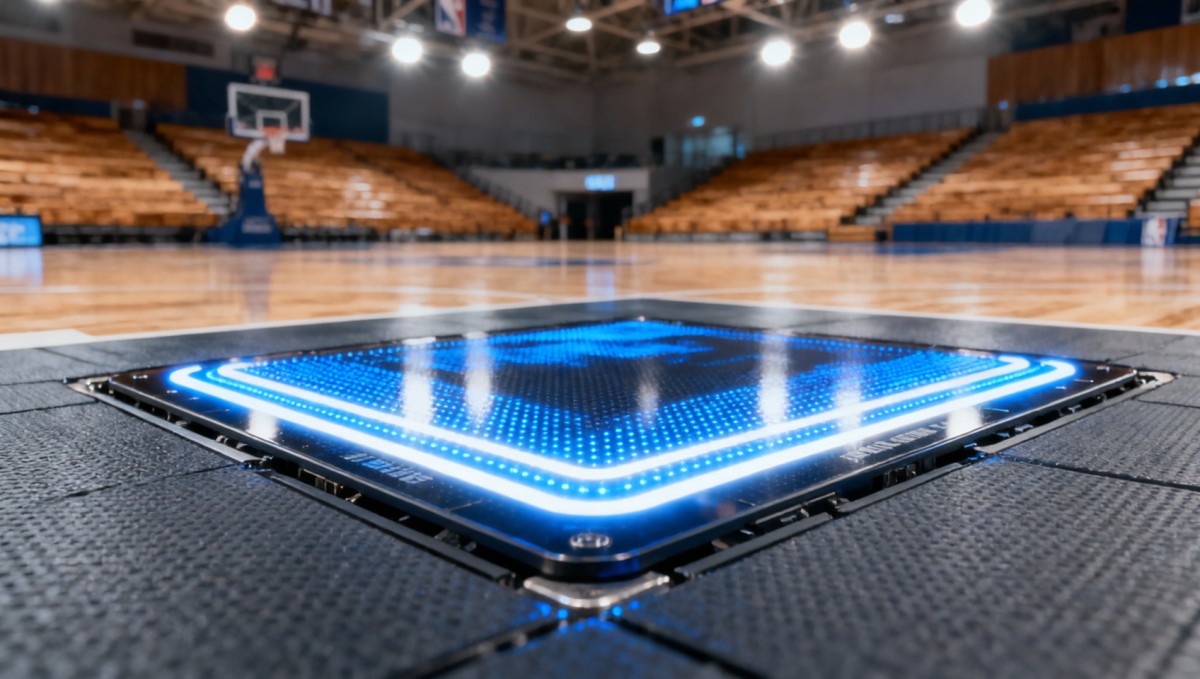
Conclusion: This NBA flooring mandate marks a definable inflection point for smart sports flooring supply chains — shifting emphasis from component-level safety to system-level interoperability and real-time responsiveness. It is best understood not as a broad market opportunity, but as a targeted compliance threshold affecting a narrow set of high-visibility, high-specification projects. Stakeholders should treat it as an early indicator of evolving performance benchmarks in elite athletic infrastructure — rather than a near-term volume driver across general commercial flooring segments.
Source: NBA official announcement (May 6, 2026); ANSI/UL 1598-CR3 Class II standard documentation (publicly available via UL Standards Portal); NBA Licensing Program guidelines (nba.com/licensing).
Note: Ongoing monitoring is advised for NBA’s forthcoming vendor onboarding framework and UL’s CR3 Class II interpretation bulletins — neither has been publicly released as of May 2026.
Search News
Hot Articles
- Commercial KitchenCommercial Kitchen Design Price: Budgeting by Layout, Equipment, and MEP ScopeSep 22, 2026
- Stationery & UniformsHow Schools Can Cut Printing Costs When Buying Ink Cartridges in BulkSep 21, 2026
- Jewelry Packaging & DisplayHow to Evaluate a Luxury Retail Packaging Supplier for Premium Brand ConsistencySep 20, 2026
Popular Tags
Need ExpertConsultation?
Connect with our specialized leisureengineering team for procurementstrategies.
Recommended News
 Aug 30, 2026Entertainment Venue Master Planning: How to Balance Capacity, Flow, and RevenueEntertainment venue development master planning: balance capacity, guest flow, and revenue with practical strategies for resilient, high-performing venues.● Theme Park Strategist
 Sep 07, 2026What Should Buyers Do When a Supplier Delivers Non-Compliant Products?What to do if a supplier delivers non-compliant commercial products: contain risks, document evidence, protect your project, and secure the right remedy.● Theme Park Strategist
 Sep 02, 2026Waterpark Capacity Management: Balancing Queue Times, Safety, and Guest ThroughputWaterpark capacity management strategies to reduce queue times, protect safety, optimize guest throughput, and build a smoother, more profitable park operation.● Theme Park Strategist
 Sep 01, 2026ASTM F2075 Explained: Testing Engineered Wood Fiber for Playground Impact SafetyASTM F2075 explained: learn how engineered wood fiber supports playground impact safety, smarter sourcing, compliance documentation, and reliable maintenance planning.● Theme Park Strategist
 Aug 24, 2026How to Evaluate an Indoor Ninja Warrior Course Supplier in Europe?indoor ninja warrior course Europe supplier guide: learn how to assess safety, EN compliance, engineering, installation, and maintenance support before you choose.● Theme Park Strategist
 Aug 20, 2026How to Choose Modular Indoor Play Equipment for Different Venue Sizes and Age GroupsModular indoor play equipment buying guide: learn how to match venue size, ceiling height, traffic flow, and age groups to create safer, smarter, and more profitable play spaces.● Theme Park Strategist
 Aug 14, 2026POB Push Lifts Overseas Pre-Registrations 45.74%POB boosts overseas pre-registrations for the 2026 China Sport Show by 45.74%, signaling stronger global buyer interest and smarter sourcing opportunities in sports manufacturing.● Theme Park Strategist
 Aug 02, 2026What to Check Before Buying Thick Gymnastic Mats Wholesale for Schools and GymsThick gymnastic mats wholesale buying guide for schools and gyms: learn how to check foam, cover durability, safety documents, samples, and true long-term value before placing a bulk order.● Theme Park Strategist
 Jul 28, 2026How to Design Inclusive Sensory Play Areas for Different Age Groups and NeedsInclusive sensory play starts with smart zoning, age planning, accessibility, and acoustics. Discover practical design tips to create safer, engaging spaces that truly work.● Theme Park Strategist
 Jul 26, 2026How to Evaluate a Bowling Alley Equipment Factory Before Requesting a QuoteBowling alley equipment factory evaluation starts before price. Learn how to check manufacturing scope, engineering, compliance, spare parts, and installation support to avoid costly sourcing mistakes.● Theme Park Strategist
 Jul 16, 2026EN 1176:2026 Takes Effect for Indoor PlaygroundsEN 1176:2026 takes effect for indoor playgrounds in the EU, making conformity assessment mandatory. Learn how this impacts certification, customs clearance, suppliers, and market access.● Theme Park Strategist
 Jul 15, 2026CPSC Sets New ASTM Impact Test for Indoor Playground Metal PartsCPSC sets new ASTM impact test rules for indoor playground metal parts effective Oct. 1, 2026. Learn how the 15kN requirement may affect compliance, testing timelines, and U.S. export delivery.● Theme Park Strategist
 Jul 14, 2026CPSC Tightens Phthalate Limit for Indoor Playground Soft MaterialsCPSC tightens phthalate limits for indoor playground soft materials from Aug 15, 2026. Learn how DIBP control, CBP detention risk, and testing changes impact sourcing, exports, and compliance.● Theme Park Strategist
 Jul 13, 2026Vietnam Tightens IoT Rule for Indoor Playground ImportsVietnam Tightens IoT Rule for Indoor Playground Imports: learn how VNSS-2025 gateway requirements affect exporters, buyers, installers, and delivery timelines before the 2026 deadline.● Theme Park Strategist
 Jul 13, 2026How a Recreational Facility Planning Company Helps Reduce Layout MistakesRecreational facility planning company insights: learn how early layout strategy reduces costly mistakes, improves flow, compliance, and buildability for smoother project delivery.● Theme Park Strategist
 Jul 12, 2026CPSC Halts Imports of Indoor Playground Soft PartsCPSC halts imports of indoor playground soft parts from China under ASTM F3432-26. Learn the compliance risks, testing requirements, and urgent steps importers must take now.● Theme Park Strategist
 Jul 11, 2026CPSC Import Alert Tightens Fire Test Rule for Indoor Playground PaddingCPSC import alert updates indoor playground padding rules to ASTM F3432-26. See how the new fire test affects foam mats, shipments, and U.S. market access.● Theme Park Strategist
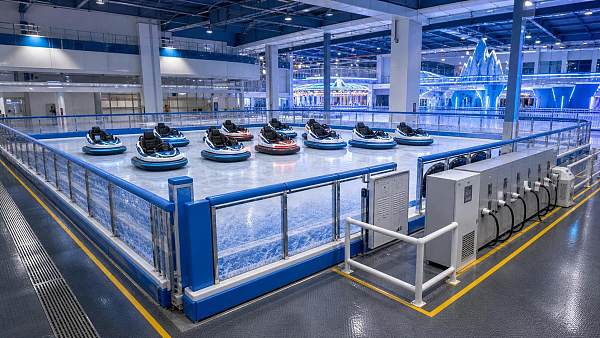
 Jul 11, 2026Ice Bumper Cars Bulk Order Checklist for Indoor Parks: Space, Power, and Safety PointsIce bumper cars bulk order guide for indoor parks: learn how to assess space, power, safety, and throughput before buying, so you can avoid costly mistakes and choose the right fleet with confidence.● Theme Park Strategist
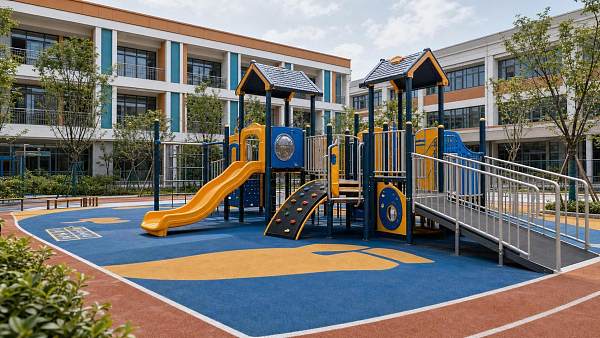
 Jul 10, 2026Commercial Playground Equipment for Campuses: Key Safety Standards and Planning TipsCommercial playground equipment for campuses: explore key safety standards, inclusive layout planning, durable materials, and smart procurement tips to avoid costly mistakes.● Theme Park Strategist
 Jul 09, 2026CPSC Recall Escalates Over Phthalates in Indoor Playground PadsCPSC recall escalates over phthalates in indoor playground pads as affected batches exceed CPSIA limits. Learn the risks, supply chain impact, and what buyers should monitor now.● Theme Park Strategist
 Jul 07, 2026How to Choose Ice Skating Rink Equipment in Europe: Key Systems, Standards, and Budget Factorsice skating rink equipment Europe guide: compare refrigeration, rink floors, boards, EU compliance, and total budget factors to choose a safer, more efficient commercial rink solution.● Theme Park Strategist
 Jul 06, 2026CPSC Flags New Flame Test for Indoor Playground PaddingCPSC flags a new flame test for indoor playground padding under ASTM F1487-23b. Learn how this urgent compliance alert affects materials, testing, imports, and U.S. market access.● Theme Park Strategist
 Jul 05, 2026Vietnam Sets VCA Registration Deadline for Indoor Playground ImportsVietnam Sets VCA Registration Deadline for Indoor Playground Imports: learn the August 15, 2026 VCA registration rule, batch EN 14960 test report requirements, and how to avoid import license delays in Vietnam.● Theme Park Strategist
 Jul 04, 2026EU Rule Tightens Fire Tests for Indoor Playground PaddingIndoor Playground suppliers and buyers must act now as the EU enforces stricter fire and smoke tests under EN 14960:2026+A1:2026. Learn the compliance risks, customs impact, and sourcing priorities.● Theme Park Strategist