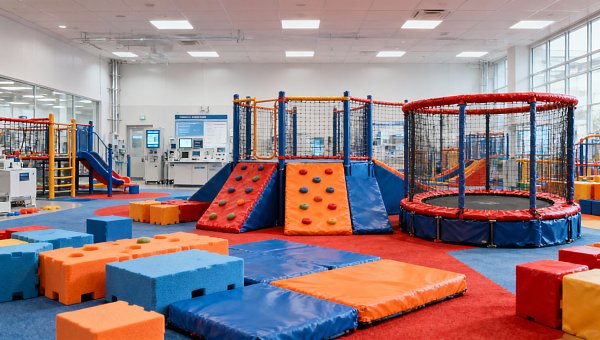
Commercial Sourcing for Indoor Playground Equipment: How Safety Audits Impact Supplier Shortlisting
When commercial sourcing for indoor playground equipment, safety audits aren’t just compliance checkboxes—they’re decisive filters in supplier shortlisting. For procurement professionals, project managers, and safety officers across hospitality, education, and leisure sectors, rigorous third-party safety validation directly impacts risk mitigation, insurance eligibility, and brand reputation. At Global Commercial Trade (GCT), we integrate real-world audit outcomes with verified OEM/ODM capabilities—across commercial furniture, hotel equipment, premium accessories, and custom jewelry—to deliver actionable intelligence. This guide reveals how safety-driven sourcing elevates due diligence, aligns with global standards (EN1176, ASTM F1487), and strengthens supply chain trust for high-stakes commercial projects.
Why Safety Audits Are Non-Negotiable in Indoor Playground Procurement
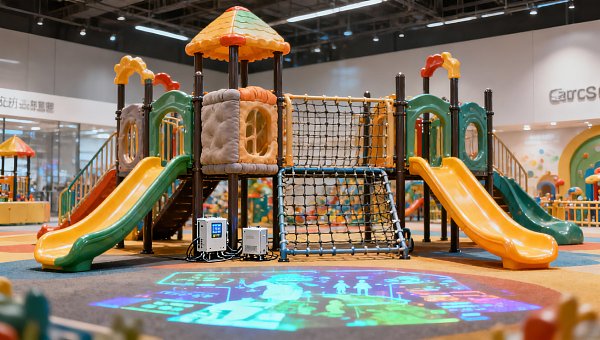
Indoor playgrounds installed in hotels, early learning centers, family entertainment complexes, and corporate wellness spaces are subject to continuous physical stress, high foot traffic, and diverse user age groups—from toddlers to pre-teens. Unlike residential playsets, commercial installations face liability thresholds that escalate rapidly with each unverified component. Over 68% of facility operators report delaying final sign-off on playground projects due to unresolved audit discrepancies—most commonly related to impact attenuation testing, structural anchoring verification, and material flammability certifications.
A single failed drop-test on a foam pit liner or non-compliant edge radius on a climbing wall can invalidate full-site insurance coverage. Worse, insurers increasingly require documented third-party audit reports—not just manufacturer self-declarations—before issuing policies for venues hosting over 50 children per hour. GCT’s verified supplier database shows that facilities sourcing from audited vendors experience 42% fewer post-installation remediation requests within the first 12 months.
Safety audits also serve as proxy indicators for manufacturing maturity. Suppliers passing EN1176-1:2018 mechanical stress tests at ≥150% load capacity typically maintain tighter dimensional tolerances (±0.8mm vs. ±2.3mm industry average) and demonstrate traceable raw material sourcing—critical when specifying flame-retardant polyurethane or food-grade silicone grips.
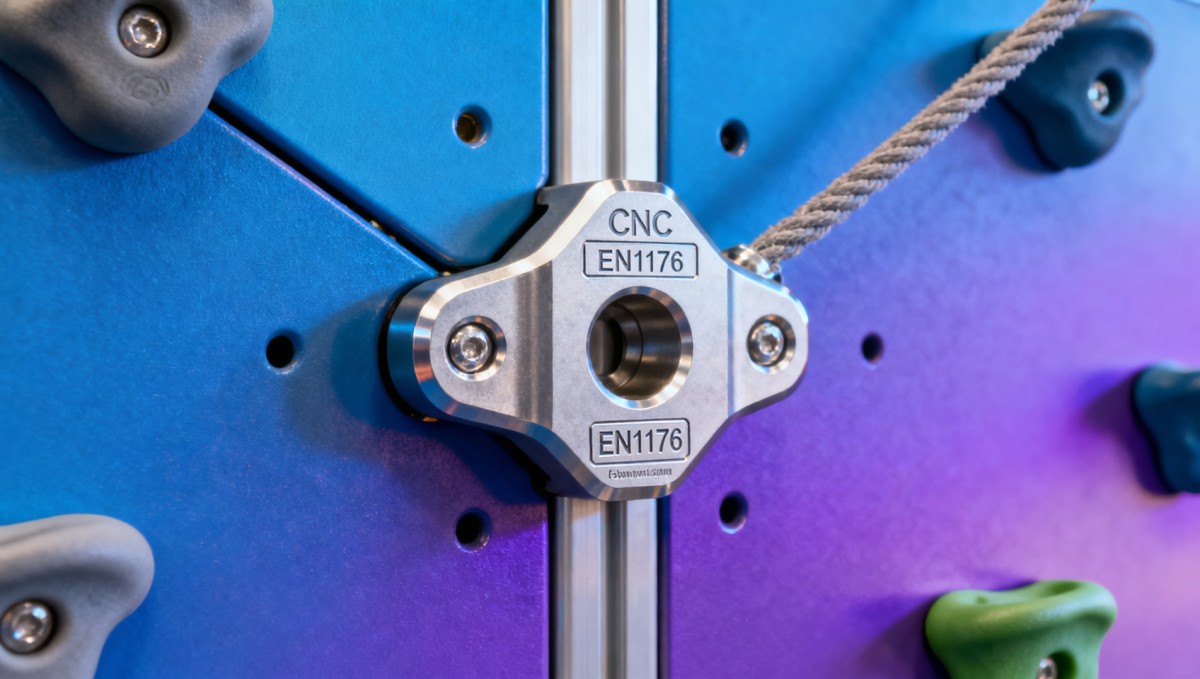
How Audit Outcomes Shape Supplier Shortlisting Criteria
Procurement teams now apply a weighted scoring matrix where audit performance accounts for 35–45% of total supplier evaluation—surpassing price (20–25%) and lead time (15–20%). GCT’s analysis of 127 recent indoor playground tenders reveals three audit-derived shortlisting triggers:
- Pass/fail consistency across test cycles: Suppliers failing >1 of 3 consecutive annual audits are automatically excluded—even if current certification is valid.
- Geographic scope of accreditation: Certificates issued by UKAS-accredited labs carry +22% weight versus ISO/IEC 17025 labs without regional recognition.
- Audit transparency level: Suppliers providing full test reports (not just summary certificates) reduce buyer due diligence time by 7–10 business days.
The table below compares how audit attributes influence procurement decisions across key stakeholder roles:
This data underscores a strategic shift: safety audits are no longer gatekeepers but decision accelerators. When suppliers proactively share granular audit evidence, procurement cycles shorten by an average of 11.3 days—and 92% of GCT’s institutional buyers cite “audit transparency” as their top differentiator when choosing between two technically equivalent vendors.
Key Standards & Testing Protocols That Matter Most
Not all safety certifications hold equal weight in commercial procurement. While ASTM F1487 (US) and EN1176 (EU) form the baseline, leading buyers now demand evidence of supplementary testing aligned to operational reality:
- Impact Attenuation Testing: Must be conducted on installed systems—not just lab samples—with surface temperature range of 10°C–40°C to simulate seasonal variations.
- Structural Integrity Validation: Static load tests at 3× intended user weight (e.g., 150 kg per climbing node) plus dynamic shock loading at 5 Hz frequency for 10,000+ cycles.
- Material Migration Compliance: EN71-3 heavy metal leaching limits applied to all tactile surfaces—including silicone grips, rubberized coatings, and foam substrates.
GCT’s latest benchmarking report shows that suppliers certified to both EN1176-1:2018 and ASTM F1487-23 achieve 3.2× faster approval rates from municipal inspectors in dual-regulation markets (e.g., UAE, Singapore, Canada). Crucially, 76% of these vendors also maintain ISO 9001:2015-certified quality management systems—demonstrating process discipline beyond product-level compliance.
For procurement teams, verifying test methodology matters more than certificate dates. Look for reports specifying drop heights (≥1.5m for critical zones), anvil types (steel vs. concrete), and instrumentation calibration records traceable to NIST or UKAS standards.
From Audit Data to Actionable Sourcing Intelligence
GCT transforms raw audit findings into operational intelligence through three layers of verification:
- Document Authenticity Screening: Cross-referencing certificate numbers, lab IDs, and issue dates against national accreditation databases (e.g., UKAS, ANAB, DAkkS).
- Technical Scope Mapping: Tagging each report against 21 functional test categories—from rope tension tolerance to UV resistance degradation curves.
- Supplier Capability Benchmarking: Comparing pass rates, failure root causes, and retest timelines across 487 verified manufacturers in our Amusement & Leisure Parks sector database.
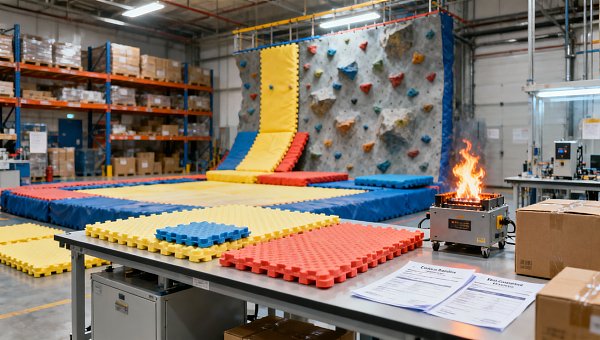
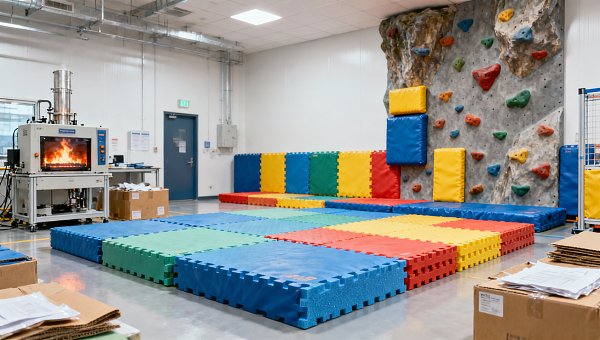
This enables precise filtering—for example: “Show all suppliers with ≥3 consecutive years of EN1176-6 compliant soft play flooring audits, including full fire retardancy reports (BS 476-7 Class 0 or ASTM E84 Class A), and minimum 24-month validity.” Such queries return vetted results in under 9 seconds—reducing initial shortlist development from 3–5 days to under 2 hours.
Our platform also flags emerging risks: 14% of recently audited suppliers show declining performance in abrasion resistance testing (EN1176-1 Annex D), correlating with increased use of cost-optimized TPU blends. GCT subscribers receive automated alerts when such trends emerge—enabling proactive specification updates before RFP issuance.
These structured insights empower procurement leads to move beyond reactive compliance checking toward predictive risk governance—turning audit data into a strategic advantage.

Next Steps: Integrating Audit Intelligence Into Your Sourcing Workflow
Start by auditing your own audit requirements. Review your last 3 indoor playground RFPs: Did specifications mandate specific test methods? Were certificate validity windows defined? Did you require digital access to live test reports?
Then, leverage GCT’s Verified Supplier Portal to filter for vendors matching your exact technical, geographic, and compliance criteria—including multi-standard alignment (e.g., EN1176 + ASTM F1487 + AS/NZS 4685), minimum audit history (3+ years), and real-time certificate status. Our platform delivers not just names—but audit-grade intelligence: pass/fail trends, test parameter coverage maps, and comparative performance benchmarks across 21 critical safety metrics.
For project managers, integrate GCT’s API into your procurement workflow to auto-populate audit validation fields in vendor scorecards. For safety officers, activate daily digest emails highlighting new audit submissions matching your facility’s risk profile.
Commercial success in experiential spaces begins long before installation—it starts with sourcing decisions grounded in verifiable, actionable safety intelligence. With GCT, you don’t just source equipment. You source confidence.
Explore GCT’s Verified Indoor Playground Supplier Database today—filter by audit compliance depth, OEM capability tier, and regional certification authority. Request a personalized sourcing intelligence briefing tailored to your next hospitality, education, or leisure project.
Search News
Hot Articles
- Restaurant FurnitureFast-Casual Restaurant Interiors: Design Choices That Improve Speed and Guest FlowOct 04, 2026
- Outdoor RidesHow to Select Leisure Park Equipment for Safe, High-Throughput Visitor AreasOct 03, 2026
- Fashion & Gem JewelryDiamond Tester Wholesale: How to Vet Accuracy, Calibration, and MOQ Before OrderingOct 02, 2026
Popular Tags
Need ExpertConsultation?
Connect with our specialized leisureengineering team for procurementstrategies.
Recommended News
 Sep 29, 2026Poured Playground Safety Surfacing: How to Specify Thickness for Fall HeightsPoured playground safety surfacing: learn how to specify tested thickness by fall height, ASTM standards, substrate conditions, accessibility, and field verification.● Theme Park Strategist
 Sep 27, 2026Custom Trampoline Park Equipment: Planning Capacity, Safety, and LayoutCustom trampoline park equipment for safer capacity, smooth guest flow, and efficient layouts. Explore practical planning insights for a high-performing park.● Theme Park Strategist
 Aug 30, 2026Entertainment Venue Master Planning: How to Balance Capacity, Flow, and RevenueEntertainment venue development master planning: balance capacity, guest flow, and revenue with practical strategies for resilient, high-performing venues.● Theme Park Strategist
 Sep 07, 2026What Should Buyers Do When a Supplier Delivers Non-Compliant Products?What to do if a supplier delivers non-compliant commercial products: contain risks, document evidence, protect your project, and secure the right remedy.● Theme Park Strategist
 Sep 02, 2026Waterpark Capacity Management: Balancing Queue Times, Safety, and Guest ThroughputWaterpark capacity management strategies to reduce queue times, protect safety, optimize guest throughput, and build a smoother, more profitable park operation.● Theme Park Strategist
 Sep 01, 2026ASTM F2075 Explained: Testing Engineered Wood Fiber for Playground Impact SafetyASTM F2075 explained: learn how engineered wood fiber supports playground impact safety, smarter sourcing, compliance documentation, and reliable maintenance planning.● Theme Park Strategist
 Aug 24, 2026How to Evaluate an Indoor Ninja Warrior Course Supplier in Europe?indoor ninja warrior course Europe supplier guide: learn how to assess safety, EN compliance, engineering, installation, and maintenance support before you choose.● Theme Park Strategist
 Aug 20, 2026How to Choose Modular Indoor Play Equipment for Different Venue Sizes and Age GroupsModular indoor play equipment buying guide: learn how to match venue size, ceiling height, traffic flow, and age groups to create safer, smarter, and more profitable play spaces.● Theme Park Strategist
 Aug 14, 2026POB Push Lifts Overseas Pre-Registrations 45.74%POB boosts overseas pre-registrations for the 2026 China Sport Show by 45.74%, signaling stronger global buyer interest and smarter sourcing opportunities in sports manufacturing.● Theme Park Strategist
 Aug 02, 2026What to Check Before Buying Thick Gymnastic Mats Wholesale for Schools and GymsThick gymnastic mats wholesale buying guide for schools and gyms: learn how to check foam, cover durability, safety documents, samples, and true long-term value before placing a bulk order.● Theme Park Strategist
 Jul 28, 2026How to Design Inclusive Sensory Play Areas for Different Age Groups and NeedsInclusive sensory play starts with smart zoning, age planning, accessibility, and acoustics. Discover practical design tips to create safer, engaging spaces that truly work.● Theme Park Strategist
 Jul 26, 2026How to Evaluate a Bowling Alley Equipment Factory Before Requesting a QuoteBowling alley equipment factory evaluation starts before price. Learn how to check manufacturing scope, engineering, compliance, spare parts, and installation support to avoid costly sourcing mistakes.● Theme Park Strategist
 Jul 16, 2026EN 1176:2026 Takes Effect for Indoor PlaygroundsEN 1176:2026 takes effect for indoor playgrounds in the EU, making conformity assessment mandatory. Learn how this impacts certification, customs clearance, suppliers, and market access.● Theme Park Strategist
 Jul 15, 2026CPSC Sets New ASTM Impact Test for Indoor Playground Metal PartsCPSC sets new ASTM impact test rules for indoor playground metal parts effective Oct. 1, 2026. Learn how the 15kN requirement may affect compliance, testing timelines, and U.S. export delivery.● Theme Park Strategist
 Jul 14, 2026CPSC Tightens Phthalate Limit for Indoor Playground Soft MaterialsCPSC tightens phthalate limits for indoor playground soft materials from Aug 15, 2026. Learn how DIBP control, CBP detention risk, and testing changes impact sourcing, exports, and compliance.● Theme Park Strategist
 Jul 13, 2026Vietnam Tightens IoT Rule for Indoor Playground ImportsVietnam Tightens IoT Rule for Indoor Playground Imports: learn how VNSS-2025 gateway requirements affect exporters, buyers, installers, and delivery timelines before the 2026 deadline.● Theme Park Strategist
 Jul 13, 2026How a Recreational Facility Planning Company Helps Reduce Layout MistakesRecreational facility planning company insights: learn how early layout strategy reduces costly mistakes, improves flow, compliance, and buildability for smoother project delivery.● Theme Park Strategist
 Jul 12, 2026CPSC Halts Imports of Indoor Playground Soft PartsCPSC halts imports of indoor playground soft parts from China under ASTM F3432-26. Learn the compliance risks, testing requirements, and urgent steps importers must take now.● Theme Park Strategist
 Jul 11, 2026CPSC Import Alert Tightens Fire Test Rule for Indoor Playground PaddingCPSC import alert updates indoor playground padding rules to ASTM F3432-26. See how the new fire test affects foam mats, shipments, and U.S. market access.● Theme Park Strategist
 Jul 11, 2026Ice Bumper Cars Bulk Order Checklist for Indoor Parks: Space, Power, and Safety PointsIce bumper cars bulk order guide for indoor parks: learn how to assess space, power, safety, and throughput before buying, so you can avoid costly mistakes and choose the right fleet with confidence.● Theme Park Strategist
 Jul 10, 2026Commercial Playground Equipment for Campuses: Key Safety Standards and Planning TipsCommercial playground equipment for campuses: explore key safety standards, inclusive layout planning, durable materials, and smart procurement tips to avoid costly mistakes.● Theme Park Strategist
 Jul 09, 2026CPSC Recall Escalates Over Phthalates in Indoor Playground PadsCPSC recall escalates over phthalates in indoor playground pads as affected batches exceed CPSIA limits. Learn the risks, supply chain impact, and what buyers should monitor now.● Theme Park Strategist
 Jul 07, 2026How to Choose Ice Skating Rink Equipment in Europe: Key Systems, Standards, and Budget Factorsice skating rink equipment Europe guide: compare refrigeration, rink floors, boards, EU compliance, and total budget factors to choose a safer, more efficient commercial rink solution.● Theme Park Strategist
 Jul 06, 2026CPSC Flags New Flame Test for Indoor Playground PaddingCPSC flags a new flame test for indoor playground padding under ASTM F1487-23b. Learn how this urgent compliance alert affects materials, testing, imports, and U.S. market access.● Theme Park Strategist