Trampoline park price per square foot explained simply
Understanding trampoline park price per square foot is essential for buyers comparing a trampoline park supplier or indoor playground manufacturer for new leisure projects. This guide explains the key cost drivers in simple terms, helping procurement teams, distributors, and commercial evaluators assess budgets, supplier value, and long-term return before making sourcing decisions.
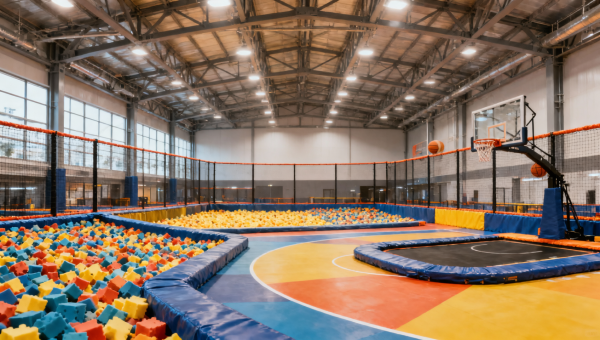
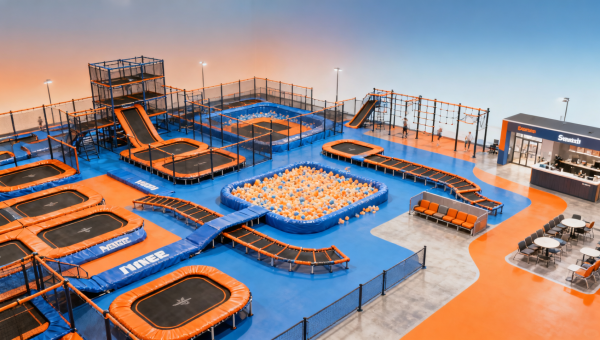
In the sports and entertainment sector, a trampoline park is not purchased as a single product. It is a commercial system that combines steel structure, jumping beds, foam pits, soft play, climbing elements, safety padding, circulation planning, and operating capacity. That is why the same floor area can produce very different budgets from one supplier to another.
For B2B buyers, the most useful question is not only “What is the price per square foot?” but also “What is included in that number, what is excluded, and what level of performance will the venue deliver over 3–5 years?” A low quoted rate can become expensive if installation, freight, compliance upgrades, or maintenance are underestimated.
The sections below break the subject into practical procurement terms. You will see typical cost ranges, scope differences, planning factors, supplier evaluation points, and common mistakes that affect trampoline park price per square foot in real sourcing projects.
What trampoline park price per square foot really means
At a basic level, trampoline park price per square foot refers to the total project or equipment cost divided by the usable attraction area. In practice, buyers should define whether the calculation is based on total leased floor area, net play area, or equipment footprint. A 10,000 sq ft venue and an 10,000 sq ft equipment package are not always the same thing.
In many commercial discussions, suppliers quote a broad range such as USD 25–80 per sq ft for equipment-focused projects, while more complex custom builds may move higher depending on country, theme, and engineering scope. Those ranges are useful only as early screening benchmarks. They are not final procurement numbers.
A simpler way to understand the metric is to separate three layers: equipment package cost, project delivery cost, and operating readiness cost. Equipment may include trampolines, frames, pads, dodgeball zones, basketball lanes, and safety netting. Delivery cost may include shipping, import duties, site supervision, and installation. Operating readiness cost may include flooring outside the attraction, front desk systems, signage, and staff training.
For procurement teams, the biggest risk is comparing quotes built on different assumptions. One supplier may price only the jumping structure, while another includes soft play, party rooms, stair access, and fire-retardant padding. The price per square foot looks different, but the project scope is different too.
Typical pricing interpretation layers
The table below shows how buyers should interpret different pricing models when reviewing a trampoline park supplier or indoor playground manufacturer. This helps avoid false comparisons during the RFQ stage.
The key takeaway is simple: the lower the headline price, the more carefully buyers should examine exclusions. A quote that is 15% lower at the start can become 10% higher after freight, padding upgrades, and site modifications are added.
Three questions to ask before comparing numbers
- Is the price based on gross building size, net attraction area, or equipment footprint only?
- Does the quote include safety enclosure, access stairs, foam pit cubes, and wall protection?
- What part of the budget remains outside the supplier scope, such as civil works, HVAC adjustments, or local inspection fees?
Main cost drivers that change the number
The biggest factors behind trampoline park price per square foot are layout complexity, attraction mix, material grade, local compliance, and installation conditions. A rectangular open jump arena with standard wall pads is more economical than a multi-zone family entertainment layout with ninja courses, interactive games, climbing walls, and toddler zones.
Material specification has a direct cost effect. Thicker padding, heavier steel gauge, upgraded spring systems, anti-slip surfaces, and higher-grade fire-retardant components all increase the initial number. In many projects, these upgrades can change the budget by 8%–20%, especially when the venue targets shopping malls, premium family entertainment centers, or high-traffic urban locations.
Ceiling height also matters. A venue with 6–8 meters of clear height usually offers more flexibility for slam zones, climbing features, or elevated courses. But higher structures may require more engineering, netting, and access control. If the building has columns, irregular walls, or split levels, customization and installation time often increase.
Geography changes cost as well. Ocean freight, inland transport, import duties, and labor costs vary significantly by region. A project shipped over 4–7 weeks from an overseas factory may look economical on factory price, but the landed cost can rise materially after logistics and local compliance work are included.
Common cost drivers in commercial trampoline projects
Use the following table as a practical reference when discussing supplier proposals. It shows which variables usually push pricing down, keep it stable, or move it up.
For distributors and project evaluators, the useful lesson is that price per square foot is a result, not a cause. It reflects design ambition, usage intensity, local conditions, and service level. A procurement process that isolates these variables will produce more reliable supplier comparisons.
Cost items buyers often miss
- Structural floor assessment if equipment loads are concentrated in older buildings.
- Extra wall and column padding beyond the initial concept drawing.
- Replacement foam cubes, pads, or springs budgeted for the first 12–24 months.
- Local language safety signage and operating rule boards.
- Custom branding and theme finishes requested late in the project cycle.
How to compare suppliers without being misled by low quotes
When evaluating a trampoline park supplier, commercial buyers should compare scope consistency before comparing price. If two proposals differ in layout density, accessory count, compliance documents, or installation support, the lower rate per square foot may not represent better value. It may only represent a smaller responsibility scope.
A disciplined review process usually includes 4 layers: design capability, manufacturing quality, project documentation, and after-sales support. In trampoline parks, after-sales matters because high-use components wear over time. A supplier that can deliver spare parts in 7–21 days and provide clear maintenance manuals often reduces downtime and protects revenue better than a cheaper but distant option.
Buyers should also assess commercial readiness. Can the supplier adapt the layout to local age groups, ticketing strategy, or party-room business? Can it support phased rollout for multi-site operators? For distributors, these questions affect resale potential and service reputation across markets.
Another important point is documentation. For leisure projects, the proposal should define materials, dimensions, safety zones, anchoring method, warranty terms, lead time, and exclusion list. Without these items, a quote cannot be reliably benchmarked, even if the per-square-foot figure looks attractive.
Supplier comparison checklist
The table below can be used by procurement managers, business evaluators, or regional distributors when shortlisting manufacturers for a 5,000–30,000 sq ft trampoline park project.
If two suppliers are within 5%–10% of each other on price, the one with clearer specifications, better layout efficiency, and stronger spare-parts planning often creates better value. For commercial leisure venues, uptime and guest flow can be more important than the lowest starting quote.
Signs a quote needs more clarification
- No distinction between attraction area and total building area.
- No list of consumable or replaceable components.
- Unclear installation responsibility or no estimated installation duration.
- Warranty terms stated broadly without component detail.
- Design rendering provided without technical layout dimensions.
Budget planning, ROI thinking, and long-term operating cost
A practical budget for a trampoline park should extend beyond initial purchase price. Procurement teams should divide the investment into at least 3 buckets: attraction acquisition, site preparation, and first-year operating support. This approach is especially useful for investors assessing commercial feasibility or distributors helping clients forecast total landed cost.
From an ROI perspective, higher price per square foot can still be efficient if the venue generates better throughput, supports multiple age groups, and reduces maintenance interruptions. For example, a denser layout with party zones, toddler play, and challenge elements may improve revenue mix, even if the initial budget is 12%–18% above a standard jump-only concept.
Operating cost is often underestimated. Pads, springs, foam pit components, socks, routine inspection labor, and cleaning all add up. In high-traffic centers, monthly inspection cycles and quarterly preventive maintenance checks are common. Buyers should ask which components are considered wear items and what replacement rhythm is typical under commercial use.
The most effective sourcing strategy is to align price per square foot with business model. A neighborhood family center, a mall-based anchor tenant, and a regional sports entertainment concept will each require different attraction density, guest turnover, and design investment. That is why value should be measured against operating scenario, not just purchase price.
Simple budget structure for planning discussions
This planning framework can help buyers understand how the headline rate translates into a more complete commercial budget.
This model shows why a narrow equipment quote should never be treated as the full cost benchmark. When investors or procurement teams plan all three budget buckets early, they reduce surprises during installation and pre-opening stages.
Practical budgeting tips
- Keep a 5%–10% contingency for design changes, logistics shifts, or local compliance adjustments.
- Request a spare parts starter list for the first 12 months of operation.
- Estimate maintenance labor from day one, especially for venues open 7 days per week.
- Ask whether the layout can be phased if capital is released in stages.
Common mistakes, key procurement questions, and final buying advice
One of the most common mistakes is using trampoline park price per square foot as a final decision tool instead of a screening tool. The metric is useful for narrowing options, but it should always be tested against design quality, guest capacity, maintenance needs, and long-term support.
Another mistake is buying too much novelty and too little throughput. Some venues invest heavily in visual features but fail to balance open jumping, queue control, and age zoning. In commercial sports and entertainment projects, a layout that supports safe circulation and fast supervision is often more profitable than one overloaded with difficult-to-maintain attractions.
Lead time is another critical issue. Depending on customization level, production and delivery may take 4–12 weeks or longer, while installation can require 1–4 weeks. If lease commencement, mall opening schedule, or seasonal launch dates are fixed, buyers should confirm a detailed timeline before issuing purchase orders.
For sourcing professionals working with Global Commercial Trade audiences, the strongest approach is to combine pricing analysis with supplier intelligence. Evaluate not only the cost per square foot, but also the supplier’s fit for your target market, whether family entertainment, indoor sports activity, multi-attraction leisure centers, or regional distribution opportunities.
FAQ: Questions buyers often ask
How much area is usually needed for a viable trampoline park?
Many entry-level commercial concepts start around 5,000–8,000 sq ft, while stronger regional venues often range from 10,000–25,000 sq ft. The right size depends on local rent, target age group, and whether the business includes party rooms, food service, or additional attractions.
Is a lower price per square foot always better for distributors or resellers?
Not necessarily. A lower rate can improve entry competitiveness, but if documentation is weak or spare parts are slow, the distributor may face after-sales pressure. For channel partners, stable specification, repeatability, and service response often matter as much as factory price.
What should be included in a serious RFQ?
A useful RFQ should include floor plan dimensions, ceiling height, column positions, target age groups, desired attraction list, local code requirements if known, and expected opening date. These 6 data points help suppliers prepare more realistic proposals and more comparable price-per-square-foot figures.
How can buyers reduce cost without hurting attraction quality?
The smartest approach is to simplify geometry, standardize modular sections, and prioritize 2–3 core attractions with proven traffic value. Reducing unnecessary custom shapes often saves more than cutting essential safety or durability elements.
Trampoline park price per square foot becomes much easier to understand when buyers separate equipment cost from full project cost, compare like-for-like scopes, and evaluate the business model behind the layout. For procurement teams, commercial evaluators, and distributors, the best decision is rarely the cheapest quote. It is the option that balances safety, attraction value, installation clarity, maintenance control, and long-term operating return.
If you are reviewing a new trampoline park supplier, planning an indoor leisure venue, or comparing multiple manufacturing partners, now is the right time to request a detailed scope breakdown and tailored sourcing guidance. Contact us to discuss your project, get a customized solution, and explore more commercial sports and entertainment sourcing options.
Search News
Hot Articles
- Stage Lighting & TrussCCTV5 Snooker Broadcast Drives 37% Surge in Stage Lighting Export InquiriesApr 21, 2026
- Indoor PlaygroundVietnam Mandates Child Finger-Trap Sensors for Indoor Play EquipmentApr 21, 2026
- Stage Lighting & TrussGuangdong vs. Shanxi CBA Game Highlights Domestic Smart Arena LightingApr 21, 2026
Popular Tags
Need ExpertConsultation?
Connect with our specialized leisureengineering team for procurementstrategies.
Recommended News
 Apr 21, 2026Vietnam Mandates Child Finger-Trap Sensors for Indoor Play EquipmentVietnam mandates child finger-trap sensors for indoor play equipment—comply with TCVN 9507:2023 by July 1, 2026 to clear customs & protect kids.● Theme Park Strategist
 Apr 20, 2026NES Launches Sports Community Curator ProgramSports Community Curator program launched by NES — join global fitness studios, uni clubs & outdoor groups to co-create, test gear & grow with Chinese sports brands.● Theme Park Strategist
 Apr 17, 2026CPSC AI Safety Alert: 200ms Delay in Child Playground AI Systems = HazardCPSC AI Safety Alert: 200ms delay in child playground AI systems = hazard. Learn how latency compliance impacts Target/Walmart listings, testing, and supply chain.● Theme Park Strategist
 Apr 17, 20262026 Shanghai Sailing Open Adopts Domestic SeaChronos Pro Timing SystemSeaChronos Pro timing system debuts at 2026 Shanghai Sailing Open — ITU-certified, millisecond-accurate, wind- and tide-integrated. A game-changer for marine sports tech.● Theme Park Strategist
 Apr 16, 2026FDA Proposes New Labeling Rules for Sports Nutrition Supplements with Chinese LabelsFDA's new labeling rules for sports nutrition supplements with Chinese labels take effect April 2026—learn compliance must-dos for U.S. importers, manufacturers & brands.● Theme Park Strategist
 Apr 15, 2026Saudi SASO Updates Amusement Ride Standards: VR Devices Now Require Mandatory EMC TestingSaudi SASO's new 2026 standard mandates EMC testing for VR amusement rides, impacting exporters. Learn key compliance strategies for Saudi market access.● Theme Park Strategist
 Apr 14, 2026Japan Mandates Multilingual E-Manuals for Fitness Equipment from April 2026Japan mandates multilingual e-manuals for fitness equipment from April 2026. Learn how this impacts manufacturers & importers with JIS T 0601-1 compliance requirements. Stay ahead of the regulation!● Theme Park Strategist
 Apr 13, 2026WTT Taiyuan Adopts Chinese AI Table Tennis Analysis System with ITTF Export CertificationWTT Taiyuan adopts Chinese AI table tennis analysis system with ITTF export certification, enabling real-time ball speed & spin tracking. A game-changer for sports tech in emerging markets like Southeast Asia & Middle East.● Theme Park Strategist
 Apr 13, 2026First Female Snooker Player Achieves Multiple Century Breaks as Chinese Table Gains WPBSA CertificationChinese snooker player Bai Yulu makes history with multiple century breaks using WPBSA-certified 'Tournament Pro X7' table, marking a milestone for Chinese manufacturing in professional snooker equipment. Discover how this impacts global markets.● Theme Park Strategist
 Apr 13, 2026RCEP Zero Tariff on China's TPU Sports Protective Gear Boosts ASEAN TradeRCEP's zero-tariff policy on China's TPU sports protective gear boosts ASEAN trade, giving Chinese exporters cost advantages over Korean rivals. Learn how manufacturers and distributors can capitalize on this opportunity.● Theme Park Strategist
 Apr 10, 2026Japan's JIS T 9001:2026 Sports Flooring Anti-Slip Standard Mandatory from April 2026Japan's JIS T 9001:2026 standard mandates anti-slip sports flooring (SCOF ≥ 0.6) from April 2026. Chinese exporters must adapt to meet new requirements. Learn key compliance strategies.● Theme Park Strategist
 Apr 10, 2026Bai Yulu Makes History at Snooker World Championship, Sparks Surge in Women's Sports Equipment DemandBai Yulu makes history at Snooker World Championship with two century breaks, sparking 185% surge in women's sports equipment demand. Discover how manufacturers, e-commerce & supply chains can capitalize on this trend.● Theme Park Strategist
 Apr 10, 20262026 Badminton Asia Championships Quarterfinals Schedule Announced, Shi Yuqi to Compete; Southeast Asia Racket Orders Face 6-8 Week Delays2026 Badminton Asia Championships quarterfinals schedule revealed with Shi Yuqi competing, while Southeast Asia faces 6-8 week racket delays. Learn how supply chain issues impact manufacturers and get strategies to navigate equipment shortages.● Theme Park Strategist
 Apr 10, 2026WTT Taiyuan Challenge Sparks Smart Equipment Demand: Japan Buyers Scrutinize AI Training TechDiscover how the WTT Taiyuan Challenge boosts demand for AI training tech as Japanese buyers evaluate smart sports equipment. Learn key opportunities for manufacturers with JIS-certified solutions.● Theme Park Strategist
 Apr 10, 2026Chinese Snooker Players' Success Spurs Global Demand for Cue AccessoriesChinese snooker players' success drives 210% global demand surge for cue accessories. Explore how manufacturers & exporters can capitalize on this trend with UK, German & Australian markets leading inquiries.● Theme Park Strategist
 Apr 10, 2026EU Updates EN 16830:2026 Eyewear Safety Standard, Impacting China's Sports Goggle ExportsEU's updated EN 16830:2026 eyewear safety standard impacts China's sports goggle exports with stricter CE certification requirements. Learn how manufacturers and exporters can adapt to new impact resistance, UV400+, and blue light blocking standards before the September 2026 deadline.● Theme Park Strategist
 Apr 21, 2026Trampoline park price per square foot explained simplyTrampoline park price per square foot explained simply—compare every trampoline park supplier and indoor playground manufacturer with clear cost drivers, scope tips, and smarter ROI insights.● Theme Park Strategist
 Apr 19, 2026CPSC AI Delay Alert: >200ms = Substantial Hazard for Kids' Indoor Play EquipmentCPSC AI Delay Alert: >200ms latency = Substantial Hazard for kids' indoor play equipment. Learn compliance steps, testing mandates & urgent actions for OEMs and importers.● Theme Park Strategist
 Apr 18, 2026PopFeather AI Standard Launched at SMT Forum in ChengduPopFeather AI standard launched at SMT Forum in Chengdu — a breakthrough for AI-powered badminton training interoperability. Discover how this new interface protocol reshapes sports tech integration for manufacturers, AI platforms & global partners.● Theme Park Strategist
 Apr 18, 2026CPSC AI Safety Alert: >200ms Delay = Substantial HazardCPSC AI Safety Alert: >200ms latency = Substantial Hazard for indoor play equipment. Critical for exporters, ODMs & AI module suppliers targeting US markets.● Theme Park Strategist
 Apr 19, 2026Indoor playground themes that age badly after one seasonTrampoline park and indoor playground themes can age fast. Learn which concepts lose value after one season, how musical instruments, percussion instruments, wind instruments, string instruments, outdoor playground ideas, and playground swings inspire longer-lasting, click-worthy design decisions.● Theme Park Strategist
 Apr 19, 2026Trampoline park capacity planning is often wrong for weekendsTrampoline park weekend capacity planning often fails when indoor playground benchmarks are used. Learn how smarter forecasting boosts safety, flow, and revenue across mixed attractions.● Theme Park Strategist
 Apr 19, 2026Indoor playground equipment that wears out faster than expectedTrampoline park and indoor playground equipment wearing out too fast? Learn what commercial buyers should check across outdoor playground, playground swings, and system durability before sourcing.● Theme Park Strategist
 Apr 19, 2026What makes an indoor playground easier to maintain daily?Indoor playground and trampoline park buyers: discover low-maintenance design tips, from modular layouts to durable surfaces, and compare with outdoor playgrounds, playground swings, and musical instruments.● Theme Park Strategist