Indoor playground themes that age badly after one season
In the fast-moving amusement and leisure market, an indoor playground or trampoline park theme that feels trendy today can look outdated after just one season. For buyers, distributors, and project evaluators, choosing concepts with lasting appeal matters more than chasing novelty. From indoor playground and outdoor playground design to adjacent experience sectors like musical instruments, percussion instruments, wind instruments, string instruments, and even playground swings, long-term relevance is now a key sourcing priority.
For commercial operators, theme selection is not only a creative question. It directly affects 3 key outcomes: visitor repeat rate, maintenance cost over 12–36 months, and resale or retrofit flexibility when market tastes change. A theme that photographs well for launch week may become a liability if it limits age range, shortens refresh cycles, or forces expensive custom replacements.
This matters even more in B2B sourcing. Procurement teams are evaluating indoor playground equipment, soft play structures, trampoline park layouts, safety materials, and supplier responsiveness at the same time. Distributors and agents also need concepts that travel across regions, fit different mall or family entertainment center formats, and remain commercially relevant beyond one social media season.
The most durable indoor playground themes are rarely the loudest or most gimmick-driven. They are the ones that combine broad family appeal, clear zoning, modular design, compliant materials, and refresh options that can be completed in 7–21 days instead of full demolition. Below is a practical sourcing perspective on which themes age badly, why they lose value quickly, and how buyers can choose better.
Why some indoor playground themes lose appeal so quickly
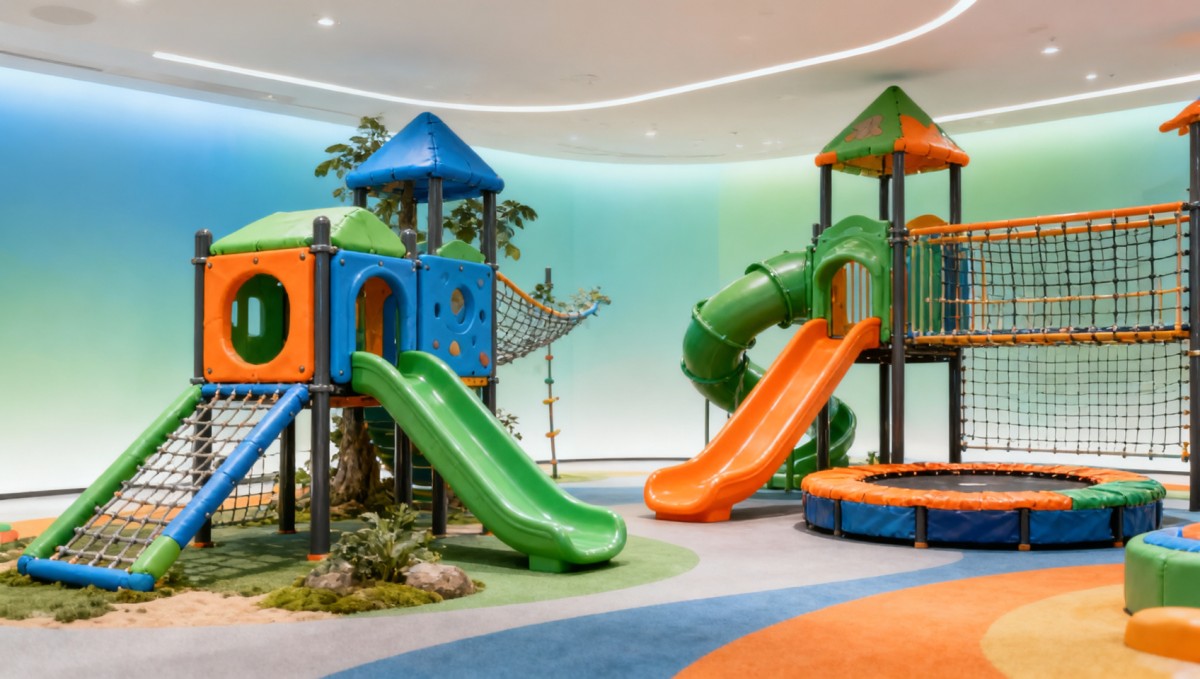
A theme usually ages badly when it is built around a short-lived visual trend rather than a stable play behavior. Children return for climbing, role play, challenge, and discovery. They do not return for graphic novelty alone. If 60%–70% of a project’s identity depends on one pop-culture look, one color fad, or one heavily branded visual language, the site often feels old long before the equipment reaches the end of its physical service life.
Another common issue is narrow demographic targeting. A concept may attract children aged 4–7 for one season but fail to engage older siblings, caregivers, or mixed-age groups. In practice, high-performing indoor playground design usually supports at least 3 visitor bands: toddlers, young children, and family groups. Themes that only speak to one micro-age segment often see weaker repeat visits after the initial launch period.
Operational strain is another warning sign. Some trend-heavy themes rely on complex decorative skins, custom molded elements, or hard-to-source finishes. When replacement lead times stretch from 2 weeks to 8–12 weeks, a visually specific theme becomes expensive to maintain. That creates downtime, uneven appearance, and a faster sense of decline, especially in high-traffic amusement venues.
Buyers should also consider regional portability. A concept that works in one flagship urban center may not transfer well into suburban retail, resort entertainment, or multi-site franchise formats. The more culturally narrow or season-bound the theme is, the less useful it becomes for distributors and commercial developers seeking repeatable deployment across 5, 10, or 20 locations.
The difference between visual trend and durable theme logic
A durable indoor playground theme is based on a flexible story framework: nature exploration, city role play, space discovery, sports challenge, or educational adventure. These concepts can evolve through new graphics, minor fixture updates, and seasonal overlays. A weak theme depends on one hyper-specific aesthetic that cannot be updated without changing 30%–50% of visible components.
Early warning signs during supplier evaluation
- More than 40% of visible identity comes from non-modular decoration rather than core play value.
- Replacement parts are custom-only and require MOQ thresholds that do not suit multi-site maintenance.
- The concept cannot be refreshed with graphics, color swaps, or panel changes in under 3 weeks.
- The supplier cannot explain age zoning, circulation flow, and cleaning access in operational terms.
Indoor playground themes that often age badly after one season
Not every fashionable concept is a poor choice, but several categories repeatedly underperform in long-term B2B environments. The issue is not creativity itself. The issue is whether the theme can survive shifts in family preferences, retail traffic patterns, and refresh budgets over 12–24 months.
One weak category is event-driven aesthetics, such as themes built around a single temporary cultural craze, novelty meme language, or one-year entertainment pattern. These can create a short launch spike, but they tend to lose value quickly once the public conversation moves on. They also age poorly in photography, making marketing assets look stale in less than a year.
A second risky category is over-themed luxury styling. In some family entertainment centers, buyers choose highly stylized interiors with metallic finishes, dense decorative panels, and adult-oriented visual drama. These spaces may impress investors on day one but often underperform with children, who respond better to clear play cues, color contrast, movement, and accessible challenge levels.
A third category includes highly character-bound environments that cannot be legally or commercially sustained over time. If a concept depends on a licensing mood but lacks permanent rights, long-term rollout becomes difficult. Even with proper rights, renewal terms, regional restrictions, and redesign obligations can increase total cost of ownership significantly in year 2 or year 3.
Theme categories buyers should review carefully
The table below summarizes common theme types that tend to lose appeal quickly and the operational reasons behind that decline.
The key lesson is not to avoid themed design altogether. It is to avoid themes that trap the operator into one emotional moment, one demographic niche, or one expensive visual identity. The best commercial concepts leave room for updates in graphics, storytelling, and merchandising without forcing structural change.
Adjacent category lesson from experience-based retail
This pattern is visible beyond indoor playgrounds. In adjacent sectors such as musical instruments showrooms or percussion instrument demo zones, environments designed around timeless user interaction outperform trend-heavy spaces built around one short visual wave. The same sourcing logic applies to leisure parks, play cafés, and family entertainment centers.
What lasts longer: theme strategies with stronger commercial shelf life
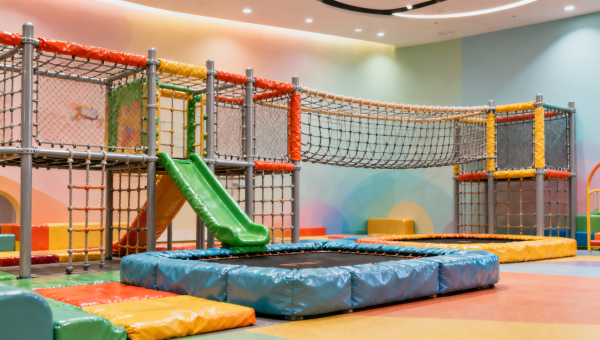
Long-lasting indoor playground themes usually share 4 traits: multi-age readability, modular visual identity, neutral-to-flexible color architecture, and simple integration with active play zones. Nature, transport, discovery, sport, urban adventure, and soft educational storytelling tend to remain relevant because they connect to behavior rather than fashion. They can also scale across 300 square meters, 800 square meters, or larger indoor recreation footprints.
These themes support refreshable layers. A forest concept can become a seasonal expedition. A city concept can add role-play kiosks or digital challenge stations. A sports challenge theme can update with obstacle modules, trampoline features, or climbing difficulty bands. That means operators can refresh perception every 9–18 months while preserving the main capital investment.
Color strategy matters as much as story choice. Schemes dominated by one trend color may age quickly, while balanced palettes with 2–3 anchor colors and interchangeable accent panels usually stay cleaner and more marketable. Buyers should also evaluate lighting, anti-soil surface finishes, and print replacement ease, because visual aging often appears before structural wear.
For procurement teams, a useful test is this: can 20% of the visible experience be updated at low cost while 80% of the structure remains untouched? If yes, the theme is more likely to maintain relevance across multiple seasons, promotional cycles, and tenant mix changes.
Comparison of short-life vs long-life theme logic
The following comparison helps buyers screen concepts before design lock and supplier negotiation.
For distributors and sourcing agents, long-life themes also improve portfolio stability. They are easier to present to institutional buyers, more suitable for regional adaptation, and less likely to trigger objections during business evaluation. That can shorten proposal cycles and reduce redesign requests after concept approval.
Preferred theme families for lasting appeal
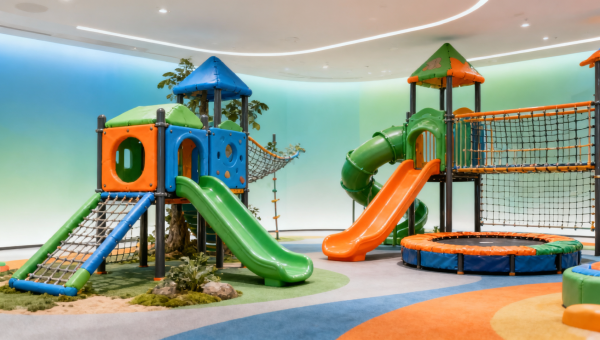
- Nature and exploration themes with climbing, slides, rope play, and sensory paths.
- Urban adventure or transport themes that support role play and adaptable signage.
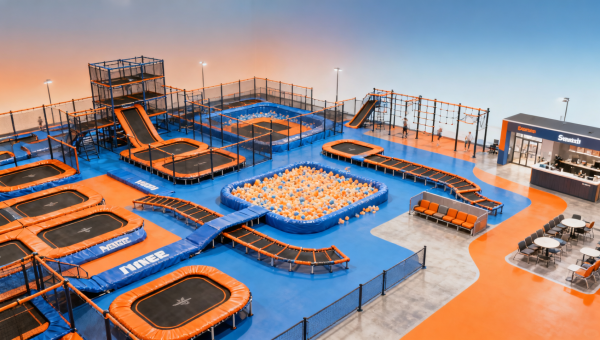
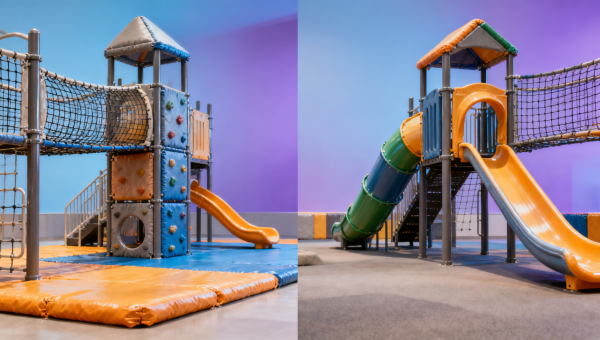
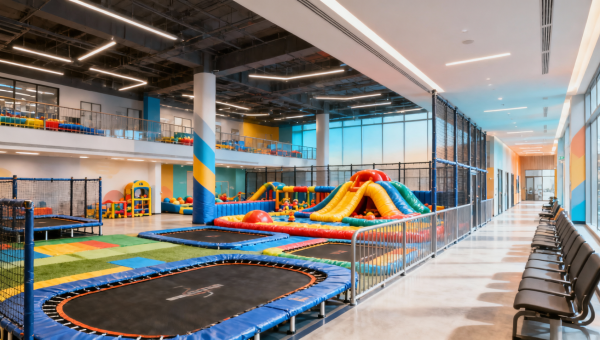
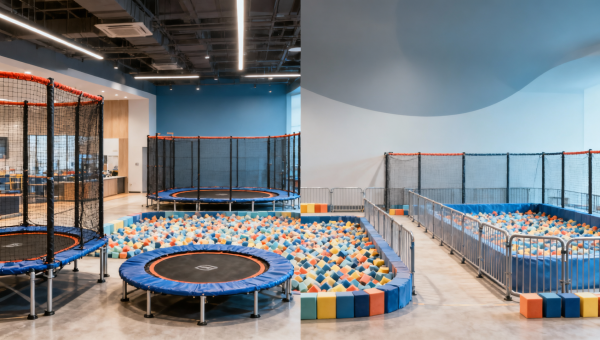
- Sports challenge themes paired with trampoline, ninja, or obstacle elements.
- STEM-inspired discovery zones with soft educational storytelling and flexible graphics.
Procurement checkpoints before approving an indoor playground theme
A commercially sound indoor playground design should pass both creative and operational review. Procurement teams should ask suppliers for concept drawings, bill-of-material clarity, maintenance access notes, and refresh scenarios before confirming visual direction. If a supplier can only show renderings but not explain replacement strategy, cleaning access, or spare-part planning, the project is not ready for approval.
Material and compliance alignment are equally important. Buyers should verify padding density ranges, fire-performance suitability where applicable, anti-slip surfaces in high-movement zones, and structural compatibility with target occupancy. For example, a family entertainment center with heavy weekend traffic may need more durable surface selections and more accessible service panels than a lower-volume educational venue.
Theme selection should also be tested against the operator’s refresh budget. Many venues benefit from a 3-stage model: launch package, 9–12 month visual update, and 18–24 month play-feature enhancement. A theme that cannot fit this cycle will often force either premature reinvestment or visible aging. Both outcomes reduce the value of the original sourcing decision.
Distributors and agents should go one step further by reviewing freight efficiency and local installation implications. Highly irregular decorative forms can increase packing inefficiency, damage risk, and labor complexity. In some projects, this can add 10%–20% to logistics and installation handling compared with more modular systems.
Five-step evaluation framework
- Check whether the theme serves at least 2–3 customer age segments with clear zoning.
- Confirm which elements are modular, replaceable, or graphic-based rather than permanently sculpted.
- Request a 12-month maintenance and spare-part response plan with expected lead times.
- Review whether the design can be localized for different markets without full redesign.
- Compare refresh cost against expected life cycle, ideally over 24–36 months.
Procurement decision matrix
This simple matrix can help sourcing teams score concept options during commercial review.
A theme that scores well across these categories is more likely to support stable operation, cleaner branding, and better long-term sourcing value. This is especially important for buyers planning repeat orders, dealer expansion, or multi-site commercial rollouts.
FAQ: practical questions buyers ask before locking a theme
Many indoor playground projects fail at the concept stage because the right questions were not asked early enough. The answers below reflect common B2B buying concerns from sourcing teams, project evaluators, and channel partners.
How long should a commercially strong indoor playground theme remain relevant?
As a practical benchmark, the core theme should remain commercially acceptable for at least 24–36 months, with lower-cost refresh opportunities every 9–18 months. If a concept is likely to feel old within one year without major reconstruction, it is usually too trend-dependent for serious commercial deployment.
Are character-driven or licensed themes always a bad idea?
Not always. They can work when rights are secure, demographic fit is clear, and the financial model supports renewals. The risk appears when licensing terms are short, regional rights are unclear, or the entire venue identity depends on a property that may lose visibility quickly. In such cases, buyers should limit licensed elements to 15%–30% of the visible theme layer rather than 100% of the concept.
What is the best way to future-proof a trampoline park or indoor playground design?
Build around modular zones and evergreen themes. Use a stable base story, then add changeable graphics, challenge modules, and seasonal signage. This reduces full renovation pressure and allows the operator to update visitor perception in weeks rather than months. It also helps distributors standardize a base package while still offering local customization.
Which theme features matter most for resale, expansion, or reconfiguration?
The most valuable features are modular panels, standard spare-part logic, flexible color systems, and neutral structural forms that can accept new skins or graphics. These features matter more in long-term asset value than highly customized sculptures that are difficult to repurpose. For project evaluators, this directly affects lifecycle cost and portfolio scalability.
In indoor playground sourcing, the safest commercial decision is rarely the most visually extreme one. Themes age badly after one season when they are too narrow, too decorative, too fixed, or too dependent on short-term hype. By contrast, durable concepts support mixed-age play, modular refresh cycles, easier maintenance, and broader regional deployment.
For information researchers, procurement managers, business evaluators, and channel partners, the priority is clear: choose indoor playground themes that protect long-term relevance, not just launch-day excitement. A better theme strategy improves lifecycle value, simplifies maintenance planning, and strengthens the commercial case for repeat orders and multi-site growth.
If you are reviewing indoor playground, trampoline park, or broader amusement sourcing options, now is the right time to compare design durability, refresh flexibility, and supplier support in one decision framework. Contact GCT to discuss project criteria, request a tailored sourcing direction, or explore more commercial experience solutions for the amusement and leisure market.
Search News
Hot Articles
Popular Tags
Need ExpertConsultation?
Connect with our specialized leisureengineering team for procurementstrategies.
Recommended News
 Apr 17, 2026CPSC AI Safety Alert: 200ms Delay in Child Playground AI Systems = HazardCPSC AI Safety Alert: 200ms delay in child playground AI systems = hazard. Learn how latency compliance impacts Target/Walmart listings, testing, and supply chain.● Theme Park Strategist
 Apr 17, 20262026 Shanghai Sailing Open Adopts Domestic SeaChronos Pro Timing SystemSeaChronos Pro timing system debuts at 2026 Shanghai Sailing Open — ITU-certified, millisecond-accurate, wind- and tide-integrated. A game-changer for marine sports tech.● Theme Park Strategist
 Apr 16, 2026FDA Proposes New Labeling Rules for Sports Nutrition Supplements with Chinese LabelsFDA's new labeling rules for sports nutrition supplements with Chinese labels take effect April 2026—learn compliance must-dos for U.S. importers, manufacturers & brands.● Theme Park Strategist
 Apr 15, 2026Saudi SASO Updates Amusement Ride Standards: VR Devices Now Require Mandatory EMC TestingSaudi SASO's new 2026 standard mandates EMC testing for VR amusement rides, impacting exporters. Learn key compliance strategies for Saudi market access.● Theme Park Strategist
 Apr 14, 2026Japan Mandates Multilingual E-Manuals for Fitness Equipment from April 2026Japan mandates multilingual e-manuals for fitness equipment from April 2026. Learn how this impacts manufacturers & importers with JIS T 0601-1 compliance requirements. Stay ahead of the regulation!● Theme Park Strategist
 Apr 13, 2026WTT Taiyuan Adopts Chinese AI Table Tennis Analysis System with ITTF Export CertificationWTT Taiyuan adopts Chinese AI table tennis analysis system with ITTF export certification, enabling real-time ball speed & spin tracking. A game-changer for sports tech in emerging markets like Southeast Asia & Middle East.● Theme Park Strategist
 Apr 13, 2026First Female Snooker Player Achieves Multiple Century Breaks as Chinese Table Gains WPBSA CertificationChinese snooker player Bai Yulu makes history with multiple century breaks using WPBSA-certified 'Tournament Pro X7' table, marking a milestone for Chinese manufacturing in professional snooker equipment. Discover how this impacts global markets.● Theme Park Strategist
 Apr 13, 2026RCEP Zero Tariff on China's TPU Sports Protective Gear Boosts ASEAN TradeRCEP's zero-tariff policy on China's TPU sports protective gear boosts ASEAN trade, giving Chinese exporters cost advantages over Korean rivals. Learn how manufacturers and distributors can capitalize on this opportunity.● Theme Park Strategist
 Apr 10, 2026Japan's JIS T 9001:2026 Sports Flooring Anti-Slip Standard Mandatory from April 2026Japan's JIS T 9001:2026 standard mandates anti-slip sports flooring (SCOF ≥ 0.6) from April 2026. Chinese exporters must adapt to meet new requirements. Learn key compliance strategies.● Theme Park Strategist
 Apr 10, 2026Bai Yulu Makes History at Snooker World Championship, Sparks Surge in Women's Sports Equipment DemandBai Yulu makes history at Snooker World Championship with two century breaks, sparking 185% surge in women's sports equipment demand. Discover how manufacturers, e-commerce & supply chains can capitalize on this trend.● Theme Park Strategist
 Apr 10, 20262026 Badminton Asia Championships Quarterfinals Schedule Announced, Shi Yuqi to Compete; Southeast Asia Racket Orders Face 6-8 Week Delays2026 Badminton Asia Championships quarterfinals schedule revealed with Shi Yuqi competing, while Southeast Asia faces 6-8 week racket delays. Learn how supply chain issues impact manufacturers and get strategies to navigate equipment shortages.● Theme Park Strategist
 Apr 10, 2026WTT Taiyuan Challenge Sparks Smart Equipment Demand: Japan Buyers Scrutinize AI Training TechDiscover how the WTT Taiyuan Challenge boosts demand for AI training tech as Japanese buyers evaluate smart sports equipment. Learn key opportunities for manufacturers with JIS-certified solutions.● Theme Park Strategist
 Apr 10, 2026Chinese Snooker Players' Success Spurs Global Demand for Cue AccessoriesChinese snooker players' success drives 210% global demand surge for cue accessories. Explore how manufacturers & exporters can capitalize on this trend with UK, German & Australian markets leading inquiries.● Theme Park Strategist
 Apr 10, 2026EU Updates EN 16830:2026 Eyewear Safety Standard, Impacting China's Sports Goggle ExportsEU's updated EN 16830:2026 eyewear safety standard impacts China's sports goggle exports with stricter CE certification requirements. Learn how manufacturers and exporters can adapt to new impact resistance, UV400+, and blue light blocking standards before the September 2026 deadline.● Theme Park Strategist
 Apr 18, 2026PopFeather AI Standard Launched at SMT Forum in ChengduPopFeather AI standard launched at SMT Forum in Chengdu — a breakthrough for AI-powered badminton training interoperability. Discover how this new interface protocol reshapes sports tech integration for manufacturers, AI platforms & global partners.● Theme Park Strategist
 Apr 18, 2026CPSC AI Safety Alert: >200ms Delay = Substantial HazardCPSC AI Safety Alert: >200ms latency = Substantial Hazard for indoor play equipment. Critical for exporters, ODMs & AI module suppliers targeting US markets.● Theme Park Strategist
 Apr 19, 2026Indoor playground themes that age badly after one seasonTrampoline park and indoor playground themes can age fast. Learn which concepts lose value after one season, how musical instruments, percussion instruments, wind instruments, string instruments, outdoor playground ideas, and playground swings inspire longer-lasting, click-worthy design decisions.● Theme Park Strategist
 Apr 19, 2026Trampoline park capacity planning is often wrong for weekendsTrampoline park weekend capacity planning often fails when indoor playground benchmarks are used. Learn how smarter forecasting boosts safety, flow, and revenue across mixed attractions.● Theme Park Strategist
 Apr 19, 2026Indoor playground equipment that wears out faster than expectedTrampoline park and indoor playground equipment wearing out too fast? Learn what commercial buyers should check across outdoor playground, playground swings, and system durability before sourcing.● Theme Park Strategist
 Apr 19, 2026What makes an indoor playground easier to maintain daily?Indoor playground and trampoline park buyers: discover low-maintenance design tips, from modular layouts to durable surfaces, and compare with outdoor playgrounds, playground swings, and musical instruments.● Theme Park Strategist
 Apr 19, 2026Trampoline park layout mistakes that reduce repeat visitsTrampoline park layout mistakes can hurt repeat visits. Learn how indoor playground, outdoor playground, and playground swings planning improves flow, safety, and family appeal.● Theme Park Strategist
 Apr 19, 2026Why trampoline park insurance costs vary more than expectedTrampoline park insurance costs vary with layout, staffing, claims, and mixed-use features like an indoor playground, outdoor playground, and playground swings—learn what drives premiums.● Theme Park Strategist
 Apr 18, 2026Inclusive playground handrails: Are height and grip diameter truly standardized across brands?Inclusive playground handrails: Discover if height & grip diameter truly meet ADA/EN standards—get verified OEM data, real-world benchmarks, and compliant sourcing for leisure parks, theme park rides & more.● Theme Park Strategist
 Apr 18, 2026Soundproofing materials for indoor playgrounds: Which types actually reduce impact noise?Soundproofing materials for indoor playgrounds that actually reduce impact noise—tested for swings, structures & inclusive play. Expert OEM/ODM sourcing.● Theme Park Strategist