US CPSC Proposes New Impact Absorption Rules for Indoor Playgrounds
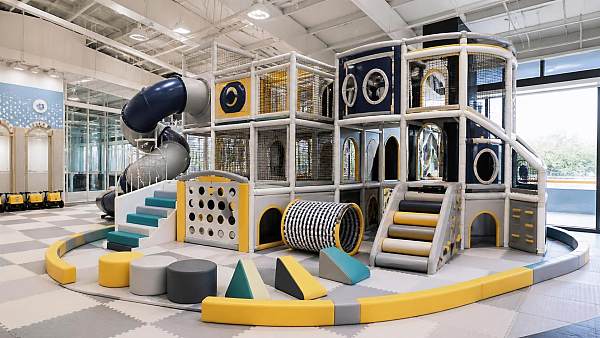
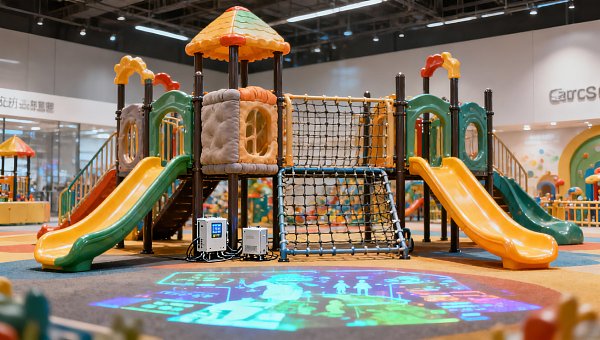
On January 1, 2027, new safety requirements for indoor playground equipment — specifically slides and climbing structures — are set to take effect in the United States. The U.S. Consumer Product Safety Commission (CPSC) issued the draft revision ASTM F1487-26a on May 24, 2026, mandating dynamic impact absorption testing per ASTM F1292-23. This regulatory shift directly affects manufacturers, exporters, and service providers across the global indoor play equipment supply chain — particularly those supplying major U.S.-based children’s entertainment venues.
Event Overview
The CPSC published the draft standard ASTM F1487-26a on May 24, 2026. It proposes mandatory dynamic impact absorption testing for all slide and climbing structure components installed in indoor playgrounds. Testing must comply with ASTM F1292-23, which specifies performance criteria for impact-attenuating surfacing and structural elements under simulated fall conditions. The rule is scheduled to enter into force in Q1 2027. No exemptions or phased implementation timelines have been announced.
Industries Affected
Direct Exporters: U.S.-bound exporters of indoor playground systems — especially Chinese firms supplying brands such as KidZania and The Little Gym — face immediate compliance pressure. Failure to demonstrate verified impact absorption performance will result in disqualification from supplier qualification programs, affecting contract renewals and new bid eligibility.
Raw Material Suppliers: Manufacturers of structural plastics, engineered wood composites, and elastomeric coatings used in slides and climbing frames must now provide certified third-party test data confirming dynamic energy absorption under ASTM F1292-23. This shifts material qualification from static mechanical specs (e.g., tensile strength) toward dynamic performance metrics — requiring updated technical documentation and traceability protocols.
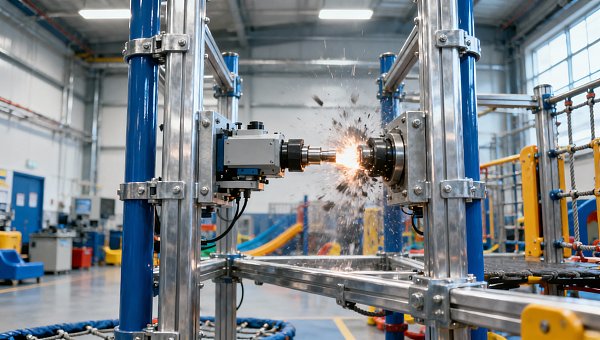
Contract Manufacturers & Assemblers: Firms engaged in OEM/ODM production of modular indoor play systems must integrate impact absorption validation into their design verification process. Structural joints, anchoring points, and surface transitions — previously assessed for load-bearing capacity only — now require finite element analysis (FEA) or physical drop-test validation aligned with ASTM F1292-23 parameters.
Supply Chain Service Providers: Third-party testing labs, certification bodies (e.g., UL, SGS, Intertek), and logistics intermediaries supporting export compliance must expand capability to conduct or verify ASTM F1292-23-compliant dynamic impact tests. Labs without accredited impact test rigs or calibrated accelerometers may lose relevance in pre-shipment verification workflows.
Key Focus Areas and Recommended Actions
Validate Existing Product Designs Against ASTM F1292-23 Now
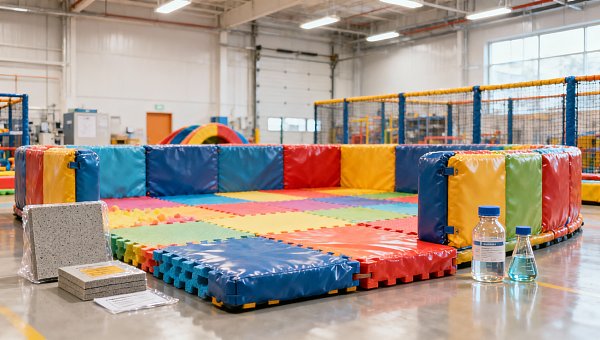
Manufacturers should not wait until Q1 2027. Current designs — even those compliant with prior editions of ASTM F1487 — require re-evaluation using the revised impact absorption criteria. Retrospective testing helps identify retrofit needs (e.g., added padding layers, redesigned transition zones) before formal certification deadlines.
Engage Accredited Labs Early for Test Method Alignment
Not all labs interpreting ASTM F1292-23 apply identical drop height, mass, or instrumentation configurations. Companies should confirm lab accreditation scope includes structural component testing (not just surfacing), and request method validation reports prior to commissioning full test campaigns.
Update Technical Documentation and Supplier Declarations
Exporters must revise product specifications, Declaration of Conformity templates, and material datasheets to explicitly reference ASTM F1292-23 test results. Generic claims like “impact-resistant” or “child-safe” no longer suffice; CPSC-recognized conformity evidence must be auditable and product-specific.
Editorial Perspective / Industry Observation
Observably, this update marks a strategic pivot by CPSC from prescriptive design rules toward performance-based safety outcomes — a trend increasingly mirrored in EU EN 1176 revisions and Australia’s AS 4685 updates. Analysis shows that while the rule targets indoor equipment, its underlying methodology may inform future CPSC proposals for outdoor play structures or soft-play environments. From an industry standpoint, the real bottleneck lies not in technical feasibility but in test capacity scalability: fewer than 12 labs globally currently hold full accreditation for ASTM F1292-23 structural component testing. That constraint could delay certifications more than engineering challenges.
Conclusion
This regulation does not represent a marginal adjustment but a foundational recalibration of safety accountability across the indoor play equipment value chain. Rather than treating compliance as a one-time certification hurdle, stakeholders are better served by embedding impact performance verification into R&D, procurement, and quality assurance workflows. The broader implication is clear: safety standards are evolving from ‘what it looks like’ to ‘how it behaves under real-world failure conditions’ — a shift demanding cross-functional alignment, not just compliance paperwork.
Source Attribution
U.S. Consumer Product Safety Commission (CPSC), Draft Standard ASTM F1487-26a, published May 24, 2026. Official notice available at cp.sc.gov. ASTM International standards F1487-26a and F1292-23 are referenced in full. Note: Final adoption timeline, enforcement guidance, and potential amendments remain subject to public comment and CPSC board vote — ongoing monitoring recommended through CPSC’s Federal Register docket #CPSC-2026-0032.
Search News
Hot Articles
- Fashion & Gem JewelryThermal Diamond Testers: How They Work and When They Can Misidentify StonesOct 07, 2026
- Commercial KitchenWhat Is Driving Demand for Commercial Hospitality Projects Across the GCC?Oct 06, 2026
- Hotel Room AmenitiesHow to Select Hotel Hair Dryers That Balance Guest Safety, Durability, and CostOct 05, 2026
Popular Tags
Need ExpertConsultation?
Connect with our specialized leisureengineering team for procurementstrategies.
Recommended News
 Sep 29, 2026Poured Playground Safety Surfacing: How to Specify Thickness for Fall HeightsPoured playground safety surfacing: learn how to specify tested thickness by fall height, ASTM standards, substrate conditions, accessibility, and field verification.● Theme Park Strategist
 Sep 27, 2026Custom Trampoline Park Equipment: Planning Capacity, Safety, and LayoutCustom trampoline park equipment for safer capacity, smooth guest flow, and efficient layouts. Explore practical planning insights for a high-performing park.● Theme Park Strategist
 Aug 30, 2026Entertainment Venue Master Planning: How to Balance Capacity, Flow, and RevenueEntertainment venue development master planning: balance capacity, guest flow, and revenue with practical strategies for resilient, high-performing venues.● Theme Park Strategist
 Sep 07, 2026What Should Buyers Do When a Supplier Delivers Non-Compliant Products?What to do if a supplier delivers non-compliant commercial products: contain risks, document evidence, protect your project, and secure the right remedy.● Theme Park Strategist
 Sep 02, 2026Waterpark Capacity Management: Balancing Queue Times, Safety, and Guest ThroughputWaterpark capacity management strategies to reduce queue times, protect safety, optimize guest throughput, and build a smoother, more profitable park operation.● Theme Park Strategist
 Sep 01, 2026ASTM F2075 Explained: Testing Engineered Wood Fiber for Playground Impact SafetyASTM F2075 explained: learn how engineered wood fiber supports playground impact safety, smarter sourcing, compliance documentation, and reliable maintenance planning.● Theme Park Strategist
 Aug 24, 2026How to Evaluate an Indoor Ninja Warrior Course Supplier in Europe?indoor ninja warrior course Europe supplier guide: learn how to assess safety, EN compliance, engineering, installation, and maintenance support before you choose.● Theme Park Strategist
 Aug 20, 2026How to Choose Modular Indoor Play Equipment for Different Venue Sizes and Age GroupsModular indoor play equipment buying guide: learn how to match venue size, ceiling height, traffic flow, and age groups to create safer, smarter, and more profitable play spaces.● Theme Park Strategist
 Aug 14, 2026POB Push Lifts Overseas Pre-Registrations 45.74%POB boosts overseas pre-registrations for the 2026 China Sport Show by 45.74%, signaling stronger global buyer interest and smarter sourcing opportunities in sports manufacturing.● Theme Park Strategist
 Aug 02, 2026What to Check Before Buying Thick Gymnastic Mats Wholesale for Schools and GymsThick gymnastic mats wholesale buying guide for schools and gyms: learn how to check foam, cover durability, safety documents, samples, and true long-term value before placing a bulk order.● Theme Park Strategist
 Jul 28, 2026How to Design Inclusive Sensory Play Areas for Different Age Groups and NeedsInclusive sensory play starts with smart zoning, age planning, accessibility, and acoustics. Discover practical design tips to create safer, engaging spaces that truly work.● Theme Park Strategist
 Jul 26, 2026How to Evaluate a Bowling Alley Equipment Factory Before Requesting a QuoteBowling alley equipment factory evaluation starts before price. Learn how to check manufacturing scope, engineering, compliance, spare parts, and installation support to avoid costly sourcing mistakes.● Theme Park Strategist
 Jul 16, 2026EN 1176:2026 Takes Effect for Indoor PlaygroundsEN 1176:2026 takes effect for indoor playgrounds in the EU, making conformity assessment mandatory. Learn how this impacts certification, customs clearance, suppliers, and market access.● Theme Park Strategist
 Jul 15, 2026CPSC Sets New ASTM Impact Test for Indoor Playground Metal PartsCPSC sets new ASTM impact test rules for indoor playground metal parts effective Oct. 1, 2026. Learn how the 15kN requirement may affect compliance, testing timelines, and U.S. export delivery.● Theme Park Strategist
 Jul 14, 2026CPSC Tightens Phthalate Limit for Indoor Playground Soft MaterialsCPSC tightens phthalate limits for indoor playground soft materials from Aug 15, 2026. Learn how DIBP control, CBP detention risk, and testing changes impact sourcing, exports, and compliance.● Theme Park Strategist
 Jul 13, 2026Vietnam Tightens IoT Rule for Indoor Playground ImportsVietnam Tightens IoT Rule for Indoor Playground Imports: learn how VNSS-2025 gateway requirements affect exporters, buyers, installers, and delivery timelines before the 2026 deadline.● Theme Park Strategist
 Jul 13, 2026How a Recreational Facility Planning Company Helps Reduce Layout MistakesRecreational facility planning company insights: learn how early layout strategy reduces costly mistakes, improves flow, compliance, and buildability for smoother project delivery.● Theme Park Strategist
 Jul 12, 2026CPSC Halts Imports of Indoor Playground Soft PartsCPSC halts imports of indoor playground soft parts from China under ASTM F3432-26. Learn the compliance risks, testing requirements, and urgent steps importers must take now.● Theme Park Strategist
 Jul 11, 2026CPSC Import Alert Tightens Fire Test Rule for Indoor Playground PaddingCPSC import alert updates indoor playground padding rules to ASTM F3432-26. See how the new fire test affects foam mats, shipments, and U.S. market access.● Theme Park Strategist
 Jul 11, 2026Ice Bumper Cars Bulk Order Checklist for Indoor Parks: Space, Power, and Safety PointsIce bumper cars bulk order guide for indoor parks: learn how to assess space, power, safety, and throughput before buying, so you can avoid costly mistakes and choose the right fleet with confidence.● Theme Park Strategist
 Jul 10, 2026Commercial Playground Equipment for Campuses: Key Safety Standards and Planning TipsCommercial playground equipment for campuses: explore key safety standards, inclusive layout planning, durable materials, and smart procurement tips to avoid costly mistakes.● Theme Park Strategist
 Jul 09, 2026CPSC Recall Escalates Over Phthalates in Indoor Playground PadsCPSC recall escalates over phthalates in indoor playground pads as affected batches exceed CPSIA limits. Learn the risks, supply chain impact, and what buyers should monitor now.● Theme Park Strategist
 Jul 07, 2026How to Choose Ice Skating Rink Equipment in Europe: Key Systems, Standards, and Budget Factorsice skating rink equipment Europe guide: compare refrigeration, rink floors, boards, EU compliance, and total budget factors to choose a safer, more efficient commercial rink solution.● Theme Park Strategist
 Jul 06, 2026CPSC Flags New Flame Test for Indoor Playground PaddingCPSC flags a new flame test for indoor playground padding under ASTM F1487-23b. Learn how this urgent compliance alert affects materials, testing, imports, and U.S. market access.● Theme Park Strategist