Smart Indoor Play Takes CISSE Spotlight
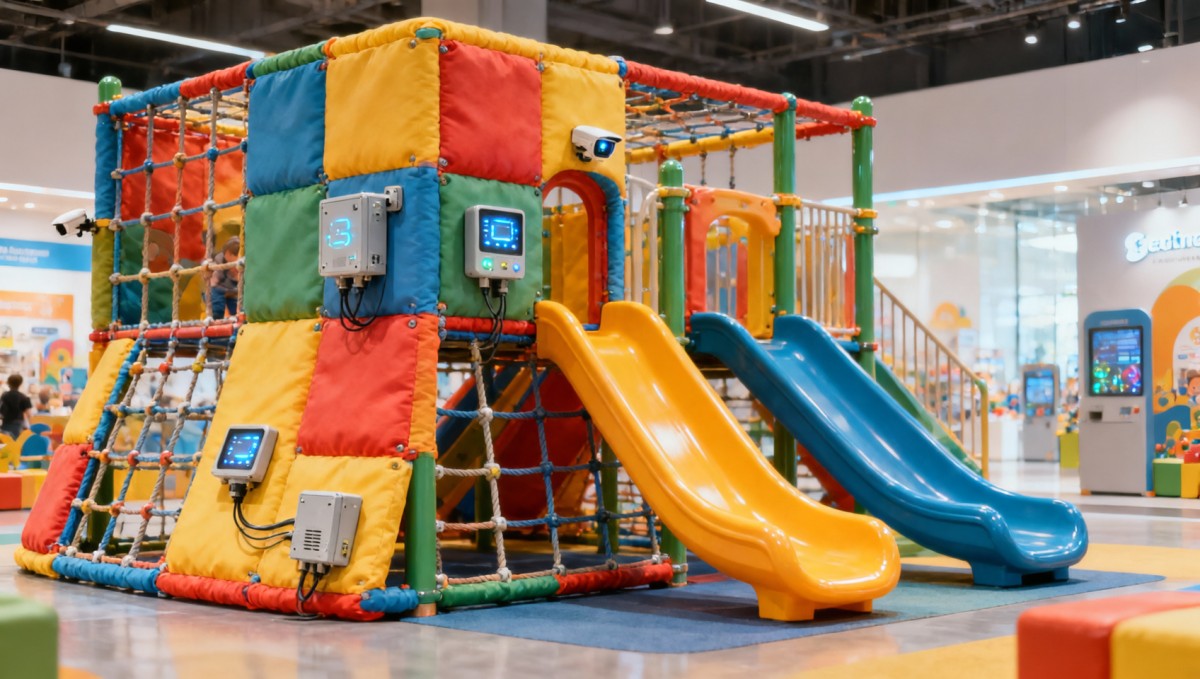
Image distribution plan: One image placeholder is placed after the lead to support the exhibition and indoor playground technology context.
Lead: The 2026 Guangzhou International Leisure Sports Equipment Expo, known as CISSE, closed on May 31, 2026, with smart sensing modules for indoor playgrounds becoming a notable focus for European and U.S. buyers. The development deserves attention from indoor playground equipment manufacturers, channel buyers, safety compliance service providers, and facility operators because the event connected confirmed procurement activity with a new safety-standard signal involving data interfaces for remote safety audits.
Event Overview
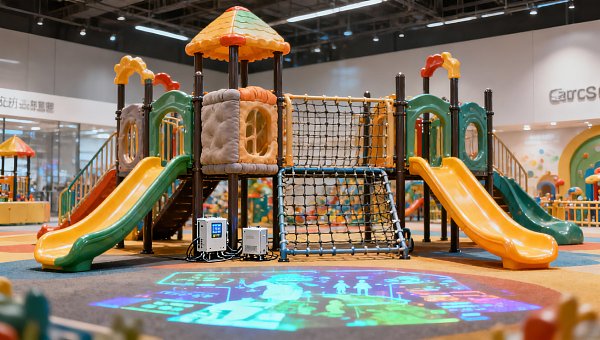
The 2026 Guangzhou International Leisure Sports Equipment Expo closed on May 31, 2026. According to the available event information, indoor playground smart module systems integrating AI fall recognition, contactless heart-rate monitoring, and child behavior analysis algorithms received on-site orders exceeding 230 million yuan from major channels including Germany’s Tchibo, U.S.-based Playworld, and France’s Decathlon.
During the exhibition, an interpretation session for the EU EN 1176:2026 safety standard was also held. The session clarified that, starting in 2027, all newly installed indoor amusement facilities will be required to reserve data interfaces to support remote safety audits.
The currently disclosed information focuses on confirmed on-site order value, the participating buyer names listed above, the technical features of the indoor playground smart modules, and the stated direction of the EN 1176:2026 requirement. No additional implementation details beyond these points have been confirmed in the provided information.
Which Segments May Be Affected
Direct Trade and Export Companies
Direct trade companies serving European and U.S. markets may be affected because the reported procurement interest came from established channels in Germany, the United States, and France. From an industry perspective, the impact is likely to appear in product communication, quotation preparation, and documentation requirements related to smart sensing functions and safety data interfaces.
These companies may need to present indoor playground products not only as physical play structures but also as systems with identifiable data and safety-monitoring capabilities. Analysis shows that buyers focusing on Europe and the United States may place greater attention on whether products can support future audit and compliance needs.
Indoor Playground Equipment Manufacturers and System Integrators
Manufacturers and system integrators are directly relevant because the products highlighted at the exhibition were smart module systems integrated into indoor playground settings. The impact mainly concerns product design, module integration, and the ability to reserve or support data interfaces for remote safety audits.
Observably, the combination of AI fall recognition, contactless heart-rate monitoring, and child behavior analysis suggests that smart sensing functions are being evaluated alongside traditional safety requirements. It is more appropriate to understand this as a sign that equipment suppliers may need to coordinate mechanical safety design with digital interface planning.
Channel Buyers and Facility Procurement Teams
Channel buyers and procurement teams may be affected because the event showed on-site orders from major retail and playground-related channels. Their focus may shift from unit price and installation capacity alone to whether indoor playground systems can meet upcoming safety-interface expectations.
Current procurement decisions may need to distinguish between products that already include smart sensing modules, products that can be upgraded, and products that may require redesign to reserve data interfaces. What deserves more attention now is the practical connection between purchase specifications and future safety audit requirements.
Compliance, Testing, and Supply Chain Service Providers
Compliance and testing service providers may see increased attention because the EN 1176:2026 interpretation session specifically referenced remote safety audit support through reserved data interfaces. The impact may appear in documentation review, interface verification, and communication between equipment makers, installers, and facility operators.
From an industry perspective, service providers connected to certification support, inspection preparation, and supply chain coordination may need to track how the 2027 requirement is translated into actual project specifications. However, any detailed service scope should still depend on subsequent official or contractual requirements.
What Companies and Practitioners Should Watch and How to Respond
Track Follow-Up Statements on EN 1176:2026
Companies involved in indoor amusement facilities should closely follow further official explanations or project-level requirements related to EN 1176:2026. The disclosed information states that newly installed indoor amusement facilities must reserve data interfaces from 2027 to support remote safety audits, but detailed technical formats and implementation procedures have not been confirmed in the provided information.
A practical response is to collect and organize existing product documentation, interface descriptions, and installation records so that teams can compare them against future requirements when more details become available.
Review Indoor Playground Product Specifications
Manufacturers and procurement teams should review whether current indoor playground systems can support smart sensing modules or reserved data interfaces. This does not mean every company should immediately redesign all products, but Analysis shows that products intended for European or U.S. channels may face more detailed questions about digital safety functions.
For ongoing projects, companies can separate products into three categories: systems already equipped with smart sensing modules, systems that can be upgraded, and systems requiring structural or electrical redesign. This helps avoid treating all inventory or project pipelines in the same way.
Distinguish Procurement Signals from Final Business Outcomes
The reported on-site orders exceeding 230 million yuan show strong buyer interest during the exhibition. However, Observably, on-site orders should still be followed through contract execution, delivery requirements, installation conditions, and compliance documentation before being treated as a complete long-term market shift.
Companies should avoid overextending production or procurement plans solely based on one exhibition signal. A more practical approach is to monitor whether similar specifications appear in follow-up purchase orders, tender documents, or buyer compliance checklists.
Prepare Communication Between Technical and Commercial Teams
Because the event links smart sensing functions with safety-standard discussion, commercial teams and technical teams need consistent explanations. Sales teams should understand what AI fall recognition, contactless heart-rate monitoring, child behavior analysis, and data-interface reservation mean within the product scope actually offered.
From an industry perspective, unclear communication may create risk if buyers interpret smart modules as compliance guarantees. Companies should communicate confirmed product functions, available documentation, and any pending compliance questions separately.
Editor’s View / Industry Observation
Analysis shows that the CISSE development is important because it combines two signals: confirmed overseas procurement interest in smart indoor playground modules and a safety-standard direction requiring data-interface readiness for remote audits from 2027. Together, these signals may influence how indoor playground products are specified, purchased, and evaluated.
It is more appropriate to understand this event as both a near-term procurement result and an early compliance signal. The on-site order value represents a disclosed business outcome at the exhibition, while the EN 1176:2026 interpretation points to a requirement that companies still need to track through future official and project-level details.
What deserves more attention now is not only whether smart sensing products attract buyers, but whether manufacturers, channels, and operators can align product design, documentation, and installation planning with the data-interface expectations mentioned during the standard interpretation session.
Conclusion
The close of the 2026 Guangzhou International Leisure Sports Equipment Expo highlights a meaningful development for the indoor playground and leisure sports equipment sectors. Smart sensing modules drew confirmed attention from European and U.S. channels, while the EN 1176:2026 discussion introduced a clear compliance direction involving reserved data interfaces for remote safety audits.
In a neutral view, the event should not be treated only as a sales headline. It is more appropriate to understand it as a signal that indoor playground equipment is moving toward closer integration of safety monitoring, data readiness, and international procurement requirements. Companies should continue to watch the standard’s implementation details and adjust product, procurement, and documentation plans accordingly.
Information Source Note
Main sources: Information provided on the closing of the 2026 Guangzhou International Leisure Sports Equipment Expo; disclosed exhibition details regarding indoor playground smart module orders; information from the EN 1176:2026 safety standard interpretation session held during the exhibition.
Items for continued observation: Further official clarification of EN 1176:2026 implementation requirements, detailed technical expectations for reserved data interfaces, and the business follow-through of the reported on-site orders.
Search News
Hot Articles
Popular Tags
Need ExpertConsultation?
Connect with our specialized leisureengineering team for procurementstrategies.
Recommended News
 Oct 08, 2026How to Choose Animatronic Haunted House Props for High-Throughput AttractionsAnimatronic haunted house props for high-throughput attractions: compare motion, triggers, safety, and maintenance to create reliable scares that keep guests moving.● Theme Park Strategist
 Sep 29, 2026Poured Playground Safety Surfacing: How to Specify Thickness for Fall HeightsPoured playground safety surfacing: learn how to specify tested thickness by fall height, ASTM standards, substrate conditions, accessibility, and field verification.● Theme Park Strategist
 Sep 27, 2026Custom Trampoline Park Equipment: Planning Capacity, Safety, and LayoutCustom trampoline park equipment for safer capacity, smooth guest flow, and efficient layouts. Explore practical planning insights for a high-performing park.● Theme Park Strategist
 Aug 30, 2026Entertainment Venue Master Planning: How to Balance Capacity, Flow, and RevenueEntertainment venue development master planning: balance capacity, guest flow, and revenue with practical strategies for resilient, high-performing venues.● Theme Park Strategist
 Sep 07, 2026What Should Buyers Do When a Supplier Delivers Non-Compliant Products?What to do if a supplier delivers non-compliant commercial products: contain risks, document evidence, protect your project, and secure the right remedy.● Theme Park Strategist
 Sep 02, 2026Waterpark Capacity Management: Balancing Queue Times, Safety, and Guest ThroughputWaterpark capacity management strategies to reduce queue times, protect safety, optimize guest throughput, and build a smoother, more profitable park operation.● Theme Park Strategist
 Sep 01, 2026ASTM F2075 Explained: Testing Engineered Wood Fiber for Playground Impact SafetyASTM F2075 explained: learn how engineered wood fiber supports playground impact safety, smarter sourcing, compliance documentation, and reliable maintenance planning.● Theme Park Strategist
 Aug 24, 2026How to Evaluate an Indoor Ninja Warrior Course Supplier in Europe?indoor ninja warrior course Europe supplier guide: learn how to assess safety, EN compliance, engineering, installation, and maintenance support before you choose.● Theme Park Strategist
 Aug 20, 2026How to Choose Modular Indoor Play Equipment for Different Venue Sizes and Age GroupsModular indoor play equipment buying guide: learn how to match venue size, ceiling height, traffic flow, and age groups to create safer, smarter, and more profitable play spaces.● Theme Park Strategist
 Aug 14, 2026POB Push Lifts Overseas Pre-Registrations 45.74%POB boosts overseas pre-registrations for the 2026 China Sport Show by 45.74%, signaling stronger global buyer interest and smarter sourcing opportunities in sports manufacturing.● Theme Park Strategist
 Aug 02, 2026What to Check Before Buying Thick Gymnastic Mats Wholesale for Schools and GymsThick gymnastic mats wholesale buying guide for schools and gyms: learn how to check foam, cover durability, safety documents, samples, and true long-term value before placing a bulk order.● Theme Park Strategist
 Jul 28, 2026How to Design Inclusive Sensory Play Areas for Different Age Groups and NeedsInclusive sensory play starts with smart zoning, age planning, accessibility, and acoustics. Discover practical design tips to create safer, engaging spaces that truly work.● Theme Park Strategist
 Jul 26, 2026How to Evaluate a Bowling Alley Equipment Factory Before Requesting a QuoteBowling alley equipment factory evaluation starts before price. Learn how to check manufacturing scope, engineering, compliance, spare parts, and installation support to avoid costly sourcing mistakes.● Theme Park Strategist
 Jul 16, 2026EN 1176:2026 Takes Effect for Indoor PlaygroundsEN 1176:2026 takes effect for indoor playgrounds in the EU, making conformity assessment mandatory. Learn how this impacts certification, customs clearance, suppliers, and market access.● Theme Park Strategist
 Jul 15, 2026CPSC Sets New ASTM Impact Test for Indoor Playground Metal PartsCPSC sets new ASTM impact test rules for indoor playground metal parts effective Oct. 1, 2026. Learn how the 15kN requirement may affect compliance, testing timelines, and U.S. export delivery.● Theme Park Strategist
 Jul 14, 2026CPSC Tightens Phthalate Limit for Indoor Playground Soft MaterialsCPSC tightens phthalate limits for indoor playground soft materials from Aug 15, 2026. Learn how DIBP control, CBP detention risk, and testing changes impact sourcing, exports, and compliance.● Theme Park Strategist
 Jul 13, 2026Vietnam Tightens IoT Rule for Indoor Playground ImportsVietnam Tightens IoT Rule for Indoor Playground Imports: learn how VNSS-2025 gateway requirements affect exporters, buyers, installers, and delivery timelines before the 2026 deadline.● Theme Park Strategist
 Jul 13, 2026How a Recreational Facility Planning Company Helps Reduce Layout MistakesRecreational facility planning company insights: learn how early layout strategy reduces costly mistakes, improves flow, compliance, and buildability for smoother project delivery.● Theme Park Strategist
 Jul 12, 2026CPSC Halts Imports of Indoor Playground Soft PartsCPSC halts imports of indoor playground soft parts from China under ASTM F3432-26. Learn the compliance risks, testing requirements, and urgent steps importers must take now.● Theme Park Strategist
 Jul 11, 2026CPSC Import Alert Tightens Fire Test Rule for Indoor Playground PaddingCPSC import alert updates indoor playground padding rules to ASTM F3432-26. See how the new fire test affects foam mats, shipments, and U.S. market access.● Theme Park Strategist
 Jul 11, 2026Ice Bumper Cars Bulk Order Checklist for Indoor Parks: Space, Power, and Safety PointsIce bumper cars bulk order guide for indoor parks: learn how to assess space, power, safety, and throughput before buying, so you can avoid costly mistakes and choose the right fleet with confidence.● Theme Park Strategist
 Jul 10, 2026Commercial Playground Equipment for Campuses: Key Safety Standards and Planning TipsCommercial playground equipment for campuses: explore key safety standards, inclusive layout planning, durable materials, and smart procurement tips to avoid costly mistakes.● Theme Park Strategist
 Jul 09, 2026CPSC Recall Escalates Over Phthalates in Indoor Playground PadsCPSC recall escalates over phthalates in indoor playground pads as affected batches exceed CPSIA limits. Learn the risks, supply chain impact, and what buyers should monitor now.● Theme Park Strategist
 Jul 07, 2026How to Choose Ice Skating Rink Equipment in Europe: Key Systems, Standards, and Budget Factorsice skating rink equipment Europe guide: compare refrigeration, rink floors, boards, EU compliance, and total budget factors to choose a safer, more efficient commercial rink solution.● Theme Park Strategist