Indoor vs Outdoor Playground Climbers: Which Design Fits Your Project Best?
Indoor vs Outdoor Playground Climbers: Which Design Fits Your Project Best?
Choosing between indoor and outdoor playground climbers shapes more than play value. It affects budget control, safety compliance, installation sequencing, maintenance planning, and long-term commercial return.
For many projects, the decision starts with space. In practice, the better answer comes from operating goals, user flow, risk exposure, and lifecycle cost.
Indoor and outdoor playground climbers can both perform well. The right option depends on how your site will be used, maintained, and monetized over time.
This guide compares design priorities, material choices, compliance issues, and project delivery factors, so you can select playground climbers that truly fit your development goals.
Start With the Project Context
Before comparing products, define the project environment clearly. That step usually removes half of the uncertainty around playground climbers.
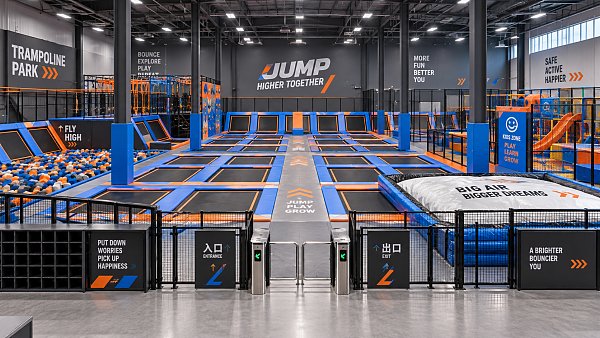
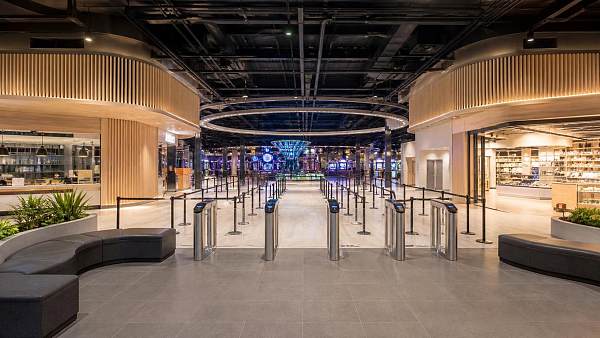
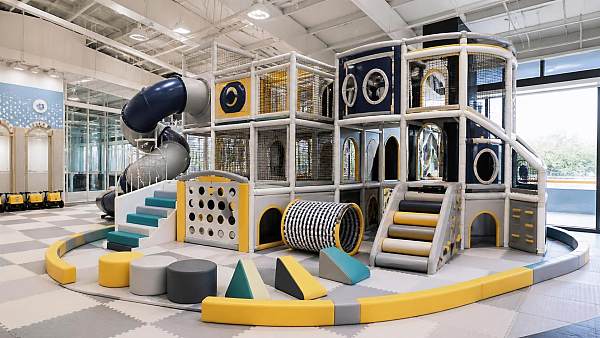
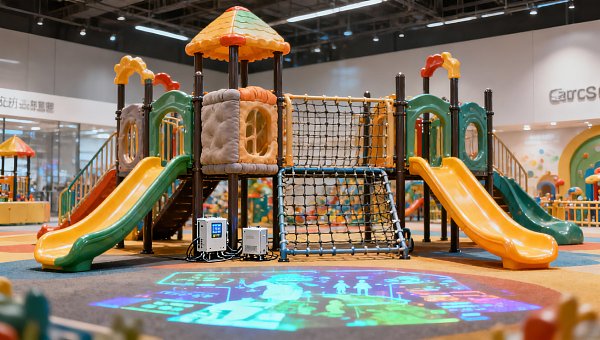
Indoor playground climbers are often selected for malls, family entertainment centers, hotels, schools, and mixed-use retail. Weather control creates a stable operating environment.
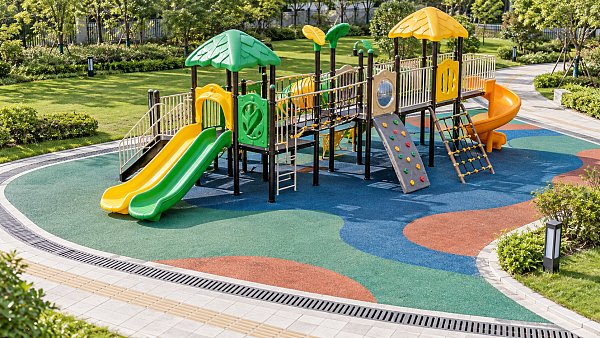
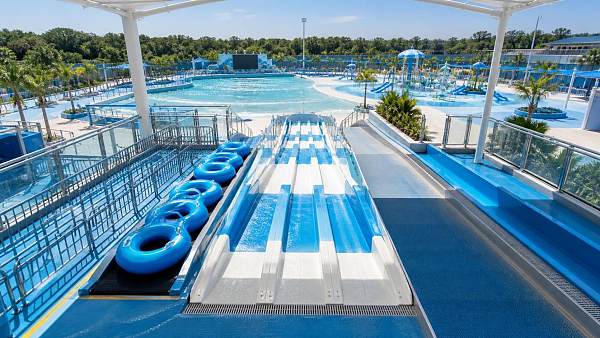
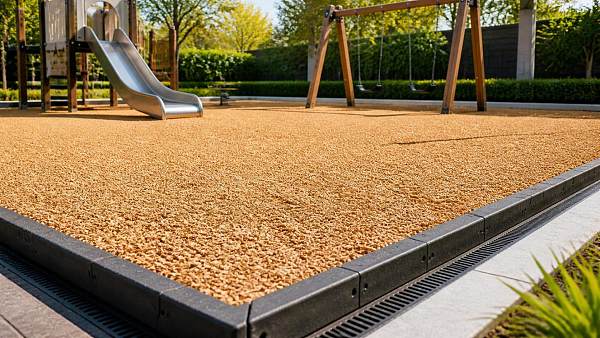
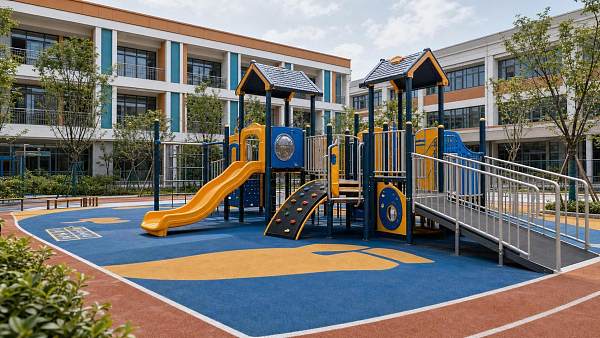
Outdoor playground climbers are more common in public parks, destination resorts, residential communities, and tourism sites. They support stronger visual impact and larger play capacity.
A useful starting checklist includes site size, ceiling height, climate exposure, drainage, age group, target throughput, maintenance access, and expected service life.
- Choose indoor playground climbers if weather reliability and year-round use matter most.
- Choose outdoor playground climbers if landmark presence and open-air play are key priorities.
- Compare visitor patterns before comparing unit prices.
- Define whether the installation supports public access or managed access.
How Indoor Playground Climbers Perform
Indoor playground climbers work best when operators need predictable conditions. Lighting, temperature, and cleaning routines stay easier to control.
This control supports softer materials, themed finishes, net structures, foam elements, and modular features. It also simplifies inspection planning and reduces weather-related wear.
Another advantage is revenue consistency. Indoor play zones can operate in rain, heat, or cold, which helps facilities with ticketing, memberships, or food-driven dwell time.
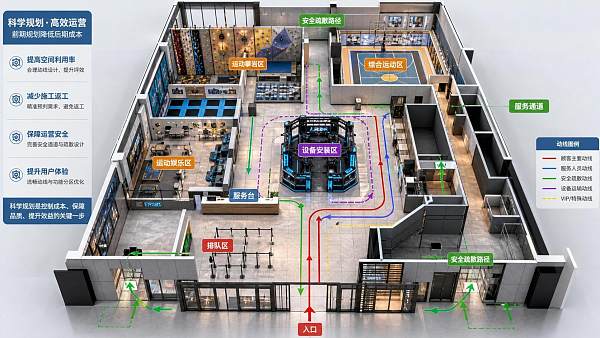
From a construction angle, indoor playground climbers usually require close coordination with HVAC, fire systems, column grids, and floor loading.
Ceiling clearance matters more than many teams expect. A compact footprint may still fail if circulation, evacuation routes, or overhead systems are not considered early.
Indoor solutions are often faster to maintain cosmetically. Still, they need strong hygiene procedures because touch frequency is high and contamination spreads quickly.
Best-fit indoor scenarios
- Shopping centers seeking longer visitor stay.
- Hotels adding family-friendly amenities.
- Schools needing protected all-season activity areas.
- Entertainment venues with controlled staffing and ticket access.
How Outdoor Playground Climbers Perform
Outdoor playground climbers usually win on scale, visibility, and community impact. They can anchor a destination and create a strong public identity.
They also allow more dynamic layouts. Larger climbing towers, rope courses, and nature-inspired structures often feel more open and adventurous outdoors.
That said, exposure changes everything. UV, humidity, salt air, freeze-thaw cycles, and heavy rain directly affect material choice and maintenance frequency.
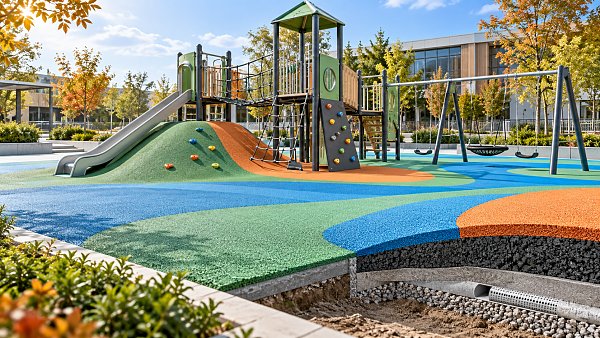
Outdoor playground climbers need stronger corrosion resistance, durable coatings, stable foundations, and effective drainage. Surface temperature control is also a serious safety issue.
In commercial settings, outdoor play equipment can support placemaking and property value. However, downtime from weather or repairs may affect user satisfaction.
If the project sits in a harsh climate, outdoor playground climbers should be specified around lifecycle resilience, not just opening-day appearance.
Best-fit outdoor scenarios
- Municipal parks requiring high capacity.
- Resorts building memorable landscape features.
- Residential developments improving amenity value.
- Tourism sites that benefit from iconic outdoor attractions.
Key Decision Factors: Indoor vs Outdoor Playground Climbers
When two concepts both look attractive, decision quality depends on measurable criteria. That is where many playground climbers evaluations become more practical.
This comparison shows a simple truth. The best playground climbers are not the most advanced models, but the ones that match operating conditions precisely.
Safety, Compliance, and Material Selection
Safety standards should shape design from the beginning, not after concept approval. This is especially important for custom playground climbers.
Depending on market location, teams may need to align with ASTM, EN, ISO, or local regulatory requirements. Impact attenuation and fall zones remain critical in both environments.
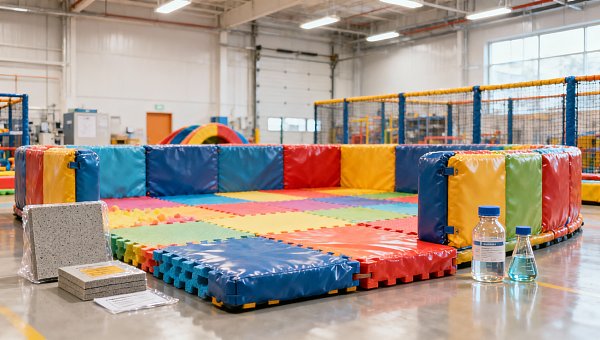
Indoor playground climbers often emphasize fire performance, padding integrity, enclosed access control, and hygiene-safe surfaces. Outdoor models focus more on weather endurance and structural durability.
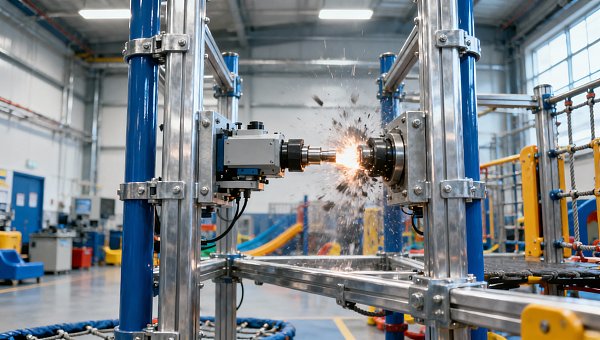
Materials should be selected by exposure profile. Powder-coated steel, stainless steel, HDPE panels, treated wood, reinforced rope, and UV-stable plastics all perform differently.
In actual delivery, compliance delays often come from missing documentation, unclear anchoring details, or late redesigns around surfacing requirements.
Practical compliance checks
- Confirm target standards before supplier selection.
- Review fall height and surfacing as one package.
- Match materials to climate, cleaning method, and usage density.
- Request maintenance manuals and inspection schedules early.
Budget Control and Lifecycle Value
Initial price rarely tells the full story. Smart procurement for playground climbers depends on total cost of ownership.
Indoor playground climbers may reduce weather damage, but they can require higher interior coordination costs. Fire compliance, delivery access, and assembly inside finished spaces can add expense.
Outdoor playground climbers may involve heavier civil works. Excavation, drainage systems, concrete bases, shade strategy, and long-term coating renewal should be budgeted upfront.
Replacement cycles also differ. High-touch indoor elements may wear faster cosmetically, while outdoor components face more structural stress from environment and misuse.
If commercial performance matters, compare how playground climbers support dwell time, admissions, repeat visits, amenity value, and property differentiation.
A Simple Selection Framework for Your Project
A clear framework can speed internal approvals. It also helps procurement, design, and operations teams stay aligned.
- Define project goals: capacity, brand effect, revenue role, and age range.
- Audit the site: structure, climate, utilities, drainage, and access limitations.
- Set compliance priorities based on target market requirements.
- Compare indoor and outdoor playground climbers by lifecycle cost, not unit cost.
- Validate maintenance resources before final specification.
- Select suppliers that can support documentation, customization, and after-sales service.
If your project needs stable operation and controlled user experience, indoor playground climbers are often the stronger choice.
If your project needs visual impact, larger movement zones, and outdoor placemaking, outdoor playground climbers may deliver better long-term value.
The best decision comes from matching playground climbers to site reality, operating model, and service expectations. When those three align, the project performs better from opening day onward.
Search News
Hot Articles
- Pro Stage AudioRME Launches ADI-2/4 PRO EX Audio Converter with Integrated ProcessingOct 24, 2026
- Office Furniture & EquipOffice Phone Booths: How to Evaluate Speech Privacy Before You BuyOct 24, 2026
- Outdoor RidesComcast Q3 Earnings: Universal Theme Park Revenue Falls 4.4% to $2.6 BillionOct 23, 2026
Popular Tags
Need ExpertConsultation?
Connect with our specialized leisureengineering team for procurementstrategies.
Recommended News
 Oct 18, 2026Turnkey Playground Installation: What's Included and What Costs Extra?Turnkey playground installation: discover what's included, uncover extra costs, and compare quotes confidently. Learn how to avoid budget surprises before you sign.● Theme Park Strategist
 Oct 24, 2026What Are the Biggest Risks in Entertainment Venue Development?What are the biggest risks in entertainment venue development projects? Explore demand, budget, safety, and opening risks—and learn how to protect your investment before you commit.● Theme Park Strategist
 Oct 08, 2026How to Choose Animatronic Haunted House Props for High-Throughput AttractionsAnimatronic haunted house props for high-throughput attractions: compare motion, triggers, safety, and maintenance to create reliable scares that keep guests moving.● Theme Park Strategist
 Sep 29, 2026Poured Playground Safety Surfacing: How to Specify Thickness for Fall HeightsPoured playground safety surfacing: learn how to specify tested thickness by fall height, ASTM standards, substrate conditions, accessibility, and field verification.● Theme Park Strategist
 Sep 27, 2026Custom Trampoline Park Equipment: Planning Capacity, Safety, and LayoutCustom trampoline park equipment for safer capacity, smooth guest flow, and efficient layouts. Explore practical planning insights for a high-performing park.● Theme Park Strategist
 Aug 30, 2026Entertainment Venue Master Planning: How to Balance Capacity, Flow, and RevenueEntertainment venue development master planning: balance capacity, guest flow, and revenue with practical strategies for resilient, high-performing venues.● Theme Park Strategist
 Sep 07, 2026What Should Buyers Do When a Supplier Delivers Non-Compliant Products?What to do if a supplier delivers non-compliant commercial products: contain risks, document evidence, protect your project, and secure the right remedy.● Theme Park Strategist
 Sep 02, 2026Waterpark Capacity Management: Balancing Queue Times, Safety, and Guest ThroughputWaterpark capacity management strategies to reduce queue times, protect safety, optimize guest throughput, and build a smoother, more profitable park operation.● Theme Park Strategist
 Sep 01, 2026ASTM F2075 Explained: Testing Engineered Wood Fiber for Playground Impact SafetyASTM F2075 explained: learn how engineered wood fiber supports playground impact safety, smarter sourcing, compliance documentation, and reliable maintenance planning.● Theme Park Strategist
 Aug 24, 2026How to Evaluate an Indoor Ninja Warrior Course Supplier in Europe?indoor ninja warrior course Europe supplier guide: learn how to assess safety, EN compliance, engineering, installation, and maintenance support before you choose.● Theme Park Strategist
 Aug 20, 2026How to Choose Modular Indoor Play Equipment for Different Venue Sizes and Age GroupsModular indoor play equipment buying guide: learn how to match venue size, ceiling height, traffic flow, and age groups to create safer, smarter, and more profitable play spaces.● Theme Park Strategist
 Aug 14, 2026POB Push Lifts Overseas Pre-Registrations 45.74%POB boosts overseas pre-registrations for the 2026 China Sport Show by 45.74%, signaling stronger global buyer interest and smarter sourcing opportunities in sports manufacturing.● Theme Park Strategist
 Aug 02, 2026What to Check Before Buying Thick Gymnastic Mats Wholesale for Schools and GymsThick gymnastic mats wholesale buying guide for schools and gyms: learn how to check foam, cover durability, safety documents, samples, and true long-term value before placing a bulk order.● Theme Park Strategist
 Jul 28, 2026How to Design Inclusive Sensory Play Areas for Different Age Groups and NeedsInclusive sensory play starts with smart zoning, age planning, accessibility, and acoustics. Discover practical design tips to create safer, engaging spaces that truly work.● Theme Park Strategist
 Jul 26, 2026How to Evaluate a Bowling Alley Equipment Factory Before Requesting a QuoteBowling alley equipment factory evaluation starts before price. Learn how to check manufacturing scope, engineering, compliance, spare parts, and installation support to avoid costly sourcing mistakes.● Theme Park Strategist
 Jul 16, 2026EN 1176:2026 Takes Effect for Indoor PlaygroundsEN 1176:2026 takes effect for indoor playgrounds in the EU, making conformity assessment mandatory. Learn how this impacts certification, customs clearance, suppliers, and market access.● Theme Park Strategist
 Jul 15, 2026CPSC Sets New ASTM Impact Test for Indoor Playground Metal PartsCPSC sets new ASTM impact test rules for indoor playground metal parts effective Oct. 1, 2026. Learn how the 15kN requirement may affect compliance, testing timelines, and U.S. export delivery.● Theme Park Strategist
 Jul 14, 2026CPSC Tightens Phthalate Limit for Indoor Playground Soft MaterialsCPSC tightens phthalate limits for indoor playground soft materials from Aug 15, 2026. Learn how DIBP control, CBP detention risk, and testing changes impact sourcing, exports, and compliance.● Theme Park Strategist
 Jul 13, 2026Vietnam Tightens IoT Rule for Indoor Playground ImportsVietnam Tightens IoT Rule for Indoor Playground Imports: learn how VNSS-2025 gateway requirements affect exporters, buyers, installers, and delivery timelines before the 2026 deadline.● Theme Park Strategist
 Jul 13, 2026How a Recreational Facility Planning Company Helps Reduce Layout MistakesRecreational facility planning company insights: learn how early layout strategy reduces costly mistakes, improves flow, compliance, and buildability for smoother project delivery.● Theme Park Strategist
 Jul 12, 2026CPSC Halts Imports of Indoor Playground Soft PartsCPSC halts imports of indoor playground soft parts from China under ASTM F3432-26. Learn the compliance risks, testing requirements, and urgent steps importers must take now.● Theme Park Strategist
 Jul 11, 2026CPSC Import Alert Tightens Fire Test Rule for Indoor Playground PaddingCPSC import alert updates indoor playground padding rules to ASTM F3432-26. See how the new fire test affects foam mats, shipments, and U.S. market access.● Theme Park Strategist
 Jul 11, 2026Ice Bumper Cars Bulk Order Checklist for Indoor Parks: Space, Power, and Safety PointsIce bumper cars bulk order guide for indoor parks: learn how to assess space, power, safety, and throughput before buying, so you can avoid costly mistakes and choose the right fleet with confidence.● Theme Park Strategist
 Jul 10, 2026Commercial Playground Equipment for Campuses: Key Safety Standards and Planning TipsCommercial playground equipment for campuses: explore key safety standards, inclusive layout planning, durable materials, and smart procurement tips to avoid costly mistakes.● Theme Park Strategist