How to Evaluate an Indoor Playground Supplier for Safety, Custom Design, and Lead Time
Why does choosing an indoor playground supplier require more than a price comparison?
A low quote can look attractive early on. It often becomes expensive later.
Indoor playground projects sit at the intersection of safety, design, logistics, and brand experience.
That is why an indoor playground supplier should be reviewed as a long-term project partner, not only as a factory.
In practical terms, the right supplier helps reduce compliance issues, redesign cycles, shipping surprises, and opening delays.
The wrong one may deliver a playground that looks acceptable in renderings but fails real site conditions.
This matters even more in commercial spaces shaped by experience-led spending.
Across hospitality, education, retail, and leisure venues, buyers increasingly need installations that are safe, distinctive, and dependable.
That broader sourcing mindset aligns with how Global Commercial Trade approaches commercial intelligence.
The emphasis is not just on finding suppliers. It is on comparing capability, compliance, and delivery confidence.
What safety evidence should an indoor playground supplier show before any design discussion?
Safety should be verified before colors, themes, or pricing details become the main topic.
A credible indoor playground supplier usually provides clear documentation instead of vague promises.
The first checkpoint is product testing against recognized standards relevant to the destination market.
Common references may include ASTM, EN, or other national playground and materials requirements.
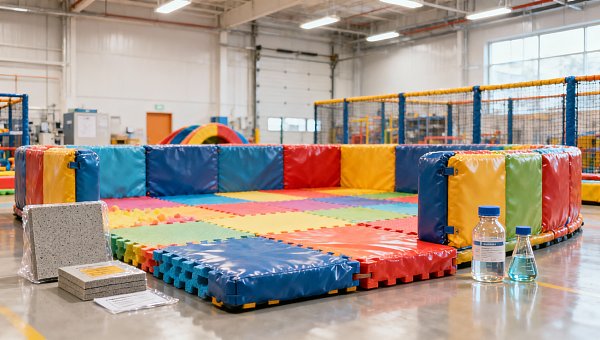
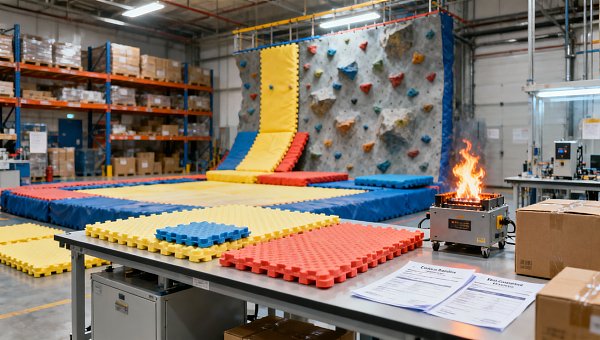
Need-to-check documents often include material test reports, fire performance data, and foam or padding specifications.
It is also wise to ask whether reports apply to the current product structure, not an older sample.
Another useful question is how the supplier controls safety during manufacturing, not only after production.
That includes weld quality checks, fastening methods, net tension control, edge protection, and traceability of components.
A supplier that explains these points clearly is usually easier to work with during technical review.
Quick safety screening questions
- Which standards are covered for the target country or region?
- Are test reports current and issued by recognized laboratories?
- Do reports match the actual materials used in the quotation?
- How are installation risks and post-install inspection handled?
- Can the supplier share past projects with similar compliance needs?
If these answers stay general, the risk level is usually higher than it first appears.
How can custom design capability be judged without relying only on nice renderings?
Renderings are useful, but they are only the starting point.
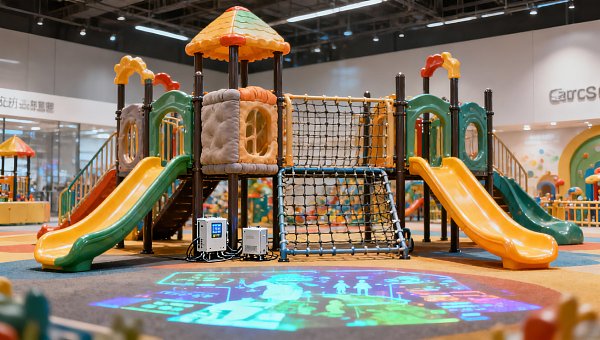
A strong indoor playground supplier turns a concept into something buildable, maintainable, and code-aware.
The more reliable way to judge design capability is to look at the process behind the visuals.
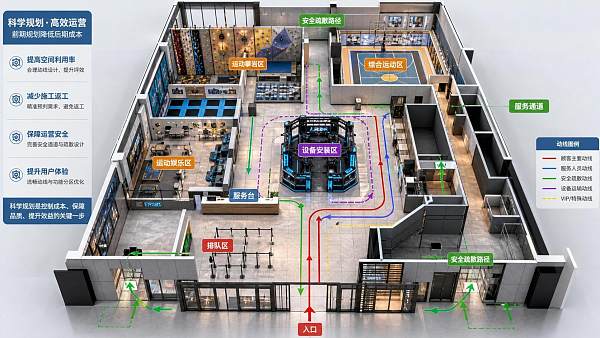
Ask how the supplier handles ceiling height limits, column positions, circulation, age zoning, and emergency access.
These details reveal whether the team understands real project constraints.
Custom work also means balancing creativity with throughput and durability.
For example, a highly themed structure may need special molds, nonstandard finishes, or revised support engineering.
That affects both lead time and cost, so design and production should be discussed together.
A dependable indoor playground supplier usually offers layout refinement, technical drawings, and material suggestions before final approval.
A supplier with mature design discipline usually makes decisions easier, not more confusing.
Where do material quality and construction details usually reveal the real difference?
This is often where two similar quotations start to separate.
Material quality affects user safety, cleaning performance, maintenance frequency, and replacement cost over time.
A serious indoor playground supplier should explain what sits behind each major component.
That means steel grade, pipe thickness, coating method, platform board composition, foam density, PVC quality, and net strength.
More importantly, these specifications should be linked to use intensity.
A family entertainment center, hotel play zone, or school installation may have different traffic patterns and cleaning routines.
In actual sourcing decisions, asking for cut sheets or sample cross-sections can be more revealing than a polished catalog.
It also helps to ask which components are most likely to require replacement within the first three years.
A transparent answer usually indicates practical field experience.
Details worth checking early
- Padding thickness in high-impact zones
- Fastener concealment and anti-loosening design
- Surface cleanability for hospitality or public spaces
- Spare parts availability after shipment
- Consistency between sample quality and bulk production
These points may sound small, yet they often shape the daily operating experience after opening.
How realistic are promised lead times, and what usually causes delays?
Lead time is one of the most misunderstood parts of supplier evaluation.
Many delays do not come from transport alone. They start much earlier.
A realistic indoor playground supplier should break the timeline into clear stages.
Those stages usually include design confirmation, engineering review, raw material preparation, production, quality inspection, packing, and shipping release.
If a supplier offers a very short schedule without discussing approvals, customization depth, or shipment method, caution is justified.
Custom projects commonly slow down because drawings stay open too long or site data changes midstream.
Another common issue is hidden dependence on outsourced components.
That is why it helps to ask which parts are made in-house and which are externally sourced.
A more reliable indoor playground supplier will identify schedule risks early, rather than promising impossible speed.
A practical way to test lead time credibility
Ask for a milestone schedule tied to documents, not just dates.
For example, production should begin after final drawing approval, deposit receipt, and material confirmation.
This makes comparisons between suppliers far more meaningful.
What red flags suggest an indoor playground supplier may not fit a serious project?
Some warning signs appear before the formal quote arrives.
One obvious issue is inconsistent information across drawings, test reports, and material lists.
Another is reluctance to discuss installation responsibility, inspection scope, or spare parts support.
A weaker indoor playground supplier may also avoid detailed questions about revisions, packaging protection, or site constraints.
In many cases, the problem is not bad intent. It is limited project control.
That still creates commercial risk, especially when opening dates are fixed.
It helps to compare suppliers on response quality, not only response speed.
- Overly broad claims with no supporting documents
- No structured process for custom design approvals
- Unclear material substitution policy
- Lead time quoted before technical scope is fixed
- After-sales support described vaguely or only verbally
A useful supplier comparison often looks less like shopping and more like project risk review.
So how should the final decision be made when several options look acceptable?
When several proposals seem close, the best next step is to score them against the same decision frame.
Price should remain part of the decision, but not the whole decision.
A balanced review often includes five areas: safety proof, design maturity, material clarity, lead time realism, and post-install support.
This is especially relevant in sectors tracked by GCT, where commercial environments depend on both experience value and operational reliability.
An indoor playground supplier that performs well across those areas is usually the safer long-term choice.
Before moving forward, organize site drawings, intended age groups, traffic expectations, and target opening dates.
Then request matched proposals with the same scope assumptions.
That simple step makes supplier evaluation sharper and much more defensible.
In the end, the right choice is usually the supplier that reduces uncertainty while still meeting the creative and commercial goals of the project.
Search News
Hot Articles
Popular Tags
Need ExpertConsultation?
Connect with our specialized leisureengineering team for procurementstrategies.
Recommended News
 Oct 26, 2026Indoor Playground Maintenance Checklist: Daily, Weekly, and Monthly TasksStreamline playground maintenance with daily, weekly, and monthly checklists. Learn how to spot hazards, prioritize repairs, and keep your indoor play area ready for safer fun.● Theme Park Strategist
 Oct 18, 2026Turnkey Playground Installation: What's Included and What Costs Extra?Turnkey playground installation: discover what's included, uncover extra costs, and compare quotes confidently. Learn how to avoid budget surprises before you sign.● Theme Park Strategist
 Oct 24, 2026What Are the Biggest Risks in Entertainment Venue Development?What are the biggest risks in entertainment venue development projects? Explore demand, budget, safety, and opening risks—and learn how to protect your investment before you commit.● Theme Park Strategist
 Oct 08, 2026How to Choose Animatronic Haunted House Props for High-Throughput AttractionsAnimatronic haunted house props for high-throughput attractions: compare motion, triggers, safety, and maintenance to create reliable scares that keep guests moving.● Theme Park Strategist
 Sep 29, 2026Poured Playground Safety Surfacing: How to Specify Thickness for Fall HeightsPoured playground safety surfacing: learn how to specify tested thickness by fall height, ASTM standards, substrate conditions, accessibility, and field verification.● Theme Park Strategist
 Sep 27, 2026Custom Trampoline Park Equipment: Planning Capacity, Safety, and LayoutCustom trampoline park equipment for safer capacity, smooth guest flow, and efficient layouts. Explore practical planning insights for a high-performing park.● Theme Park Strategist
 Aug 30, 2026Entertainment Venue Master Planning: How to Balance Capacity, Flow, and RevenueEntertainment venue development master planning: balance capacity, guest flow, and revenue with practical strategies for resilient, high-performing venues.● Theme Park Strategist
 Sep 07, 2026What Should Buyers Do When a Supplier Delivers Non-Compliant Products?What to do if a supplier delivers non-compliant commercial products: contain risks, document evidence, protect your project, and secure the right remedy.● Theme Park Strategist
 Sep 02, 2026Waterpark Capacity Management: Balancing Queue Times, Safety, and Guest ThroughputWaterpark capacity management strategies to reduce queue times, protect safety, optimize guest throughput, and build a smoother, more profitable park operation.● Theme Park Strategist
 Sep 01, 2026ASTM F2075 Explained: Testing Engineered Wood Fiber for Playground Impact SafetyASTM F2075 explained: learn how engineered wood fiber supports playground impact safety, smarter sourcing, compliance documentation, and reliable maintenance planning.● Theme Park Strategist
 Aug 24, 2026How to Evaluate an Indoor Ninja Warrior Course Supplier in Europe?indoor ninja warrior course Europe supplier guide: learn how to assess safety, EN compliance, engineering, installation, and maintenance support before you choose.● Theme Park Strategist
 Aug 20, 2026How to Choose Modular Indoor Play Equipment for Different Venue Sizes and Age GroupsModular indoor play equipment buying guide: learn how to match venue size, ceiling height, traffic flow, and age groups to create safer, smarter, and more profitable play spaces.● Theme Park Strategist
 Aug 14, 2026POB Push Lifts Overseas Pre-Registrations 45.74%POB boosts overseas pre-registrations for the 2026 China Sport Show by 45.74%, signaling stronger global buyer interest and smarter sourcing opportunities in sports manufacturing.● Theme Park Strategist
 Aug 02, 2026What to Check Before Buying Thick Gymnastic Mats Wholesale for Schools and GymsThick gymnastic mats wholesale buying guide for schools and gyms: learn how to check foam, cover durability, safety documents, samples, and true long-term value before placing a bulk order.● Theme Park Strategist
 Jul 28, 2026How to Design Inclusive Sensory Play Areas for Different Age Groups and NeedsInclusive sensory play starts with smart zoning, age planning, accessibility, and acoustics. Discover practical design tips to create safer, engaging spaces that truly work.● Theme Park Strategist
 Jul 26, 2026How to Evaluate a Bowling Alley Equipment Factory Before Requesting a QuoteBowling alley equipment factory evaluation starts before price. Learn how to check manufacturing scope, engineering, compliance, spare parts, and installation support to avoid costly sourcing mistakes.● Theme Park Strategist
 Jul 16, 2026EN 1176:2026 Takes Effect for Indoor PlaygroundsEN 1176:2026 takes effect for indoor playgrounds in the EU, making conformity assessment mandatory. Learn how this impacts certification, customs clearance, suppliers, and market access.● Theme Park Strategist
 Jul 15, 2026CPSC Sets New ASTM Impact Test for Indoor Playground Metal PartsCPSC sets new ASTM impact test rules for indoor playground metal parts effective Oct. 1, 2026. Learn how the 15kN requirement may affect compliance, testing timelines, and U.S. export delivery.● Theme Park Strategist
 Jul 14, 2026CPSC Tightens Phthalate Limit for Indoor Playground Soft MaterialsCPSC tightens phthalate limits for indoor playground soft materials from Aug 15, 2026. Learn how DIBP control, CBP detention risk, and testing changes impact sourcing, exports, and compliance.● Theme Park Strategist
 Jul 13, 2026Vietnam Tightens IoT Rule for Indoor Playground ImportsVietnam Tightens IoT Rule for Indoor Playground Imports: learn how VNSS-2025 gateway requirements affect exporters, buyers, installers, and delivery timelines before the 2026 deadline.● Theme Park Strategist
 Jul 13, 2026How a Recreational Facility Planning Company Helps Reduce Layout MistakesRecreational facility planning company insights: learn how early layout strategy reduces costly mistakes, improves flow, compliance, and buildability for smoother project delivery.● Theme Park Strategist
 Jul 12, 2026CPSC Halts Imports of Indoor Playground Soft PartsCPSC halts imports of indoor playground soft parts from China under ASTM F3432-26. Learn the compliance risks, testing requirements, and urgent steps importers must take now.● Theme Park Strategist
 Jul 11, 2026CPSC Import Alert Tightens Fire Test Rule for Indoor Playground PaddingCPSC import alert updates indoor playground padding rules to ASTM F3432-26. See how the new fire test affects foam mats, shipments, and U.S. market access.● Theme Park Strategist
 Jul 11, 2026Ice Bumper Cars Bulk Order Checklist for Indoor Parks: Space, Power, and Safety PointsIce bumper cars bulk order guide for indoor parks: learn how to assess space, power, safety, and throughput before buying, so you can avoid costly mistakes and choose the right fleet with confidence.● Theme Park Strategist