What to Evaluate Before Buying Commercial Self Service Photo Booths for Venues
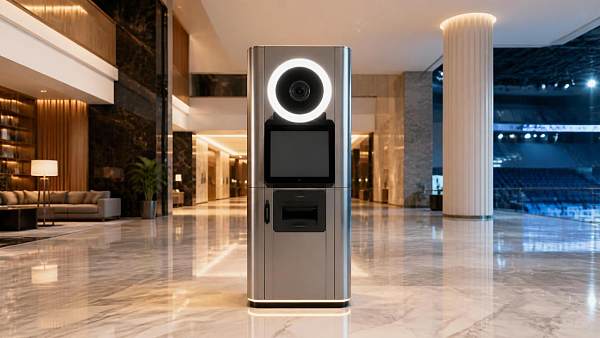
Investing in commercial self service photo booths for venues involves more than comparing prices or exterior styling. For procurement teams, the right decision depends on whether the booth can perform reliably in a demanding public environment, support brand and operational goals, and generate measurable commercial value over time.
Buyers searching for commercial self service photo booths are usually not looking for a basic product overview. They want a practical evaluation framework: what affects uptime, what drives guest usage, what increases maintenance costs, and which supplier capabilities actually matter after installation.
For most venues, the strongest buying decision comes from balancing five priorities: hardware durability, software stability, user experience, branding flexibility, and long-term technical support. If one of these areas is weak, even an attractive booth can become a service burden instead of a guest engagement asset.
Why Venue Buyers Need a Different Evaluation Standard
Commercial venues operate under different conditions than private event organizers or short-term rental users. Foot traffic is higher, guest expectations are less forgiving, and equipment often needs to perform consistently for long operating hours with limited staff intervention.
That means procurement professionals should evaluate commercial self service photo booths as durable operating assets, not novelty purchases. The question is not only whether the booth looks appealing, but whether it can withstand repeated public use while protecting revenue opportunities and brand reputation.
In hospitality, entertainment, and mixed-use venue settings, a poorly selected booth can create hidden costs. Slow software, camera failures, print jams, or difficult interfaces can quickly turn a guest-facing attraction into a maintenance problem that consumes staff time.
Start With the Venue’s Commercial Objective
Before comparing models or suppliers, buyers should define the booth’s role in the venue. Some venues want a direct revenue unit through paid sessions, while others use the booth to increase dwell time, strengthen social sharing, or support sponsorship activation.
This distinction matters because the ideal specification changes with the business objective. A hotel lobby may prioritize elegant design and brand customization, while a family entertainment venue may need faster throughput, simpler workflows, and heavier-duty components.
Procurement teams should ask three practical questions early: what business result the booth should support, where it will be installed, and what operating conditions it must handle daily. These answers create a more useful shortlist than price filtering alone.
Evaluate Hardware for Daily Public Use, Not Showroom Appeal
Many commercial self service photo booths appear impressive in sales materials, but procurement teams need to assess build quality under real venue conditions. The housing, touchscreen, camera mount, lighting system, printer compartment, and internal cable management all affect long-term reliability.
Materials should be suitable for frequent public interaction. Buyers should look for sturdy frames, impact-resistant surfaces, stable bases, and components that remain aligned despite repeated use. A booth intended for public venues should not feel delicate or dependent on careful handling.
Touchscreens deserve particular attention because they are one of the highest-contact points. Screen responsiveness, glass strength, anti-glare performance, and cleaning tolerance all matter in settings such as hotels, amusement venues, or event halls where users interact quickly and repeatedly.
Camera quality also needs practical review. Resolution matters, but consistency matters more. Buyers should confirm that the camera and lighting combination can deliver flattering, repeatable image quality across different user heights, skin tones, and ambient lighting conditions.
If the booth includes printing, the printer should be evaluated as a mission-critical component rather than an accessory. Media capacity, print speed, replacement workflow, jam frequency, and consumables availability all affect operating continuity and labor requirements.
Software Stability Is Often More Important Than Feature Count
Procurement teams are often shown long lists of software functions, but the better buying question is whether the platform is stable under commercial load. In venue environments, a simple interface that works consistently is usually more valuable than an advanced feature set that fails intermittently.
The software should launch quickly, recover cleanly after errors, and maintain reliable performance through repeated sessions. Buyers should ask whether the system supports remote monitoring, automatic restarts, diagnostics, and update management without requiring frequent on-site technical visits.
Workflow speed is another key factor. Guests should be able to understand the process immediately, complete the session with minimal friction, and receive outputs quickly. If the interaction feels slow or confusing, usage rates and customer satisfaction will drop.
Integration capabilities may also influence the decision. Some venues need CRM capture, branded microsites, QR delivery, social sharing, or campaign analytics. These functions can be valuable, but only if they are implemented cleanly and supported over the life of the deployment.
User Experience Directly Affects Utilization and ROI
A venue can install a technically capable booth and still see weak results if the guest experience is poorly designed. Procurement professionals should test the full user journey from approach to session completion, because adoption depends heavily on clarity, speed, and comfort.
Instructions should be intuitive enough for first-time users without staff explanation. On-screen prompts must be visually clear, well-paced, and suitable for a broad audience, including international visitors, families, and guests with limited patience in busy commercial spaces.
Accessibility should also be part of the evaluation. Screen height, interface readability, interaction timing, and physical reach all affect inclusivity. For public-facing venues, broader usability is not just a social consideration; it can materially influence session volume and guest satisfaction.
Buyers should also observe whether the experience encourages repeat or shared use. Features such as multi-shot layouts, instant digital delivery, branded templates, and easy group framing can improve participation rates, especially in social venues where guests are motivated by shareable outcomes.
Branding Flexibility Matters More Than Many Buyers Expect
For many venues, especially hotels, malls, leisure attractions, and sponsored event spaces, the booth is part of the visible customer environment. It should support the venue’s aesthetic, not interrupt it. That makes branding flexibility a practical procurement criterion.
Externally, buyers may need options for color finishes, material treatments, logo placement, and form factor alignment with interior design. A booth that looks acceptable in a trade show brochure may still feel out of place in a premium hospitality or luxury-oriented environment.
Digitally, the interface should allow control over templates, animations, welcome screens, output formats, and language settings. These details matter because they influence both brand consistency and campaign relevance across different locations or seasonal activations.
If the venue plans to use the booth for partnerships or sponsorships, content management should be easy to update without requiring repeated engineering support. Flexible, low-friction branding workflows make the asset more commercially useful over time.
Ask How the Booth Performs Operationally After Month Six
Many purchasing mistakes happen because buyers focus on installation rather than sustained operation. A better procurement lens is to examine what ownership looks like after several months of daily use, when novelty fades and real maintenance patterns emerge.
Key questions include how often consumables need replacement, how staff handle common faults, how quickly parts can be shipped, and whether preventive maintenance is realistic for the venue team. Reliability in month six is usually a better value indicator than visual appeal on day one.
Procurement teams should request data on expected uptime, service intervals, and common failure points. If suppliers cannot explain routine support scenarios clearly, that is a warning sign. Operational transparency is often more revealing than polished product presentations.
For venues with multiple sites, fleet management becomes even more important. Standardized components, remote management tools, and consistent training materials help reduce complexity across locations and improve purchasing efficiency at scale.
Supplier Capability Is Part of the Product
When buying commercial self service photo booths, the supplier should be evaluated as carefully as the equipment. Product quality matters, but so do manufacturing consistency, quality control systems, certification readiness, software ownership, and post-sale support structure.
Procurement professionals should confirm whether the supplier controls key parts of the solution or relies heavily on third-party assembly and fragmented software arrangements. The more disconnected the delivery model, the greater the risk of support delays and accountability gaps.
It is also useful to assess export experience, documentation quality, spare parts planning, and responsiveness during pre-sale technical discussions. Suppliers that answer precisely during evaluation are more likely to be dependable when real operating issues arise.
For OEM or ODM projects, buyers should go further and review customization limits, lead times, testing processes, and version control. A custom enclosure or interface can add value, but only if the supplier can deliver repeatable quality at commercial scale.
Compliance, Safety, and Data Handling Should Not Be Treated as Formalities
Because photo booths are guest-facing electronic systems, procurement teams should verify relevant safety and compliance standards early in the process. Electrical certifications, material safety, and regional compliance requirements can affect import approval, insurance compatibility, and deployment timelines.
Data handling is equally important, especially when the booth captures email addresses, phone numbers, or marketing consent. Buyers should understand where data is stored, how it is transmitted, who controls access, and whether privacy workflows align with local regulations.
If the booth includes cloud connectivity, remote access controls and update policies should be reviewed with the same seriousness as hardware specifications. In many commercial environments, data and network risk now sit directly within procurement decision-making, not only IT oversight.
Total Cost of Ownership Is the Procurement Metric That Matters
Initial price is only one part of the investment. A cheaper booth can become more expensive over time if it requires frequent repairs, high consumables spending, manual intervention, or software workarounds. Procurement teams should model total cost of ownership from the start.
This model should include purchase cost, shipping, installation, consumables, licensing, training, support fees, spare parts, expected downtime, and labor involvement. These variables often reveal that the lowest quotation is not the strongest commercial option.
Revenue assumptions should also be realistic. If the booth supports paid sessions, buyers should estimate demand by location, seasonality, and traffic patterns. If the value is indirect, they should define success through engagement, lead capture, sponsorship value, or social amplification.
A practical procurement decision comes from comparing cost structure with intended business role. The right booth is not simply the one with the best specifications, but the one that can deliver durable operational value in the venue’s actual commercial context.
Questions Buyers Should Ask Before Final Approval
Before signing, procurement teams should ask for a live demonstration or detailed video proof of the full workflow, not just static product images. They should verify speed, print cycle, digital delivery, interface clarity, and recovery behavior after interruptions.
It is also wise to request references from comparable venues. A supplier that has already supported hotels, leisure destinations, malls, or event spaces with similar traffic conditions can usually provide more dependable operational insight than a general electronics vendor.
Other useful questions include who owns the software, how updates are delivered, what spare parts are stocked regionally, how support response times are defined, and which issues can be resolved remotely. These are the questions that reduce procurement risk before problems appear.
Finally, buyers should confirm what is included in the quoted scope. Installation support, branding setup, training, warranty terms, and after-sales escalation paths should all be explicit. Ambiguity at the quotation stage often becomes cost or delay later.
Conclusion
Buying commercial self service photo booths for venues is fundamentally a business decision, not a decorative one. The best choice is the solution that combines reliable hardware, stable software, intuitive user experience, strong branding adaptability, and dependable supplier support.
For procurement professionals, the most useful evaluation approach is to look beyond the brochure and test how the booth will perform in real operating conditions. When buyers assess lifecycle cost, service readiness, compliance, and guest usability together, they make far better sourcing decisions.
In practical terms, a successful booth investment should enhance the venue experience without creating operational friction. If a supplier can demonstrate that level of commercial readiness, the product is far more likely to deliver lasting ROI and support the venue’s broader experience strategy.
Search News
Hot Articles
- Indoor PlaygroundHow to Choose Animatronic Haunted House Props for High-Throughput AttractionsOct 08, 2026
- Fashion & Gem JewelryThermal Diamond Testers: How They Work and When They Can Misidentify StonesOct 07, 2026
- Commercial KitchenWhat Is Driving Demand for Commercial Hospitality Projects Across the GCC?Oct 06, 2026
Popular Tags
Need ExpertConsultation?
Connect with our specialized leisureengineering team for procurementstrategies.
Recommended News
 Sep 15, 2026How to Choose Coin-Operated Pool Tables for Bars, Hotels, and Arcade VenuesCoin operated pool tables for bars, hotels, and arcades: compare sizes, payment systems, durability, service access, and revenue potential.● Theme Park Strategist
 Sep 08, 2026What to Look for in a Flight Simulator Chair Manufacturer for Commercial VR CentersChoose a flight simulator chair manufacturer that delivers durable, safe, customizable seating for commercial VR centers. Explore key sourcing criteria now.● Theme Park Strategist
 Aug 25, 2026What to Evaluate Before Buying Commercial Self Service Photo Booths for VenuesCommercial self service photo booths for venues: learn how to evaluate durability, software stability, branding flexibility, support, and total ROI before you buy.● Theme Park Strategist
 Aug 23, 2026How to Evaluate Wholesale Vending Machines for Multi-Location Business DeploymentWholesale vending machines for multi-location deployment require more than low unit cost. Learn how to compare reliability, payments, telemetry, and supplier support to scale smarter.● Theme Park Strategist
 Aug 17, 2026U.S. CPSC Urges Bilingual Warnings for Arcade and VR MachinesU.S. CPSC urges bilingual safety warnings for Arcade & VR Machines—learn what exporters, importers, and distributors must do now to avoid delays and returns.● Theme Park Strategist
 Aug 16, 2026EU Enforces EN IEC 62368-1:2026 Certification for Arcade and VR MachinesEU Enforces EN IEC 62368-1:2026 certification for arcade and VR machines, reshaping EU market access, customs clearance, and compliance planning for exporters and distributors.● Theme Park Strategist
 Aug 13, 2026UFLPA’s new guidelines take effect: Exports of Arcade and VR equipment face full-link labor compliance requirementsUFLPA’s new guide takes effect: Arcade and VR machine exports to the U.S. now face full-chain labor compliance checks. Discover key risks and action steps.● Theme Park Strategist
 Aug 12, 2026EU PPWR takes effect, Arcade and VR packaging incorporate heavy metal and PFAS restrictionsEU PPWR now applies to Arcade and VR packaging, tightening heavy metal and PFAS compliance. Learn how exporters can avoid delays, fines, and customs risks.● Theme Park Strategist
 Aug 11, 2026CPSC Sets Bilingual Labels for Arcade and VR ImportsCPSC bilingual labels for arcade and VR imports become mandatory on October 1, 2026. Learn the new English-Spanish warning rules, customs risks, and key compliance steps now.● Theme Park Strategist
 Aug 10, 2026EU Rule Takes Effect for Arcade & VR Machine ClearanceArcade & VR Machine clearance in the EU now depends on EN IEC 62368-1:2026+A11:2026 compliance. Learn what changed, who is affected, and how to avoid customs delays.● Theme Park Strategist
 Aug 09, 2026CPSC Requires New Labels for Arcade and VR ImportsCPSC requires new labels for Arcade and VR imports starting Oct 1, 2026. Learn the multilingual warning rules, compliance risks, and key steps exporters and buyers must take now.● Theme Park Strategist
 Aug 08, 2026EU Entry Rule Tightens for Arcade & VR MachinesArcade & VR Machines entering the EU now face stricter CE compliance under EN IEC 62368-1:2026+A11:2026. Learn the new rule, risks, and what exporters must do now.● Theme Park Strategist
 Aug 07, 2026CPSC Notice Tightens U.S. Entry Rules for Arcade and VR MachinesCPSC Notice Tightens U.S. Entry Rules for Arcade and VR Machines: learn the new labeling, FCC, UN38.3, and compliance document requirements before October 1, 2026.● Theme Park Strategist
 Aug 06, 2026EU Rule Takes Effect for CE-UKCA Labels on Arcade & VR MachinesArcade & VR Machines face new CE-UKCA label and ECPD filing rules in the EU and UK. Learn what manufacturers, importers, and distributors must do now to avoid delays.● Theme Park Strategist
 Aug 05, 2026CPSC Recalls Arcade and VR Machines Over UL 62368-1CPSC recalls arcade and VR machines over UL 62368-1 non-compliance. Learn how this 2026 safety action may affect imports, distribution, customs clearance, and market access.● Theme Park Strategist
 Aug 02, 2026EU Sets New Certification Rule for Arcade and VR MachinesArcade and VR Machines face a new EU certification rule from Oct 1, 2026. Learn how EN IEC 62368-1:2026+A11:2026 affects CE marking, customs clearance, and market access.● Theme Park Strategist
 Aug 01, 2026CPSC Moves to Require Bilingual Warnings on Arcade and VR MachinesCPSC bilingual warnings for Arcade and VR Machines may reshape U.S. import compliance. Learn how English-Spanish labels affect packaging, customs risk, and shipment readiness.● Theme Park Strategist
 Jul 31, 2026EU Sets EN IEC 62368-1:2025 Rule for Arcade and VR MachinesEU Sets EN IEC 62368-1:2025 Rule for Arcade and VR Machines. Learn the new EU compliance deadlines, safety updates, and key actions for manufacturers, OEMs, and distributors.● Theme Park Strategist
 Jul 30, 2026CPSC Sets New Warning Label Rule for Arcade & VR MachinesCPSC sets a new warning label rule for Arcade & VR Machines effective August 15, 2026. Learn key compliance risks, multilingual label requirements, and shipment actions now.● Theme Park Strategist
 Jul 29, 2026EU Enforces New Safety Standard for Arcade and VR MachinesEU Enforces New Safety Standard for Arcade and VR Machines: learn how EN IEC 62368-1 affects CE compliance, customs clearance, and EU market access for exporters and buyers.● Theme Park Strategist
 Jul 28, 2026CPSC Sets ASTM F3472-26 Rule for Arcade & VR ImportsCPSC ASTM F3472-26 rule reshapes Arcade & VR imports to the U.S. Learn key compliance deadlines, certification risks, and what exporters, OEM/ODM suppliers, and buyers should do now.● Theme Park Strategist
 Jul 27, 2026EU Rule Takes Effect for Arcade & VR Machine CybersecurityEU Rule Takes Effect for Arcade & VR Machine Cybersecurity: learn how EN IEC 62443-3-3:2025 affects compliance, customs clearance, sales continuity, and supplier planning in the EU market.● Theme Park Strategist
 Jul 25, 2026CPSC Sets Bilingual Warning Rule for Arcade and VR ImportsCPSC bilingual warning rule for arcade and VR imports takes effect August 1, 2026. Learn how OEM/ODM exporters can avoid CBP delays, relabel shipments, and protect U.S. delivery timelines.● Theme Park Strategist
 Jul 24, 2026EU Enforces New Safety Standard for Arcade and VR MachinesEU Enforces New Safety Standard for Arcade and VR Machines: learn how EN IEC 62368-1:2026+A11:2026 reshapes EU compliance, CE documentation, testing timelines, and export readiness.● Theme Park Strategist