UFLPA’s new guidelines take effect: Exports of Arcade and VR equipment face full-link labor compliance requirements
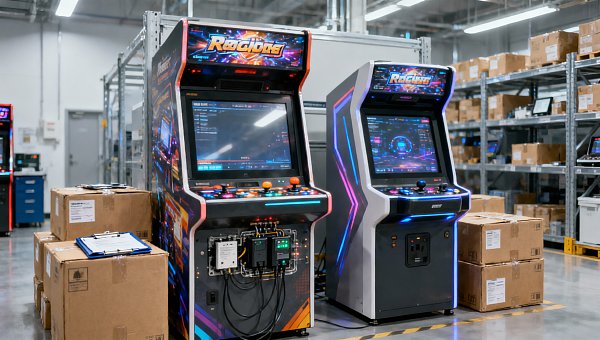
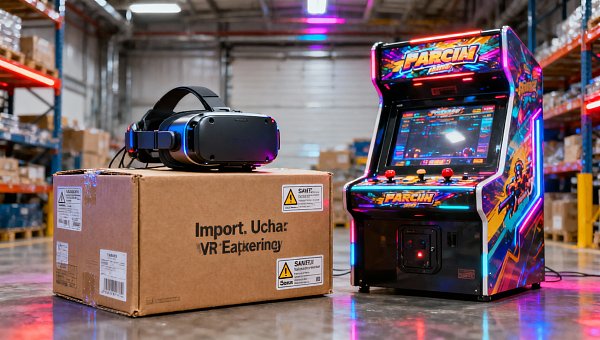
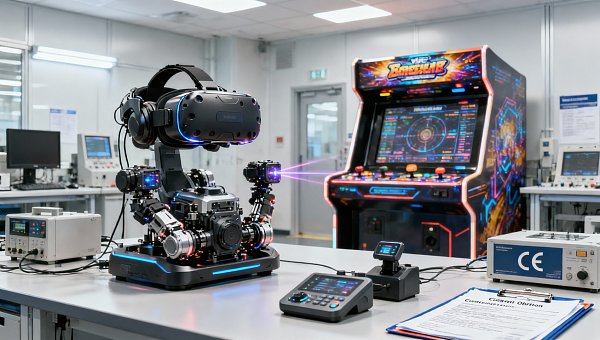
Starting from August 12, 2026, the U.S. CBP’s latest operating guidelines for forced labor enforcement have entered the full enforcement stage, and entertainment equipment such as Arcade & VR Machines have been clearly included in the scope of mandatory due diligence. For companies exporting indoor amusement equipment, VR experience cabins, and arcade products to the United States, the focus of compliance has shifted from single product audits to full-link certification covering raw materials, parts procurement, complete machine assembly, and shipping documents. This makes related trade and supply chain arrangements more worthy of continued industry attention.
From raw materials to complete machines, the scope of due diligence has been brought to the front end of the supply chain
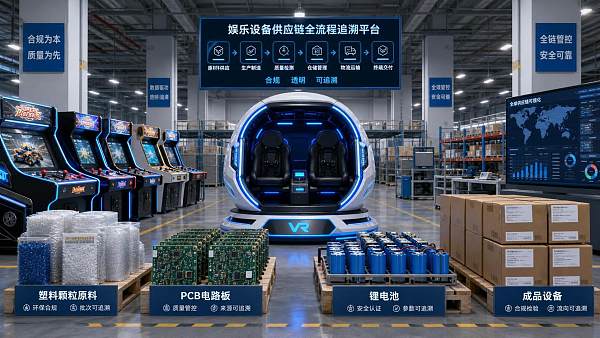
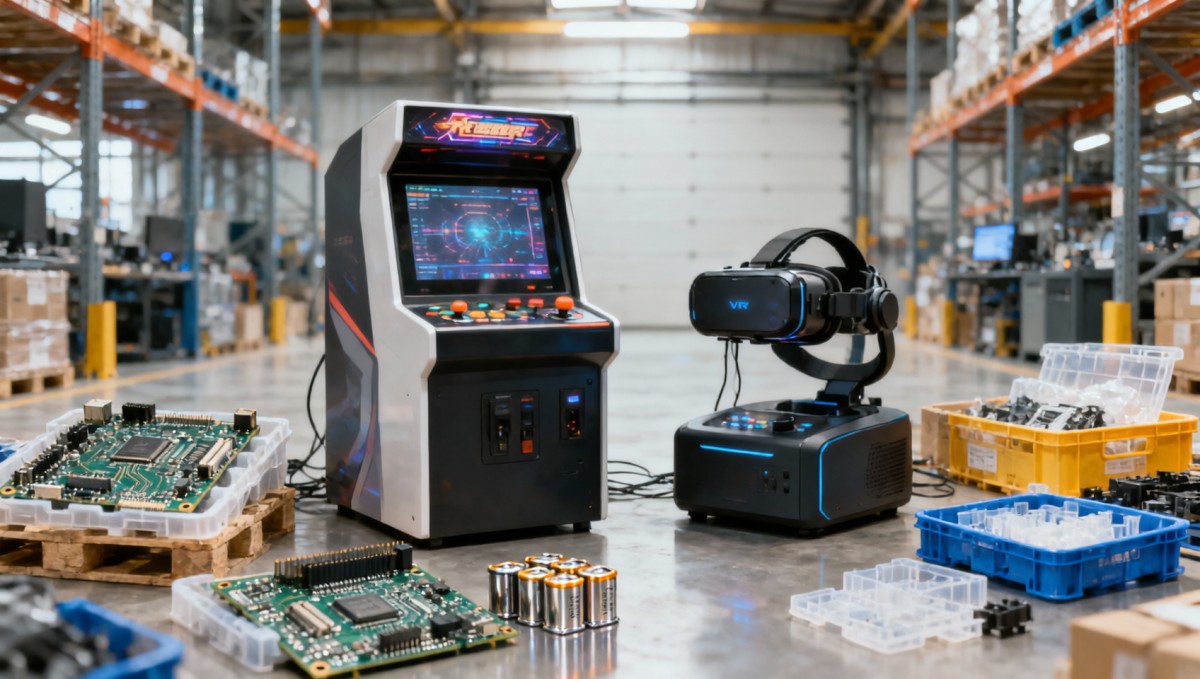
According to the "Importers' Forced Labor Enforcement Operational Guidelines" released by the US CBP on June 12, 2026, Arcade & VR Machines have been explicitly included in the scope of mandatory due diligence for the first time. Importers need to provide evidence of labor compliance throughout the supply chain from raw materials to complete machine assembly. The materials listed in the summary include PCBs, lithium batteries and plastic particles.
This guideline will be fully implemented from August 12, 2026. For products that fail to meet standards, the guidance points to consequences including detention, exclusion or confiscation. Judging from the information based on this article, this is not a general compliance reminder, but a trade regulatory requirement that has entered the enforcement stage.
Different roles in the supply chain will be re-examined by this set of requirements
Raw material procurement and parts supply
For companies that purchase PCBs, lithium batteries, plastic particles and other key components, the impact is first reflected in supplier selection and procurement traces. From the analysis, we need to pay attention not only to the stability of delivery, but also to the source of raw materials, labor compliance certificates and whether upstream documents can be used by the import side to prove due diligence.
Complete machine manufacturing and assembly link
Processing and manufacturing companies are more directly affected, because complete machine assembly is the part of the chain that is most likely to be required to provide process materials. What deserves more attention now is whether assembly records, process flow, labor information and outsourcing links can form a continuous evidence chain with procurement documents. Otherwise, even if the product itself can be delivered normally, it may encounter obstacles in the import review.
Export trade and channel circulation links
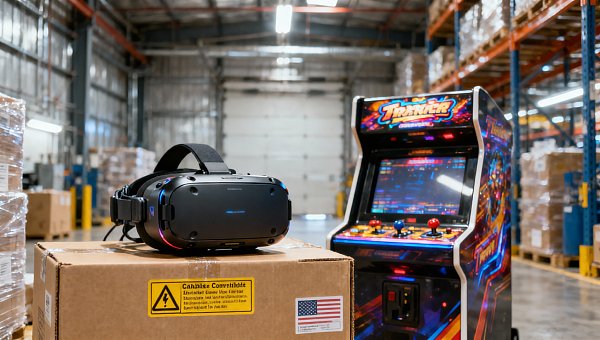
Direct trade companies and channel circulation parties need to re-evaluate the pace of customs declaration, shipment and delivery. Since the guidelines clearly point to the consequences of detention, exclusion, and confiscation, the integrity of trade documents is no longer just an internal risk control issue, but will directly affect whether goods can enter the U.S. market. This type of change is particularly sensitive to project-based orders that rely on fixed delivery dates.
Purchasers and compliance service links
Purchasers, certification-related companies and supply chain service agencies will face higher document collaboration requirements. From an industry perspective, compliance review will be more like a cross-enterprise collaboration task rather than a single point of material submission; it usually involves not only declaration documents, but also supplier qualification verification, traceability data compilation and continuously updated certification chain.
Which materials and processes should companies focus on now?
Add the chain of certification to traceability
For companies facing the US market, the first task is to check whether the existing data can cover the four levels of raw materials, parts, assembly and shipment. The focus is not on the number of documents, but on whether they are consistent, traceable, and can be mapped to specific batches and suppliers.
Re-examine supplier access and outsourcing arrangements
As requirements have covered the entire supply chain, companies need to re-examine compliance clauses in supplier access standards, outsourcing assembly arrangements and procurement agreements. If sufficient materials cannot be provided in a certain link, the risk will often not stay at the supplier level, but will be transmitted back to the export and import ends.
Pay attention to the refinement of subsequent enforcement standards
The current input information has clarified the effective time and enforcement consequences, but does not provide more detailed enforcement exceptions, exemptions or file format requirements. A more appropriate judgment is that this change has released a clear signal for enforcement, but companies still need to continue to observe further refinement of the official standards in terms of evidence standards, review depth, and applicable categories.
This is more like an execution signal than an abstract policy discussion
From observation, the core of this information is not whether the rules exist, but that it clearly pushes compliance pressure to the entertainment equipment export chain. For manufacturers of Arcade, VR experience cabins and related amusement equipment, the question has changed from "whether they need attention" to "whether the existing supply chain can provide sufficient proof."
Therefore, a more reasonable understanding is that this is a law enforcement change that has already been implemented, and it is also an observation window for subsequent rules and regulations and market feedback. What the industry will have to watch next is not just whether more products are included, but also how import reviews are actually carried out in terms of depth of documentation, supplier verification and pace of delivery.
First prepare according to the requirements that have taken effect, and then continue to verify the details
Based on the existing information, the significance of this change to the industry is that the United States’ import compliance requirements for related entertainment equipment have obviously moved forward to the entire supply chain, and companies can no longer just focus on the finished product itself. For manufacturers exporting to the United States, the current more suitable strategy is not to wait for the market to digest it on its own, but to organize the evidence chain as soon as possible according to the known requirements, while continuing to pay attention to whether the enforcement standards are further tightened or refined.
The scope of public information this article is based on
This article is generated based on the information title, event time and event summary provided by the user, and does not introduce unverified enterprises, amounts, market sizes or additional policy numbers. Types of sources typically associated with such events include regulatory agency announcements, customs or trade authority information, industry association materials, standards or certification documents, and authoritative media reports. No specific official source link is provided in the input, and subsequent verification of policy details, certification enforcement standards, changes in bidding documents, industry feedback, and corporate enforcement will still need to be continued.
Search News
Hot Articles
- Restaurant FurnitureFast-Casual Restaurant Interiors: Design Choices That Improve Speed and Guest FlowOct 04, 2026
- Outdoor RidesHow to Select Leisure Park Equipment for Safe, High-Throughput Visitor AreasOct 03, 2026
- Fashion & Gem JewelryDiamond Tester Wholesale: How to Vet Accuracy, Calibration, and MOQ Before OrderingOct 02, 2026
Popular Tags
Need ExpertConsultation?
Connect with our specialized leisureengineering team for procurementstrategies.
Recommended News
 Sep 15, 2026How to Choose Coin-Operated Pool Tables for Bars, Hotels, and Arcade VenuesCoin operated pool tables for bars, hotels, and arcades: compare sizes, payment systems, durability, service access, and revenue potential.● Theme Park Strategist
 Sep 08, 2026What to Look for in a Flight Simulator Chair Manufacturer for Commercial VR CentersChoose a flight simulator chair manufacturer that delivers durable, safe, customizable seating for commercial VR centers. Explore key sourcing criteria now.● Theme Park Strategist
 Aug 25, 2026What to Evaluate Before Buying Commercial Self Service Photo Booths for VenuesCommercial self service photo booths for venues: learn how to evaluate durability, software stability, branding flexibility, support, and total ROI before you buy.● Theme Park Strategist
 Aug 23, 2026How to Evaluate Wholesale Vending Machines for Multi-Location Business DeploymentWholesale vending machines for multi-location deployment require more than low unit cost. Learn how to compare reliability, payments, telemetry, and supplier support to scale smarter.● Theme Park Strategist
 Aug 17, 2026U.S. CPSC Urges Bilingual Warnings for Arcade and VR MachinesU.S. CPSC urges bilingual safety warnings for Arcade & VR Machines—learn what exporters, importers, and distributors must do now to avoid delays and returns.● Theme Park Strategist
 Aug 16, 2026EU Enforces EN IEC 62368-1:2026 Certification for Arcade and VR MachinesEU Enforces EN IEC 62368-1:2026 certification for arcade and VR machines, reshaping EU market access, customs clearance, and compliance planning for exporters and distributors.● Theme Park Strategist
 Aug 13, 2026UFLPA’s new guidelines take effect: Exports of Arcade and VR equipment face full-link labor compliance requirementsUFLPA’s new guide takes effect: Arcade and VR machine exports to the U.S. now face full-chain labor compliance checks. Discover key risks and action steps.● Theme Park Strategist
 Aug 12, 2026EU PPWR takes effect, Arcade and VR packaging incorporate heavy metal and PFAS restrictionsEU PPWR now applies to Arcade and VR packaging, tightening heavy metal and PFAS compliance. Learn how exporters can avoid delays, fines, and customs risks.● Theme Park Strategist
 Aug 11, 2026CPSC Sets Bilingual Labels for Arcade and VR ImportsCPSC bilingual labels for arcade and VR imports become mandatory on October 1, 2026. Learn the new English-Spanish warning rules, customs risks, and key compliance steps now.● Theme Park Strategist
 Aug 10, 2026EU Rule Takes Effect for Arcade & VR Machine ClearanceArcade & VR Machine clearance in the EU now depends on EN IEC 62368-1:2026+A11:2026 compliance. Learn what changed, who is affected, and how to avoid customs delays.● Theme Park Strategist
 Aug 09, 2026CPSC Requires New Labels for Arcade and VR ImportsCPSC requires new labels for Arcade and VR imports starting Oct 1, 2026. Learn the multilingual warning rules, compliance risks, and key steps exporters and buyers must take now.● Theme Park Strategist
 Aug 08, 2026EU Entry Rule Tightens for Arcade & VR MachinesArcade & VR Machines entering the EU now face stricter CE compliance under EN IEC 62368-1:2026+A11:2026. Learn the new rule, risks, and what exporters must do now.● Theme Park Strategist
 Aug 07, 2026CPSC Notice Tightens U.S. Entry Rules for Arcade and VR MachinesCPSC Notice Tightens U.S. Entry Rules for Arcade and VR Machines: learn the new labeling, FCC, UN38.3, and compliance document requirements before October 1, 2026.● Theme Park Strategist
 Aug 06, 2026EU Rule Takes Effect for CE-UKCA Labels on Arcade & VR MachinesArcade & VR Machines face new CE-UKCA label and ECPD filing rules in the EU and UK. Learn what manufacturers, importers, and distributors must do now to avoid delays.● Theme Park Strategist
 Aug 05, 2026CPSC Recalls Arcade and VR Machines Over UL 62368-1CPSC recalls arcade and VR machines over UL 62368-1 non-compliance. Learn how this 2026 safety action may affect imports, distribution, customs clearance, and market access.● Theme Park Strategist
 Aug 02, 2026EU Sets New Certification Rule for Arcade and VR MachinesArcade and VR Machines face a new EU certification rule from Oct 1, 2026. Learn how EN IEC 62368-1:2026+A11:2026 affects CE marking, customs clearance, and market access.● Theme Park Strategist
 Aug 01, 2026CPSC Moves to Require Bilingual Warnings on Arcade and VR MachinesCPSC bilingual warnings for Arcade and VR Machines may reshape U.S. import compliance. Learn how English-Spanish labels affect packaging, customs risk, and shipment readiness.● Theme Park Strategist
 Jul 31, 2026EU Sets EN IEC 62368-1:2025 Rule for Arcade and VR MachinesEU Sets EN IEC 62368-1:2025 Rule for Arcade and VR Machines. Learn the new EU compliance deadlines, safety updates, and key actions for manufacturers, OEMs, and distributors.● Theme Park Strategist
 Jul 30, 2026CPSC Sets New Warning Label Rule for Arcade & VR MachinesCPSC sets a new warning label rule for Arcade & VR Machines effective August 15, 2026. Learn key compliance risks, multilingual label requirements, and shipment actions now.● Theme Park Strategist
 Jul 29, 2026EU Enforces New Safety Standard for Arcade and VR MachinesEU Enforces New Safety Standard for Arcade and VR Machines: learn how EN IEC 62368-1 affects CE compliance, customs clearance, and EU market access for exporters and buyers.● Theme Park Strategist
 Jul 28, 2026CPSC Sets ASTM F3472-26 Rule for Arcade & VR ImportsCPSC ASTM F3472-26 rule reshapes Arcade & VR imports to the U.S. Learn key compliance deadlines, certification risks, and what exporters, OEM/ODM suppliers, and buyers should do now.● Theme Park Strategist
 Jul 27, 2026EU Rule Takes Effect for Arcade & VR Machine CybersecurityEU Rule Takes Effect for Arcade & VR Machine Cybersecurity: learn how EN IEC 62443-3-3:2025 affects compliance, customs clearance, sales continuity, and supplier planning in the EU market.● Theme Park Strategist
 Jul 25, 2026CPSC Sets Bilingual Warning Rule for Arcade and VR ImportsCPSC bilingual warning rule for arcade and VR imports takes effect August 1, 2026. Learn how OEM/ODM exporters can avoid CBP delays, relabel shipments, and protect U.S. delivery timelines.● Theme Park Strategist
 Jul 24, 2026EU Enforces New Safety Standard for Arcade and VR MachinesEU Enforces New Safety Standard for Arcade and VR Machines: learn how EN IEC 62368-1:2026+A11:2026 reshapes EU compliance, CE documentation, testing timelines, and export readiness.● Theme Park Strategist