USTR Opens Probe Into China Pro Stage Audio Trade Practices
On March 27, 2026, the U.S. Trade Representative (USTR) launched a Section 301 investigation into China’s Pro Stage Audio sector, focusing on alleged forced technology transfer, non-market pricing, and the compliance of local government subsidies. For exporters serving the U.S. market, this is not just a headline event: it is a policy signal that may affect compliance reviews, customer due diligence, and the renewal of long-term supply contracts before the investigation is expected to conclude by late September 2026.
What Has Been Confirmed So Far
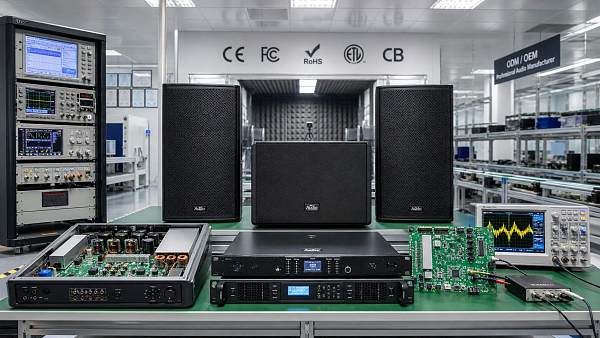
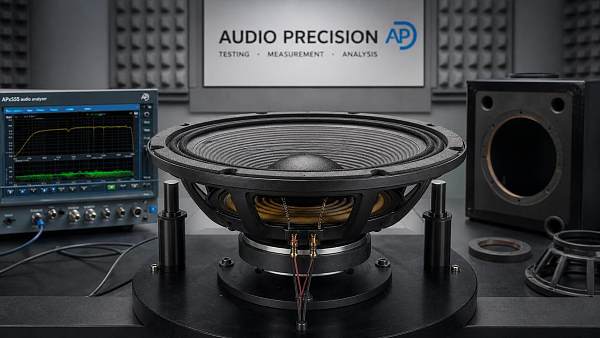
According to the information provided, the investigation was initiated by USTR on March 27 under Section 301. The stated areas of focus are whether China’s Pro Stage Audio industry involves forced technology transfer, non-market pricing, and improper local government subsidies. The conclusion of the investigation is expected before the end of September 2026. The same information also indicates that the matter may affect compliance audits for companies exporting to the United States, customer due diligence processes, and the renewal of long-term contracts. In parallel, several leading manufacturers have already started upgrading their ISO/IEC 17025 testing capabilities.
Where the Pressure May Appear First
Export-facing suppliers may see tougher document scrutiny
From an industry perspective, companies shipping Pro Stage Audio products to the U.S. may be the first to feel the effect because trade investigations often increase attention on how products are priced, documented, and supported in compliance files. What deserves closer attention is not only the product itself, but also supporting records that customers or counterparties may request during due diligence or contract review.
Procurement and contract teams may face renewed review cycles
For buyers, sourcing teams, and contract managers, the investigation may translate into more cautious vendor assessment and slower decisions on long-term renewals. Analysis shows that where supply relationships depend on stable cross-border delivery, any policy review tied to trade rules can prompt additional checks on supplier qualifications, technical documentation, and audit readiness, even before a formal outcome is released.
Testing and certification-related functions may become more visible
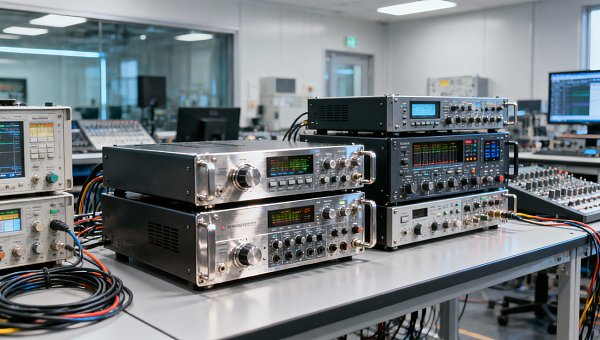
The reference to ISO/IEC 17025 capability upgrades is notable because it points to a practical compliance response already underway among some leading manufacturers. Observably, testing functions, laboratory management, and report credibility may receive greater attention where customers want stronger evidence chains for product quality, technical consistency, and internal control over test data.
Supply chain service providers may need tighter coordination
Logistics, documentation support, and other supply chain service roles may also need to prepare for closer coordination with exporters and buyers. The likely area of sensitivity is not a confirmed rule change in shipment procedures, but the possibility that delivery planning, document completeness, and contract execution timelines could come under more careful review during the investigation period.
What Companies Should Watch During the Investigation Window
Readiness for compliance and customer review
Analysis shows that export-oriented companies should closely review the consistency of compliance files, testing records, technical materials, and customer-facing documentation. Since the provided information specifically mentions compliance audits and customer due diligence, the immediate issue is less about a final policy result and more about whether companies can respond quickly and coherently to additional review requests.
Changes in wording, review scope, and execution signals
What deserves closer attention is how official language, customer questionnaires, and contract review standards may evolve before the expected conclusion in late September 2026. The available facts do not confirm any final enforcement outcome, so companies should treat this stage as one of monitoring and preparation rather than assuming a settled rule framework.
Testing capability and supporting evidence chains
The reported move by several leading manufacturers to upgrade ISO/IEC 17025 testing capability suggests that laboratory competence and report quality may become more important in commercial discussions. Observably, companies may need to assess whether their current testing arrangements, report formats, and traceability practices are sufficient for heightened review by customers or counterparties.
Delivery planning and long-term business continuity
Because the summary notes possible effects on long-term contract renewals, businesses with ongoing U.S.-linked accounts may need to pay closer attention to renewal timing, document preparation, and internal approval cycles. It is more appropriate to understand this as a risk-management issue during an active investigation, rather than as evidence of a completed market restriction.
Why This Looks More Like a Regulatory Signal Than a Final Outcome
Observably, the current development is best read as an active trade-rule signal rather than a finalized change in market access conditions. The investigation has started, the focus areas have been identified, and some manufacturers have already reacted by strengthening testing capability. At the same time, the conclusion is still pending, and the provided information does not establish a final determination, penalty, or binding compliance result. From an industry perspective, this is precisely why continued attention to audit expectations, certification posture, bidding documents, and market feedback matters over the coming months.
How the Market May Need to Read This Stage
At this point, the event carries practical significance because it introduces a defined review process tied to trade compliance, customer diligence, and contract continuity in the Pro Stage Audio export chain. Analysis shows that the most reasonable reading is neither to dismiss it as routine noise nor to treat it as a completed rule change. It is more appropriate to understand this development as a live policy and compliance dynamic that may shape commercial behavior before any final conclusion is issued.
Basis of This Article and What Still Needs Verification
This article is generated from the user-provided news title, event date, and event summary. For events of this kind, relevant source categories typically include official announcements, releases from regulatory authorities, customs or trade-administration information, industry association updates, standard-setting organization documents, and reporting by authoritative media. No specific official source link was provided in the input, so the underlying announcement link and any later official clarification still need to be verified on an ongoing basis. Further observation is also needed regarding policy detail, enforcement language, certification expectations, changes in tender or contract documents, industry feedback, and how companies implement their responses in practice.
Search News
Hot Articles
- Jewelry Packaging & DisplayHow U.S. Retailers Can Choose Jewelry Displays for Better Security and SalesSep 13, 2026
- Commercial KitchenHow to Size a Restaurant Walk-In Cooler for Peak Inventory and Kitchen LayoutSep 12, 2026
- Musical InstrumentsHow to Choose Touring Instrument Cases for Flights, Trucks, and Daily Load-InsSep 11, 2026
Popular Tags
Need ExpertConsultation?
Connect with our specialized leisureengineering team for procurementstrategies.
Recommended News
 Sep 07, 2026How to Choose Wall Mount Speakers for Clear Audio in Commercial SpacesWall mount speakers for commercial spaces: learn how to optimize coverage, SPL, directivity, installation, and system design for clear, reliable audio.● Pro Audio Engineer
 Sep 03, 2026How to Choose Locking Speakon Speaker Cables for Reliable Live Sound ConnectionsLocking Speakon speaker cables: learn how to select the right gauge, connector pinout, strain relief, and durable construction for reliable live sound connections.● Pro Audio Engineer
 Sep 08, 2026Is It Worth Upgrading a Stage Sound System Mid-Project?Is it worth upgrading stage sound systems mid-project? Discover how to assess performance gaps, costs, compatibility, and long-term venue value.● Pro Audio Engineer
 Sep 04, 2026Can AV Systems Be Retrofitted Into Older Commercial Buildings?Can AV integration be retrofitted into older commercial buildings? Discover practical strategies for reliable, code-aware AV upgrades with minimal disruption.● Pro Audio Engineer
 Jul 17, 2026How to Choose a Crossover Networks Supplier: Key Specs, Quality Checks, and OEM FactorsFind the right crossover networks supplier with this practical guide to key specs, quality checks, OEM factors, and supply chain risks for better audio performance and sourcing confidence.● Pro Audio Engineer
 Jul 16, 2026How to Evaluate ODM Services for Pro Audio: Design, Certification, and Production CapabilitiesODM services for pro audio: learn how to assess design depth, certification readiness, and production strength to choose a reliable partner and launch better audio products with less risk.● Pro Audio Engineer
 Jul 15, 2026JETRO Flags Modular, Low-Power Shift in Pro Stage AudioPro Stage Audio buyers in Japan are shifting fast: JETRO flags modular amplifiers, IP65 line arrays, low standby power, and JIS compliance as key to channel entry.● Pro Audio Engineer
 Jul 15, 2026Paper Speaker Cones Explained: How Cone Weight and Stiffness Affect SoundPaper speaker cones explained: discover how cone weight and stiffness shape sensitivity, clarity, breakup control, and real-world speaker performance for smarter audio sourcing.● Pro Audio Engineer
 Jul 15, 2026Performance Venues Compliance Checklist: Fire Safety, Accessibility, and Crowd RulesPerformance venues compliance checklist covering fire safety, accessibility, and crowd rules. Learn how to reduce delays, improve approvals, and open safer, more resilient venues.● Pro Audio Engineer
 Jul 14, 2026Japan Adds EMC Immunity Test for Stage AmplifiersJapan Adds EMC Immunity Test for Stage Amplifiers: learn how Japan’s 2026 JIS update affects EMC testing, JIS marking, certification timing, and market access for exporters.● Pro Audio Engineer
 Jul 13, 2026CISCE 2026 Adds Pro Stage Audio ZoneCISCE 2026 Adds Pro Stage Audio Zone as free overseas pre-registration opens. Explore key updates for pro audio suppliers, distributors, and system integrators before the Shanghai expo.● Pro Audio Engineer
 Jul 12, 2026Japan Tightens Pro Stage Audio Efficiency Limits Under JIS C 8105-2026Japan Tightens Pro Stage Audio Efficiency Limits Under JIS C 8105-2026: learn how new PSE compliance rules reshape market access, product eligibility, and shipment planning in Japan.● Pro Audio Engineer
 Jul 12, 2026How to Choose Low Profile Ceiling Speakers for Hotels, Offices, and Retrofit ProjectsLow profile ceiling speakers for hotels, offices, and retrofit projects: learn how to compare depth, coverage, compliance, and installation factors to choose the right fit.● Pro Audio Engineer
 Jul 11, 2026Japan Tightens JIS C 8105-2026 for Pro AudioJapan Tightens JIS C 8105-2026 for Pro Audio: learn how stricter standby power, PSE diamond mark rules, and the 2026 deadline impact exports, compliance, and market access.● Pro Audio Engineer
 Jul 10, 2026JETRO Q2 Outlook Signals Higher Stage Audio DemandJETRO Q2 Outlook signals higher stage audio demand in Japan, with 37% procurement growth and stricter PSE Annex D compliance. See what importers, manufacturers, and rental channels must act on now.● Pro Audio Engineer
 Jul 10, 2026How to Choose Wall Mount Speakers for Restaurants by Layout, Coverage, and SPLWall mount speakers for restaurants should match layout, coverage, and SPL. Learn how to choose the right setup for even sound, guest comfort, and reliable performance.● Pro Audio Engineer
 Jul 09, 2026JIS T 9001:2026 Adds Mandatory AI Noise LabelsJIS T 9001:2026 adds mandatory AI noise labels for pro audio gear from October 2026. Learn how it impacts compliance, testing, exports, and product launches.● Pro Audio Engineer
 Jul 06, 2026Improving Sound Reinforcement Speech Clarity: Key Causes of Muddiness and How to Fix ThemSound reinforcement speech clarity starts with identifying reverberation, coverage, noise, and timing issues. Discover practical fixes that make announcements clearer and commercial spaces perform better.● Pro Audio Engineer
 Jul 05, 2026Saudi Rule Adds Arabic UI Requirement for Pro Audio ImportsSaudi Rule Adds Arabic UI Requirement for Pro Audio Imports: learn how SASO’s new Arabic UI mandate affects digital amplifiers, DSP processors, and network audio interfaces before Sept. 1, 2026.● Pro Audio Engineer
 Jul 02, 2026How to Choose Audio Mixing Consoles for Live Venues: Channels, Buses, and I/O ExplainedAudio mixing consoles explained for live venues: learn how to choose the right channels, buses, and I/O to improve workflow, support growth, and avoid costly mistakes.● Pro Audio Engineer
 Jul 01, 2026UL 62368-3:2026 Adds EMC Rules for Pro Stage AudioUL 62368-3:2026 adds EMC rules for Pro Stage Audio, requiring Level 4 immunity and manual labeling by Oct 1, 2026. See what exporters, makers, and buyers must do now.● Pro Audio Engineer
 Jun 30, 2026Sound Reinforcement Design Basics: How to Plan Coverage, SPL, and Speaker PlacementSound reinforcement design starts with smarter coverage, target SPL, and speaker placement. Learn how to plan clearer, more reliable audio performance for commercial spaces.● Pro Audio Engineer
 Jun 28, 2026TUV Rheinland Adds 5G Immunity Test for Pro AudioTUV Rheinland adds 5G immunity test for pro audio, reshaping EU EMC certification for mixing consoles, amplifiers, and audio-lighting control systems. See who is affected and how to prepare.● Pro Audio Engineer
 Jun 27, 2026TUV Rheinland Adds 5G EMC Test for Stage AudioTUV Rheinland adds 5G EMC test for stage audio from Sept. 1, 2026. Learn how CE-EMC changes may impact smart mixers, DMX/WiFi/Bluetooth systems, certification, and delivery plans.● Pro Audio Engineer