USTR Opens 301 Probe Into China Pro Stage Audio
On June 17, 2026, the Office of the United States Trade Representative (USTR) announced a Section 301 investigation focused on China’s Pro Stage Audio sector, centering on alleged forced technology transfer, non-market pricing, and local government subsidies. For companies involved in live sound equipment manufacturing, sourcing, distribution, and project procurement, this is not just a trade headline: it is a rule-related development that could affect tariffs, import access, procurement eligibility, and delivery planning across key product categories.
What the USTR announcement confirms
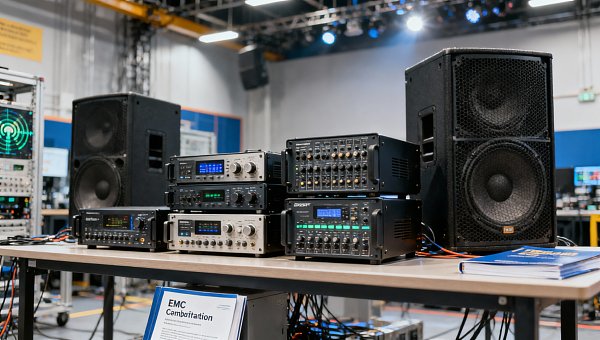
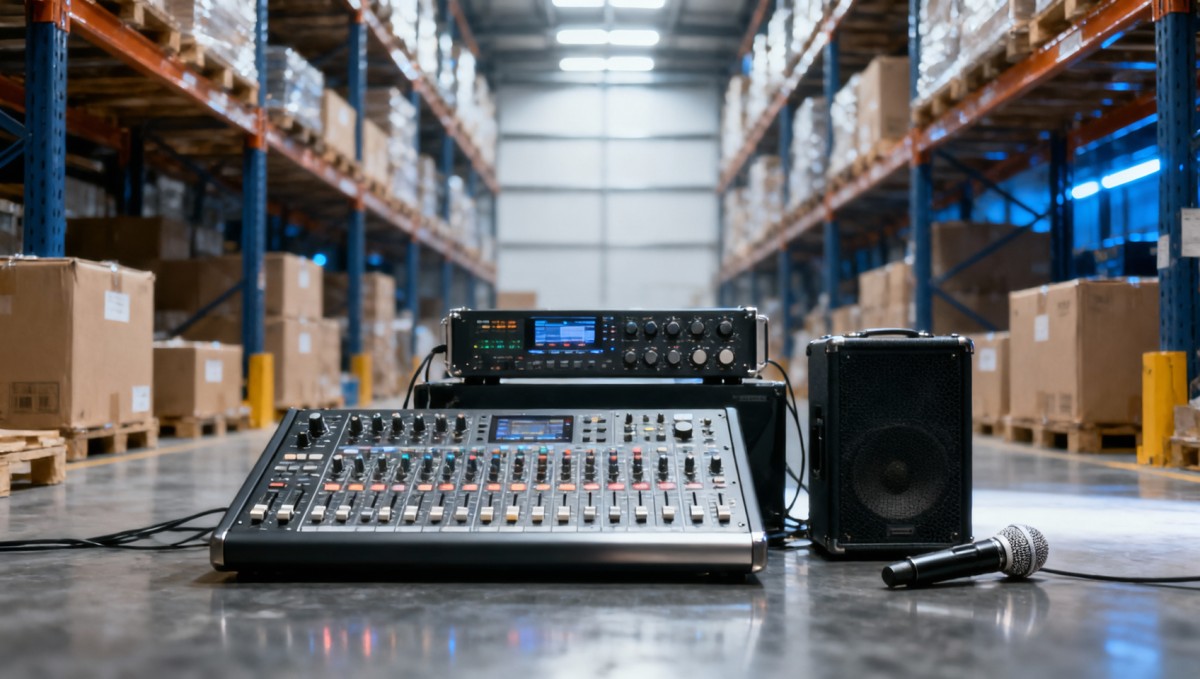
The confirmed information is limited but commercially significant. USTR stated on June 17, 2026 that it had launched a Section 301 investigation into China’s Pro Stage Audio industry. The scope identified in the provided summary includes core categories such as mixing consoles, digital power amplifiers, and wireless microphone systems. The stated concerns relate to alleged forced technology transfer, non-market pricing, and local government subsidies. The summary also indicates that potential outcomes may include additional tariffs, import restrictions, or procurement blacklisting.
No further execution details, final measures, or case outcomes are confirmed in the provided information. At this stage, the development is the opening of an investigation rather than a concluded enforcement result.
Where pressure may emerge across the supply chain
Export-oriented equipment makers may face a higher documentation burden
From an industry perspective, manufacturers shipping covered product categories may be affected because any later trade action could turn product classification, technical origin, pricing structure, and supporting records into more sensitive compliance points. The immediate business impact is less about a confirmed restriction today and more about whether companies can clearly support their supply arrangements, product specifications, and transaction documentation if customers or counterparties request additional review.
Procurement teams may need to reassess supplier concentration
Buyers of stage audio systems, especially those sourcing mixing consoles, digital amplifiers, or wireless microphone systems, may need to pay closer attention to supplier concentration and substitution readiness. If tariffs, import limits, or blacklist-related measures later materialize, procurement risk would extend beyond price to include bid eligibility, contract continuity, and delivery timing. What deserves closer attention is whether current sourcing plans rely too heavily on a narrow set of product origins or technical platforms.
Distributors and channel operators may see contract and delivery risk rise
For distributors and channel-side operators, the issue is not only whether goods can be sourced, but whether delivery promises and commercial terms remain sustainable under a changing trade environment. Contracts, shipment schedules, and after-sales commitments may all come under review if downstream customers begin asking for stronger assurances on origin, compliance status, or supply continuity.
Service and support providers may need clearer traceability
Companies involved in testing support, technical servicing, installation support, or after-sales response may also be indirectly affected. Analysis shows that when trade scrutiny increases, customers often place greater value on traceable technical files, product identity consistency, and documented service support capability. Even without a confirmed new rule in force yet, documentation discipline may become a practical differentiator.
What companies should watch now
Monitor whether official language becomes more specific
Because the current information confirms an investigation rather than a final measure, companies should closely follow whether later official statements narrow the product scope, clarify enforcement direction, or define how any trade remedy would be applied. It is more appropriate to understand this stage as an evolving regulatory signal that still requires validation through subsequent official wording.
Review technical files and trade records for sensitive product lines
For the categories named in the summary, businesses should check whether technical documents, product descriptions, pricing records, and transaction files are internally consistent and ready for customer or trade-related review. This is particularly relevant where supply arrangements, product configuration, or sourcing pathways are complex.
Recheck procurement plans and delivery assumptions
Purchasing and project teams may need to revisit lead-time assumptions, alternative sourcing options, and contract clauses tied to delivery or origin-related compliance. Observably, the practical risk at this stage is not a proven supply interruption, but the possibility that buyers begin changing approval standards before formal trade measures are finalized.
Prepare for tighter qualification questions in bids and vendor reviews
Enterprises participating in tenders or formal vendor qualification processes should watch for changes in bid documents, supplier questionnaires, and origin or compliance declarations. The provided information does not confirm such changes have already occurred, but it does justify heightened attention to how counterparties frame sourcing, technical independence, and compliance reliability.
Why this reads more as a policy signal than a settled outcome
Analysis shows this development is better understood as an enforcement signal with possible downstream trade consequences, rather than as a completed rule change with fully defined obligations already in place. The investigation itself matters because it places technology transfer, pricing behavior, and subsidy concerns into a formal U.S. trade process. At the same time, the actual commercial effect will depend on later official decisions, enforcement language, and market reaction.
From an industry perspective, the most important near-term question is not simply whether measures will follow, but how procurement behavior changes while the investigation remains open. In many cases, commercial caution appears earlier than formal enforcement, especially where buyers are sensitive to continuity, eligibility, or reputational exposure.
How to interpret the development at this stage
The current event should be read as a meaningful trade and compliance warning for the Pro Stage Audio supply chain, especially in product segments expressly named in the summary. It does not yet confirm final tariffs, final import restrictions, or final blacklisting outcomes. A balanced reading is that the investigation raises the likelihood of stricter trade scrutiny and prompts companies to review sourcing resilience, technical independence exposure, and documentation readiness without assuming a fixed result in advance.
Basis of this article and points that still require verification
This article is generated from the user-provided news title, event date, and event summary. For developments of this kind, relevant source types usually include official announcements, releases from trade or regulatory authorities, customs or trade administration information, industry association notices, standards-related documents, and reporting by established professional media. A specific official source link was not provided in the input, so the precise official publication path still requires follow-up verification.
Observably, the points that still need continued monitoring include any further policy detail, enforcement interpretation, procurement document changes, market feedback, and how affected companies adjust execution in sourcing, compliance review, and delivery planning.
Search News
Hot Articles
- Smart Campus TechHow to Source Educational Furniture Worldwide for Safe, Flexible Learning SpacesSep 16, 2026
- Arcade & VR MachinesHow to Choose Coin-Operated Pool Tables for Bars, Hotels, and Arcade VenuesSep 15, 2026
- Commercial KitchenHow Restaurants Can Choose Disposable Wooden Cutlery for Takeout and CateringSep 14, 2026
Popular Tags
Need ExpertConsultation?
Connect with our specialized leisureengineering team for procurementstrategies.
Recommended News
 Sep 07, 2026How to Choose Wall Mount Speakers for Clear Audio in Commercial SpacesWall mount speakers for commercial spaces: learn how to optimize coverage, SPL, directivity, installation, and system design for clear, reliable audio.● Pro Audio Engineer
 Sep 03, 2026How to Choose Locking Speakon Speaker Cables for Reliable Live Sound ConnectionsLocking Speakon speaker cables: learn how to select the right gauge, connector pinout, strain relief, and durable construction for reliable live sound connections.● Pro Audio Engineer
 Sep 08, 2026Is It Worth Upgrading a Stage Sound System Mid-Project?Is it worth upgrading stage sound systems mid-project? Discover how to assess performance gaps, costs, compatibility, and long-term venue value.● Pro Audio Engineer
 Sep 04, 2026Can AV Systems Be Retrofitted Into Older Commercial Buildings?Can AV integration be retrofitted into older commercial buildings? Discover practical strategies for reliable, code-aware AV upgrades with minimal disruption.● Pro Audio Engineer
 Jul 17, 2026How to Choose a Crossover Networks Supplier: Key Specs, Quality Checks, and OEM FactorsFind the right crossover networks supplier with this practical guide to key specs, quality checks, OEM factors, and supply chain risks for better audio performance and sourcing confidence.● Pro Audio Engineer
 Jul 16, 2026How to Evaluate ODM Services for Pro Audio: Design, Certification, and Production CapabilitiesODM services for pro audio: learn how to assess design depth, certification readiness, and production strength to choose a reliable partner and launch better audio products with less risk.● Pro Audio Engineer
 Jul 15, 2026JETRO Flags Modular, Low-Power Shift in Pro Stage AudioPro Stage Audio buyers in Japan are shifting fast: JETRO flags modular amplifiers, IP65 line arrays, low standby power, and JIS compliance as key to channel entry.● Pro Audio Engineer
 Jul 15, 2026Paper Speaker Cones Explained: How Cone Weight and Stiffness Affect SoundPaper speaker cones explained: discover how cone weight and stiffness shape sensitivity, clarity, breakup control, and real-world speaker performance for smarter audio sourcing.● Pro Audio Engineer
 Jul 15, 2026Performance Venues Compliance Checklist: Fire Safety, Accessibility, and Crowd RulesPerformance venues compliance checklist covering fire safety, accessibility, and crowd rules. Learn how to reduce delays, improve approvals, and open safer, more resilient venues.● Pro Audio Engineer
 Jul 14, 2026Japan Adds EMC Immunity Test for Stage AmplifiersJapan Adds EMC Immunity Test for Stage Amplifiers: learn how Japan’s 2026 JIS update affects EMC testing, JIS marking, certification timing, and market access for exporters.● Pro Audio Engineer
 Jul 13, 2026CISCE 2026 Adds Pro Stage Audio ZoneCISCE 2026 Adds Pro Stage Audio Zone as free overseas pre-registration opens. Explore key updates for pro audio suppliers, distributors, and system integrators before the Shanghai expo.● Pro Audio Engineer
 Jul 12, 2026Japan Tightens Pro Stage Audio Efficiency Limits Under JIS C 8105-2026Japan Tightens Pro Stage Audio Efficiency Limits Under JIS C 8105-2026: learn how new PSE compliance rules reshape market access, product eligibility, and shipment planning in Japan.● Pro Audio Engineer
 Jul 12, 2026How to Choose Low Profile Ceiling Speakers for Hotels, Offices, and Retrofit ProjectsLow profile ceiling speakers for hotels, offices, and retrofit projects: learn how to compare depth, coverage, compliance, and installation factors to choose the right fit.● Pro Audio Engineer
 Jul 11, 2026Japan Tightens JIS C 8105-2026 for Pro AudioJapan Tightens JIS C 8105-2026 for Pro Audio: learn how stricter standby power, PSE diamond mark rules, and the 2026 deadline impact exports, compliance, and market access.● Pro Audio Engineer
 Jul 10, 2026JETRO Q2 Outlook Signals Higher Stage Audio DemandJETRO Q2 Outlook signals higher stage audio demand in Japan, with 37% procurement growth and stricter PSE Annex D compliance. See what importers, manufacturers, and rental channels must act on now.● Pro Audio Engineer
 Jul 10, 2026How to Choose Wall Mount Speakers for Restaurants by Layout, Coverage, and SPLWall mount speakers for restaurants should match layout, coverage, and SPL. Learn how to choose the right setup for even sound, guest comfort, and reliable performance.● Pro Audio Engineer
 Jul 09, 2026JIS T 9001:2026 Adds Mandatory AI Noise LabelsJIS T 9001:2026 adds mandatory AI noise labels for pro audio gear from October 2026. Learn how it impacts compliance, testing, exports, and product launches.● Pro Audio Engineer
 Jul 06, 2026Improving Sound Reinforcement Speech Clarity: Key Causes of Muddiness and How to Fix ThemSound reinforcement speech clarity starts with identifying reverberation, coverage, noise, and timing issues. Discover practical fixes that make announcements clearer and commercial spaces perform better.● Pro Audio Engineer
 Jul 05, 2026Saudi Rule Adds Arabic UI Requirement for Pro Audio ImportsSaudi Rule Adds Arabic UI Requirement for Pro Audio Imports: learn how SASO’s new Arabic UI mandate affects digital amplifiers, DSP processors, and network audio interfaces before Sept. 1, 2026.● Pro Audio Engineer
 Jul 02, 2026How to Choose Audio Mixing Consoles for Live Venues: Channels, Buses, and I/O ExplainedAudio mixing consoles explained for live venues: learn how to choose the right channels, buses, and I/O to improve workflow, support growth, and avoid costly mistakes.● Pro Audio Engineer
 Jul 01, 2026UL 62368-3:2026 Adds EMC Rules for Pro Stage AudioUL 62368-3:2026 adds EMC rules for Pro Stage Audio, requiring Level 4 immunity and manual labeling by Oct 1, 2026. See what exporters, makers, and buyers must do now.● Pro Audio Engineer
 Jun 30, 2026Sound Reinforcement Design Basics: How to Plan Coverage, SPL, and Speaker PlacementSound reinforcement design starts with smarter coverage, target SPL, and speaker placement. Learn how to plan clearer, more reliable audio performance for commercial spaces.● Pro Audio Engineer
 Jun 28, 2026TUV Rheinland Adds 5G Immunity Test for Pro AudioTUV Rheinland adds 5G immunity test for pro audio, reshaping EU EMC certification for mixing consoles, amplifiers, and audio-lighting control systems. See who is affected and how to prepare.● Pro Audio Engineer
 Jun 27, 2026TUV Rheinland Adds 5G EMC Test for Stage AudioTUV Rheinland adds 5G EMC test for stage audio from Sept. 1, 2026. Learn how CE-EMC changes may impact smart mixers, DMX/WiFi/Bluetooth systems, certification, and delivery plans.● Pro Audio Engineer