Theme Park Equipment USA: What to Check for Safety, Compliance, and Lead Time
Choosing theme park equipment USA projects can rely on is rarely a simple price exercise. Ride concepts may look impressive on paper, yet delivery success depends on safety engineering, ASTM alignment, local approvals, supplier discipline, and a lead time that matches the construction calendar.
That matters even more in an experience-led economy. Parks, resorts, family entertainment centers, and mixed-use destinations now treat attractions as revenue engines, brand assets, and guest retention tools. A delay or compliance gap can affect opening dates, insurance, staffing, and investor confidence at the same time.
Within that context, theme park equipment USA sourcing has become a cross-functional decision. It sits at the intersection of design intent, public safety, regulatory review, logistics planning, and long-term maintenance. The strongest procurement outcomes come from checking those factors together rather than in isolation.
Why this category demands closer scrutiny
Theme park equipment includes more than major thrill rides. The category can cover kiddie rides, water play systems, dark ride components, queue systems, interactive attractions, coaster elements, show integration hardware, and themed mobility structures.
In the USA, these products operate in a demanding environment. Public exposure is high, incident tolerance is low, and oversight can involve state agencies, local building departments, fire authorities, third-party inspectors, and insurers.
This is also why intelligence-led sourcing matters. Platforms such as Global Commercial Trade, or GCT, reflect a broader shift in commercial procurement: buyers now need verified, data-backed guidance, not just supplier catalogs or concept renders.
For amusement and leisure parks, that means understanding whether a vendor can support real-world execution. Technical paperwork, manufacturing traceability, and service capacity often matter as much as visual design.
Safety starts before production begins
When evaluating theme park equipment USA suppliers, safety review should begin at the concept and specification stage. It is far better to identify a restraint issue, access problem, or evacuation conflict before fabrication starts.
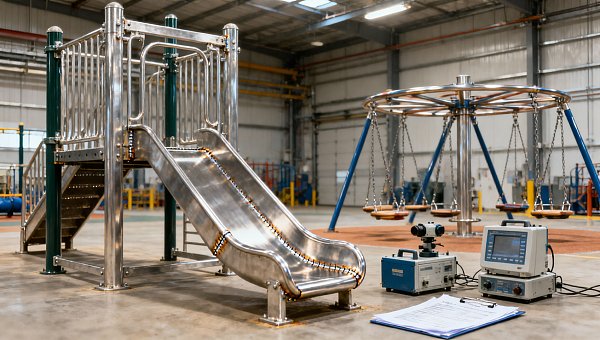
A credible supplier should explain how the design addresses rider containment, load limits, fatigue resistance, emergency stops, guarding, pinch points, and operator visibility. Those answers should be documented, not presented as informal assurances.
Material selection also deserves attention. Structural steel grades, corrosion protection, coatings, electrical enclosure ratings, and fastener traceability influence both safety and maintenance performance. In coastal or humid climates, these details can change lifecycle costs substantially.
It is also useful to separate design safety from operating safety. A ride may be well engineered, yet still create risk if spare parts, manuals, lockout procedures, or operator training are incomplete.
Core safety checkpoints
- Engineering calculations are available and reviewed by qualified professionals.
- Control systems include fail-safe logic and clear emergency procedures.
- Access, evacuation, and maintenance zones are designed into the equipment layout.
- Operating manuals, inspection schedules, and spare parts lists are complete.
- Critical components have traceable manufacturing and testing records.
Compliance is broader than one standard
Many discussions around theme park equipment USA begin with ASTM, especially ASTM F24 standards for amusement rides and devices. That is appropriate, but it is only part of the compliance picture.
Actual project approval may also involve local building codes, electrical codes, fire protection rules, accessibility considerations, seismic calculations, wind load review, and state-specific ride regulations. Some jurisdictions inspect aggressively. Others rely more heavily on third-party review.
This creates a practical challenge. Equipment can be technically sound and still face installation delays if submitted documents do not match local expectations. Drawings, calculation packages, equipment schedules, control narratives, and site interfaces need to align early.
Suppliers with USA experience usually understand this difference. They know that compliance is not a single certificate. It is a chain of approvals, documents, testing steps, and handover records.
Lead time is a project risk, not a shipping detail
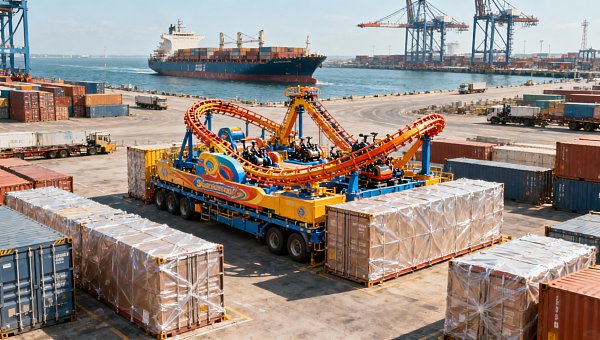
Lead time for theme park equipment USA orders often extends far beyond fabrication alone. Engineering approval, material procurement, themed finishing, controls integration, factory testing, freight planning, site readiness, and installation sequencing all affect the real schedule.
A supplier that promises unusually fast delivery may still create delays later. Drawings can stall, imported components can miss customs windows, or site interfaces can remain unresolved until the equipment arrives.
A more useful question is whether the vendor can present a transparent milestone schedule. That schedule should show design freeze dates, release points for long-lead materials, FAT timing, packaging status, shipment method, and installation dependencies.
It is also wise to distinguish advertised lead time from contractual lead time. The first is often based on ideal conditions. The second should reflect review cycles, client approvals, and potential rework.
What usually extends delivery
- Late civil or utility information from the site.
- Custom theming revisions after engineering release.
- Specialty motors, PLC components, or imported hardware shortages.
- Insufficient packing protection for oversized or finished elements.
- Installer access constraints once equipment reaches the site.
How supplier credibility shows up in practice
In theme park equipment USA procurement, credibility is rarely proven by a polished brochure alone. It shows up in document control, response speed, revision discipline, and the ability to discuss failure modes without defensiveness.
Project references are useful when they are specific. It helps to review comparable installations by ride type, climate exposure, attendance level, and operational intensity. A family ride in a seasonal park is not the same challenge as an all-weather attraction in a destination resort.
After-sales structure matters too. Spare parts availability, remote diagnostics, field technician access, and warranty clarity directly affect operating resilience. This is where total procurement value becomes clearer than initial unit price.
GCT’s broader market logic is relevant here. Commercial sourcing across hospitality, education, leisure, and specialty retail increasingly favors suppliers that combine design quality with traceable execution. Theme park equipment follows the same rule.
Typical project contexts and different evaluation priorities
Not every attraction project asks the same questions. The right checklist depends on the site model, operating profile, and guest expectations.
This is why a strong theme park equipment USA review process should stay contextual. A standardized checklist is useful, but project conditions should shape the final weighting.
A practical review framework before award
Before final selection, it helps to test each supplier against a short decision framework. The goal is not to create paperwork for its own sake. The goal is to expose gaps while there is still time to correct them.
- Match the attraction concept to guest volume, age profile, and operating season.
- Confirm which ASTM and local requirements apply to the exact installation.
- Request a document list covering engineering, testing, manuals, and closeout.
- Review milestone dates against civil works, utilities, and installation access.
- Check service structure for commissioning, parts support, and long-term maintenance.
- Compare total delivery risk, not just the purchase quotation.
In practice, this approach often shortens decision time. It brings technical, commercial, and scheduling issues into one conversation before contract execution.
Where to focus next
The most reliable theme park equipment USA decisions come from early alignment between concept, code pathway, and delivery sequence. If one of those moves too far ahead of the others, the project usually pays for it later.
A sensible next step is to build a comparison matrix around safety records, applicable compliance documents, realistic lead times, and post-installation support. That creates a clearer basis for reviewing proposals across different attraction types.
For teams navigating broader commercial sourcing trends, the same principle applies across sectors: trusted suppliers are identified by how well they manage risk, documentation, and execution detail. In amusement projects, that discipline is what helps turn an attraction concept into an operational asset.
Search News
Hot Articles
- Outdoor RidesWhat Drives Animatronic Dinosaur Manufacturer Prices for Theme Park Projects?Sep 18, 2026
- Stationery & UniformsHow to Source Wholesale Packing Tape Without Compromising Carton Seal StrengthSep 17, 2026
- Smart Campus TechHow to Source Educational Furniture Worldwide for Safe, Flexible Learning SpacesSep 16, 2026
Popular Tags
Need ExpertConsultation?
Connect with our specialized leisureengineering team for procurementstrategies.
Recommended News
 Sep 18, 2026What Drives Animatronic Dinosaur Manufacturer Prices for Theme Park Projects?Animatronic dinosaurs manufacturer price guide: compare motion, materials, controls, installation, and lifecycle costs to plan a durable theme park attraction.● Theme Park Strategist
 Sep 06, 2026Do Amusement Ride Safety Compliance Requirements Change Every Year?Do amusement safety compliance requirements change annually? Learn what really changes, from standards and inspections to permits, upgrades, and local approvals.● Theme Park Strategist
 Sep 02, 2026How Long Does It Take to Receive Full Safety Documents From an OEM?How long does it take to get full safety documentation from OEM partners? Discover realistic timelines, common delays, and practical steps to secure compliant files faster.● Theme Park Strategist
 Sep 03, 2026Designing Adventure Park Safety Systems for Zip Lines, Ropes Courses, and Daily InspectionsAdventure park safety systems: learn how to design safer zip lines and ropes courses with daily inspections, defect controls, rescue readiness, and staff training.● Theme Park Strategist
 Aug 22, 2026What to Look for When Choosing Three Seat Jet Skis for Rental or Resort UseThree seat jet skis for rental or resort use should balance stability, safety, maintenance, and guest comfort. Learn how to choose models that boost uptime and guest satisfaction.● Theme Park Strategist
 Aug 17, 2026What Parts Matter Most in a Roller Coaster and How Do They Affect Ride Safety?Roller coaster parts determine ride safety more than most riders realize. Explore how tracks, restraints, brakes, wheels, and control systems work together to protect every ride.● Theme Park Strategist
 Aug 15, 20262026 China Sports Expo Sees 45.74% More Overseas Pre-registered Buyers as POB Expands Procurement Matching2026 China Sports Expo boosts overseas pre-registered buyers by 45.74% as POB expands procurement matching for fitness, outdoor, and venue suppliers.● Theme Park Strategist
 Aug 14, 2026What Should Buyers Check Before Choosing a Flying Chair Ride Exporter?Flying chair ride exporter buyers should check safety, structure, export support, and spare parts before purchase to reduce risk and choose a reliable supplier.● Theme Park Strategist
 Aug 04, 2026EU Issues EN 1176-1:2026 for Playground SafetyEU Issues EN 1176-1:2026 for Playground Safety: learn how the new standard impacts Outdoor Rides, CE certification, inventory checks, and EU compliance before March 2027.● Theme Park Strategist
 Aug 03, 2026CPSC Adopts ASTM F1487-26 for Imported Outdoor RidesOutdoor Rides face a major U.S. compliance shift as CPSC adopts ASTM F1487-26. Learn the new certification, testing, and customs risks before November 1, 2026.● Theme Park Strategist
 Jul 26, 2026Revised EN 1176:2026 Triggers Re-Certification for Outdoor RidesOutdoor Rides face immediate EN 1176:2026 re-certification for new CE applications. Learn how testing, documentation, and EU market access rules now affect exports and delivery plans.● Theme Park Strategist
 Jul 21, 2026CPSC Recall Flags Structural Risk in Outdoor RidesCPSC recall flags structural risk in outdoor rides: learn how ASTM F1487-23 failures affect importers, distributors, and compliance teams across the U.S., Canada, and Australia.● Theme Park Strategist
 Jul 19, 2026How to Choose Outdoor Fitness Equipment for Parks Based on Users, Space, and BudgetOutdoor fitness equipment for parks: learn how to choose the right mix based on users, space, and budget to improve safety, usage, and long-term value.● Theme Park Strategist
 Jul 15, 2026Ocean Freight Spike Pressures Outdoor Rides ExportsOcean Freight Spike Pressures Outdoor Rides Exports as Shanghai-Rotterdam rates surge 42%. See how rising freight costs, delays, and rerouting risks could reshape Europe-bound delivery plans.● Theme Park Strategist
 Jul 14, 2026EN 1176 Revision Takes Effect for Outdoor Ride Weld TestingEN 1176 revision takes effect for outdoor ride weld testing from Sept 1, 2026. Learn ISO 5817 level B, third-party NDT report rules, and key EU compliance steps.● Theme Park Strategist
 Jul 12, 2026Vietnam Requires AI Anti-Collision Systems for Imported Outdoor RidesVietnam Requires AI Anti-Collision Systems for Imported Outdoor Rides from Sept. 15, 2026. Learn compliance rules, VAST certification needs, and how importers can avoid delays.● Theme Park Strategist
 Jul 11, 2026Vietnam Tightens Rules for Imported Outdoor RidesVietnam Tightens Rules for Imported Outdoor Rides: learn how Vietnam’s 2026 compliance update adds AI anti-collision, Vietnamese logs, and local maintenance duties for importers and manufacturers.● Theme Park Strategist
 Jul 09, 2026How to Evaluate a Lazy River Equipment Supplier for Safety, Flow Design, and MaintenanceLazy river equipment supplier selection affects safety, flow design, and maintenance costs. Learn what to compare, what to ask, and how to choose a reliable partner.● Theme Park Strategist
 Jul 08, 2026RCEP Update Cuts ASEAN Tariffs to Zero for Outdoor RidesRCEP update cuts ASEAN tariffs to zero for outdoor rides from China. Learn how FSC-CoC, PEFC traceability, and e-CO compliance affect exports, sourcing, and buyer decisions.● Theme Park Strategist
 Jul 07, 2026RCEP Guide Adds Dual Wood Traceability for Outdoor RidesOutdoor Rides exporters face a new RCEP traceability rule: dual FSC-CoC and PEFC-STS 2023 codes for wood components. See what changes before Oct. 1, 2026.● Theme Park Strategist
 Jul 06, 2026Vietnam Tightens RCEP Rules for Wooden Ride PartsVietnam Tightens RCEP Rules for Wooden Ride Parts: learn how FSC Chain-of-Custody and QR code requirements now affect outdoor rides, RCEP imports, and shipment compliance.● Theme Park Strategist
 Jul 06, 2026How to Evaluate a Bumper Cars on Ice Manufacturer for Safety, Capacity, and ROIBumper cars on ice manufacturer selection starts with safety, capacity, and ROI. Learn how to compare suppliers, reduce risk, and choose a partner built for long-term commercial success.● Theme Park Strategist
 Jul 04, 2026Electric Drift Bumper Cars vs Traditional Bumper Cars: Which Fits Your Venue Better?Electric drift bumper cars or traditional bumper cars? Compare installation, safety, maintenance, guest appeal, and ROI to choose the best fit for your venue.● Theme Park Strategist
 Jul 03, 2026EN 15330-2:2026 Takes Effect for Outdoor RidesEN 15330-2:2026 takes effect for Outdoor Rides in the EU on July 1, 2026. Learn how CE certification and ISO 13849-1 PLd impact market access, customs clearance, and export compliance.● Theme Park Strategist