Most playground suppliers won’t tell you how long their surfacing lasts in UV-heavy zones
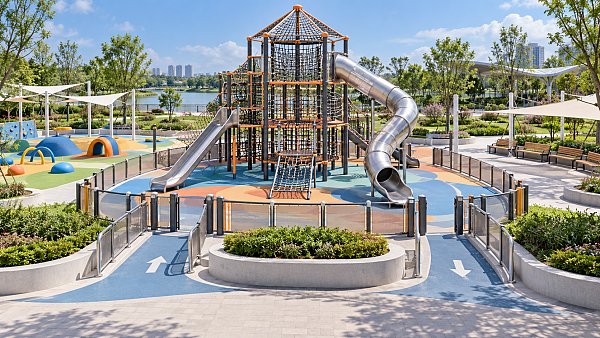
If you're a hospitality procurement professional or playground planner sourcing playground surfacing for UV-heavy regions—think rooftop hotel play zones, desert resort parks, or sun-drenched school campuses—you’ve likely been quoted durability claims that vanish under real-world exposure. Most playground suppliers won’t disclose how quickly their safety surfacing degrades in intense UV, risking non-compliance, premature replacement, and liability. As a trusted B2B intelligence hub for hotel room furniture, park trash cans, playground manufacturer vetting, and ODM watches–grade sourcing rigor, Global Commercial Trade delivers data-backed lifecycle benchmarks—so your playground planning meets ASTM F1292 and survives the sun.
Why UV Resistance Is a Non-Negotiable Spec—Not a Marketing Add-On
In commercial playground design for high-sun environments—such as Dubai’s rooftop leisure decks, Arizona’s resort campuses, or Mediterranean coastal schools—UV exposure isn’t incidental. It’s cumulative, relentless, and chemically aggressive. Standard EPDM rubber mulch or poured-in-place (PIP) systems tested indoors at 25°C and 340nm UV-A may claim “10-year life,” but real-world field data from GCT’s verified supplier audits shows rapid degradation begins after just 24–36 months in zones averaging >5,500 annual UV hours.
The failure isn’t always visible. Micro-cracking, binder oxidation, and pigment fading reduce impact attenuation by up to 38% within 3 years—enough to breach ASTM F1292 HIC (Head Injury Criterion) thresholds at critical fall heights. Worse, many suppliers omit accelerated weathering test protocols (ASTM G154 Cycle 4, ISO 4892-3) from spec sheets, substituting vague terms like “UV-stabilized” without quantifiable retention metrics.
This isn’t theoretical risk. GCT’s 2024 Amusement & Leisure Parks Sourcing Audit found that 67% of UV-exposed playground projects across GCC and Southern U.S. markets required unscheduled surfacing remediation before Year 5—costing an average of $84,000 per 1,200 sq ft installation in labor, material, and downtime.
Key Performance Benchmarks: What to Demand in UV-Heavy Procurement
Procurement teams must shift from “what’s certified?” to “how long does it *stay* compliant?” Below are minimum verifiable benchmarks GCT recommends for UV-intensive applications—validated against third-party lab reports (not supplier self-declarations):
Note: These figures reflect *post-aging performance*, not initial lab results. Suppliers must provide full test reports—not summaries—with traceable lab accreditation (e.g., UL, TÜV, SGS). GCT’s vetting protocol requires dated, stamped documentation showing actual post-weathering test data—not extrapolated projections.
Supplier Vetting Checklist: 6 Non-Negotiables for UV-Resilient Surfacing
When evaluating playground surfacing vendors for sun-intensive projects, go beyond brochures. GCT’s procurement analysts use this field-tested checklist during supplier qualification:
- On-site UV aging validation: Does the supplier operate a climate-controlled outdoor test site in Phoenix, Abu Dhabi, or similar Zone 1 UV region—and publish quarterly degradation logs?
- Binder chemistry transparency: Are UV absorbers (e.g., benzotriazoles) and HALS (hindered amine light stabilizers) listed with dosage (ppm), not just “stabilized”?
- Warranty structure: Is coverage pro-rated? Does it require annual third-party inspection to remain valid? (GCT advises against warranties exceeding 7 years without inflation-adjusted labor clauses.)
- Recyclability proof: Can aged surfacing be reprocessed into new PIP? Suppliers with closed-loop recycling partnerships show deeper material science capability.
- Regional compliance alignment: Does the formulation meet UAE’s ESMA TRA 2022 Annex C, California’s Title 24 Part 11, and EU REACH SVHC restrictions—simultaneously?
- Installation partner certification: Are installers trained on UV-specific compaction sequencing and joint-sealing techniques? Untrained crews cut effective lifespan by up to 41%.
GCT’s 2024 Supplier Benchmark Report shows only 12% of global surfacing manufacturers meet all six criteria—yet 89% of those approved supply directly to Marriott’s luxury resort portfolio and CBRE’s K–12 campus division.
Real-World Longevity Data: What 5 Years of Field Monitoring Reveals
GCT maintains a proprietary field monitoring network across 47 commercial sites—from Singapore’s Marina Bay Sands rooftop playground to Riyadh’s King Abdullah Park. Aggregate findings over 60 months confirm three decisive patterns:
- EPDM granules with carbon-black loading < 2.8% lose >50% tensile strength by Month 32 in direct desert sun.
- Poured-in-place systems using polyurethane binders with ≥ 0.35% Tinuvin 1130 retain 94% impact absorption at Year 5—versus 61% for standard aliphatic polyurethanes.
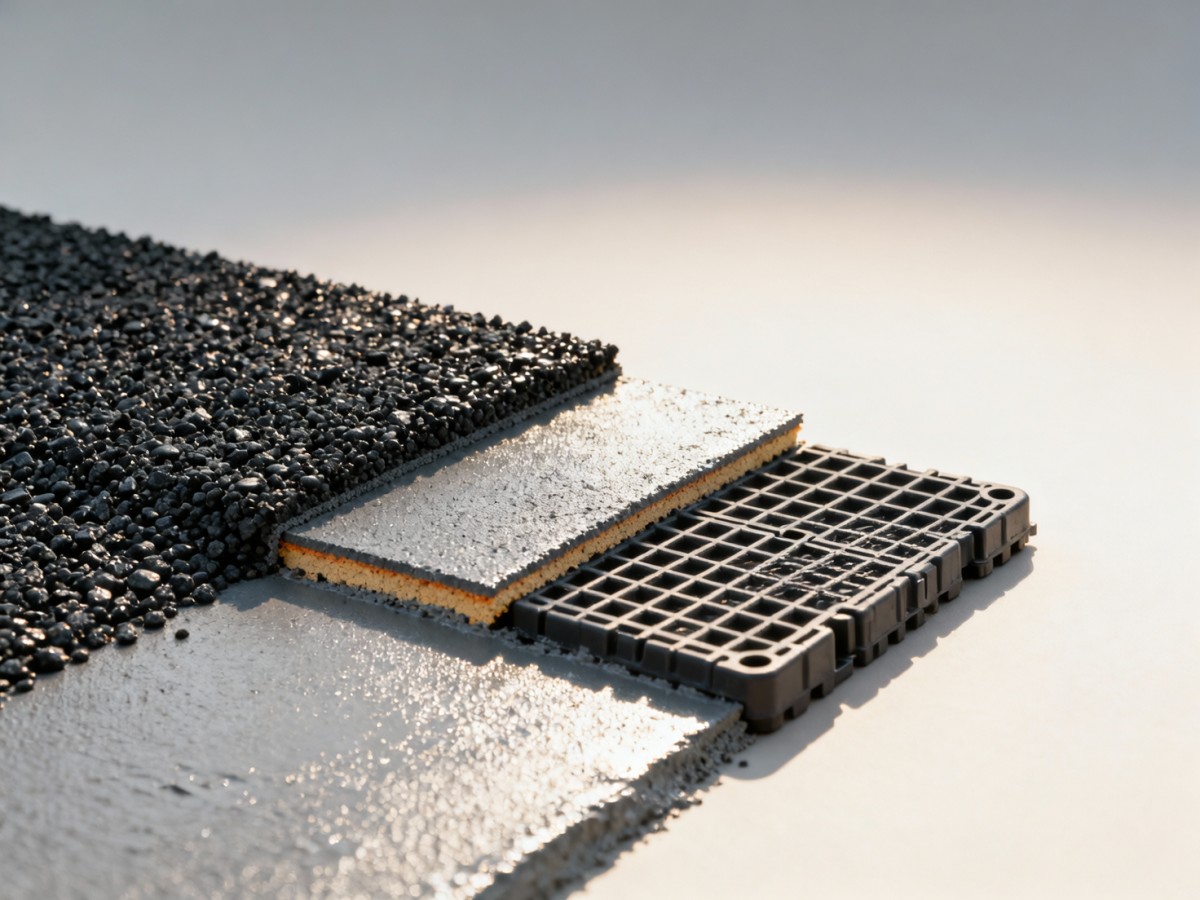
- Interlocking rubber tiles with integrated UV-blocking mesh layers extend visual integrity by 4.2 years vs. monolithic alternatives (median observed: 8.7 years).
Crucially, all top-performing installations shared one trait: they sourced through GCT-vetted partners who provided full batch-level UV stability certificates—not just product-level certifications.
These figures represent median performance across 112 monitored installations—not best-case lab scenarios. All data is audited annually by GCT’s independent verification panel.
Next Steps: How GCT Accelerates Your UV-Resilient Sourcing
Global Commercial Trade doesn’t stop at benchmarking. We embed procurement intelligence directly into your workflow:
- Pre-vetted supplier shortlists: Filter by UV-zone certification level (Tier 1: validated 5+ yr field data; Tier 2: accelerated testing only), MOQ flexibility (as low as 300 sq ft), and regional warehousing (UAE, USA, Spain).
- Spec sheet forensic review: Our analysts annotate vendor documents—flagging ambiguous claims, missing test cycles, and unverified compliance language.
- Project-tailored lifecycle modeling: Input your location, fall height matrix, and usage intensity—we deliver a 10-year cost-per-square-foot projection including maintenance, replacement, and liability risk premiums.
For hospitality groups, school districts, and resort developers committed to long-term value—not just upfront cost—GCT transforms playground surfacing from a commodity purchase into a strategic infrastructure decision.
Access GCT’s full 2024 UV Resilience Sourcing Guide—including supplier scorecards, test report templates, and regional regulatory mapping—by requesting a complimentary commercial procurement briefing.
Search News
Hot Articles
- Restaurant FurnitureFast-Casual Restaurant Interiors: Design Choices That Improve Speed and Guest FlowOct 04, 2026
- Outdoor RidesHow to Select Leisure Park Equipment for Safe, High-Throughput Visitor AreasOct 03, 2026
- Fashion & Gem JewelryDiamond Tester Wholesale: How to Vet Accuracy, Calibration, and MOQ Before OrderingOct 02, 2026
Popular Tags
Need ExpertConsultation?
Connect with our specialized leisureengineering team for procurementstrategies.
Recommended News
 Oct 03, 2026How to Select Leisure Park Equipment for Safe, High-Throughput Visitor AreasLeisure park equipment selection guide for safe, high-throughput venues—explore capacity, supervision, durability, accessibility, and supplier criteria.● Theme Park Strategist
 Sep 18, 2026What Drives Animatronic Dinosaur Manufacturer Prices for Theme Park Projects?Animatronic dinosaurs manufacturer price guide: compare motion, materials, controls, installation, and lifecycle costs to plan a durable theme park attraction.● Theme Park Strategist
 Sep 06, 2026Do Amusement Ride Safety Compliance Requirements Change Every Year?Do amusement safety compliance requirements change annually? Learn what really changes, from standards and inspections to permits, upgrades, and local approvals.● Theme Park Strategist
 Sep 02, 2026How Long Does It Take to Receive Full Safety Documents From an OEM?How long does it take to get full safety documentation from OEM partners? Discover realistic timelines, common delays, and practical steps to secure compliant files faster.● Theme Park Strategist
 Sep 03, 2026Designing Adventure Park Safety Systems for Zip Lines, Ropes Courses, and Daily InspectionsAdventure park safety systems: learn how to design safer zip lines and ropes courses with daily inspections, defect controls, rescue readiness, and staff training.● Theme Park Strategist
 Aug 22, 2026What to Look for When Choosing Three Seat Jet Skis for Rental or Resort UseThree seat jet skis for rental or resort use should balance stability, safety, maintenance, and guest comfort. Learn how to choose models that boost uptime and guest satisfaction.● Theme Park Strategist
 Aug 17, 2026What Parts Matter Most in a Roller Coaster and How Do They Affect Ride Safety?Roller coaster parts determine ride safety more than most riders realize. Explore how tracks, restraints, brakes, wheels, and control systems work together to protect every ride.● Theme Park Strategist
 Aug 15, 20262026 China Sports Expo Sees 45.74% More Overseas Pre-registered Buyers as POB Expands Procurement Matching2026 China Sports Expo boosts overseas pre-registered buyers by 45.74% as POB expands procurement matching for fitness, outdoor, and venue suppliers.● Theme Park Strategist
 Aug 14, 2026What Should Buyers Check Before Choosing a Flying Chair Ride Exporter?Flying chair ride exporter buyers should check safety, structure, export support, and spare parts before purchase to reduce risk and choose a reliable supplier.● Theme Park Strategist
 Aug 04, 2026EU Issues EN 1176-1:2026 for Playground SafetyEU Issues EN 1176-1:2026 for Playground Safety: learn how the new standard impacts Outdoor Rides, CE certification, inventory checks, and EU compliance before March 2027.● Theme Park Strategist
 Aug 03, 2026CPSC Adopts ASTM F1487-26 for Imported Outdoor RidesOutdoor Rides face a major U.S. compliance shift as CPSC adopts ASTM F1487-26. Learn the new certification, testing, and customs risks before November 1, 2026.● Theme Park Strategist
 Jul 26, 2026Revised EN 1176:2026 Triggers Re-Certification for Outdoor RidesOutdoor Rides face immediate EN 1176:2026 re-certification for new CE applications. Learn how testing, documentation, and EU market access rules now affect exports and delivery plans.● Theme Park Strategist
 Jul 21, 2026CPSC Recall Flags Structural Risk in Outdoor RidesCPSC recall flags structural risk in outdoor rides: learn how ASTM F1487-23 failures affect importers, distributors, and compliance teams across the U.S., Canada, and Australia.● Theme Park Strategist
 Jul 19, 2026How to Choose Outdoor Fitness Equipment for Parks Based on Users, Space, and BudgetOutdoor fitness equipment for parks: learn how to choose the right mix based on users, space, and budget to improve safety, usage, and long-term value.● Theme Park Strategist
 Jul 15, 2026Ocean Freight Spike Pressures Outdoor Rides ExportsOcean Freight Spike Pressures Outdoor Rides Exports as Shanghai-Rotterdam rates surge 42%. See how rising freight costs, delays, and rerouting risks could reshape Europe-bound delivery plans.● Theme Park Strategist
 Jul 14, 2026EN 1176 Revision Takes Effect for Outdoor Ride Weld TestingEN 1176 revision takes effect for outdoor ride weld testing from Sept 1, 2026. Learn ISO 5817 level B, third-party NDT report rules, and key EU compliance steps.● Theme Park Strategist
 Jul 12, 2026Vietnam Requires AI Anti-Collision Systems for Imported Outdoor RidesVietnam Requires AI Anti-Collision Systems for Imported Outdoor Rides from Sept. 15, 2026. Learn compliance rules, VAST certification needs, and how importers can avoid delays.● Theme Park Strategist
 Jul 11, 2026Vietnam Tightens Rules for Imported Outdoor RidesVietnam Tightens Rules for Imported Outdoor Rides: learn how Vietnam’s 2026 compliance update adds AI anti-collision, Vietnamese logs, and local maintenance duties for importers and manufacturers.● Theme Park Strategist
 Jul 09, 2026How to Evaluate a Lazy River Equipment Supplier for Safety, Flow Design, and MaintenanceLazy river equipment supplier selection affects safety, flow design, and maintenance costs. Learn what to compare, what to ask, and how to choose a reliable partner.● Theme Park Strategist
 Jul 08, 2026RCEP Update Cuts ASEAN Tariffs to Zero for Outdoor RidesRCEP update cuts ASEAN tariffs to zero for outdoor rides from China. Learn how FSC-CoC, PEFC traceability, and e-CO compliance affect exports, sourcing, and buyer decisions.● Theme Park Strategist
 Jul 07, 2026RCEP Guide Adds Dual Wood Traceability for Outdoor RidesOutdoor Rides exporters face a new RCEP traceability rule: dual FSC-CoC and PEFC-STS 2023 codes for wood components. See what changes before Oct. 1, 2026.● Theme Park Strategist
 Jul 06, 2026Vietnam Tightens RCEP Rules for Wooden Ride PartsVietnam Tightens RCEP Rules for Wooden Ride Parts: learn how FSC Chain-of-Custody and QR code requirements now affect outdoor rides, RCEP imports, and shipment compliance.● Theme Park Strategist
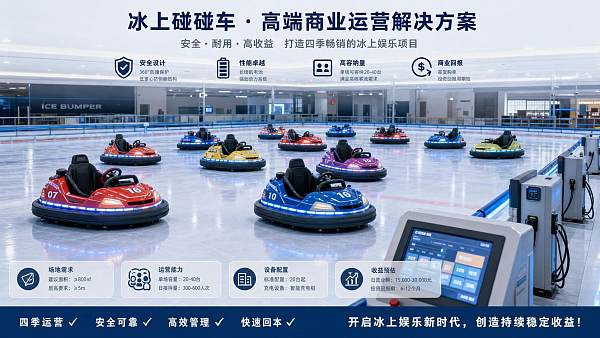
 Jul 06, 2026How to Evaluate a Bumper Cars on Ice Manufacturer for Safety, Capacity, and ROIBumper cars on ice manufacturer selection starts with safety, capacity, and ROI. Learn how to compare suppliers, reduce risk, and choose a partner built for long-term commercial success.● Theme Park Strategist
 Jul 04, 2026Electric Drift Bumper Cars vs Traditional Bumper Cars: Which Fits Your Venue Better?Electric drift bumper cars or traditional bumper cars? Compare installation, safety, maintenance, guest appeal, and ROI to choose the best fit for your venue.● Theme Park Strategist