Xiamen Port Launches Integrated Export Mode for Indoor Playgrounds
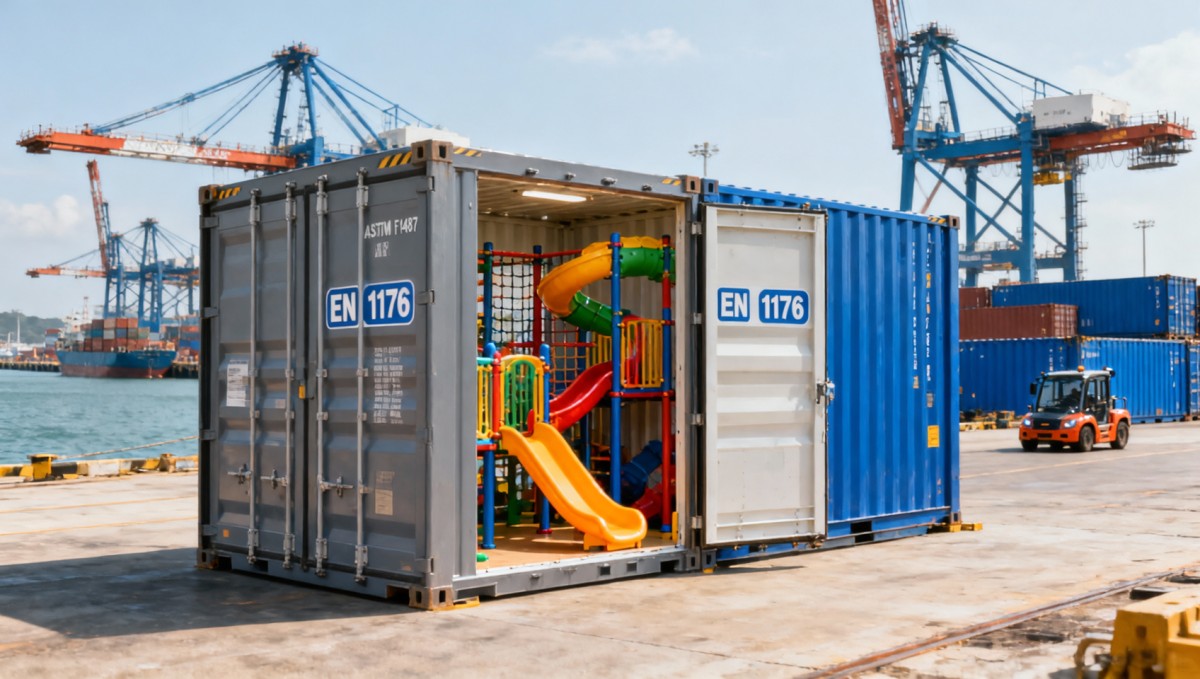
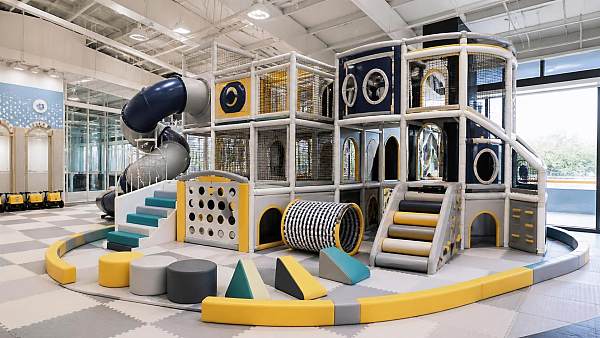
On 22 May 2026, Xiamen Port officially launched the ‘Indoor Playground Customized Integrated Export Channel’, a regulatory and operational innovation aimed at accelerating export clearance for modular indoor playground equipment. The initiative directly impacts manufacturers, exporters, and logistics providers serving global recreational infrastructure markets—particularly those targeting EU and US compliance-critical regions—by streamlining cross-agency coordination previously fragmented across customs, quality inspection, phytosanitary treatment, and shipping scheduling.
Event Overview
On 22 May 2026, Xiamen Port initiated the ‘Indoor Playground Customized Integrated Export Channel’, integrating mold registration, pre-clearance for China Compulsory Certification (CCC), IPPC-compliant wood packaging fumigation, marine booking, and customs declaration into a single coordinated workflow. Three pilot enterprises—including exhibitors from the LEAP (Leisure & Entertainment Asia Pacific) trade show—reported an average order-to-port departure cycle of 12.3 days for standardized modular indoor playground systems. This represents a 38% reduction compared to the national industry average. The channel supports concurrent pre-assessment against both EU EN 1176 and US ASTM F1487 safety standards.
Impact on Subsectors
Direct trading enterprises are affected because they bear primary responsibility for end-to-end export compliance and delivery timelines. With this mode, their contractual lead-time commitments—especially under DAP or DDP terms—become more enforceable; however, eligibility requires upfront alignment with Xiamen Port’s integrated documentation and certification protocols, increasing initial onboarding complexity.
Raw material procurement enterprises face revised timing pressure: just-in-time supply chains must now synchronize with accelerated production windows. For example, suppliers of certified HDPE panels, stainless steel fasteners, or flame-retardant foam must deliver compliant batches within tighter windows—without compromising traceability or test-report validity—since delays at any upstream node risk derailing the integrated 12.3-day timeline.
Manufacturing enterprises experience both opportunity and constraint. While reduced cycle time improves working capital turnover and enables faster response to seasonal demand (e.g., back-to-school or summer installation surges), the requirement for pre-submitted dual-standard (EN 1176 + ASTM F1487) technical dossiers increases engineering validation overhead before order confirmation. Modular design standardization is effectively incentivized—but custom-engineered components may fall outside the channel’s current scope.
Supply chain service enterprises (e.g., freight forwarders, CCC consultants, IPPC-certified fumigation providers) must adapt service packaging. Bundled offerings—such as ‘EN/ASTM pre-audit + fumigation + slot-secured booking’—are now commercially differentiated. Firms lacking integration capability risk marginalization, as clients increasingly prioritize single-point accountability over best-in-class but siloed vendors.
Key Considerations and Recommended Actions
Verify eligibility criteria before order intake
Not all indoor playground configurations qualify. Enterprises must confirm whether their product structure, material composition, and documentation readiness meet Xiamen Port’s defined ‘standard modular’ threshold—particularly regarding pre-approved component libraries and dual-standard test report formats.
Align internal QA/QC workflows with pre-inspection milestones
CCC pre-inspection and EN/ASTM document review occur early in the process—not post-production. Manufacturers should embed compliance checkpoints into design release and first-article inspection stages, not treat them as final gateways.
Evaluate port-specific cost-benefit trade-offs
While cycle time improves, integration may entail higher per-shipment administrative fees or minimum volume thresholds. Companies serving mixed-port portfolios should model total landed cost—including potential demurrage savings versus incremental service charges—before committing exclusively to Xiamen.
Editorial Perspective / Industry Observation
Observably, this is not merely a port-level efficiency upgrade—it signals a broader shift toward ‘certification-aware logistics’: where regulatory readiness becomes a schedulable, measurable, and bundled logistics parameter rather than a sequential bottleneck. Analysis shows that such models gain traction only when backed by inter-agency digital interoperability (e.g., shared data fields between CIQ and customs systems), suggesting replicability elsewhere depends less on policy intent and more on legacy IT architecture maturity. From an industry perspective, the real strategic implication lies in how it reshapes buyer expectations: if 12-day export cycles become benchmarked in RFPs, non-participating ports—and their associated suppliers—may face de facto market exclusion in time-sensitive tenders.
Conclusion
This initiative marks a concrete step toward institutionalizing regulatory predictability for safety-critical children’s play equipment exports. It does not eliminate compliance complexity—but compresses its execution timeline and redistributes accountability across the value chain. A rational interpretation is that it lowers the operational barrier to entry for SME exporters targeting high-regulation markets, while simultaneously raising the bar for documentation discipline and cross-functional coordination.
Source Attribution
Official announcement issued by Xiamen Municipal Government and Xiamen Customs (22 May 2026); supplementary data provided by Xiamen International Terminal Co., Ltd. and pilot enterprise interviews (conducted 24–26 May 2026). Note: Expansion to non-modular or non-LEAP-affiliated enterprises, as well as formal inclusion of UKCA or ISO 8124 standards, remains under observation.
Search News
Hot Articles
- Fashion & Gem JewelryThermal Diamond Testers: How They Work and When They Can Misidentify StonesOct 07, 2026
- Commercial KitchenWhat Is Driving Demand for Commercial Hospitality Projects Across the GCC?Oct 06, 2026
- Hotel Room AmenitiesHow to Select Hotel Hair Dryers That Balance Guest Safety, Durability, and CostOct 05, 2026
Popular Tags
Need ExpertConsultation?
Connect with our specialized leisureengineering team for procurementstrategies.
Recommended News
 Sep 29, 2026Poured Playground Safety Surfacing: How to Specify Thickness for Fall HeightsPoured playground safety surfacing: learn how to specify tested thickness by fall height, ASTM standards, substrate conditions, accessibility, and field verification.● Theme Park Strategist
 Sep 27, 2026Custom Trampoline Park Equipment: Planning Capacity, Safety, and LayoutCustom trampoline park equipment for safer capacity, smooth guest flow, and efficient layouts. Explore practical planning insights for a high-performing park.● Theme Park Strategist
 Aug 30, 2026Entertainment Venue Master Planning: How to Balance Capacity, Flow, and RevenueEntertainment venue development master planning: balance capacity, guest flow, and revenue with practical strategies for resilient, high-performing venues.● Theme Park Strategist
 Sep 07, 2026What Should Buyers Do When a Supplier Delivers Non-Compliant Products?What to do if a supplier delivers non-compliant commercial products: contain risks, document evidence, protect your project, and secure the right remedy.● Theme Park Strategist
 Sep 02, 2026Waterpark Capacity Management: Balancing Queue Times, Safety, and Guest ThroughputWaterpark capacity management strategies to reduce queue times, protect safety, optimize guest throughput, and build a smoother, more profitable park operation.● Theme Park Strategist
 Sep 01, 2026ASTM F2075 Explained: Testing Engineered Wood Fiber for Playground Impact SafetyASTM F2075 explained: learn how engineered wood fiber supports playground impact safety, smarter sourcing, compliance documentation, and reliable maintenance planning.● Theme Park Strategist
 Aug 24, 2026How to Evaluate an Indoor Ninja Warrior Course Supplier in Europe?indoor ninja warrior course Europe supplier guide: learn how to assess safety, EN compliance, engineering, installation, and maintenance support before you choose.● Theme Park Strategist
 Aug 20, 2026How to Choose Modular Indoor Play Equipment for Different Venue Sizes and Age GroupsModular indoor play equipment buying guide: learn how to match venue size, ceiling height, traffic flow, and age groups to create safer, smarter, and more profitable play spaces.● Theme Park Strategist
 Aug 14, 2026POB Push Lifts Overseas Pre-Registrations 45.74%POB boosts overseas pre-registrations for the 2026 China Sport Show by 45.74%, signaling stronger global buyer interest and smarter sourcing opportunities in sports manufacturing.● Theme Park Strategist
 Aug 02, 2026What to Check Before Buying Thick Gymnastic Mats Wholesale for Schools and GymsThick gymnastic mats wholesale buying guide for schools and gyms: learn how to check foam, cover durability, safety documents, samples, and true long-term value before placing a bulk order.● Theme Park Strategist
 Jul 28, 2026How to Design Inclusive Sensory Play Areas for Different Age Groups and NeedsInclusive sensory play starts with smart zoning, age planning, accessibility, and acoustics. Discover practical design tips to create safer, engaging spaces that truly work.● Theme Park Strategist
 Jul 26, 2026How to Evaluate a Bowling Alley Equipment Factory Before Requesting a QuoteBowling alley equipment factory evaluation starts before price. Learn how to check manufacturing scope, engineering, compliance, spare parts, and installation support to avoid costly sourcing mistakes.● Theme Park Strategist
 Jul 16, 2026EN 1176:2026 Takes Effect for Indoor PlaygroundsEN 1176:2026 takes effect for indoor playgrounds in the EU, making conformity assessment mandatory. Learn how this impacts certification, customs clearance, suppliers, and market access.● Theme Park Strategist
 Jul 15, 2026CPSC Sets New ASTM Impact Test for Indoor Playground Metal PartsCPSC sets new ASTM impact test rules for indoor playground metal parts effective Oct. 1, 2026. Learn how the 15kN requirement may affect compliance, testing timelines, and U.S. export delivery.● Theme Park Strategist
 Jul 14, 2026CPSC Tightens Phthalate Limit for Indoor Playground Soft MaterialsCPSC tightens phthalate limits for indoor playground soft materials from Aug 15, 2026. Learn how DIBP control, CBP detention risk, and testing changes impact sourcing, exports, and compliance.● Theme Park Strategist
 Jul 13, 2026Vietnam Tightens IoT Rule for Indoor Playground ImportsVietnam Tightens IoT Rule for Indoor Playground Imports: learn how VNSS-2025 gateway requirements affect exporters, buyers, installers, and delivery timelines before the 2026 deadline.● Theme Park Strategist
 Jul 13, 2026How a Recreational Facility Planning Company Helps Reduce Layout MistakesRecreational facility planning company insights: learn how early layout strategy reduces costly mistakes, improves flow, compliance, and buildability for smoother project delivery.● Theme Park Strategist
 Jul 12, 2026CPSC Halts Imports of Indoor Playground Soft PartsCPSC halts imports of indoor playground soft parts from China under ASTM F3432-26. Learn the compliance risks, testing requirements, and urgent steps importers must take now.● Theme Park Strategist
 Jul 11, 2026CPSC Import Alert Tightens Fire Test Rule for Indoor Playground PaddingCPSC import alert updates indoor playground padding rules to ASTM F3432-26. See how the new fire test affects foam mats, shipments, and U.S. market access.● Theme Park Strategist
 Jul 11, 2026Ice Bumper Cars Bulk Order Checklist for Indoor Parks: Space, Power, and Safety PointsIce bumper cars bulk order guide for indoor parks: learn how to assess space, power, safety, and throughput before buying, so you can avoid costly mistakes and choose the right fleet with confidence.● Theme Park Strategist
 Jul 10, 2026Commercial Playground Equipment for Campuses: Key Safety Standards and Planning TipsCommercial playground equipment for campuses: explore key safety standards, inclusive layout planning, durable materials, and smart procurement tips to avoid costly mistakes.● Theme Park Strategist
 Jul 09, 2026CPSC Recall Escalates Over Phthalates in Indoor Playground PadsCPSC recall escalates over phthalates in indoor playground pads as affected batches exceed CPSIA limits. Learn the risks, supply chain impact, and what buyers should monitor now.● Theme Park Strategist
 Jul 07, 2026How to Choose Ice Skating Rink Equipment in Europe: Key Systems, Standards, and Budget Factorsice skating rink equipment Europe guide: compare refrigeration, rink floors, boards, EU compliance, and total budget factors to choose a safer, more efficient commercial rink solution.● Theme Park Strategist
 Jul 06, 2026CPSC Flags New Flame Test for Indoor Playground PaddingCPSC flags a new flame test for indoor playground padding under ASTM F1487-23b. Learn how this urgent compliance alert affects materials, testing, imports, and U.S. market access.● Theme Park Strategist