Indoor Playground Installation Checklist: Site Planning, Safety, and Project Workflow
Indoor Playground Installation Checklist: Site Planning, Safety, and Project Workflow
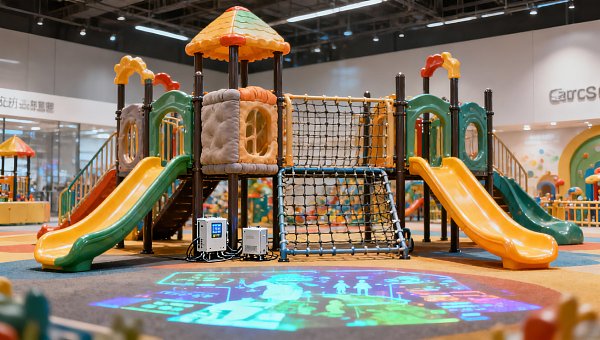
A successful indoor playground installation starts long before equipment reaches the site.
Early planning shapes cost control, safety performance, and long-term maintenance.
In real projects, delays often come from missed approvals, unclear drawings, or poor coordination.
That also means a strong checklist is not paperwork.
It is a practical tool for reducing rework and protecting opening schedules.
This guide covers the key decisions behind an efficient indoor playground installation.
It focuses on site planning, safety compliance, procurement timing, installation control, and final handover.
Start With Clear Project Scope
Every indoor playground installation should begin with a defined commercial brief.
The layout, capacity, age group, and revenue model all influence technical requirements.
A family entertainment center needs different traffic flow than a hotel kids’ zone.
A school play space also differs from a shopping mall attraction.
Before design starts, confirm these baseline items:
- Target user age bands and maximum occupancy
- Indoor playground installation area and ceiling height
- Business goals, including dwell time and repeat visits
- Expected opening date and phased delivery needs
- Budget limits for equipment, flooring, and fit-out works
This first step keeps later decisions aligned.
Without it, an indoor playground installation can drift into cost-heavy redesign.
Assess the Site Before Final Design
Site conditions often decide whether a concept is practical.
This is where many indoor playground installation problems first appear.
Measure the actual space, not just lease drawings.
Check columns, beams, sprinkler heads, lighting, exits, and service access.
Floor loading is another critical issue.
Climbing frames, rope courses, and themed structures may require structural review.
During site assessment, verify the following:
- Net clear height after MEP installations
- Floor levelness and slab condition
- Emergency exits and evacuation routes
- Power supply for lighting and interactive systems
- Access paths for unloading and assembly
These checks help prevent site clashes and late-stage layout changes.
Confirm Codes, Standards, and Safety Strategy
A compliant indoor playground installation depends on local regulations and recognized safety standards.
Requirements vary by country, city, and project type.
Even within one region, a mall project may follow different review procedures than a school facility.
From a risk perspective, safety planning should begin before purchase orders are issued.
That includes fall protection, impact attenuation, fire performance, and supervision visibility.
Review these items with the supplier and local consultants:
- Applicable playground and amusement safety standards
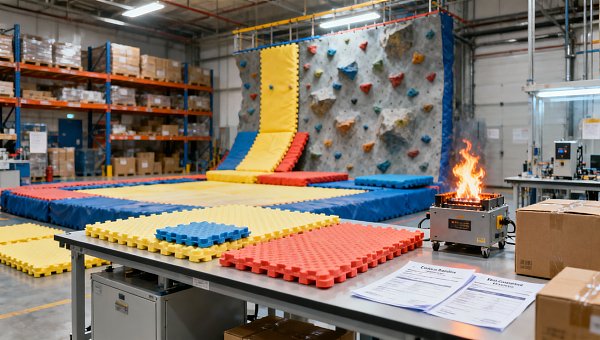
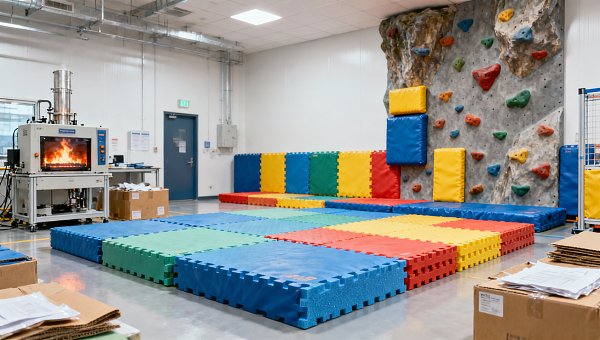
- Fire rating requirements for soft play materials
- Minimum safety clearances and fall zones
- Guarding, netting, and entrapment prevention details
- Inspection, certification, and authority approval steps
A safe indoor playground installation is never just about equipment quality.
It is about how design, materials, spacing, and supervision work together.
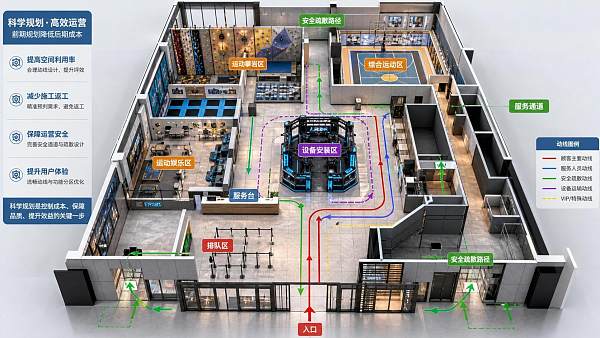
Align Layout With Operations
Good layout planning supports both user experience and daily operations.
In practice, this is where commercial value becomes more visible.
A well-zoned indoor playground installation improves circulation and staff efficiency.
It also makes cleaning, crowd control, and maintenance easier.
Separate active zones from toddler areas.
Keep sightlines open for staff and parents.
Allow space for queuing, shoes, strollers, and birthday group movement.
Useful layout checkpoints include:
- Position high-energy play away from entry bottlenecks.
- Reserve quiet zones for toddlers and sensory users.
- Maintain direct visual control over major play features.
- Integrate storage, cleaning access, and staff service points.
- Protect emergency routes from movable furniture or queues.
This operational view helps an indoor playground installation perform better after opening day.
Control Procurement and Vendor Coordination
Installation success depends heavily on supplier coordination.
Lead times for custom structures, flooring, graphics, and safety surfacing can differ sharply.
A common issue is assuming one vendor controls the entire indoor playground installation.
In reality, several trades usually overlap.
These may include electrical, flooring, decoration, fire systems, and signage.
To keep delivery on track, lock down these documents early:
- Approved shop drawings and dimensions
- Material specifications and test reports
- Packing lists and shipping milestones
- Installation method statements and manpower plans
- Defect handling, warranty, and spare parts terms
This stage is also where sourcing quality matters.
Reliable suppliers reduce the risk of substitutions and schedule slippage.
Manage the Installation Phase on Site
Once materials arrive, daily control becomes essential.
A smooth indoor playground installation needs structured sequencing.
Start with receiving inspection.
Check quantities, finish quality, part labels, and any transit damage.
Then confirm the site is ready for assembly.
Wet trades, ceiling works, and heavy dust should be completed first.
During installation, monitor these control points:
- Anchor positions and structural connections
- Padding, net tension, and barrier alignment
- Clearance to walls, sprinklers, and lights
- Protection of finished flooring and decorations
- Daily housekeeping and safe work access
Short daily meetings help resolve clashes quickly.
That is especially useful when the indoor playground installation runs inside a larger fit-out program.
Inspect, Test, and Prepare for Handover
Final acceptance should never be rushed.
The last stage of indoor playground installation is where performance and liability come together.
Carry out a detailed snag inspection.
Review all fasteners, covers, soft elements, labels, and access panels.
If local rules require certification, schedule it before marketing launch activities.
Handover should include both physical acceptance and operational readiness.
A practical handover package includes:
- As-built drawings and approved material records
- Inspection reports and compliance certificates
- Cleaning, maintenance, and inspection manuals
- Staff training for supervision and incident response
- Warranty terms and spare part contacts
This makes the indoor playground installation easier to operate from day one.
A Practical Checklist for Better Outcomes
A strong indoor playground installation is built on disciplined sequencing.
First define scope clearly.
Then validate the site, confirm compliance, align layout with operations, and manage suppliers tightly.
After that, control installation quality and close handover properly.
From a business angle, this approach protects schedule, brand reputation, and lifecycle value.
More importantly, it creates a safer and more reliable play environment.
If your next indoor playground installation involves custom fabrication or multi-vendor sourcing, use this checklist as a working framework.
It helps turn a complex build into a controlled, efficient, and commercially successful delivery.
Search News
Hot Articles
- Pro Stage AudioAudio Production for Streaming: How to Build a Dedicated Live Event MixOct 22, 2026
- Outdoor RidesIAAPA Launches Insurance Solution for North American Attractions IndustryOct 21, 2026
- Watch OEM & SmartwatchesWatch Movement Parts: How to Check Compatibility With a Specific CaliberOct 21, 2026
Popular Tags
Need ExpertConsultation?
Connect with our specialized leisureengineering team for procurementstrategies.
Recommended News
 Oct 18, 2026Turnkey Playground Installation: What's Included and What Costs Extra?Turnkey playground installation: discover what's included, uncover extra costs, and compare quotes confidently. Learn how to avoid budget surprises before you sign.● Theme Park Strategist
 Oct 08, 2026How to Choose Animatronic Haunted House Props for High-Throughput AttractionsAnimatronic haunted house props for high-throughput attractions: compare motion, triggers, safety, and maintenance to create reliable scares that keep guests moving.● Theme Park Strategist
 Sep 29, 2026Poured Playground Safety Surfacing: How to Specify Thickness for Fall HeightsPoured playground safety surfacing: learn how to specify tested thickness by fall height, ASTM standards, substrate conditions, accessibility, and field verification.● Theme Park Strategist
 Sep 27, 2026Custom Trampoline Park Equipment: Planning Capacity, Safety, and LayoutCustom trampoline park equipment for safer capacity, smooth guest flow, and efficient layouts. Explore practical planning insights for a high-performing park.● Theme Park Strategist
 Aug 30, 2026Entertainment Venue Master Planning: How to Balance Capacity, Flow, and RevenueEntertainment venue development master planning: balance capacity, guest flow, and revenue with practical strategies for resilient, high-performing venues.● Theme Park Strategist
 Sep 07, 2026What Should Buyers Do When a Supplier Delivers Non-Compliant Products?What to do if a supplier delivers non-compliant commercial products: contain risks, document evidence, protect your project, and secure the right remedy.● Theme Park Strategist
 Sep 02, 2026Waterpark Capacity Management: Balancing Queue Times, Safety, and Guest ThroughputWaterpark capacity management strategies to reduce queue times, protect safety, optimize guest throughput, and build a smoother, more profitable park operation.● Theme Park Strategist
 Sep 01, 2026ASTM F2075 Explained: Testing Engineered Wood Fiber for Playground Impact SafetyASTM F2075 explained: learn how engineered wood fiber supports playground impact safety, smarter sourcing, compliance documentation, and reliable maintenance planning.● Theme Park Strategist
 Aug 24, 2026How to Evaluate an Indoor Ninja Warrior Course Supplier in Europe?indoor ninja warrior course Europe supplier guide: learn how to assess safety, EN compliance, engineering, installation, and maintenance support before you choose.● Theme Park Strategist
 Aug 20, 2026How to Choose Modular Indoor Play Equipment for Different Venue Sizes and Age GroupsModular indoor play equipment buying guide: learn how to match venue size, ceiling height, traffic flow, and age groups to create safer, smarter, and more profitable play spaces.● Theme Park Strategist
 Aug 14, 2026POB Push Lifts Overseas Pre-Registrations 45.74%POB boosts overseas pre-registrations for the 2026 China Sport Show by 45.74%, signaling stronger global buyer interest and smarter sourcing opportunities in sports manufacturing.● Theme Park Strategist
 Aug 02, 2026What to Check Before Buying Thick Gymnastic Mats Wholesale for Schools and GymsThick gymnastic mats wholesale buying guide for schools and gyms: learn how to check foam, cover durability, safety documents, samples, and true long-term value before placing a bulk order.● Theme Park Strategist
 Jul 28, 2026How to Design Inclusive Sensory Play Areas for Different Age Groups and NeedsInclusive sensory play starts with smart zoning, age planning, accessibility, and acoustics. Discover practical design tips to create safer, engaging spaces that truly work.● Theme Park Strategist
 Jul 26, 2026How to Evaluate a Bowling Alley Equipment Factory Before Requesting a QuoteBowling alley equipment factory evaluation starts before price. Learn how to check manufacturing scope, engineering, compliance, spare parts, and installation support to avoid costly sourcing mistakes.● Theme Park Strategist
 Jul 16, 2026EN 1176:2026 Takes Effect for Indoor PlaygroundsEN 1176:2026 takes effect for indoor playgrounds in the EU, making conformity assessment mandatory. Learn how this impacts certification, customs clearance, suppliers, and market access.● Theme Park Strategist
 Jul 15, 2026CPSC Sets New ASTM Impact Test for Indoor Playground Metal PartsCPSC sets new ASTM impact test rules for indoor playground metal parts effective Oct. 1, 2026. Learn how the 15kN requirement may affect compliance, testing timelines, and U.S. export delivery.● Theme Park Strategist
 Jul 14, 2026CPSC Tightens Phthalate Limit for Indoor Playground Soft MaterialsCPSC tightens phthalate limits for indoor playground soft materials from Aug 15, 2026. Learn how DIBP control, CBP detention risk, and testing changes impact sourcing, exports, and compliance.● Theme Park Strategist
 Jul 13, 2026Vietnam Tightens IoT Rule for Indoor Playground ImportsVietnam Tightens IoT Rule for Indoor Playground Imports: learn how VNSS-2025 gateway requirements affect exporters, buyers, installers, and delivery timelines before the 2026 deadline.● Theme Park Strategist
 Jul 13, 2026How a Recreational Facility Planning Company Helps Reduce Layout MistakesRecreational facility planning company insights: learn how early layout strategy reduces costly mistakes, improves flow, compliance, and buildability for smoother project delivery.● Theme Park Strategist
 Jul 12, 2026CPSC Halts Imports of Indoor Playground Soft PartsCPSC halts imports of indoor playground soft parts from China under ASTM F3432-26. Learn the compliance risks, testing requirements, and urgent steps importers must take now.● Theme Park Strategist
 Jul 11, 2026CPSC Import Alert Tightens Fire Test Rule for Indoor Playground PaddingCPSC import alert updates indoor playground padding rules to ASTM F3432-26. See how the new fire test affects foam mats, shipments, and U.S. market access.● Theme Park Strategist
 Jul 11, 2026Ice Bumper Cars Bulk Order Checklist for Indoor Parks: Space, Power, and Safety PointsIce bumper cars bulk order guide for indoor parks: learn how to assess space, power, safety, and throughput before buying, so you can avoid costly mistakes and choose the right fleet with confidence.● Theme Park Strategist
 Jul 10, 2026Commercial Playground Equipment for Campuses: Key Safety Standards and Planning TipsCommercial playground equipment for campuses: explore key safety standards, inclusive layout planning, durable materials, and smart procurement tips to avoid costly mistakes.● Theme Park Strategist
 Jul 09, 2026CPSC Recall Escalates Over Phthalates in Indoor Playground PadsCPSC recall escalates over phthalates in indoor playground pads as affected batches exceed CPSIA limits. Learn the risks, supply chain impact, and what buyers should monitor now.● Theme Park Strategist