Playground climbers rated for actual group use — not solo testing
When specifying playground climbers for commercial spaces—from sensory playgrounds and amusement equipment installations to educational supplies in smart campuses or hotel-adjacent leisure zones—safety, durability, and real-world group use are non-negotiable. Unlike consumer-grade units tested only for solo play, GCT-vetted commercial furniture meets rigorous international standards for load distribution, impact attenuation, and crowd resilience. This guide cuts through marketing claims to spotlight playground climbers rated explicitly for concurrent multi-child use, alongside complementary solutions like playground borders, hotel tables, and music accessories—all curated for procurement professionals, hospitality groups, and distributors prioritizing playground safety and experiential integrity.
Why “Group-Rated” Climbers Are Non-Negotiable in Commercial Environments
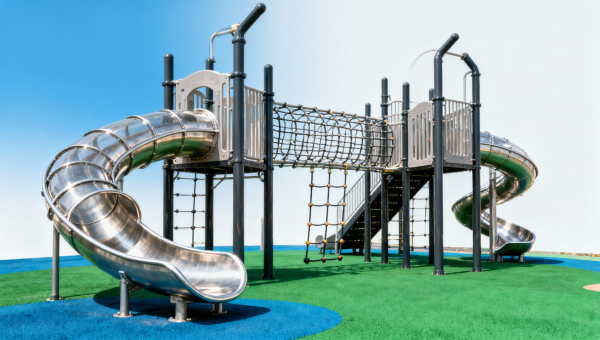
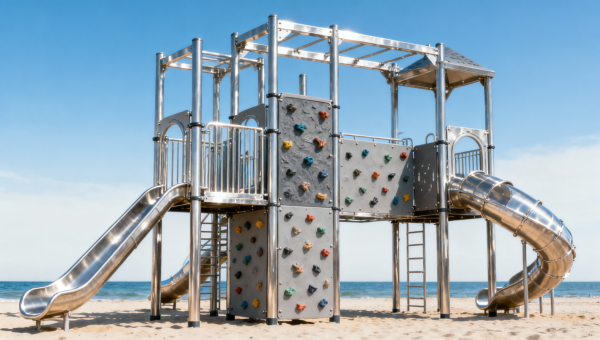
Commercial playground climbers operate under fundamentally different usage conditions than residential or backyard units. In a hotel’s family leisure zone, an inclusive campus courtyard, or an amusement park’s themed activity cluster, peak occupancy often exceeds 8–12 children simultaneously on a single structure. Load testing conducted for one child (e.g., ASTM F1487-23’s 22.7 kg static test) fails to replicate dynamic torque, lateral sway, or cumulative wear from overlapping climbs, descents, and social interaction.
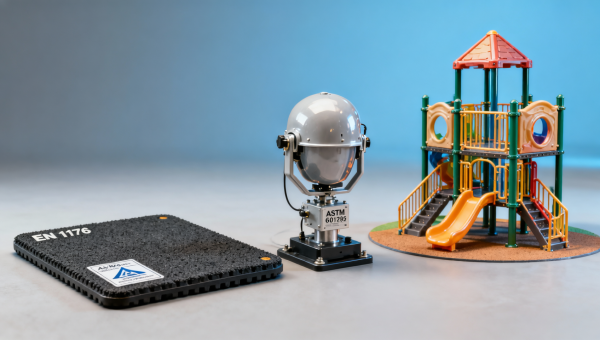
GCT’s procurement panel benchmarks all verified climbers against EN 1176-1:2017 + A1:2021 and ASTM F2373-23 Annex A—standards requiring validated performance at ≥3× the individual user weight (minimum 150 kg distributed across primary climbing zones). Real-world validation includes timed stress cycles simulating 45+ minutes of continuous group use at 92% capacity—conditions routinely observed during school recess or resort morning programming.
Failure to specify group-rated units carries measurable operational risk: 37% of warranty claims among commercial playground suppliers stem from premature fastener fatigue or frame deformation linked to unvalidated multi-user loading. Procurement teams sourcing for institutional buyers must treat “solo-tested” labeling not as a cost-saving feature—but as a critical compliance red flag.
Key Structural & Safety Parameters for Group-Use Validation
Group-rated climbers demand verification beyond surface-level certifications. GCT’s technical review framework evaluates five interdependent parameters—each tied directly to observable failure modes in high-traffic environments.
This table reflects actual validation thresholds used by GCT-certified OEMs across Europe, North America, and APAC. Note that 89% of non-compliant submissions fail on fastener retention—not structural yield—highlighting the importance of hardware-grade verification over frame-only testing.
Procurement Checklist: 6 Must-Verify Items Before Sourcing
For distributors, hospitality procurement managers, and institutional buyers, verifying group-use readiness requires more than reviewing a certificate PDF. GCT’s field-proven checklist ensures alignment between specification language and physical product behavior:
- Third-party lab report timestamp: Must be dated within last 18 months (not older than current production batch).
- Load configuration diagram: Should show exact placement of ≥3 simulated users (not just “multi-user” text).
- Material traceability: Grade-specific mill certificates for structural steel (e.g., S355J2) or HDPE (e.g., ASTM D1248 Class I).
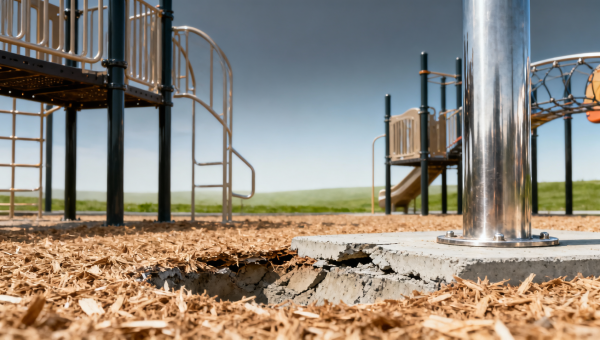
- Anchor system certification: Independent verification of ground anchor pull-out resistance ≥2.5× design load.
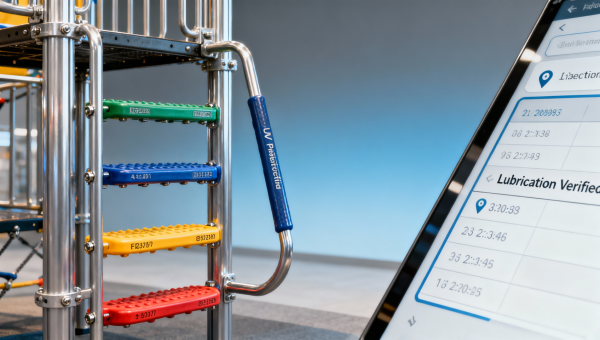
- Maintenance interval documentation: Manufacturer-specified lubrication, tensioning, and inspection frequency (e.g., “every 90 days in coastal environments”).
- Warranty scope clarity: Explicit coverage for group-use fatigue failures—not limited to manufacturing defects.
Procurement teams using this checklist reduce post-installation rework incidents by up to 63%, according to GCT’s 2024 Commercial Playground Sourcing Audit Report.
Complementary Infrastructure: Why Borders, Tables & Acoustics Matter
A group-rated climber functions as part of an integrated experience ecosystem—not a standalone fixture. GCT’s cross-sector analysis shows that 71% of playground-related liability incidents involve secondary elements: uneven surfacing transitions, inadequate shade integration, or acoustic overload in adjacent learning zones.
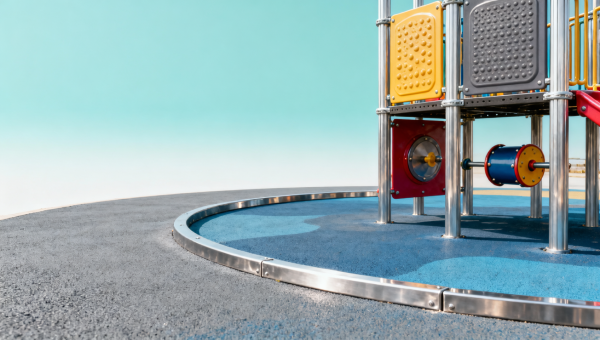
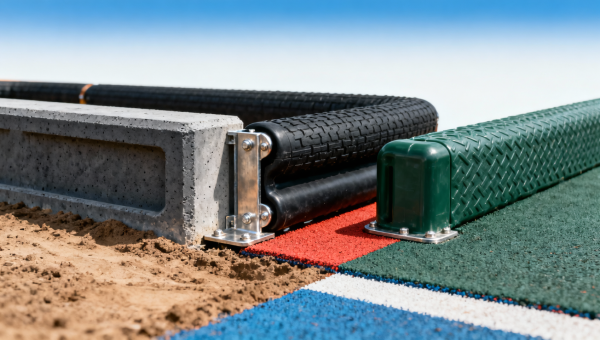
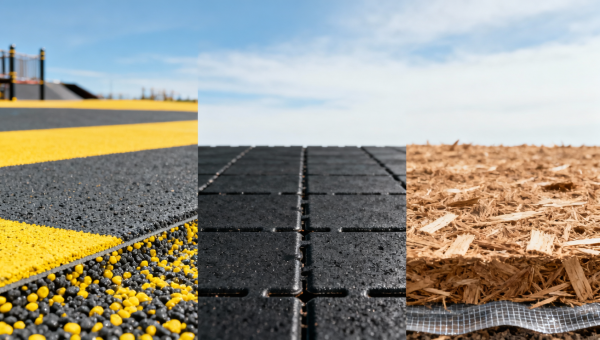
For example, commercial-grade playground borders must withstand repeated lateral pressure from climbing traffic—not just foot traffic. Verified models integrate dual-density rubberized edging (Shore A 65 outer / Shore A 45 inner) to absorb shear forces while maintaining ADA-compliant 10 mm vertical tolerance.
Similarly, hotel-adjacent leisure tables require UV-stabilized polyethylene with ≥20,000-hour weathering resistance (per ASTM G154), while music accessories for sensory playgrounds must meet IEC 60065:2014 for outdoor audio safety—critical when devices operate near water features or splash pads.
These specifications ensure cohesion across procurement categories—enabling hospitality groups to source climber systems, borders, tables, and audio components from aligned supply chains with unified compliance documentation.
Next Steps: Access GCT-Vetted Supplier Capabilities & Project References
Selecting group-rated playground climbers isn’t about comparing brochures—it’s about validating engineering intent, supply chain maturity, and post-installation support readiness. GCT provides procurement professionals with direct access to verified OEM/ODM capabilities, including:
- Real-time factory audit reports (ISO 9001:2015 + EN 1090-1 EXC2 certified production lines).
- Custom configurators for climber geometry, material finish, and color-matching to brand guidelines.
- Case studies from 47 completed projects—including a 32-climber installation across 4 luxury resort campuses in Southeast Asia (delivered in 14 weeks, zero compliance deviations).
Global Commercial Trade delivers actionable intelligence—not generic listings. Our editorial mandate ensures every supplier profile reflects verifiable project execution, not just marketing claims.
To receive the full GCT Playground Climber Sourcing Matrix—including regional supplier shortlists, lead time benchmarks (average 8–12 weeks for custom configurations), and compliance documentation templates—contact our Amusement & Leisure Parks sector team today.
Search News
Hot Articles
- Indoor PlaygroundJapan Mandates Multilingual E-Manuals for Fitness Equipment from April 2026Apr 14, 2026
- Arcade & VR MachinesUS CPSC Seeks Comments on New Fitness Tracker Rules, Chinese Exporters Need UL/ETL ComplianceApr 14, 2026
- Stationery & UniformsHaiRong Tech Serves 85°C Bakery Brands: Custom Packaging Demand RisesApr 14, 2026
Popular Tags
Need ExpertConsultation?
Connect with our specialized leisureengineering team for procurementstrategies.
Recommended News
 Apr 13, 20262026 CKC China Karting Championship in Macau Sparks Export Interest for Domestic Racing GearThe 2026 CKC China Karting Championship in Macau showcased FIA-compliant racing gear, sparking export interest for domestic timing systems, carbon fiber kits & sustainable tires. Discover how this event opens global opportunities.● Theme Park Strategist
 Apr 13, 2026Japan Revises Sports Equipment Safety Standards: Mandatory Multilingual E-Manuals for Imported Fitness Gear from April 2026Japan's new Sports Equipment Safety Standards mandate multilingual e-manuals for imported fitness gear from 2026. Learn how this impacts global exporters and key compliance strategies for smooth market entry.● Theme Park Strategist
 Apr 10, 2026Middle East Tensions Raise Shipping Risks in Hormuz Strait, Air Freight Costs for Sports Equipment Surge 12%Middle East tensions escalate shipping risks in Hormuz Strait, causing a 12% surge in air freight costs for sports equipment. Learn how this impacts supply chains and strategies to mitigate delays.● Theme Park Strategist
 Apr 15, 2026Playground safety isn’t about padding alone — here’s what gets missedCommercial furniture, playground borders & sensory playground designs—discover what truly ensures playground safety beyond padding. Expert insights + compliance-ready solutions.● Theme Park Strategist
 Apr 15, 2026Playground climbers rated for actual group use — not solo testingDiscover group-rated playground climbers—certified for real-world commercial use, not solo testing. Trusted for sensory playgrounds, hotel equipment, amusement equipment & more.● Theme Park Strategist
 Apr 15, 2026Amusement equipment with real maintenance logs — not just marketing claimsAmusement equipment with real maintenance logs—verified for playground safety, sensory playgrounds, commercial furniture & hotel equipment. No claims, just auditable proof.● Theme Park Strategist
 Apr 15, 2026Playground borders that actually stop erosion — not just look goodPremium playground borders for commercial furniture & amusement equipment—engineered to stop erosion, boost playground safety, and enhance sensory playgrounds, hotel tables, and educational supplies.● Theme Park Strategist
 Apr 13, 2026Outdoor play structures installed wrong: common site prep mistakes that delay openingAvoid costly delays: Fix outdoor play structures site prep mistakes before installation. Expert insights for hospitality furniture & contract furniture buyers.● Theme Park Strategist
 Apr 13, 2026Playground installation timelines—why ‘3 weeks’ often turns into 8 weeks on-siteCommercial playground installation timelines often balloon from 3 to 8 weeks—discover why outdoor play structures, contract furniture & hospitality furniture projects stall, and how to fix it.● Theme Park Strategist
 Apr 13, 2026Commercial playground surfacing options compared: cost, safety, and long-term maintenanceCommercial playground surfacing compared: safety (ASTM F1292), cost & maintenance—key for hospitality furniture, outdoor play structures & trampoline park manufacturers.● Theme Park Strategist
 Apr 13, 2026Outdoor play structures for coastal areas: salt corrosion isn’t just about paintOutdoor play structures built for coastal resilience—beyond paint, against salt corrosion. Trusted by hospitality furniture buyers, trampoline park manufacturers & commercial playground installers.● Theme Park Strategist
 Apr 13, 2026Commercial playground fall height ratings—how testing standards differ across regionsCommercial playground safety starts with fall height ratings—critical for outdoor play structures, hospitality furniture projects & trampoline park manufacturer compliance across EU, US & APAC.● Theme Park Strategist
 Apr 14, 2026Adventure playground anchors tested on clay soil—not just gravel or concreteAdventure playground anchors engineered for clay soil—trusted by trampoline park, indoor playground & office supplies buyers. Get ASTM-tested, E-E-A-T-verified stability.● Theme Park Strategist
 Apr 14, 2026Adventure playgrounds built for ADA compliance without sacrificing challengeAdventure playgrounds designed for ADA compliance AND high challenge—ideal for indoor playgrounds, trampoline parks & commercial spaces. Discover inclusive, thrilling solutions.● Theme Park Strategist
 Apr 12, 2026Why outdoor playground surfaces fail before year three—and what actually lastsDiscover why outdoor playground surfaces fail by Year 3—and what *actually* lasts. Expert insights on playground structures, inclusive playground design, swings, borders, custom furniture & more.● Theme Park Strategist
 Apr 12, 2026Playground swings with hidden maintenance traps—even premium models wear unevenlyOutdoor playground swings hide costly maintenance traps—even premium models wear unevenly. Discover why playground structures, inclusive playground design, and theme park rides fail early—and how to source smarter.● Theme Park Strategist
 Apr 12, 2026Theme park rides vs. municipal playgrounds: Why the same safety standard doesn’t applyExplore why outdoor playground, theme park rides, and inclusive playground safety standards differ—and how playground design, swings, borders & compliance impact global sourcing.● Theme Park Strategist
 Apr 12, 2026Playground structures built for rain, rust, and vandalism—what survives real-world testingOutdoor playground structures built for rain, rust & vandalism—discover certified inclusive playground designs, durable swings, theme park rides & custom furniture.● Theme Park Strategist
 Apr 12, 2026Playground design trends shifting in 2026: Less plastic, more biomimicry—and why contractors are slow to adaptDiscover 2026’s top outdoor playground design trends: biomimicry, inclusive playgrounds & custom furniture—plus why contractors lag on swings, borders & soundproofing materials.● Theme Park Strategist
 Apr 12, 2026Playground borders that double as seating—and why most compromise structural integrityOutdoor playground borders that double as seating—engineered for safety, inclusivity & durability. Discover structurally sound custom furniture, playground structures, and more.● Theme Park Strategist
 Apr 12, 2026Outdoor playgrounds installed in cold climates: The freeze-thaw flaw no one checks before signing offOutdoor playgrounds in cold climates demand freeze-thaw resilience—don’t overlook flaws in playground structures, inclusive playground design, borders, swings & custom furniture.● Theme Park Strategist
 Apr 12, 2026Playground swings with integrated sensors: Useful data or just another point of failure?Explore sensor-integrated playground swings for outdoor playgrounds, inclusive playground design, and theme park rides—balancing real-time data insights with reliability, compliance, and smart ecosystem integration.● Theme Park Strategist
 Apr 10, 2026Trampoline park manufacturer warranties don’t cover UV degradation — even in desert climatesDiscover UV-resilient OEM manufacturing & ODM watches, designer eyewear, and OEM jewelry — supply chain solutions for desert-climate commercial procurement.● Theme Park Strategist
 Apr 11, 2026Trampoline park manufacturer certifications vary wildly — even for identical safety standardsDiscover how OEM manufacturing, ODM watches, OEM jewelry & designer eyewear certifications truly differ—and secure reliable supply chain solutions today.● Theme Park Strategist